
Soups & Stews
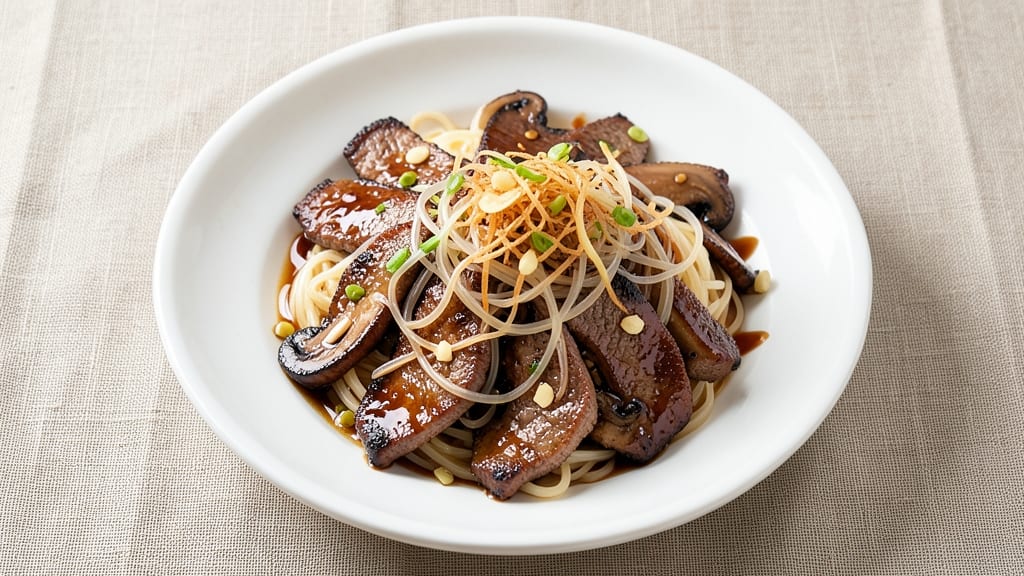
This beef and glass noodle recipe delivers restaurant-quality wok-seared beef with silky, chewy noodles that absorb rich umami flavors perfectly. The secret lies in high-heat stir-frying for that signature smoky aroma while keeping the beef tender—no tough, overcooked pieces here.
I've refined this technique over years of testing, balancing protein, noodles, and sauce for a harmonious bite every time.
The magic starts with properly prepping the glass noodles—soaking them just until pliable, never mushy, so they maintain their signature texture. Meanwhile, thinly sliced beef gets marinated in a simple soy-ginger sauce before hitting a screaming-hot wok, where it develops that coveted wok hei (breath of the wok) aroma.
The sauce reduces to a glossy, savory finish that coats every strand of noodle.
What you'll end up with is a dish that's both restaurant-worthy and weeknight-friendly—tender beef with crisp edges, silky noodles, and a sauce that's perfectly balanced between sweet, salty, and umami.
The aroma alone will have everyone gathering at the table. This recipe serves four and comes together in under 30 minutes, making it ideal for busy weeknights.
The best part? It scales beautifully for larger crowds and keeps well for leftovers. Whether you're serving it as a main dish or sharing with friends, this beef and glass noodle recipe delivers that perfect combination of texture and flavor that keeps people coming back for more.
Ingredients for beef and glass noodle
Restaurant-quality wok-seared beef and silky glass noodles start with these 15 essential ingredients.
| Ingredient | Amount | Notes |
|---|---|---|
| Flank Steak 🥩 | 1 lb | Thinly sliced against grain |
| Glass Noodles (Cellophane Noodles) 🍜 | 8 oz | Dried, Asian-style |
| Soy Sauce 🍶 | ⅓ cup | High-quality, preferably Japanese |
| Sesame Oil 🫒 | 1 tbsp | Toasted, for aroma |
| Fresh Ginger 🌿 | 1 tbsp | Finely minced |
| Garlic Cloves 🧄 | 4 cloves | Minced, fresh preferred |
| Brown Sugar 🍚 | 1 ½ tbsp | Light or dark |
| Vegetable Oil 🫒 | ½ cup | High smoke point |
| Green Onions 🧅 | 3 whole | Sliced, white and green parts |
| Sesame Seeds 🌾 | 1 tbsp | Toasted for garnish |
| Dried Shiitake Mushrooms 🍄 | 2 pieces | Rehydrated, sliced |
| Red Chili Flakes 🌶️ | ½ tsp | Adjust to taste |
| Cornstarch 🌾 | 1 tbsp | For sauce thickening |
| Salt 🧂 | 1 tsp | Kosher or sea salt |
| Black Pepper 🌶️ | ½ tsp | Freshly ground |
The flank steak is non-negotiable for this dish—its lean yet tender texture holds up perfectly to high-heat searing. Look for a well-marbled cut at your local butcher shop or Whole Foods for the best quality. Thinly slicing against the grain is critical; use a sharp knife and slice at a 45-degree angle for uniform pieces. Glass noodles from Asian markets or the international aisle are a must—they should be clear, dry, and free of any sliminess. Soak them in warm water just until pliable, about 10-15 minutes, then drain well before tossing with oil to prevent sticking. For the sauce, Japanese soy sauce like Kikkoman adds depth that regular soy can't match, and toasted sesame oil should be added sparingly—just a few drops—to preserve its nutty aroma.
No flank steak? Sirloin or ribeye work in a pinch, but slice them even thinner. Running short on glass noodles? Rice noodles or udon can substitute, though the texture will differ slightly. The dried shiitake mushrooms add umami depth—if you can't find them, cremini mushrooms rehydrated will do, but they won't have the same earthy punch. For the sauce, hoisin sauce can replace half the soy sauce for a sweeter profile, and if you're avoiding sugar, monk fruit sweetener works at a 1:1 ratio. The cornstarch is key for that glossy finish—don't skip it, but if you're out, arrowroot powder works just as well. Fresh ginger and garlic are ideal, but powdered ginger at half the amount or garlic powder will suffice in a bind. Toast your sesame seeds in a dry pan for 30 seconds until fragrant—they make all the difference as a garnish.
Prep the glass noodles first; they soak quickly and can turn mushy if left too long. Store any leftover soy sauce, sesame oil, or ginger in airtight containers in the fridge for up to 6 months, while the dried shiitake mushrooms keep indefinitely in a cool, dark place. The marinated beef can be prepped a day ahead and stored in the fridge, but wait to sear until serving for that signature wok hei aroma. This dish reheats beautifully—just add a splash of water and stir-fry for 2-3 minutes over medium heat. For leftovers, portion into glass containers with tight lids and keep for up to 4 days in the fridge, or freeze for 3 months for a quick meal later.
Why You'll Love This Recipe
- No-Chop Night Saved: I swear by this when I’m too tired to julienne ginger. Just grate a thumb-sized piece, toss it in raw with the flank steak and glass noodles—it infuses while you sear, no knife required.
- Umami Bomb Combo: That first bite of tender flank steak with its soy-sesame glaze? It’s like a flavor grenade. The glass noodles soak it up perfectly, giving you that chewy, savory bite without a single drop of grease.
- Lunchbox Hero: Between us, this is my go-to for packed lunches. Cold or reheated, the noodles hold their texture, and the beef stays juicy—no sad, rubbery leftovers here. (Yes, even on a Tuesday night.)
- Budget Power Move: Flank steak stretches further than you’d think when sliced thin, and glass noodles cost pennies per serving. I’ve fed four people for under $15 with this—no takeout guilt, just serious satisfaction.
Step-by-step instructions for wok-seared beef with glass noodles
This method delivers restaurant-quality texture—crispy beef, silky noodles, and a rich umami sauce.
Prepare the Beef and Mushrooms
Slice the 1 lb flank steak thinly against the grain into ¼-inch strips. This ensures tender bites that cook quickly in the wok. Pat the strips dry with paper towels—moisture prevents proper searing. In a separate bowl, soak the 2 pieces dried shiitake mushrooms in warm water for 15 minutes until pliable, then drain and slice thinly.
While the mushrooms soak, create a marinade by combining 0.33 cup soy sauce, 1 tbsp sesame oil, 1.5 tbsp brown sugar, 1 tsp salt, and 0.5 tsp black pepper in a shallow dish. Add the beef strips and toss to coat evenly. Let marinate for 15 minutes at room temperature—this guarantees maximum flavor absorption and prevents tough meat.
Cook the Glass Noodles
Bring a pot of water to a rolling boil. Add the 8 oz glass noodles and cook according to package directions (typically 3-5 minutes). They should be tender but still slightly chewy—overcooking turns them mushy. Drain immediately and rinse under cold water for 10 seconds to stop cooking, then toss with 1 tbsp sesame oil to prevent sticking. Keep covered while you prepare the rest of the dish.
I like to reserve ½ cup of the pasta water—it comes in handy later if the sauce needs thinning. The starchy water helps create a glossy, silky finish. Don't skip this step; it makes all the difference in texture.
Sear the Beef and Build the Sauce
Heat 0.5 cup vegetable oil in a wok or large skillet over high heat until shimmering. Add the marinated beef in batches, stirring constantly for 1-2 minutes until deep golden brown and cooked through. Remove beef and set aside—it should carryover cook slightly when combined with the noodles.
In the same wok, add 1 tbsp vegetable oil and sauté 1 tbsp minced fresh ginger and 4 cloves minced garlic for 30 seconds until fragrant. Add the sliced shiitake mushrooms and cook for 2 minutes until they release their moisture and begin to brown. This step develops the umami depth that makes the dish sing.
Thicken the Sauce and Combine
Push the mushrooms to one side of the wok and add 1 tbsp cornstarch mixed with 2 tbsp water to the empty space. Stir vigorously for 30 seconds until the sauce thickens to a glossy consistency. If needed, add 1-2 tbsp reserved pasta water to reach your desired thickness—it should coat the back of a spoon but remain pourable.
Return the beef to the wok and toss to coat evenly in the sauce. Add the cooked glass noodles and stir-fry for 1-2 minutes until everything is well combined and heated through. The noodles should absorb just enough sauce to become silky without becoming soggy. Taste and adjust seasoning with additional soy sauce or red chili flakes if needed.
Finish and Serve
Transfer the beef and noodles to serving plates. Garnish with 3 sliced green onions (white and green parts) and 1 tbsp toasted sesame seeds for color and texture contrast. The sesame seeds add a nutty crunch that balances the silky noodles and tender beef.
Serve immediately while hot. Each bite should deliver a perfect harmony of textures—crispy beef, chewy yet tender noodles, and a glossy umami sauce. The dish tastes even better the next day when flavors meld further, so leftovers reheat beautifully in a skillet with a splash of water.
Pro Tips For Making Beef And Glass Noodle
- Slice Against the Grain: Cut your flank steak perpendicular to the muscle fibers—you’ll end up with tender bites instead of chewy ones. I used to ignore this and wondered why my beef felt like shoe leather after cooking.
- Soak Noodles Properly: Glass noodles expand fast—soak them in warm (not boiling) water for 10-15 minutes until pliable, then drain and rinse in cold water. Skipping the cold rinse leaves them gummy, and nobody wants that.
- High Heat First: Sear the beef over screaming heat for 2-3 minutes per side before lowering the flame. This locks in juices and builds flavor—rushing the sear means steamed beef instead of caramelized.
- Ginger Mash, Don’t Dice: Smash the ginger with the flat side of your knife instead of mincing it. The rough texture clings better to the noodles and beef, adding depth without turning the dish into a soup. (Yes, it looks weird, but it works.)
Creative variations of beef and glass noodle
Spicy Thai Fusion
Transform this dish into a fiery Thai-inspired stir-fry by adding 1 tbsp fish sauce and 1 tbsp palm sugar to the marinade. Stir in 1 tbsp red curry paste when building the sauce, then finish with 1 tsp lime juice and 2 tbsp chopped Thai basil or cilantro.
For extra heat, toss in 1-2 tbsp chopped bird's eye chilies—adjust to taste. Serve with crushed peanuts for a crunchy topping. 🌶️
Slow-Cooked Umami
For a tender, fall-apart beef experience, swap the wok sear for a slow-cooked method. Sear the beef first, then transfer it to a slow cooker with ½ cup beef broth, 1 tbsp soy sauce, and 1 tsp five-spice powder.
Cook on low for 4-5 hours, then stir in the glass noodles and sauce during the last 30 minutes. The result is melt-in-your-mouth beef with deep, caramelized flavors.
Vegetable-Packed Version
Add 1 cup sliced bell peppers, 1 cup shredded carrots, and 1 cup snap peas to the wok during the final stir-fry. For extra freshness, toss in 1 cup baby spinach just before serving—it wilts beautifully from the residual heat.
This version keeps the dish lightweight while adding vibrant colors and nutrients. I love using yellow bell peppers for a subtle sweetness that complements the beef.
Creamy Miso Twist
Elevate the dish with a miso glaze by mixing 2 tbsp white miso paste with 1 tbsp honey and 1 tsp rice vinegar. Brush this mixture over the seared beef before adding the sauce, then finish with a drizzle of 1 tbsp toasted sesame oil.
The miso adds a rich, fermented depth that pairs perfectly with the glass noodles. Garnish with thinly sliced scallions for brightness.
Breakfast Adaptation
Turn this into a hearty breakfast by adding 2 fried eggs on top of each serving. For extra protein, stir in ½ cup chopped bacon or crumbled sausage during the final stir-fry. Serve with steamed rice on the side for a filling meal.
The eggs add creaminess, while the bacon or sausage brings smoky depth. This version is perfect for brunch or a late-night snack. 🍳
Herb-Infused Garnish
Swap the sesame seeds for a herb garnish by mixing 1 tbsp chopped cilantro, 1 tbsp chopped Thai basil, and 1 tsp chopped mint. The fresh herbs add a bright, aromatic finish that cuts through the richness of the beef and noodles.
For a smoky touch, sprinkle with ½ tsp smoked paprika before serving. This garnish works especially well with the spicy Thai fusion variation.
Nutrition facts
Frequently asked questions
Why do glass noodles need to be rinsed after cooking?
Rinsing them briefly under cold water stops the cooking process instantly, preventing that dreaded mushy texture. The starch released during cooking makes them sticky—rinsing removes excess starch while keeping them silky. Just 10 seconds is all you need!
Can I use regular beef instead of flank steak?
Yes, but slice it thinner—about ⅛-inch instead of ¼-inch—since it lacks flank steak's natural tenderness. Sirloin works well if pounded to even thickness. Avoid tough cuts like chuck, which won't sear properly.
How do I fix beef that's too chewy?
Undercooked beef? Return it to the wok for 30-60 seconds on high heat with 1 tsp soy sauce. Overcooked? Try slicing thinner next time and marinating longer (30 minutes) to tenderize. The key is high heat and quick cooking—never low and slow!
Can I make this dish ahead of time?
Cook the beef and noodles separately, then store in airtight containers for 3 days in the fridge. Reheat in a skillet with 1 tsp sesame oil over medium heat for 2-3 minutes, adding a splash of water to revive the sauce. The flavors actually improve overnight!
What's the best way to get that wok hei aroma?
Use a carbon steel wok on maximum heat until it's screaming hot—you should see smoke. Work in batches if needed, and keep the beef moving constantly. A well-seasoned wok helps too! If you don't have a wok, a cast-iron skillet works almost as well.