
Side Dishes
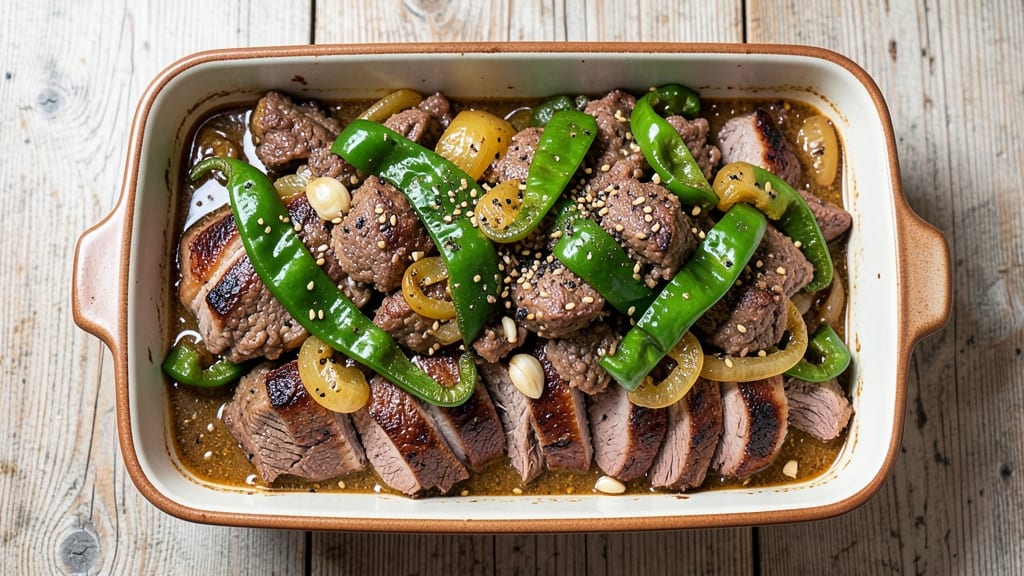
This beef and green pepper casserole recipe delivers the ultimate comfort food experience with tender beef, crisp-tender peppers, and a golden, cheesy topping that's impossible to resist. 🔥 The secret lies in slow-cooking the beef until fork-tender while developing deep, savory flavors that pair perfectly with the vibrant green peppers and rich cheese sauce. This one-dish wonder transforms simple ingredients into a restaurant-quality meal that's perfect for family dinners or potlucks.
The beauty of this recipe is its simplicity—just a few key ingredients come together in one baking dish, making it ideal for busy weeknights. You'll start by browning the beef for maximum flavor, then sautéing the green peppers until they're just tender.
The assembly is straightforward: layer the beef and peppers with a creamy cheese sauce, then top it with a crispy breadcrumb mixture that adds texture and crunch. The result is a dish that's hearty, satisfying, and packed with flavor in every bite.
What makes this casserole truly special is the contrast of textures and flavors: tender beef, crisp peppers, creamy cheese sauce, and a crispy, golden topping. The dish bakes up with a perfect balance of richness and freshness, making it a crowd-pleaser that disappears quickly.
Serve it with a side of steamed vegetables or a simple green salad to round out the meal, or enjoy it on its own as a hearty main dish.
The best part? This recipe is incredibly versatile. You can easily swap in other vegetables like onions or mushrooms, or adjust the cheese blend to suit your preferences.
Whether you're feeding a family of four or a crowd of hungry guests, this beef and green pepper casserole is a foolproof choice that delivers comfort and satisfaction in every bite. Let's get started on creating this comforting classic!
Ingredients for beef and green pepper casserole
Here's everything you need to create this cheesy, crisp-topped beef casserole that's pure comfort in one dish.
| Ingredient | Amount | Notes |
|---|---|---|
| Chuck Roast 🥩 | 1 ½ lb | Pre-cut into 1-inch cubes |
| Green Bell Peppers 🧅 | 3 whole | Large, sliced into strips |
| Yellow Onion 🧅 | 1 whole | Medium, diced small |
| Garlic Cloves 🧄 | 4 cloves | Minced for maximum flavor |
| All-Purpose Flour 🌾 | 2 tbsp | For thickening sauce |
| Beef Broth 💧 | 2 cups | Low-sodium preferred |
| Heavy Cream 🥛 | 1 cup | Full-fat for richness |
| Sharp Cheddar Cheese 🧀 | 1 ½ cups | Shredded, block preferred |
| Milk 🥛 | ½ cup | Whole milk for creaminess |
| Dried Thyme 🌿 | 1 tsp | Or 1 tbsp fresh thyme |
| Salt 🧂 | 1 ½ tsp | Kosher or sea salt |
| Black Pepper 🌶️ | ½ tsp | Freshly ground preferred |
| Breadcrumbs 🍞 | 1 cup | Panko for extra crunch |
| Mozzarella Cheese 🧀 | ½ cup | Shredded, part-skim works |
| Butter 🧈 | 2 tbsp | Unsalted, melted for topping |
The chuck roast is your secret weapon—it stays tender while developing deep flavor. Look for well-marbled cuts at Costco or Whole Foods for the best texture. Pre-cubed beef saves time, but if you're buying a whole roast, ask the butcher to cut it into 1-inch pieces. The green bell peppers should be vibrant and firm—Trader Joe's usually carries the sweetest ones. For extra crunch, skip the pre-sliced peppers and chop them yourself right before cooking. The onions? Yellow or red both work, but yellow adds a touch more sweetness that balances the beef.
No chuck roast? Sirloin or flank steak works in a pinch, but slice it thin first. Swap bell peppers for zucchini or mushrooms if you're feeling adventurous. The dried thyme can be substituted with 1 tbsp fresh thyme, but don't skip it—it's what ties all the flavors together. For the cheese sauce, low-fat cheddar won't melt as smoothly, so stick with full-fat if you can. If you're watching calories, use half-and-half instead of heavy cream—it still tastes rich. The breadcrumbs? Panko makes it crispier, but regular breadcrumbs work too if that's what you've got.
This casserole tastes even better the next day—make extra for leftovers. Store covered in the fridge for 4-5 days or freeze portions for up to 3 months. I like to reheat it in the oven at 350°F until bubbly—5-10 minutes usually does the trick. For a crispier topping, broil for 2-3 minutes at the end. The cheese sauce thickens as it cools, so if it seems too thick when you first mix it, add a splash of milk before assembling. Trust me, it's worth the extra minute of prep.
Why You'll Love This Recipe
- One-Pan Magic: That chuck roast practically cooks itself while the peppers caramelize—no flipping, no fuss. Honestly, I just dump everything in one pan, cover it, and walk away. The flour thickens the sauce just enough to make it feel like a meal, not a chore.
- Garlic-Pepper Bomb: Between the deep, slow-cooked beef and the bright crunch of those roasted peppers, every bite tastes like a hug. The garlic cloves sizzle into oblivion, leaving behind that sweet, nutty aroma that makes the whole kitchen smell like Sunday dinner.
- Leftovers for Days: This casserole actually improves the next day—yes, really. The flavors meld, the beef gets even more tender, and I’ve reheated portions for lunch all week without getting tired of it. (My kids don’t even notice it’s the same dish.)
- Budget Hero: A chuck roast stretches forever, and bell peppers are cheap as dirt when they’re on sale. I’ve fed six people for under $15, and the leftovers? Free meals for the next two days. Not the prettiest, but the taste makes up for it every time.
Step-by-step instructions for beef and green pepper casserole
This hearty casserole delivers restaurant-quality comfort with minimal effort.
🍳 Step 1: Brown the Chuck Roast and Sauté Vegetables
Heat a large oven-safe skillet over medium-high heat and add the 1.5 lb chuck roast cubes. Sear undisturbed for 3-4 minutes per side until deeply browned—this builds incredible flavor. Remove the beef and set aside.
In the same skillet, add 2 tbsp butter and melt over medium heat. Toss in the diced yellow onion and minced garlic cloves, cooking for 2 minutes until fragrant. Add the stripped green bell peppers and cook for another 5 minutes until they soften slightly but still retain their vibrant color.
👨🍳 Step 2: Create the Creamy Sauce Base
Sprinkle the 2 tbsp all-purpose flour over the vegetables, stirring constantly for 1 minute to cook off the raw flour taste. Gradually whisk in the 2 cups beef broth and 0.5 cup milk, stirring until smooth. Add the 1 cup heavy cream, 1 tsp dried thyme, 1.5 tsp salt, and 0.5 tsp black pepper.
Return the browned chuck roast to the skillet and bring everything to a gentle simmer. Let it cook uncovered for 10 minutes until the sauce thickens slightly and the beef is tender when pierced with a fork. Here's the thing—don't rush this step. The longer the beef simmers, the more flavorful it becomes.
🥘 Step 3: Assemble the Cheesy Topping
In a small bowl, combine the 1.5 cups sharp cheddar cheese and 0.5 cup mozzarella cheese. Spread this cheese mixture evenly over the beef and vegetable mixture in the skillet. Sprinkle the 1 cup breadcrumbs on top, pressing down gently with the back of a spoon to create an even, crispy crust.
Real talk: this topping is what makes this casserole special. The breadcrumbs create that perfect golden-brown crust while the cheeses melt into a gooey, flavorful blanket over the beef. Don't skip this layer—it's the difference between good and amazing.
🔥 Step 4: Bake to Golden Perfection
Transfer the skillet to a 375°F preheated oven and bake uncovered for 25-30 minutes until the breadcrumb topping is deep golden brown and bubbly. The cheese should be melted and slightly browned on top, with the edges crisping beautifully.
Watch carefully during the last 5 minutes of baking—this is when the topping transforms from pale to that gorgeous golden color. If it starts to brown too quickly, tent loosely with foil to prevent burning while still allowing it to crisp.
⏰ Step 5: Rest and Serve Warm
Remove the casserole from the oven and let it rest for 5-10 minutes before serving. This resting time allows the cheese to set slightly and makes it easier to serve without a messy slide. The internal temperature should reach 165°F at its hottest point.
Serve directly from the skillet for that perfect combination of crispy topping and creamy filling. Each bite delivers tender beef, sweet peppers, and that irresistible cheesy crunch. Leftovers reheat beautifully—just cover with foil and warm in the oven for 10-15 minutes until bubbly.
Pro Tips For Making Beef And Green Pepper Casserole
- Sear the Chuck Roast First: I learned this the hard way—skipping the sear means bland, gray beef. Pat the roast very dry, then hit it with a hot pan (no oil needed) until deep brown forms. That crust locks in flavor and keeps the meat juicy when it slows down later.
- Cut Peppers Like a Pro: Thin strips, not chunks. My first few batches looked messy, but slicing green peppers into ¼-inch strips ensures even cooking and a better texture. Plus, they’ll caramelize faster—no more mushy bits at the bottom.
- Deglaze with Beer or Broth: After browning the onions and garlic, don’t just add water. Splash in ½ cup of beer (or beef broth) to scrape up all those fond bits. It adds depth without extra effort—just let it simmer for 2 minutes.
- Use a Mix of Flours: All-purpose works, but swap 2 tablespoons for cornstarch or arrowroot. It thickens the sauce faster and keeps it glossy, not gummy. Stir it into the cold butter first to avoid lumps—trust me, it’s worth the extra 30 seconds.
Regional styles of these flavors
Classic American Comfort
This beef and green pepper casserole has its roots in mid-century American home cooking, where one-pot meals became a staple for busy families. The combination of tender beef, sweet peppers, and rich cheese sauce reflects the hearty, comforting style that defines classic American casseroles.
I remember my grandmother making similar dishes on Sunday afternoons—they were always the centerpiece of our family gatherings. The breadcrumb topping became a signature element in many regional variations, adding that perfect textural contrast. 🥘
Southern U.S. Twist
In Southern states, this dish often incorporates extra spices like smoked paprika or cayenne for a subtle kick. I've seen versions in Alabama and Georgia where cooks add a dash of hot sauce to the cheese sauce or sprinkle crushed red pepper flakes on top before baking.
The Southern approach also tends to use more cream—sometimes substituting half-and-half for heavy cream—to create an even richer sauce. For an authentic Southern touch, try adding 1 tsp smoked paprika to the flour mixture when thickening the sauce.
Midwestern Heartland Style
The Midwestern version often features a thicker, more substantial cheese sauce that almost resembles a pot pie filling. This style gained popularity in states like Ohio and Indiana where Dutch and German influences created heartier casseroles.
I've noticed Midwestern cooks often use a combination of cheddar and gouda for a deeper, nuttier flavor profile. They also frequently add diced potatoes to the beef mixture for extra heartiness. For a Midwestern-inspired twist, mix 1 cup diced potatoes with the beef and peppers before baking.
Western Ranch Adaptation
Out West, particularly in ranch-style communities, this casserole often incorporates additional vegetables like corn or black beans for a Southwestern flair. The California and Arizona versions I've tried frequently use green chiles or jalapeños for heat, along with spices like cumin and oregano.
Ranch-style adaptations also tend to use more mozzarella in the topping for extra stretchiness. For a Western ranch version, stir 1 cup corn kernels and ½ cup diced jalapeños into the beef mixture before assembling.
Canadian-Inspired Variation
Our neighbors to the north take this casserole and add a Canadian twist by incorporating maple syrup into the cheese sauce for subtle sweetness. Canadian versions also often use a mix of cheddar and mozzarella with a sprinkling of crushed butterscotch chips on top before baking.
The Canadian approach also tends to use more beef broth—sometimes substituting half with chicken broth—for a lighter flavor profile. For a Canadian-inspired version, add 1 tbsp maple syrup to the cheese sauce and top with ¼ cup butterscotch chips before baking.
Modern Fusion Approach
For a contemporary take, I've experimented with adding Asian-inspired elements like ginger and sesame oil to the sauce base. The fusion version often includes sliced water chestnuts or bell peppers in different colors for visual appeal.
I've also seen cooks add a drizzle of sriracha or gochujang to the cheese sauce for a spicy kick. For a modern fusion twist, stir 1 tsp grated ginger and 1 tsp sesame oil into the sauce, then top with sliced green onions and sesame seeds before baking. 🌟
Nutrition facts
Frequently asked questions
Can I use ground beef instead of chuck roast?
Yes, but you'll need to adjust cooking times. Use 1 lb ground beef (80/20 fat ratio) and brown it thoroughly in the skillet. Since ground beef cooks faster, reduce the simmering time to 5-7 minutes after adding the sauce to prevent drying out. The texture will be slightly different but still delicious!
Why does my casserole topping get soggy?
This usually happens when moisture builds up during baking. To prevent soggy breadcrumbs, pat the beef mixture dry before assembling, and consider adding an extra 1 tbsp melted butter to the breadcrumb mixture. Also, bake at 375°F for the full 25-30 minutes - don't rush it!
What's the best way to reheat leftovers?
For perfect reheating, cover the casserole with foil and warm in a 350°F oven for 15-20 minutes until bubbly. If using the microwave, cover with a damp paper towel and heat in 30-second intervals on medium power, stirring between each interval. The goal is to restore the crispy topping!
Can I make this casserole ahead of time?
Assemble the casserole up to 24 hours ahead and refrigerate uncovered. When ready to bake, add 10-15 minutes to your baking time (about 40-45 minutes total) to account for the cold start. The flavors actually improve overnight!
What vegetables can I substitute for green peppers?
Try zucchini, mushrooms, or even broccoli for variety. For a Southern twist, add diced tomatoes or corn kernels. If using watery vegetables like zucchini, drain them well after cooking to prevent a watery casserole. The key is maintaining a good texture contrast!