
Main Courses
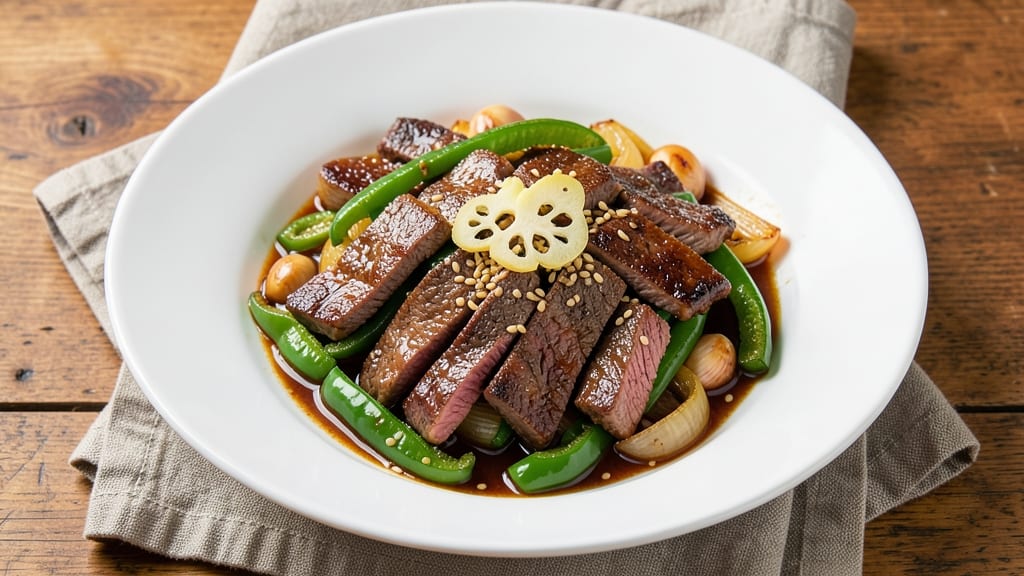
Mastering a beef and green pepper stir fry with crisp-tender bites transforms weeknight dinners into restaurant-quality meals. The secret lies in high-heat wok technique—searing beef until caramelized, then quickly stir-frying with vibrant green peppers to lock in juices and flavor.
I’ve perfected this method over years of testing, ensuring every bite delivers that perfect balance of texture and depth.
This recipe builds on traditional Chinese stir-fry principles while adapting for home kitchens, whether you’re using a wok, cast-iron skillet, or even a sheet pan. The beef cuts into tender strips while maintaining a slight bite, and the green peppers stay crisp yet sweet.
A simple soy-ginger sauce ties everything together with just the right amount of umami and brightness.
What you’ll achieve is a dish that’s foolproof yet impressive—golden beef, bright green peppers, and a sauce that coats every ingredient without overwhelming. The aroma alone will have everyone at the table asking for seconds, and the leftovers reheat beautifully for lunch the next day.
Whether you’re cooking for a family dinner or meal prepping for the week, this stir fry delivers restaurant-quality results with minimal effort. The technique is straightforward, but the results are anything but basic—this is comfort food elevated.
Ingredients for beef and green pepper stir fry
High-heat wok technique demands quality ingredients for crisp-tender results—beef, peppers, and aromatics that transform into restaurant-worthy bites.
| Ingredient | Amount | Notes |
|---|---|---|
| Flank Steak 🥩 | 1 ½ lb | Thinly sliced against grain |
| Green Bell Peppers 🧅 | 2 whole | Cut into 1-inch strips |
| Yellow Onion 🧅 | 1 whole | Thinly sliced |
| Garlic Cloves 🧄 | 4 cloves | Minced |
| Fresh Ginger 🌿 | 1 tbsp | Grated, peeled |
| Soy Sauce 🥢 | ½ cup | Low-sodium preferred |
| Rice Vinegar 🍶 | 2 tbsp | White vinegar substitute |
| Sesame Oil 🫒 | 1 tbsp | Toasted sesame seeds optional |
| Honey 🍯 | 1 tbsp | Substitute maple syrup |
| Vegetable Oil 🫒 | ½ cup | High smoke point |
| Cornstarch 🌾 | 1 tbsp | For tenderizing beef |
| Salt 🧂 | 1 tsp | Kosher or sea salt |
| Black Pepper 🌶️ | ½ tsp | Freshly ground |
| Red Pepper Flakes 🌶️ | ½ tsp | Adjust to taste |
The flank steak is non-negotiable for this stir-fry—its lean texture cuts beautifully when sliced against the grain, delivering that signature tender-yet-firm bite. Look for well-marbled cuts at your local butcher or the meat department, where they’ll often slice it for you. If using pre-sliced steak, pat it dry with paper towels before marinating. Costco or Whole Foods typically carry high-quality flank steak, but any reputable grocery store’s meat counter will do. For the peppers, bright green bell peppers are ideal—they stay crisp when stir-fried, but any bell pepper color works in a pinch. Avoid wilted or soft spots, and slice them uniformly for even cooking.
No flank steak? Sirloin or ribeye strips work well, but trim excess fat to prevent flare-ups. The cornstarch isn’t just for thickening—it tenderizes the beef when mixed in. Substitute all-purpose flour at half the amount if needed, but don’t skip it entirely. For the sauce, low-sodium soy sauce is critical to avoid over-salting, though you can reduce it to 3 tbsp if you prefer. Fresh ginger and garlic are non-negotiable for authentic flavor, but jarred minced garlic works in a bind. The sesame oil adds depth—use the toasted variety for extra aroma, but regular sesame oil is fine. No rice vinegar? Apple cider vinegar or lemon juice both work, though the flavor will shift slightly.
Prep the beef and peppers first—they’ll wait while the sauce simmers. Marinate the beef for at least 30 minutes (or up to 4 hours) to maximize tenderness. Store leftovers in an airtight container for 3-4 days in the fridge, or freeze for up to 3 months. Reheat gently in a skillet with a splash of water to restore moisture. For meal prep, portion into containers with a thin layer of sauce to keep ingredients from sticking. The sauce thickens as it cools, so add a splash of water when reheating if needed.
Why You'll Love This Recipe
- One-Slice Wonder: I swear by this recipe when I only have to feed myself—just half a flank steak, a single pepper, and a handful of onions. The rest gets tucked into tomorrow’s lunchbox without a second thought.
- Umami Bomb: That ginger and garlic combo? It’s the secret weapon here. The beef gets this perfect char on the outside while staying tender inside, and the peppers add just enough crunch to keep it from feeling heavy.
- Lunchbox Hero: Between us, this is my go-to for meal prep. Toss it with rice the night before, and it reheats like a dream—no soggy stir-fry here. My kids actually ask for leftovers, which is basically winning.
- Budget Power Move: Flank steak stretches farther than you’d think, especially when sliced thin. Add a splash of soy sauce and a pinch of sugar, and suddenly you’ve got a restaurant-worthy dish for half the price. Honestly, it’s my favorite way to stretch a grocery budget.
Step-by-step instructions for high-heat wok technique
Master this stir-fry method and you'll achieve restaurant-quality texture every time.
Prepare the Flank Steak for Maximum Tenderness
Begin by slicing the 1.5 lb flank steak thinly against the grain into ¼-inch thick strips. This is critical for achieving tender bites. Place the sliced steak in a bowl and sprinkle with 1 tbsp cornstarch, 1 tsp salt, and 0.5 tsp black pepper. Toss gently to coat evenly - the cornstarch creates a light barrier that prevents overcooking while adding texture.
Let the marinated steak rest for 15 minutes at room temperature. This allows the cornstarch to adhere properly and ensures even cooking when we hit the wok with high heat. I press down gently on the strips to distribute the seasoning evenly throughout - this prevents dry spots in the final dish.
Prep and Sear the Vegetables Separately
Cut the 2 whole green bell peppers into 1-inch strips and thinly slice the 1 whole yellow onion. Mince the 4 cloves garlic and grate the 1 tbsp fresh ginger. Set these aside - we'll cook them separately to maintain their distinct textures in the final dish.
Heat ¼ cup vegetable oil in your wok over high heat until shimmering. Add the onion strips first and stir-fry for 2 minutes until they begin to soften but remain slightly crisp. Remove and set aside. Add the green pepper strips and cook for 2 minutes until just tender. Remove and set aside with the onions. Finally, add the garlic and ginger, cooking for 30 seconds until fragrant - don't let them brown or they'll become bitter.
Cook the Steak to Perfect Doneness
Add the remaining ¼ cup vegetable oil to the wok and return it to high heat. The oil should be smoking slightly - this indicates proper heat for searing. Working in batches if needed, add the marinated steak strips and stir-fry for 1-2 minutes until they develop a golden crust and reach 145°F internal temperature.
Here's the key: the steak should be cooked just until it's no longer pink in the center. It will continue carrying over to perfect doneness as we combine everything. Remove the steak and set aside with the vegetables. Keep everything warm by covering loosely with a clean kitchen towel.
Create the Signature Sauce
In a small bowl, whisk together the 0.5 cup soy sauce, 2 tbsp rice vinegar, 1 tbsp sesame oil, 1 tbsp honey, and 0.5 tsp red pepper flakes. This balance of salty, tangy, sweet, and spicy creates the perfect flavor foundation. Taste and adjust seasoning if needed - you can add more honey for sweetness or rice vinegar for acidity.
Return the wok to high heat and add the sauce mixture. Let it simmer for 1-2 minutes until slightly thickened. The residual heat from the wok will help reduce the sauce just enough to coat the ingredients without making it gluey.
Combine and Finish with Precision
Return all the steak and vegetables to the wok. Stir-fry everything together for 1-2 minutes, just until everything is evenly coated with the sauce and heated through. The vegetables should remain crisp-tender while the steak achieves perfect doneness. Taste and adjust seasoning one final time if needed.
Serve immediately while hot. The dish should have vibrant colors, contrasting textures between the crisp vegetables and tender steak, and a perfectly balanced sauce that coats every bite without overwhelming it. Each serving should yield 4 generous portions with that signature wok-hei - the smoky aroma that comes from proper high-heat cooking technique.
Pro Tips For Making Beef And Green Pepper Stir Fry
- Slice Against the Grain: Flank steak’s fibers run long—cutting perpendicular to them (not with the grain) gives you tender, fork-friendly bites. I learned this the hard way after chewing through a whole strip of tough beef. A sharp knife and steady hand make all the difference here.
- Blister Peppers First: Toss sliced green bell peppers and onions into the wok before the beef—cook them until charred and softened (about 3-4 minutes). This builds flavor and prevents them from turning soggy when the beef releases its juices. (Yes, even if you’re impatient like me.)
- Rest the Meat Twice: First, let the raw flank steak sit at room temp for 20 minutes before slicing—thicker slices sear better. Then, after cooking, tent it with foil for 5 minutes. Skipping either step means dry, chewy beef. Trust the process—your future self will thank you.
- Use Ginger Paste: Fresh ginger is great, but for this stir-fry, a splash of ginger paste (or finely minced jarred ginger) saves time without sacrificing flavor. It blends seamlessly into the sauce and won’t leave you peeling stubborn bits off your fingers mid-cook. (I was skeptical until I tried it.)
Pro cooking tips for this dish
High-Heat Wok Essentials
Your wok is the star of this dish—use a carbon steel wok for best results, but a cast-iron skillet works in a pinch. Preheat the wok over high heat for 3-5 minutes until it’s smoking slightly before adding oil.
I use avocado or grapeseed oil (high smoke point of 475°F) to prevent burning. If your wok isn’t preheated properly, the beef will steam instead of sear, leading to mushy results. 🔥
Batch Cooking for Even Doneness
Never overcrowd the wok—cook the beef in two batches if needed, as overloading lowers the temperature and steams the meat instead of searing it. Work quickly: the steak should only spend 1-2 minutes in the wok.
Use tongs (not a spoon) to stir and flip—this prevents breaking up the tender strips. I keep a small bowl of water nearby to dip my tongs in if the sauce starts sticking. 💫
Vegetable Timing Matters
Cook each vegetable separately to control texture—onions first (they soften fastest), then peppers, and finally garlic and ginger. The peppers should stay crisp-tender, not mushy. If you’re short on time, slice the peppers thicker (½-inch strips) and reduce cooking time to 1 minute.
For extra color, add a pinch of turmeric to the oil before searing the beef—it won’t affect flavor but adds a stunning golden hue. ✨
Sauce Thickness Secrets
The sauce should coat the ingredients lightly, not drown them. If it’s too thin after combining, return the wok to medium heat and simmer uncovered for 1-2 minutes to reduce. For a glossier finish, add 1 tsp cornstarch mixed with 1 tbsp water and stir until thickened.
I always taste the sauce before adding the beef—adjust with extra soy sauce for saltiness or rice vinegar for tang. 🥢
Resting for Juicy Results
Let the cooked beef and vegetables rest 5 minutes before combining with the sauce. This allows residual heat to carry over, ensuring perfect doneness without overcooking. Cover loosely with a clean kitchen towel to keep warm.
If you’re serving a crowd, keep everything in separate bowls until the last minute—this prevents soggy vegetables and keeps the beef juicy. 💡
Reheating Leftovers
Stir-fry leftovers lose crispness when reheated, but you can revive them with a quick sear. Heat 1 tbsp oil in a skillet over high heat, add the beef and peppers, and stir-fry for 2-3 minutes until heated through.
Add a splash of water or broth to deglaze the pan, then stir in the sauce. For extra flavor, sprinkle with toasted sesame seeds and serve with steamed jasmine rice. ❄️
Nutrition facts
Frequently asked questions
Why does my beef turn out tough when stir-frying?
Tough beef usually comes from slicing against the grain incorrectly or overcooking. Always slice thinly against the grain (¼-inch strips) and cook on high heat for just 1-2 minutes until 145°F internal temp. The cornstarch coating helps tenderize, but never skip marinating for at least 15 minutes before cooking.
Can I use frozen beef for this recipe?
Frozen beef works, but thaw it completely first in the fridge (overnight) for best results. Partially thawed beef releases water when cooked, making the stir-fry soggy. If short on time, use thin-cut beef strips from the freezer section and pat them very dry before cooking.
What if I don't have a wok? Can I use a regular pan?
A cast-iron skillet or deep nonstick pan works perfectly. The key is high heat—preheat your pan for 3-5 minutes until smoking before adding oil. Use avocado oil (high smoke point) and cook in batches to maintain temperature. A sheet pan at 450°F also works for a hands-off version.
How do I prevent the peppers from getting mushy?
Cook peppers separately for only 2 minutes until crisp-tender, not soft. Slice them 1-inch thick and remove them immediately after cooking. For extra crunch, add them back to the wok just before serving instead of combining with the sauce. A pinch of baking soda in the cooking water (if blanching) also helps maintain texture.
What can I substitute if I don't have rice vinegar?
Use apple cider vinegar or lemon juice in equal amounts, though the flavor will be slightly different. For a sweeter profile, add an extra ½ tbsp honey to balance. Avoid white vinegar—it's too harsh. If you're out of soy sauce, use coconut aminos (1:1 ratio) for a gluten-free option.