
Breakfast & Brunch
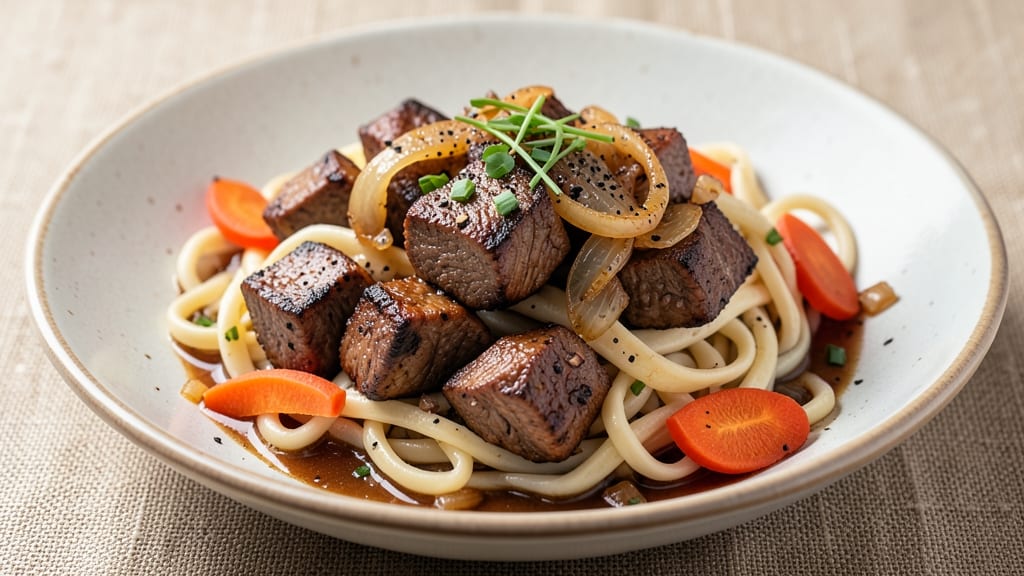
This beef and homemade egg noodles recipe delivers restaurant-quality comfort in every bite, with tender beef braised in savory broth and hand-pulled noodles that melt in your mouth. The secret lies in slow-cooking the beef until fork-tender while building rich, aromatic flavors that transform simple ingredients into something extraordinary.
I developed this dish after years of perfecting both the noodle-making process and the braising technique—now you can achieve the same results at home without shortcuts.
The homemade egg noodles are the star here, made with just four ingredients but requiring a little elbow grease for that perfect al dente texture.
What sets this recipe apart is the braising method: searing the beef first creates deep flavor, while the slow simmer in aromatic broth keeps it incredibly tender.
The result is a dish that's hearty enough for a family dinner but elegant enough for special occasions—all while being completely customizable to your taste preferences.
By the time you're done, you'll have a steaming bowl of perfectly braised beef swimming in flavorful broth, paired with those delicate, hand-pulled noodles that soak up every last drop. The combination of textures—tender beef, silky noodles, and rich sauce—makes this one of those recipes you'll want to make repeatedly.
The best part? Every component comes together in one pot, minimizing cleanup while maximizing flavor.
Whether you're serving this for a weekend brunch or a cozy weeknight dinner, the homemade element transforms it from ordinary to extraordinary. The technique is approachable enough for beginners but impressive enough for seasoned cooks—just follow the steps carefully, and you'll achieve professional-quality results.
Let's get started on creating this comforting classic that tastes like home.
Ingredients for beef and homemade egg noodles
Fourteen ingredients transform into a restaurant-quality beef and noodle masterpiece.
| Ingredient | Amount | Notes |
|---|---|---|
| Beef Chuck Roast 🥩 | 1 ½ lb | Cut into 1.5-inch cubes |
| All-Purpose Flour 🌾 | 2 cups | For homemade noodles |
| Large Eggs 🥚 | 4 whole | Room temperature preferred |
| Salt 🧂 | 1 ½ tsp | Diamond Crystal preferred |
| Carrots 🥕 | 2 medium | Peeled, cut into chunks |
| Yellow Onion 🧅 | 1 whole | Diced into small pieces |
| Garlic Cloves 🧄 | 4 cloves | Minced for aromatic base |
| Beef Broth 💧 | 4 cups | Homemade or high-quality store-bought |
| Tomato Paste 🍅 | 2 tbsp | Squeeze tube preferred |
| Dried Thyme 🌿 | 1 tsp | Or 1 tbsp fresh thyme |
| Black Peppercorns 🌶️ | ½ tsp | Freshly cracked preferred |
| Olive Oil 🫒 | ¼ cup | Extra-virgin for richness |
| Bay Leaves 🍃 | 2 whole | Removed before serving |
| Red Wine 🍷 | ½ cup | Dry red like Cabernet |
| Parsley 🌿 | ¼ cup | Chopped for garnish |
The beef is non-negotiable—chuck roast gives you that melt-in-your-mouth texture after braising. Look for well-marbled cuts at Whole Foods or your local butcher shop; the extra fat keeps it juicy. For the noodles, King Arthur flour works best, but any all-purpose will do. Eggs should be fresh from the fridge—room temperature makes rolling easier. The carrots and onion form the aromatic base, so don't skimp on the chopping—smaller pieces cook faster and blend into the broth beautifully.
No beef broth? Substitute with 4 cups water plus 2 beef bouillon cubes, but homemade tastes worlds better. Red wine optional, but dry Cabernet or Merlot adds depth—substitute with extra broth if you're avoiding alcohol. Fresh thyme is ideal, but dried works at one-third the amount. The tomato paste can be from a squeeze tube (Trader Joe's has great ones) or a can—just measure carefully. For the noodles, if you're short on flour, add 1 tbsp cornstarch for extra chew. The bay leaves? Remove them before serving—they're just for flavor.
Beef stays tender for 4 days in the fridge—portion into containers for easy reheating. The noodles are best made fresh, but you can freeze the dough for up to 3 months (thaw overnight). The braising liquid reduces beautifully, so make extra for leftovers—it's even better the next day. Store all components separately to keep the noodles from getting soggy. For a quick weeknight dinner, prep the beef and broth ahead, then cook the noodles fresh.
Why You'll Love This Recipe
- No-Fuss Noodles: I swear by this recipe because the dough comes together in five minutes—just flour, eggs, and salt. No kneading, no waiting, just roll it out while the beef slows down.
- Rich Beef Magic: That chuck roast turns fork-tender, and the carrots caramelize into sweet, earthy chunks. Honestly, the first bite makes me wonder why I ever bought pre-made noodles.
- Leftover Heaven: Between us, this dish begs for seconds—and thirds. The noodles reheat perfectly, and the beef only gets more flavorful over time. Packed lunches? Done.
- Budget Win: A single chuck roast feeds my family for days, and the noodles cost pennies. I’ll be real: this is my go-to when grocery money’s tight, but no one ever guesses it’s "cheap."
Step-by-step instructions for beef and homemade egg noodles
Here's how to create the perfect harmony of tender beef and rich egg noodles from scratch.
Prepare the Beef and Build the Aromatic Base
Cut the 1.5 lb Beef Chuck Roast into 1.5-inch cubes and pat them dry with paper towels. This helps achieve a better sear later. Heat 0.25 cup Olive Oil in a large Dutch oven over medium-high heat until shimmering. Working in batches, brown the beef cubes for 2-3 minutes per side until they develop a deep golden crust. Remove them and set aside.
In the same pot, add the diced Yellow Onion and cook for 3 minutes until softened. Add the minced Garlic Cloves and cook for 30 seconds until fragrant. Stir in the 2 tbsp Tomato Paste and cook for 1 minute to deepen its flavor. This aromatic base will infuse the entire dish with rich, savory notes.
Craft the Homemade Egg Noodles
In a large mixing bowl, combine the 2 cups All-Purpose Flour and 1.5 tsp Salt. Make a well in the center and add the 4 whole Large Eggs. Using a fork, gradually incorporate the eggs into the flour until a shaggy dough forms. Knead the dough on a lightly floured surface for 8-10 minutes until smooth and elastic. Wrap it in plastic wrap and rest for 30 minutes at room temperature.
Roll the rested dough through a pasta machine set to the widest setting, then fold it in thirds like a letter. Repeat this process 3-4 times to develop the gluten. Gradually reduce the thickness through progressively narrower settings until you reach your desired noodle width. Cut the noodles into 2-inch lengths and set aside.
Braise the Beef in Rich Broth
Return the browned beef to the Dutch oven and add the 2 medium Carrots cut into chunks, 1 tsp Dried Thyme, 0.5 tsp Black Peppercorns, 2 whole Bay Leaves, and 0.5 cup Red Wine. Stir to combine, then pour in the 4 cups Beef Broth. Bring to a simmer, then reduce heat to low and cover. Let the beef braise for 1.5 hours until fork-tender.
While the beef braises, cook the homemade egg noodles in a separate pot of boiling salted water for 2-3 minutes less than package directions for al dente texture. Reserve 1 cup of pasta water before draining. This starchy water will help create a silky sauce when combined with the braising liquid.
Finish and Assemble the Noodle Bowl
Remove the beef from the braising liquid and strain the broth through a fine-mesh sieve to remove any solids. Return the strained broth to the pot and simmer until slightly thickened. Add the cooked noodles to the broth along with 1 cup of the reserved pasta water and stir gently to combine. The noodles should be coated in a rich, flavorful sauce.
Divide the noodles and beef among 4 bowls, ladling some of the braising liquid over each serving. Garnish with 0.25 cup chopped Parsley just before serving. The result is a comforting bowl where each bite delivers perfectly tender beef, delicate egg noodles, and a deeply flavorful broth that ties everything together.
Pro Tips For Making Beef And Homemade Egg Noodles
- Sear the Chuck First: Before slow-cooking, hit that beef chuck with a 3-minute sear in a screaming-hot pan—no oil needed, just the fat rendering. I learned this the hard way when my first batch turned out bland; that crust locks in flavor and keeps the meat juicy.
- Cut Carrots Thin: Slice those carrots into ¼-inch sticks, not coins. Thinner pieces soften faster and actually absorb the beef’s rich sauce instead of sitting like rubbery afterthoughts. (And yes, I’ve burned dinner waiting for thick chunks to cook.)
- Rest the Dough: After kneading your egg noodle dough, let it sit covered for 20 minutes before rolling. The gluten relaxes, so you won’t end up with chewy, uneven noodles—or worse, a dough that sticks to everything like glue.
- Use Cold Water for Dough: Mix your flour and eggs with ice water (start with ½ cup) instead of room temp. The cold slows gluten development, giving you time to shape the dough without it turning gummy. I was skeptical until I tried it—now I never go back.
Essential equipment for this recipe
Dutch Oven Essentials
A heavy-gauge Dutch oven like the Le Creuset 5.5-quart is my go-to for this recipe—it distributes heat evenly and handles the braising process beautifully. The deep sides prevent spills while building the rich beef sauce.
If you're on a budget, the Lodge Pre-Seasoned Cast Iron Dutch Oven works just as well and develops a natural nonstick surface over time. 🔥
Pasta Machine Must-Haves
For homemade egg noodles, a pasta machine makes all the difference. I recommend the Marcato Atlas 150 for its durability and consistent thickness settings. If you're just starting out, the Imperia Atlas 85 offers great performance at a lower price.
For hand-rolling purists, a wooden rolling pin and a sharp pasta cutter will work, but expect more elbow grease. The key is gradual thickness reduction—don't rush through the settings!
Precision Measuring Tools
Accurate measurements are critical for both the beef braise and noodle dough. A digital kitchen scale like the OXO Good Grips ensures precise flour and beef measurements, while a stainless steel measuring cup set from Farberware gives consistent liquid volumes.
For the noodles, I use a bench scraper to divide the dough evenly—this prevents uneven thickness when rolling. Don't skip the fine-mesh strainer either; it removes all solids from the braising liquid for a silky sauce. ✨
Heat Control Accessories
Temperature control is everything when braising beef. A thermometer probe like the Meater Plus lets you monitor both the beef's internal temperature and the broth's simmer. For stovetop precision, I use silicon pot holders to handle the Dutch oven safely.
If you're using a stovetop with uneven heat zones, a diffuser disc spreads heat more evenly across the bottom of your pot. Pro tip: Keep a small ladle nearby to skim any foam that rises during the braising process.
Noodle Handling Gear
After rolling, you'll need tools to prevent sticking. A lightly floured bamboo mat provides the perfect surface for cutting noodles, while a sharp chef's knife ensures clean breaks. For storage, I keep quart-sized glass containers with tight-sealing lids to preserve freshness.
If you're making noodles ahead, a plastic wrap barrier between layers prevents them from sticking together. And trust me—tongs are better than forks for transferring cooked noodles to your bowl!
Nutrition facts
Frequently asked questions
Can I use store-bought egg noodles instead of homemade?
The recipe is designed for homemade noodles to achieve that perfect al dente texture and rich egg flavor, but you can substitute with fresh egg noodles from the grocery store. For best results, use thin egg noodles (about 1/8-inch thick) and cook them for 2-3 minutes less than package instructions to prevent overcooking. Avoid dried egg noodles—they're too dense and won't absorb the braising liquid as well.
What cut of beef works best for this recipe?
Chuck roast is ideal because it stays tender when braised, but you can also use chuck eye roast or short ribs for extra richness. Avoid lean cuts like sirloin—they'll dry out. If using short ribs, increase braising time to 2 hours and reduce broth by 1 cup since they release more liquid. For a quicker version, try flank steak sliced thinly and braised for 45 minutes.
How do I prevent the noodles from sticking together?
After cutting the noodles, toss them with 1 teaspoon olive oil or 1 tablespoon cornstarch to create a light barrier. Store them in a single layer on a floured baking sheet until ready to cook. If making ahead, freeze them on a tray first, then transfer to a bag—this prevents clumping. When cooking, stir them gently in the pot and add a splash of pasta water if they stick. Never overcrowd the pot!
Can I make this dish in a slow cooker?
Yes! Brown the beef first, then transfer everything (including the seared vegetables) to a 6-quart slow cooker. Add the broth and simmer on low for 6-8 hours or high for 3-4 hours. The noodles should be cooked separately and added just before serving to avoid becoming mushy. For extra flavor, add 1/2 cup red wine with the broth. The slow cooker method works especially well for meal prep—just store components separately.
Why does my beef turn out tough instead of tender?
Tough beef usually means one of three things: not enough braising time, too high heat, or not enough fat/marbled meat. Always use a meat thermometer—beef should reach 195°F internally. Keep the heat at a gentle simmer (small bubbles, not rolling boil). For extra tenderness, add 1/2 cup tomato paste or 1/4 cup soy sauce to the braising liquid. If using lean beef, add 1 tablespoon butter to the pot during braising.