
Soups & Stews
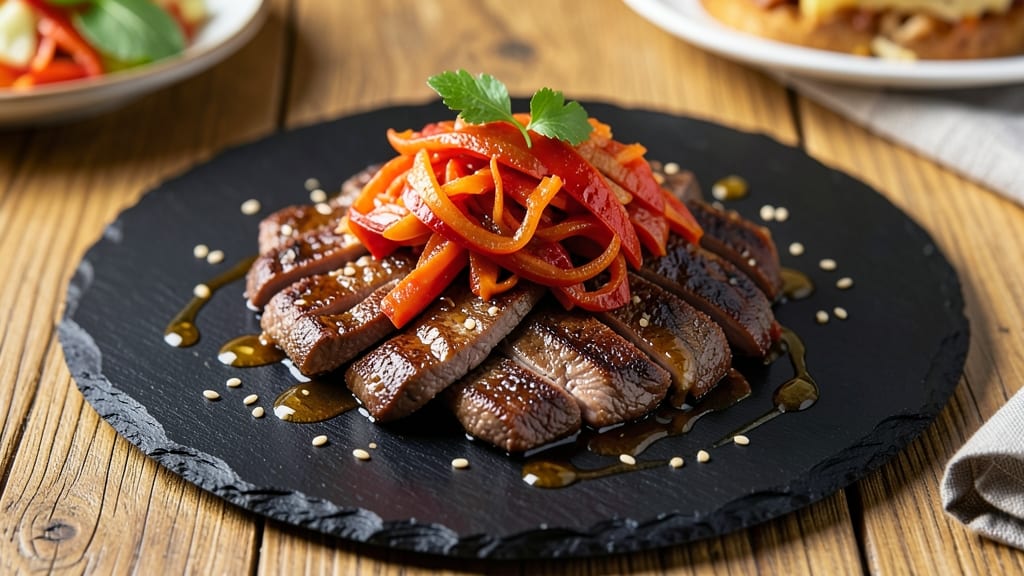
This beef and kimchi recipe transforms simple ingredients into a bold, flavor-packed stir-fry that balances heat, sweetness, and umami in every bite. The secret lies in properly prepping the beef—thinly sliced, marinated, and seared to perfection—while letting the kimchi's tangy crunch shine. I developed this version after years of testing, ensuring the sauce clings to the beef without overpowering its natural richness.
The process is straightforward but rewarding: quick-sear the beef for texture, then simmer with kimchi until the flavors meld into a harmonious, slightly sticky sauce. Ready in under 30 minutes, this dish delivers restaurant-quality results with minimal effort—ideal for weeknight dinners or meal prep.
The key is balancing the kimchi's acidity with a touch of sweetness (honey or sugar) to round out the heat.
What you'll end up with is tender beef bathed in a glossy, savory-sweet sauce, where every bite offers a mix of crispy kimchi, caramelized edges, and melt-in-your-mouth beef. Serve it over steamed rice to soak up every last drop, or pair with pickled radishes for a classic Korean touch.
The aroma alone will have everyone at the table asking for seconds.
This recipe also works beautifully as a taco filling, bowl topping, or even a sandwich spread—its versatility makes it a staple for any pantry. The techniques here (proper beef slicing, sauce reduction) ensure foolproof results, whether you're cooking for two or feeding a crowd. Let's get started!
Ingredients for beef and kimchi
Thinly sliced beef meets tangy kimchi in this bold, restaurant-style stir-fry—simple ingredients, maximum flavor.
| Ingredient | Amount | Notes |
|---|---|---|
| Flank Steak 🥩 | 1 ½ lb | Thinly sliced against grain |
| Kimchi 🥬 | 2 cups | High-quality, fermented |
| Soy Sauce 🍶 | ½ cup | Low-sodium preferred |
| Sesame Oil 🫒 | 1 tbsp | Toasted for aroma |
| Honey 🍯 | 2 tbsp | Wildflower or clover |
| Garlic Cloves 🧄 | 4 cloves | Minced for depth |
| Fresh Ginger 🌿 | 1 tbsp | Grated, peeled |
| Vegetable Oil 🫒 | 2 tbsp | High smoke point |
| White Rice Vinegar 🍶 | 1 tbsp | For acidity balance |
| Sesame Seeds 🌾 | 1 tbsp | Toasted for garnish |
| Green Onions 🧅 | 4 whole | Sliced, white parts only |
| Salt 🧂 | 1 tsp | Kosher or sea salt |
| Black Pepper 🌶️ | ½ tsp | Freshly ground |
| Steamed White Rice 🍚 | 2 cups | Cooked, for serving |
The beef choice matters here. Flank steak is ideal—lean but tender when sliced thinly against the grain. If you can't find it, sirloin or ribeye work too, but slice them extra thin. I grab mine from the butcher counter at Whole Foods or Costco—they usually have it pre-sliced for stir-fry. Look for good marbling, not too much fat. The kimchi should be bright red with visible veggies—none of that mushy, watery stuff. Korean Market or the Asian aisle at Trader Joe's have the best selections.
No sesame oil? Toasted peanut oil works in a pinch, though the flavor won't be identical. The honey balances the kimchi's acidity—avoid artificial sweeteners, they won't caramelize. Fresh ginger is best, but powdered works at half the amount. For extra umami, add 1 tbsp fish sauce (if not vegetarian). The green onions can be swapped for scallions, and if you're short on time, pre-minced garlic from a jar is fine—just drain it well. The rice? Jasmine or short-grain absorbs the sauce best.
Prep the beef last—it cooks fast. Keep it in the fridge until ready to sear. The kimchi releases liquid as it cooks, so don't overcrowd the pan. This reheats beautifully—store in an airtight container for up to 4 days or freeze for 3 months. Double the recipe? It keeps just as well. Garnish with extra sesame seeds for crunch—toast them in a dry pan for 30 seconds before sprinkling.
Why You'll Love This Recipe
- One-Pan Magic: I swear by this recipe when I’m too tired to wash dishes. Sear the flank steak in the same pan you’ll cook the kimchi—no extra pots, no stress. Just flip, simmer, and boom: dinner’s ready.
- Sweet-Savory Bomb: That honey-soy glaze caramelizing on the beef? It’s like a flavor explosion in your mouth. The kimchi’s tang cuts through the richness, and the sesame oil adds this nutty finish that makes every bite irresistible.
- Meal Prep Hero: Between us, this is my go-to for busy weeks. Cook a big batch, and it reheats like a dream—steak stays tender, kimchi keeps its crunch. Pack it for lunches or freeze portions for those nights when takeout feels too heavy.
- Budget Steakhouse Feel: Flank steak is affordable, and kimchi stretches it further than you’d think. A single pan of this feeds four for under $15, and the leftovers? Even better the next day. (Yes, even on a Tuesday night.)
Step-by-step instructions for beef and kimchi stir-fry
This method delivers perfectly tender beef with vibrant kimchi flavors and a glossy, balanced sauce.
Prep the Flank Steak for Maximum Tenderization
Slice the 1.5 lb flank steak thinly against the grain into ¼-inch thick strips. I use a sharp chef's knife and cut at a 45-degree angle for uniform thickness. Arrange the slices on a plate and season immediately with 1 tsp salt and 0.5 tsp black pepper, massaging the seasoning into the meat so it penetrates evenly.
Let the seasoned beef sit at room temperature for 15-20 minutes while you prepare the rest. This step ensures even cooking and prevents cold spots in the center. The flank steak should be completely relaxed and ready to sear quickly—don't skip this resting time or you'll end up with tough, unevenly cooked meat.
Build the Flavor Base with Aromatics and Sauce
Heat 2 tbsp vegetable oil in a large skillet or wok over medium-high heat until shimmering. Add the 4 cloves minced garlic and 1 tbsp grated fresh ginger, cooking for 30 seconds until fragrant but not browned. The aroma should fill your kitchen—this is your flavor foundation.
Pour in the 2 cups kimchi, breaking up any large chunks with a wooden spoon. Stir for 2 minutes until the kimchi softens slightly and releases its juices. Add the 0.5 cup soy sauce, 2 tbsp honey, and 1 tbsp white rice vinegar, stirring to combine. Let this mixture simmer for 3-4 minutes until the sauce thickens and reduces slightly. The color should deepen to a rich, caramelized hue.
Sear the Beef for Perfect Texture
Increase heat to high and add the seasoned beef in a single layer, leaving space between pieces. Let it sear undisturbed for 2-3 minutes until deeply browned on the bottom. This initial sear creates that beautiful crust we want while keeping the interior tender. Only stir the beef once—after 2-3 minutes—and cook for another 1-2 minutes until it reaches 145°F internally.
Real talk: Don't overcrowd the pan. If your skillet is too full, work in batches to maintain high heat. The beef should be just cooked through but still slightly pink in the center—it'll finish cooking in the sauce. Remove the beef to a plate and set aside, leaving the flavorful pan juices behind.
Combine and Finish the Stir-Fry
Return the skillet to medium heat and add 1 tbsp sesame oil, swirling to coat the pan. Pour the beef back into the skillet along with any accumulated juices, then stir to combine with the kimchi sauce. Cook for 1-2 minutes until everything is heated through and the beef is evenly coated in the glossy sauce.
Taste and adjust seasoning if needed—you might want to add a touch more honey for sweetness or a splash of soy sauce for saltiness. The sauce should balance the spicy kimchi with umami richness. Remove from heat and let it rest for 2 minutes to allow the flavors to meld completely.
Serve with Garnishes and Steamed Rice
Transfer the beef and kimchi mixture to a serving platter. Garnish with 1 tbsp toasted sesame seeds and 4 whole green onions, sliced into ¼-inch pieces (using only the white parts). The contrast of textures adds another dimension to this dish—crunchy sesame seeds against tender beef and soft kimchi.
Serve immediately over 2 cups steamed white rice, spooning the beef and kimchi mixture generously over each portion. The rice acts as a neutral base that lets the bold flavors shine. Each bite should deliver a perfect balance of spicy, sweet, umami, and savory notes with that satisfying crunch from the kimchi.
Pro Tips For Making Beef And Kimchi
- SEAR THE STEAK FIRST: Flank steak loves a screaming-hot pan—get it searing before tossing in kimchi. I used to add kimchi too early, and the beef turned out gray and sad. Two minutes per side on max heat, then pull it out while it’s still pink inside. The crust will hold up better when you finish cooking it in the sauce.
- DRAIN AND RINSE KIMCHI: That juice? It’s full of salt and vinegar, which can make your sauce watery. Drain kimchi in a colander for 10 minutes, then rinse it quickly under cold water—just enough to cut the harshness. Pat it dry with a towel so it caramelizes properly instead of steaming in the pan.
- USE LESS SOY SAUCE: Soy sauce is sneaky—it’s easy to overdo it and end up with a salty, muddy mess. Start with half the amount you think you need, then taste as you go. The kimchi and honey already bring enough umami and sweetness. You can always add more, but you can’t fix oversalting.
- LET THE STEAK REST: Slice that flank steak against the grain after it’s rested for at least 5 minutes. I know, you’re hungry, but cutting into it fresh off the heat means juices splatter everywhere and the slices turn out chewy. Tent it loosely with foil and let it relax—your knife will thank you.
Pro cooking tips for beef and kimchi
Beef Prep Secrets
Slice the flank steak against the grain into ¼-inch strips—this is non-negotiable for tenderness. Use a sharp chef's knife and cut at a 45-degree angle for even cooking. I swear by the Victorinox Fibrox for this job—it stays sharp longer than most.
Let the meat rest for 15-20 minutes after seasoning; this relaxes the fibers and prevents tough, unevenly cooked beef. 🥩
Kimchi Sauce Magic
The sauce is where the real flavor happens. Simmer the kimchi for 3-4 minutes until it releases juices and thickens slightly—this reduces the acidity and balances the heat. Add the honey last to prevent burning, and stir constantly to avoid sticking.
For extra depth, I sometimes add ½ tsp gochugaru (Korean chili flakes) at the end to intensify the spice. 🌶️
High-Heat Searing
Sear the beef at high heat for 2-3 minutes undisturbed—this creates that coveted crust while keeping the interior juicy. Crowding the pan will steam the beef instead of searing it. If needed, work in batches to maintain heat.
The beef should reach 145°F internally but stay slightly pink—it'll finish cooking in the sauce. A meat thermometer is worth its weight in gold here. 🌡️
Sauce Balancing
After combining everything, taste and adjust: need more sweetness? Add ½ tsp honey. Too salty? A splash of water or rice vinegar evens it out. The sauce should coat the beef without overwhelming it—think glossy, not gloppy.
I often finish with a drizzle of 1 tsp toasted sesame oil right before serving for extra aroma. ✨
Texture Contrast
Toast the sesame seeds in a dry pan for 30 seconds until golden—this brings out their nutty flavor. Use only the white parts of the green onions for garnish; the green tops are too bitter.
The crunch from these garnishes cuts through the richness of the beef and kimchi, adding another layer of texture. Don't skip this step—it's what elevates home cooking to restaurant quality. 🌾
Make-Ahead Hack
This dish reheats beautifully—store leftovers in an airtight container for up to 4 days or freeze for 3 months. To reheat, cover with a splash of water or broth and warm over low heat for 5-7 minutes, stirring occasionally.
The flavors actually deepen overnight, making it perfect for meal prep. Double the recipe and freeze half for lazy weeknights. ⏰
Nutrition facts
Frequently asked questions
Can I use ground beef instead of flank steak?
Yes, but the texture will be different. Ground beef works well for a heartier, meatier version—just brown it thoroughly first to remove all raw bits. Use 1 lb lean ground beef and cook it until it reaches 160°F before adding to the kimchi sauce. The result will be more filling but less tender than sliced beef. For best results, try 80/20 ground chuck for extra flavor.
How do I adjust the spice level?
The kimchi already provides heat, but you can control it further. For milder flavor, use 1 cup kimchi instead of 2, or swap in ½ cup kimchi and ½ cup non-spicy sauerkraut. If you love spice, add ½ tsp gochugaru (Korean chili flakes) at the end or serve with extra sriracha on the side. Always taste as you go!
Can I make this in a slow cooker?
Brown the beef first in a skillet, then transfer everything to the slow cooker on low for 4-5 hours or high for 2-3 hours. The low-and-slow method makes the beef extra tender, and the sauce becomes even more flavorful. Just stir occasionally and add 1 tbsp cornstarch mixed with water at the end if you want a thicker sauce. Perfect for busy days!
What's the best way to store leftovers?
Store in an airtight container in the fridge for up to 4 days or freeze for 3 months. To reheat, cover with a splash of water or broth and warm on low heat for 5-7 minutes, stirring gently. The flavors actually improve overnight! For extra crispiness, toast sesame seeds fresh before serving.
Why is my sauce too thin?
This usually happens if the kimchi releases too much liquid. To fix it, remove the skillet from heat and let it sit for 5 minutes to settle. Then, spoon off excess liquid or mix 1 tsp cornstarch with 1 tbsp water, stir into the sauce, and cook for 1-2 minutes until thickened. For prevention, don't overcrowd the pan when cooking the kimchi.