
Main Courses
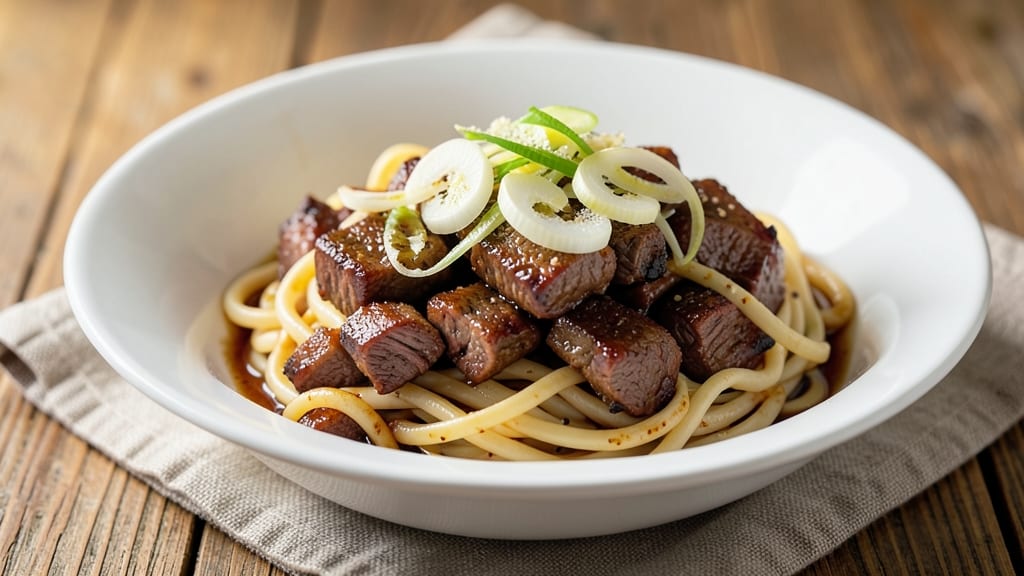
This beef and noodles recipe using canned beef proves that pantry staples can deliver restaurant-quality flavor in just 20 minutes. I developed this one-pan meal after realizing how often canned beef sits forgotten in my pantry—until now. The key is balancing the salty beef with bright aromatics and a simple sauce that transforms simple ingredients into something deeply satisfying.
What makes this recipe work is the technique: first searing the beef to deepen its flavor, then building layers through toasted garlic and ginger. The noodles cook directly in the pan, absorbing the savory beef juices and creating a cohesive dish without extra bowls.
This isn't just a quick meal—it's a flavor-packed experience that feels intentional, even when you're short on time.
By the time you twirl that first forkful, you'll taste tender beef with just the right amount of chew, perfectly cooked noodles, and a sauce that's rich yet balanced. The aromatics—garlic, ginger, and a touch of soy—elevate the canned beef into something special.
It's the kind of weeknight dinner that feels like a treat without requiring hours in the kitchen.
Perfect for feeding a family or meal prepping for the week, this dish scales beautifully while keeping prep under 10 minutes. The secret to success? Don't skip the aromatics—they're what transform canned beef into something extraordinary. Let's get cooking!
Ingredients for beef and noodles recipe using canned beef
Pantry staples meet bold flavors—transforming canned beef into a restaurant-worthy one-pan meal.
| Ingredient | Amount | Notes |
|---|---|---|
| Canned Beef 🥩 | 1 lb | High-quality, chunk-style preferred |
| Egg Noodles 🍜 | 8 oz | Medium-width, not instant |
| Garlic Cloves 🧄 | 4 cloves | Freshly minced, not jarred |
| Fresh Ginger 🌿 | 1 ½ tbsp | Finely grated, peeled |
| Soy Sauce 🥢 | 2 tbsp | Low-sodium preferred |
| Sesame Oil 🫒 | 1 tbsp | Toasted, not flavored |
| Vegetable Oil 🫒 | 1 tbsp | For searing |
| Green Onions 🧅 | 3 whole | Thinly sliced, white and green parts |
| Dried Thyme 🌿 | ½ tsp | Or 1 tsp fresh thyme |
| Black Peppercorns 🌶️ | ½ tsp | Freshly cracked |
| Brown Sugar 🍯 | 1 tsp | Light or dark |
| Red Pepper Flakes 🌶️ | ¼ tsp | Optional for heat |
| Vegetable Broth 💧 | ½ cup | Low-sodium preferred |
| Sesame Seeds 🌾 | 1 tsp | For garnish |
The canned beef is the star, so pick the chunk-style variety—it holds up better to searing. Costco or Walmart usually carry the best quality in bulk. If yours is pre-sliced, break it into slightly larger pieces for better texture. Fresh ginger and garlic are non-negotiable here—they're what transform this into something extraordinary. Asian markets often have ginger with more punch than the grocery store, but regular works too. Toast your garlic and ginger in the pan first—this builds deep, toasty flavor that jarred minced garlic can't match.
No fresh ginger? Powdered ginger at half the amount works in a pinch, but it's not the same. Running out of sesame oil? Avocado oil or neutral oil is fine, but add a pinch of toasted sesame seeds at the end for that authentic touch. The noodles can be any shape—egg noodles are traditional, but rice noodles or spaghetti work too. For extra richness, stir in a splash of coconut milk at the end. And if you're feeling adventurous, swap the soy sauce for hoisin or tamari for different depth.
This dish reheats beautifully—just add a splash of broth to keep it moist. Portion into containers with the sauce and noodles layered separately so they don't get mushy. Keeps for 4-5 days in the fridge or 3 months frozen. The aromatics lose potency over time, so if you're prepping ahead, toast fresh garlic and ginger right before serving. Garnish with sesame seeds and green onions right before eating—those bright flavors make all the difference.
Why You'll Love This Recipe
- Pantry Powerhouse: I swear by this when my fridge is bare—just open a can of beef, grab the noodles, and you’re golden. No last-minute grocery runs, no stress.
- Umami Bomb: That canned beef? It’s got depth. A splash of soy sauce and a hit of fresh ginger turns it into something rich and savory—way better than takeout.
- Lunchbox Legend: Pack it cold or reheat it—this dish travels like a champ. My kids take it to school, and honestly? They’d rather eat this than anything fancy.
- Budget Win: For under $5, you feed four people. No fancy cuts, no wasted ingredients—just pure, satisfying comfort food that won’t break the bank.
Step-by-step instructions for beef and noodles using canned beef
This one-pan wonder delivers restaurant-quality flavor with minimal effort. Let's make it happen.
Sear the Canned Beef for Maximum Flavor
Drain the 1 lb canned beef thoroughly and pat it completely dry with paper towels. This step is crucial—wet beef won't sear properly. Heat 1 tablespoon vegetable oil in a large skillet over medium-high heat until shimmering. Add the beef and cook for 3-4 minutes, stirring occasionally, until it develops a deep golden-brown crust. The aroma will be rich and savory—this is where all the magic begins.
Don't rush this part. You're not just heating the beef; you're building flavor through the Maillard reaction. If the pan starts smoking excessively, reduce the heat slightly. Once the beef is nicely browned, remove it from the skillet and set it aside on a plate. You'll add it back later, but first, we need to build that incredible sauce.
Build the Aromatic Base with Garlic and Ginger
In the same skillet (no need to wipe it clean—those browned bits are flavor gold), add 1 tablespoon vegetable oil if needed. Toss in the 4 cloves minced garlic cloves and 1.5 tablespoons freshly grated ginger. Cook over medium heat for 1-2 minutes, stirring constantly, until the garlic turns a beautiful golden color and the ginger becomes fragrant. You'll know it's ready when the mixture smells like a spice market—this is your aromatic foundation.
Here's where it gets good: Add 0.5 teaspoon dried thyme and 0.5 teaspoon freshly cracked black peppercorns. Stir for 30 seconds until the thyme releases its earthy aroma. The peppercorns will add a subtle heat that balances the sweetness we're about to introduce. Keep the heat at medium—you want to cook these spices gently to avoid burning them.
Create the Sauce with Soy, Broth, and Sweetness
Pour in 2 tablespoons soy sauce and 0.5 cup vegetable broth, scraping up any browned bits from the bottom of the pan with a wooden spoon. Add 1 teaspoon brown sugar and 0.25 teaspoon red pepper flakes (if using). Bring the mixture to a gentle simmer over medium heat and let it cook for 3-4 minutes until slightly reduced and syrupy. You want the sauce to coat the back of a spoon—this ensures every bite of noodle will be flavorful.
Now return the seared beef to the skillet and stir everything together. Let it simmer for another 2 minutes to allow all the flavors to meld. Taste and adjust seasoning if needed—you might want to add a touch more soy sauce for saltiness or a pinch of sugar to balance any acidity. The sauce should be savory, slightly sweet, and just spicy enough to make your taste buds dance.
Cook the Noodles Directly in the Sauce
Add the 8 ounces egg noodles to the skillet and stir to coat them evenly in the beefy sauce. Pour in 1 tablespoon sesame oil and toss everything together. The noodles will absorb the sauce quickly, so keep stirring frequently. Cover the skillet and cook over medium-low heat for 5-6 minutes, stirring occasionally, until the noodles are tender and the sauce has thickened to a perfect consistency. You're looking for al dente noodles with a glossy coating—this means they'll hold their shape but still have a slight bite.
If the mixture seems too dry, add 2-3 tablespoons hot water to loosen the sauce. The goal is a harmonious blend where every strand of noodle is coated in that rich, umami-packed sauce. The noodles should be tender but still have a slight resistance when you bite into them—this is the hallmark of perfect al dente pasta.
Finish and Garnish for Maximum Impact
Remove the skillet from heat and let it sit for 1 minute to allow the flavors to settle. Stir in the 3 whole green onions, sliced thinly, and 1 teaspoon sesame seeds. The green onions add a fresh contrast to the rich, savory flavors, while the sesame seeds provide a nutty crunch that ties everything together. Taste one last time and adjust seasoning if needed—this is your chance to perfect the balance of flavors.
Serve immediately, straight from the skillet, and watch as everyone digs in. The combination of tender noodles, perfectly seared beef, and that complex, umami-rich sauce makes this dish irresistibly comforting. Pair it with a simple side salad or steamed vegetables for a complete meal that's ready in under 20 minutes—proof that you don't need fancy ingredients to create something extraordinary.
Pro Tips For Making Beef And Noodles Recipe Using Canned Beef
- Drain, Rinse, Pat Dry: Canned beef clings to its syrup like it’s auditioning for a sticky role—drain it, rinse it under cold water, and pat it dry with paper towels. This keeps your noodles from turning into a soggy, saucy mess instead of a proper stir-fry.
- Mince Ginger Like You Mean It: Skip the pre-grated jar—fresh ginger’s the star here. Use a microplane or knife to get it as fine as sand, not chunks. Too much texture means you’ll taste it instead of letting it dissolve into the sauce like it’s supposed to.
- Cook Noodles Al Dente, Then Shock: Boil egg noodles one minute less than the package says, then plunge them into ice water. This stops the cooking and keeps them from turning into mush when you toss them with the beef. (Yes, even if you’re impatient like me.)
- Bloom Garlic in Oil First: Chop the garlic cloves thin, not minced—you want flavor, not a paste. Heat your oil on medium-low, add the garlic, and let it sizzle for 30 seconds until fragrant. This prevents burning and makes the whole dish smell like a restaurant kitchen.
Flavor customization for beef and noodles recipe using canned beef
Sweet Heat Balance
Adjust the sweetness and spice to your taste—this is where the dish gets personal. For a milder version, reduce the red pepper flakes to ¼ tsp or omit entirely. If you love heat, add ½ tsp gochujang or sriracha to the sauce for depth.
I often keep a small bowl of extra red pepper flakes on the table so everyone can add their own kick. 🌶️
The brown sugar adds caramelized sweetness that balances the salty beef and umami soy. For a deeper flavor, try 1 tsp honey or maple syrup instead—it adds a floral note that pairs beautifully with the ginger.
If you're serving this to kids or picky eaters, reduce the sugar to ½ tsp and add a pinch of white pepper for a milder flavor profile.
Umami Boosters
Want to take this dish to the next level? Add 1 tbsp fish sauce or oyster sauce to the simmering beef mixture for an extra layer of umami. I love using Red Boat fish sauce—it's clean and salty without overpowering.
For a vegetarian-friendly twist, swap the canned beef for extra-firm tofu or mushrooms and add 1 tsp soy sauce + 1 tsp mushroom powder to mimic the umami depth. 🍄
Another pro move: Stir in 1 tsp miso paste when building the sauce. The fermented richness complements the beef perfectly. If you're using miso, reduce the soy sauce to 1 tbsp since miso is already salty.
For a smoky flavor, add ½ tsp smoked paprika to the seared beef while it cooks—it adds a subtle depth that pairs beautifully with the sesame oil.
Fresh vs. Dried Ingredients
Fresh ginger and garlic are non-negotiable for the best flavor, but if you're in a pinch, dried spices work in a bind. Use ½ tsp ground ginger and ½ tsp garlic powder for every 1.5 tbsp fresh ginger and 4 cloves garlic.
However, fresh aromatics release their flavors more vibrantly, so if you have time, always opt for fresh. For extra convenience, I keep a jar of pre-minced garlic in the freezer—it's ready to use and just as flavorful as fresh.
If you're feeling adventurous, swap the green onions for scallions or chives for a milder onion flavor. For a pop of color and freshness, add 1 tbsp chopped cilantro or Thai basil at the end.
The basil adds a bright, almost minty note that cuts through the richness. Just be sure to add it after the dish is off the heat—it wilts quickly in hot oil.
Texture Variations
Want to add some crunch? Stir in 1 tbsp toasted peanuts or crushed cashews at the end for a satisfying texture contrast. I love using unsalted peanuts because they don't overpower the dish.
For a crispy topping, sprinkle ½ cup crushed potato chips (like Lays or Ruffles) over the top before serving—it adds a salty crunch that's oddly addictive. 🥜
For a creamier texture, stir in 2 tbsp coconut milk or a splash of heavy cream at the end. This works especially well if you're serving this dish with a side salad or steamed veggies.
If you prefer a lighter option, add 1 tbsp cornstarch mixed with 2 tbsp water to the sauce to thicken it slightly without adding fat. The result is a glossy, silky sauce that coats the noodles beautifully.
Nutrition facts
Frequently asked questions
Can I use regular canned beef instead of chunk-style?
Yes, but the texture will be different. Chunk-style holds up better to searing and gives you more satisfying bites. If using pre-sliced beef, break it into slightly larger pieces yourself for better texture. The flavor will still be great—just expect smaller, softer pieces.
How do I make this dish spicier?
Add ½ teaspoon gochujang or sriracha to the sauce while simmering, or increase the red pepper flakes to 1 teaspoon. For extra heat, stir in 1 teaspoon chili crisp at the end. Keep a small bowl of extra red pepper flakes on the table so everyone can adjust to their taste.
Can I make this dish ahead of time?
Cook the noodles and beef together, then store in an airtight container for up to 4-5 days in the fridge. Reheat with a splash of broth or water to restore moisture. For freezing, portion into containers with sauce and noodles layered separately to prevent mushiness. Thaw overnight in the fridge before reheating.
What if I don't have fresh ginger or garlic?
Use ½ teaspoon ground ginger and ½ teaspoon garlic powder as substitutes, but expect less vibrant flavor. For garlic, pre-minced frozen garlic works well too. The dish will still be delicious, though fresh aromatics make all the difference. If you're in a real pinch, jarred minced garlic can work in a bind.
How can I make this vegetarian?
Swap the canned beef for extra-firm tofu or mushrooms (like shiitake or cremini). For umami depth, add 1 teaspoon soy sauce + 1 teaspoon mushroom powder to the sauce. The texture will be different but still satisfying. Consider adding ½ cup chopped walnuts or cashews for protein and crunch.