
Main Courses
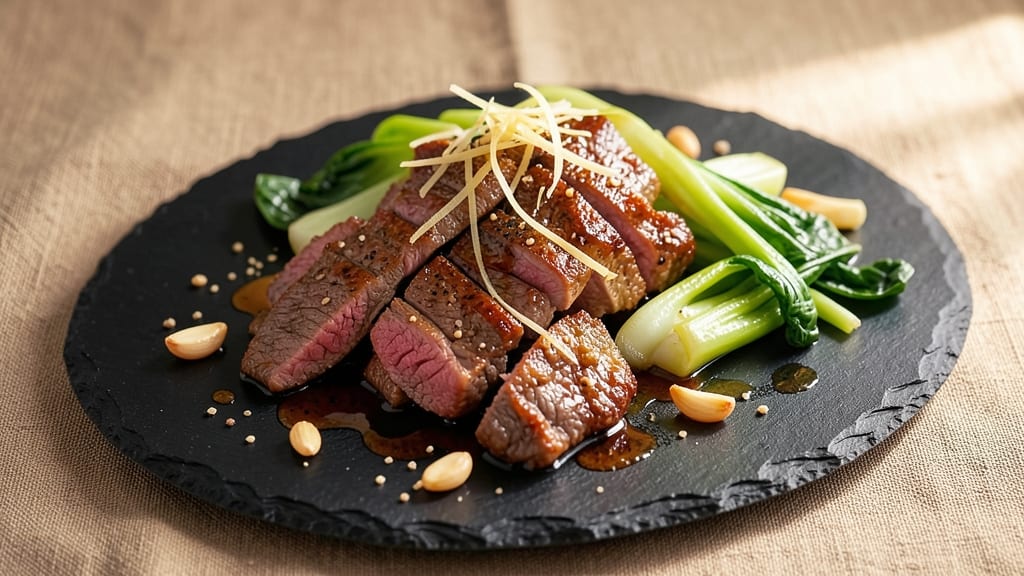
This beef and pak choi stir fry delivers restaurant-quality wok heat in just 20 minutes, with tender beef and crisp-tender greens coated in a savory umami sauce. The secret lies in proper beef slicing and high-heat stir-frying, which locks in juiciness while preserving pak choi's signature crunch.
I developed this recipe after years of perfecting stir-fry techniques, and it never fails to impress—whether for weeknight dinners or weekend entertaining.
The beauty of this dish is its balance: rich beef flavor meets the fresh, slightly bitter notes of pak choi, all tied together with a simple yet deeply flavorful sauce.
We'll use a classic soy-ginger base for authenticity, but I'll show you how to adapt it to teriyaki or hoisin preferences. The key technique is stir-frying in small batches to maintain high heat, ensuring everything cooks quickly and evenly without steaming the vegetables.
What you'll end up with is a vibrant stir fry that's packed with texture—crisp pak choi stems, tender beef slices, and a glossy sauce that clings to every bite.
The aroma alone will have everyone gathering at the table, and the first bite delivers that perfect harmony of savory, slightly sweet, and umami-rich flavors. This recipe is designed to be both professional and approachable, making it ideal for home cooks looking to elevate their stir-fry game.
We'll cover everything from proper ingredient prep to wok techniques and plating suggestions, so you can achieve restaurant-quality results in your own kitchen. The method is straightforward but precise, ensuring you get that signature wok-hei (breath of the wok) flavor that makes stir fry so irresistible. Let's get started!
Ingredients for beef and pak choi stir fry
Here's what you need to create this restaurant-quality stir fry with bold beef and crisp pak choi.
| Ingredient | Amount | Notes |
|---|---|---|
| Flank Steak 🥩 | 1 lb | Thinly sliced against grain |
| Pak Choi 🥬 | 1 lb | Stems separated from leaves |
| Garlic Cloves 🧄 | 4 cloves | Minced for sauce |
| Fresh Ginger 🌿 | 1 tbsp | Finely grated |
| Soy Sauce 🥄 | ½ cup | Light or regular preferred |
| Hoisin Sauce 🍶 | 1 tbsp | For extra umami depth |
| Sesame Oil 🫒 | 1 tbsp | Toasted for aroma |
| Neutral Oil 🫒 | 2 tbsp | Vegetable or canola |
| Brown Sugar 🍚 | 1 tbsp | For balance |
| Cornstarch 🌾 | 1 tbsp | For tenderizing beef |
| Sesame Seeds 🌰 | 1 tbsp | Toasted for garnish |
| Green Onion 🧅 | 2 whole | Sliced for garnish |
| Salt 🧂 | 1 tsp | Kosher or sea salt |
| Black Pepper 🌶️ | ½ tsp | Freshly ground |
The beef makes or breaks this dish. Flank steak is ideal—lean, flavorful, and perfect for slicing thin. Look for cuts with good marbling at Whole Foods or your local butcher. If you can't find flank, sirloin or ribeye work too, but slice them thinner. The pak choi should be vibrant green with crisp stems—Asian markets usually have the freshest selection. I always grab extra because it stays crisp longer than other greens. For the sauce, Kikkoman soy sauce is my go-to, but any light soy will do.
No sesame oil? Toasted peanut oil works in a pinch, though it has a different flavor. Fresh ginger is best, but if you're using powdered, halve the amount—it's way more concentrated. The cornstarch is non-negotiable for tender beef, but if you're out, arrowroot powder works too. For the hoisin sauce, Lee Kum Kee is the gold standard, but any brand will work. The brown sugar helps balance the acidity—substitute maple syrup if you're avoiding refined sugar. Pro tip: Toast your sesame seeds in a dry pan for 30 seconds before adding them to the stir fry—they'll be way more aromatic.
Prep the beef and pak choi first—they cook fast. Store the raw beef in an airtight container for up to 2 days in the fridge, but cook it within that time for best texture. The pak choi keeps for 5-7 days if you wrap the stems and leaves separately in damp paper towels. This stir fry reheats beautifully—just add a splash of water and stir-fry again over high heat. The sauce thickens as it cools, so if it seems too thick when reheating, thin it with a teaspoon of water. Leftovers keep for 3 days in the fridge or 3 months frozen.
Why You'll Love This Recipe
- One-Pan Magic: Honestly, this dish is that easy—just slice the steak, chop the pak choi (no fancy knife skills needed), and toss it all in one pan. The garlic and ginger sizzle in seconds, and before you know it, dinner’s ready. No pots, no mess, no stress.
- Umami Bomb: That first bite? Chef’s kiss. The soy sauce caramelizes just enough to coat the beef, while the pak choi stays crisp-tender—like a perfect balance of salty, garlicky, and fresh. The ginger adds this bright, zesty kick that makes it feel fancy without trying.
- Lunchbox Hero: Between us, this is my go-to for meal prep. The flavors actually improve the next day—yes, really. Pack it in containers for work lunches or reheat it for a quick dinner. (Pro tip: add a sprinkle of sesame seeds right before eating for extra crunch.)
- Budget Powerhouse: Flank steak stretches far—I feed four people for under $15, and there’s always leftovers. The pak choi is cheap, the garlic and ginger last forever, and a little soy sauce goes a long way. It’s the kind of dish that makes grocery day feel like a win.
Step-by-step instructions for beef and pak choi stir fry
Here's how to bring this wok-hot stir fry to life with tender beef and crisp pak choi.
Prep the Beef for Maximum Tenderization
Place the 1 lb flank steak between two sheets of plastic wrap. Using a meat mallet, pound it to an even ¼-inch thickness, working against the grain. This ensures even cooking and prevents chewy bites. Once flattened, cut the steak into ½-inch wide strips, keeping them as uniform as possible.
Transfer the sliced beef to a bowl and sprinkle with the 1 tbsp cornstarch, 1 tsp salt, and 0.5 tsp black pepper. Toss gently with your hands until the cornstarch coats each strip evenly. This creates a tenderizing crust that will help the beef stay juicy during the quick stir-fry. Let it marinate for 10 minutes while you prep the rest of your ingredients.
Prepare the Pak Choi and Aromatics
Separate the 1 lb pak choi into stems and leaves. Cut the stems into 1-inch pieces and leave the leaves whole. Set aside. In a small bowl, combine the 4 cloves minced garlic and 1 tbsp finely grated fresh ginger. You'll use this aromatic blend for the sauce later.
Slice the 2 whole green onions into 1-inch pieces, separating the white and green parts. Toast the 1 tbsp sesame seeds in a dry skillet over medium heat for 1-2 minutes until fragrant and golden. This adds depth of flavor that you'll sprinkle on top at the end. Keep all your prepped ingredients within easy reach - you'll be moving quickly once the wok hits the stove.
Build the Flavor-Packed Sauce
In a small bowl, whisk together the 0.5 cup soy sauce, 1 tbsp hoisin sauce, 1 tbsp brown sugar, and the garlic-ginger mixture. This sauce is the heart of your stir fry - the perfect balance of salty, sweet, and umami. Taste it now and adjust the salt if needed, but remember you'll be adding more through the cooking process.
In a separate small bowl, mix the 1 tbsp sesame oil with 1 tbsp neutral oil. This combination gives you both the aromatic punch of sesame and the high smoke point of neutral oil for proper searing. Keep these separate until you're ready to cook - you don't want the sesame oil to burn before the beef hits the pan.
Stir-Fry the Beef to Perfect Doneness
Heat a wok or large skillet over high heat until it's smoking hot. Add the 2 tbsp neutral oil and swirl to coat the pan. Working in batches if needed, add the cornstarch-coated beef strips and let them sear undisturbed for 1-2 minutes until they develop a golden crust. This high heat is crucial - it creates the wok-hei (breath of the wok) flavor that makes stir fry so special.
Once the beef is browned on one side, stir and cook for another 1-2 minutes until it's just cooked through but still slightly pink in the center. Remove the beef to a plate and set aside. Don't overcook it - you want that perfect tender-crisp texture. The beef should be hot but still juicy when you serve it.
Finish with Pak Choi and Sauce
Add the remaining 1 tbsp neutral oil to the wok and swirl to coat. Add the pak choi stems first and stir-fry for 1-2 minutes until they begin to soften. Then add the pak choi leaves and cook for another 30 seconds until they just begin to wilt. You want them to stay vibrant and slightly crisp - overcooking will turn them mushy.
Return the beef to the wok along with the soy sauce mixture. Toss everything together vigorously for 1-2 minutes until the pak choi is fully heated through and coated with the sauce. The pak choi should be bright green with just a hint of wilt, and the beef should be fully cooked with a glossy sheen from the sauce. Taste and adjust seasoning if needed, adding a splash of water if the sauce is too thick.
Plate and Garnish for Restaurant-Quality Presentation
Transfer the stir fry to serving plates immediately. Drizzle with the remaining sesame oil mixture and sprinkle with the toasted sesame seeds and sliced green onions. The contrast of textures - tender beef, crisp pak choi, and crunchy sesame seeds - along with the aromatic green onions, takes this dish from home cook to restaurant quality.
Serve while hot with steamed rice to soak up all that delicious sauce. The combination of wok-hei flavor, tender beef, and crisp pak choi makes this stir fry a weeknight favorite that feels special enough for company. Enjoy every bite of this perfectly balanced, umami-packed dish!
Pro Tips For Making Beef And Pak Choi Stir Fry
- Slice Steak Against the Grain: Flank steak’s tough fibers run parallel to the grain—cutting perpendicular ensures every bite melts instead of chews. Use a sharp knife, angle it low, and slice after cooking while the meat’s still hot (yes, even if you’re impatient like me). I’ve learned this the hard way: pre-sliced raw steak turns to shoe leather.
- Blanch Pak Choi First: Toss whole pak choi leaves in boiling water for 30 seconds, then shock in ice water. This wilts them just enough so they don’t turn to mush when stir-frying. Skip this, and you’ll end up with a sad, limp pile—trust me, your wok’s about to get crowded.
- Don’t Overcrowd the Wok: Stir-fry in batches if needed—pack too much in, and the pak choi steams instead of searing. A hot wok should sizzle, not sweat. I was skeptical until I tried it: the garlic and ginger actually brown when they’re not fighting for space.
- Use Less Soy, More Umami: Swap half the soy sauce for a splash of dark soy (for color) or a teaspoon of fish sauce—it packs more flavor without overpowering. I skip this when I’m lazy, but the dish is noticeably better when I don’t. (Your future self will notice.)
Troubleshooting your beef and pak choi stir fry
Overcooked Pak Choi
If your pak choi turns soggy instead of staying crisp-tender, you're likely cooking it too long or at too low heat. Pak choi cooks in just 1-2 minutes—watch it like a hawk! Remove it from the wok the second the stems soften and leaves just wilt.
I once overcooked mine for 3 extra minutes and ended up with mushy greens. Pro tip: Cook stems first, then leaves, and keep your wok at high heat the whole time. 🌱
Dry or Tough Beef
Beef that's chewy or dry usually means it wasn't sliced thin enough or cooked at the right temperature. Always slice flank steak ¼-inch thick against the grain—never thicker. For extra insurance, marinate the cornstarch-coated beef for 15-20 minutes instead of just 10 minutes.
I learned this the hard way when my first batch turned out tough. Also, remove beef from the wok when it's just pink in the center—it'll finish cooking from residual heat. 🥩
Sauce Too Thin or Watery
A runny sauce happens when you add too much liquid or don't cook the sauce long enough. Reduce your sauce by simmering it for 1-2 minutes before adding to the wok, or stir-fry the beef and pak choi for 30 seconds longer to let the moisture evaporate.
If it's still too thin, mix ½ tsp cornstarch with 1 tsp water and stir it in at the end. I keep a small bowl of this slurry nearby when stir-frying to fix any consistency issues. 🍶
Beef Not Browning Properly
If your beef stays pale instead of developing a golden crust, your wok isn't hot enough. Heat your wok over high heat for 3-5 minutes until it's smoking before adding oil. Use a neutral oil with a high smoke point like vegetable or canola oil—don't use sesame oil for searing.
I once used olive oil and ended up with burnt, bitter beef. Once the wok is screaming hot, add beef in a single layer and let it sear undisturbed for 1-2 minutes before stirring. 🔥
Stir Fry Losing Heat
Overcrowding your wok causes steam instead of searing, which kills the wok-hei flavor. Cook in two batches if needed—first the beef, then the pak choi. Also, keep all your ingredients prepped and within arm's reach so you're not fumbling around the kitchen.
I once took my eyes off the wok for 30 seconds to grab more garlic, and my whole stir fry turned into a sad, steamed mess. Stay focused! ⚡
Uneven Cooking
If some beef is overcooked while other pieces are raw, you're not stirring frequently enough. Stir-fry in 30-second intervals to ensure everything cooks evenly. Also, cut your beef into uniform ½-inch strips so they all cook at the same rate.
I use a kitchen timer set for 1 minute as a reminder to stir. For extra insurance, cook the beef slightly underdone and let it finish in the sauce—this keeps it juicy. 🕒
Nutrition facts
Frequently asked questions
Can I substitute flank steak with another cut of beef?
For this stir fry, sirloin or ribeye work well, but slice them thinner than flank steak—about ⅛-inch thick—since they're more tender. Skirt steak is another great option, though it has a stronger flavor. The key is slicing against the grain for tenderness. Never use pre-sliced deli beef—it's too tough for stir-frying.
How do I keep pak choi crisp instead of wilted?
Pak choi cooks in just 1-2 minutes—overcooking is the #1 mistake! Cook stems first, then leaves, and remove them immediately when they're just tender. Work over high heat and avoid stirring too much, which releases moisture. I like to add pak choi last and cook it for only 30 seconds to maintain that signature crunch.
Can I make this stir fry without a wok?
Yes! A cast-iron skillet or deep nonstick pan works perfectly. The key is using high heat and keeping ingredients in small batches to prevent steaming. If your pan isn't wide enough, cook in two batches—first the beef, then the pak choi. A wok gives better heat distribution, but a good skillet can still achieve great results with attention to heat control.
What's the best way to store leftovers?
Store in an airtight container for up to 3 days in the fridge. For longer storage, freeze for 3 months. Reheat by stir-frying again over high heat with a splash of water or broth to restore that wok-hei flavor. Never microwave—it turns pak choi soggy. I like to reheat portions in a small pan for 2-3 minutes until piping hot.
Can I make this vegetarian?
Swap beef for mushrooms (shiitake or oyster) or tofu. For mushrooms, slice them thin and cook first to release moisture. For tofu, press and cube it, then pan-fry until crispy before adding to the stir fry. Keep the pak choi and sauce the same—they'll shine with these alternatives. The dish will be lighter but still packed with umami flavor.