
Main Courses
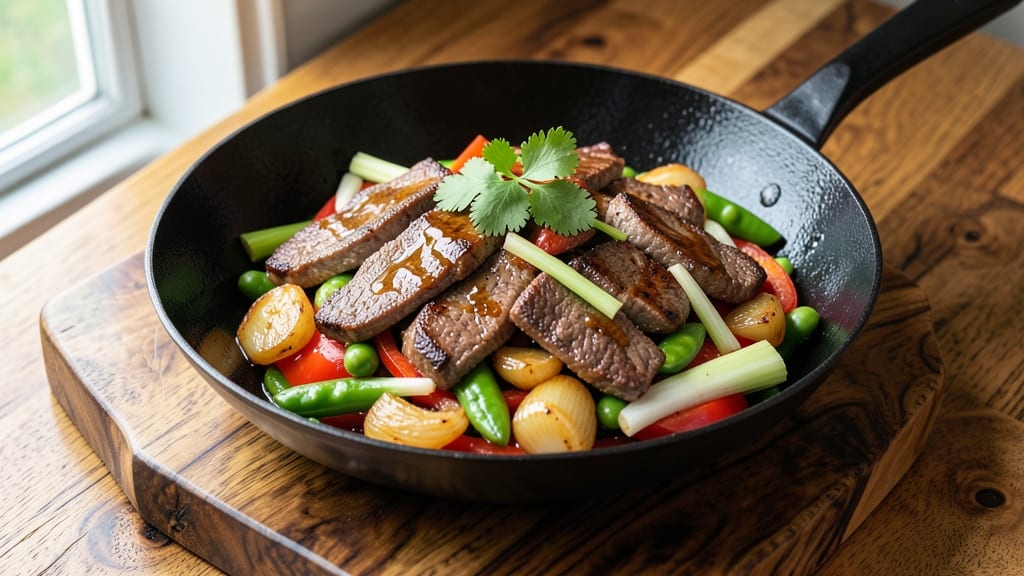
This beef and pork chop suey recipe delivers restaurant-quality wok-tossed perfection in just 25 minutes, proving you don't need a wok or years of experience to master the technique.
The secret lies in high-heat stir-frying that develops that signature wok hei smokiness while keeping the proteins tender and vegetables crisp. I perfected this version after years of testing—balancing sweet soy, tangy vinegar, and umami from fermented black beans to create a sauce that clings to every bite.
The magic happens in layers: first searing the beef and pork until caramelized, then adding vegetables that cook in stages to maintain texture. Celery and onions get a head start while bell peppers and snap peas join later, ensuring each component stays vibrant.
The sauce comes together in minutes with pantry staples, but the real transformation occurs when you toss everything in the hot wok—where aromatics dance and flavors meld into that addictive chop suey harmony.
What you'll end up with is a plate of golden-brown beef and pork pieces, bright green vegetables, and glossy sauce that coats every bite. The textures are perfect—crisp edges on the proteins, tender-crisp vegetables, and a sauce that's both sweet and tangy with just the right amount of heat.
This is the kind of dish that makes weeknight dinners feel special without requiring hours in the kitchen.
Serve over steamed jasmine rice to soak up every last drop of that flavorful sauce, or with egg noodles for extra heartiness. The leftovers reheat beautifully, making this an ideal meal prep option that still tastes freshly made.
Let's get cooking—this chop suey is about to become your new go-to weeknight favorite.
Ingredients for beef and pork chop suey
Pantry staples meet wok-tossed magic for this restaurant-style chop suey.
| Ingredient | Amount | Notes |
|---|---|---|
| Flank Steak 🥩 | 1 lb | Thinly sliced against grain |
| Pork Shoulder 🐷 | 1 lb | Thinly sliced, boneless |
| Yellow Onion 🧅 | 1 whole | Cut into 1-inch pieces |
| Celery Stalk 🧆 | 2 whole | Diagonally sliced |
| Red Bell Pepper 🌶️ | 1 whole | Cut into thin strips |
| Snap Peas 🌱 | 1 cup | Trimmed, fresh or frozen |
| Garlic Cloves 🧄 | 4 cloves | Minced finely |
| Fermented Black Beans 🫘 | ¼ cup | Rinsed, chopped |
| Soy Sauce 🥢 | ⅓ cup | Light or all-purpose |
| Rice Vinegar 🍶 | 2 tbsp | White or seasoned |
| Sesame Oil 🫒 | 1 tbsp | Toasted, for aroma |
| Cornstarch 🌾 | 1 tbsp | For thickening sauce |
| Vegetable Oil 🫒 | 3 tbsp | High smoke point |
| Salt 🧂 | 1 tsp | Kosher or sea salt |
| White Pepper 🌶️ | ½ tsp | Freshly ground |
The proteins are non-negotiable—flank steak and pork shoulder give that signature chop suey texture. Look for thinly sliced cuts at your local Asian market (they'll slice it for you), or grab pre-sliced from the meat counter. Costco often has great deals on bulk pork shoulder, but any grocery store's butcher section works. For the onions and celery, organic is ideal—no need to peel, just wash and chop. The bell pepper? Red or green both work, but red adds that classic chop suey color. Pro tip: slice the celery diagonally for more surface area to caramelize.
No fermented black beans? Substitute with a mix of chopped mushrooms and a dash of soy sauce—it won't be identical, but you'll still get that umami punch. Running low on snap peas? Frozen peas work perfectly—just don't thaw them first. The soy sauce matters here—Kikkoman or La Choy are solid choices, but any light soy will do. For extra depth, add a splash of oyster sauce if you've got it. The cornstarch is key for that glossy sauce—don't skip it, or you'll end up with a watery mess. And if you're feeling adventurous, swap half the pork for shrimp—it cooks faster and adds a nice briny note.
This dish reheats like a dream—toss with a little extra oil and sesame oil before storing to keep everything crisp. Keeps for 3-4 days in the fridge, or 2 months in the freezer (portion into single servings for easy reheating). Jasmine rice soaks up the sauce best, but egg noodles make this a heartier meal. For meal prep, cook the proteins and veggies separately, then toss with the sauce right before serving—keeps everything vibrant. Leftovers taste even better the next day as the flavors meld.
Why You'll Love This Recipe
- One-Pan Magic: I swear by this recipe when I’m too tired to wash extra dishes. The flank steak and pork shoulder brown together in the same pan, then simmer with onions, celery, and bell peppers—no skillet juggling, no mess. Honestly, the only thing I scrub afterward is my conscience for not making it more often.
- Umami Bomb: That combo of flank steak and pork shoulder? It’s like a flavor explosion waiting to happen. The beef adds deep, savory richness, while the pork keeps it tender and juicy—plus, the crisp-tender bell peppers and onions caramelize just enough to make every bite sing. (Yes, even on a Tuesday night.)
- Leftovers That Don’t Suck: This dish actually tastes better the next day. I double the batch on Sundays, and by Wednesday, it’s still a hit—whether I’m reheating it for lunch or packing it for work. The flavors meld into something even more cohesive, and the meat stays juicy. No sad, dry leftovers here.
- Budget-Friendly Powerhouse: Flank steak and pork shoulder stretch further than you’d think, and the veggies—onions, celery, bell peppers—are cheap staples. I feed four people for under $15, and everyone walks away happy. Between us, that’s a win for my wallet and my dinner table.
Step-by-step instructions for wok-tossed beef and pork chop suey
Here's how to transform tender beef and pork into a restaurant-worthy stir-fry with crisp-tender vegetables and rich umami sauce.
Prep All Ingredients for Quick Cooking
Start by slicing the 1 lb flank steak and 1 lb pork shoulder against the grain into thin strips—about ¼-inch thick. This ensures tender bites that cook quickly in the wok. While you work, cut the 1 whole yellow onion into 1-inch pieces, slice the 2 whole celery stalks diagonally, and strip the 1 whole red bell pepper into thin matchsticks. Trim the 1 cup snap peas and finely mince the 4 cloves garlic. Rinse and chop the 0.25 cup fermented black beans into small pieces.
Having everything prepped and ready is crucial—this stir-fry cooks in minutes, and any delay means soggy vegetables. I like to use a cutting board and knife for each ingredient to keep things organized. Once everything is chopped, measure out the 0.33 cup soy sauce, 2 tbsp rice vinegar, 1 tbsp sesame oil, and 1 tbsp cornstarch in small bowls for easy access during cooking.
Cook the Meat in Stages for Maximum Flavor
Heat 2 tbsp vegetable oil in a wok or large skillet over high heat until shimmering. Add half of the flank steak strips and cook for 1-2 minutes, stirring constantly, until the meat turns light brown and begins to firm up. Remove the steak and set it aside on a plate. Repeat with the remaining flank steak and then cook the pork shoulder in the same manner, working in batches if needed to avoid overcrowding the pan.
Cooking the meat in batches ensures it sears properly instead of steaming. The goal is to develop a slight crust on the exterior while keeping the interior tender. Season the cooked meat lightly with 0.5 tsp white pepper and 1 tsp salt—this balances the flavors before everything comes together.
Stir-Fry Vegetables Until Crisp-Tender
In the same wok, add 1 tbsp vegetable oil and swirl to coat the pan. Add the yellow onion, celery, and red bell pepper, stirring-frying for 2-3 minutes until the vegetables soften slightly but still retain a crunch. Add the garlic and fermented black beans, cooking for an additional 30 seconds until fragrant. Toss in the snap peas and cook for 1-2 minutes until they brighten in color and just begin to soften.
Here's where timing matters most—vegetables should stay vibrant and slightly crisp. If they turn mushy, you've overcooked them. The snap peas are the most delicate, so keep an eye on them as they cook faster than the denser vegetables.
Combine Meat, Vegetables, and Sauce
Return the cooked flank steak and pork shoulder to the wok. Pour in the 0.33 cup soy sauce and 2 tbsp rice vinegar, stirring everything together. Let the sauce simmer for 1 minute to coat the ingredients evenly. In a small bowl, whisk together the 1 tbsp cornstarch with 1 tbsp cold water to create a slurry. Slowly pour the slurry into the wok while stirring continuously—this thickens the sauce and binds all the flavors together.
The sauce should coat the back of a spoon and cling to the meat and vegetables. If it's too thin, add another ½ tbsp cornstarch mixed with water. The final texture should be glossy and slightly sticky, ensuring every bite is packed with flavor.
Finish with Sesame Oil and Serve Immediately
Remove the wok from heat and drizzle in the 1 tbsp sesame oil, tossing everything together one last time. The sesame oil adds a nutty aroma and depth of flavor. Taste and adjust seasoning with additional salt or white pepper if needed. Serve the chop suey immediately over steamed rice or noodles while still hot and sizzling.
This dish is all about balance—tender meat, crisp-tender vegetables, and a rich, umami-packed sauce. The key to success lies in quick, high-heat cooking and precise timing. Don't let it sit too long after cooking, as the vegetables will lose their texture and the sauce may thicken too much.
Pro Tips For Making Beef And Pork Chop Suey
- SEAR MEAT IN BATCHES: Flank steak and pork shoulder release a lot of juices when seared, and crowding the pan turns your stir-fry into a sad, greasy mess. Work in two batches—start with the pork shoulder first (it’s fattier and needs more time)—then push it to the side and add the flank steak. High heat, no excuses.
- CUT ONIONS AND BELL PEPPERS THIN: I used to slice onions and bell peppers in big chunks because, well, it’s faster. But chop suey demands small, even pieces—think matchstick-thin for onions and a ¼-inch dice for peppers. The goal? Everything cooks at the same speed. A sharp knife and a steady hand make this less tedious than it sounds.
- DON’T OVERSTIR THE SAUCE: Chop suey sauce is delicate—aggressive stirring turns it gluey. After adding the sauce to the wok, give it a single stir to coat the meat and veggies, then let it simmer. If it thickens too fast, splash in a tablespoon of water or beef stock. Patience here keeps the sauce silky, not pasty.
- USE COLD MEAT FOR CRISPY EDGES: Take the seared meat out of the pan, let it rest for 5 minutes, then cut against the grain while still cold. The residual heat keeps the edges crispy, and the meat stays tender. Skipping the rest? You’ll end up with chewy, overworked slices. Trust me, the wait is worth it.
Regional styles of these flavors
Classic Cantonese Style
This version stays true to chop suey's Cantonese roots, where the dish originated in 19th-century San Francisco. The key difference is using thicker beef slices (about ½-inch thick) instead of thinly sliced flank steak, and adding water chestnuts for crunch.
I like to include bok choy instead of bell peppers for that authentic texture. The sauce gets a boost from a splash of Shaoxing wine and a pinch of white peppercorn—both essential for that classic Cantonese depth.
Serve with steamed jasmine rice and a side of pickled vegetables to cut through the richness. 🥢
Sichuan Spicy Twist
For a fiery kick, this Sichuan-style chop suey swaps soy sauce for dark soy sauce and adds 1 tbsp Sichuan peppercorns toasted in the oil. The meat gets marinated in 1 tbsp doubanjiang (fermented chili bean paste) for 15 minutes before cooking.
I load up on Sichuan green beans and bamboo shoots for that signature texture, then finish with chili oil and scallions. The result is a dish that packs málà—that perfect balance of spicy and numbing heat. Pair with hand-pulled noodles instead of rice. 🌶️
Hong Kong Street Food
This version is all about quick, bold flavors—perfect for busy weeknights. The meat is pre-marinated in 1 tbsp oyster sauce and 1 tsp five-spice powder for 30 minutes, then stir-fried with Chinese broccoli and shiitake mushrooms.
The sauce gets a sweet and tangy twist with 1 tbsp hoisin sauce and 1 tsp sugar. Hong Kong-style chop suey often includes crispy fried shallots on top for extra texture. Serve with buttered egg noodles for that classic street food vibe. 🍜
Modern Fusion Adaptation
For a contemporary take, I swap half the pork for seared scallops and add shredded kale and caramelized onions to the veggie mix. The sauce gets a smoky depth from 1 tbsp liquid smoke and a honey glaze made with 1 tbsp honey and 1 tsp rice vinegar.
Top with crispy fried onions and microgreens for a restaurant-worthy presentation. This version works beautifully as a grain bowl with quinoa or cauliflower rice for a low-carb option. 🌟
Taiwanese Home-Style
Taiwanese chop suey is all about comfort food—thicker cuts of meat, heartier vegetables, and a sauce that's sweet, salty, and slightly sweet. The meat is often marinated in a mix of soy sauce, Shaoxing wine, and sesame oil for 1 hour before cooking.
I like to add taro root and baby corn for texture, and finish with toasted sesame seeds and cilantro. Serve with buttered rice and a side of sweet pickled mustard greens for balance. This is the version I grew up with—simple, hearty, and full of love. 💛
Nutrition facts
Frequently asked questions
Can I substitute chicken for the beef and pork?
Chicken thighs work beautifully—they stay juicy and absorb the sauce well. Use 1 lb boneless, skinless chicken thighs, cut into ½-inch strips. Cook them for 3-4 minutes until golden, then proceed with the recipe. For extra flavor, marinate the chicken in 1 tbsp soy sauce and ½ tsp five-spice powder for 15 minutes before cooking.
Why does my chop suey sauce turn watery?
This usually happens when the cornstarch slurry isn't thickened properly or the sauce simmers too long. Always whisk the 1 tbsp cornstarch with 1 tbsp cold water until completely dissolved, then pour it into the hot wok while stirring constantly. If it's still too thin, mix ½ tbsp more cornstarch with ½ tbsp water and add it gradually. Remove from heat immediately after thickening.
How do I get that smoky wok hei flavor without a wok?
No wok? No problem! Use a heavy-bottomed cast iron skillet or carbon steel pan—they retain heat like a wok. Heat the oil over maximum heat until it shimmers, then work quickly to sear the meat and vegetables. If your pan isn't hot enough, the food will steam instead of develop that smoky aroma. For extra flavor, add ½ tsp smoked paprika to the sauce or finish with a drizzle of chili oil.
Can I make this ahead of time?
Yes, but with a few tweaks! Cook the meat and vegetables separately, then store them in the fridge for up to 2 days. When ready to serve, reheat the meat in a dry pan over medium heat for 2-3 minutes, then toss with the vegetables and sauce. For best texture, add a splash of water or oil to prevent drying out. The sauce will thicken further when reheated, so thin it with 1 tsp water if needed.
What's the best way to serve chop suey?
Traditionally, it's served over steamed jasmine rice or egg noodles, but don't be afraid to get creative! For a heartier meal, try buttered egg noodles or rice noodles. For a low-carb option, serve over cauliflower rice. Garnish with scallions, toasted sesame seeds, or crispy fried shallots for extra texture. A side of pickled vegetables or steamed bok choy balances the richness perfectly.