
Soups & Stews
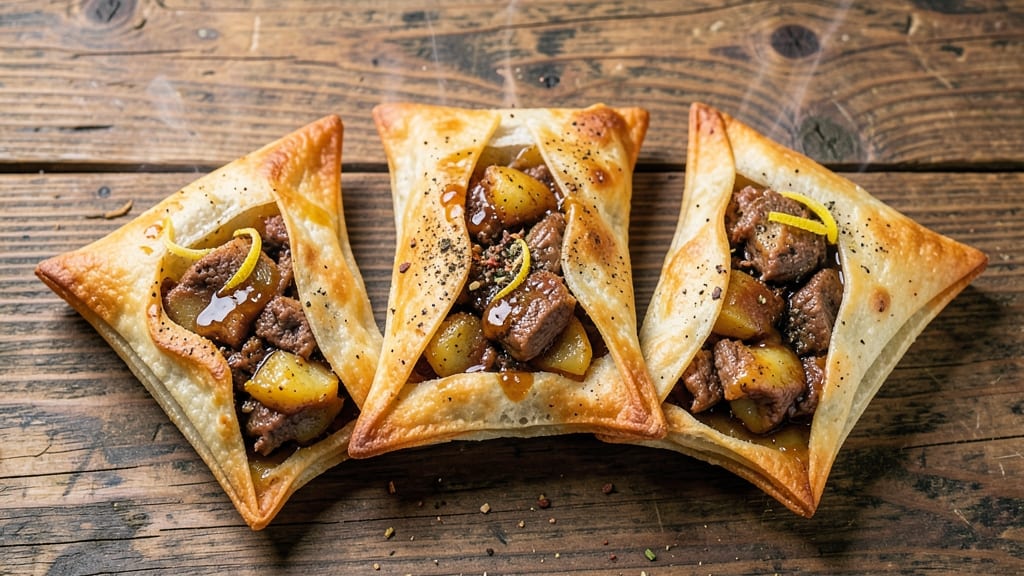
This beef and potato samosa recipe delivers the perfect balance of crispy golden pastry and flavorful spiced filling that makes every bite irresistible. The secret lies in a well-seasoned mixture of tender beef and potatoes, encased in a delicate dough that turns beautifully crisp when fried.
I've perfected this recipe through years of testing, ensuring the filling stays moist while the pastry achieves that signature crunch. What sets these samosas apart is the aromatic blend of spices—cumin, coriander, and garam masala—that infuse the filling with warm, earthy flavors.
The dough, made from simple ingredients, wraps around the filling to create those iconic triangular shapes that crisp up beautifully when fried. This recipe captures the essence of street food culture while being approachable enough for home cooks.
By the time you take your first bite, you'll experience the perfect harmony of textures: a crispy exterior that gives way to tender, flavorful filling. The spices come together to create a savory, slightly sweet profile that's both comforting and exciting.
Serve with mint chutney or tamarind sauce for the authentic experience. Whether you're making these for a family gathering or a special occasion, this recipe delivers restaurant-quality results with minimal fuss. Let's get started on creating these delicious, crispy triangles that everyone will love.
Ingredients for beef and potato samosa
These twelve ingredients create the perfect balance of crispy, golden samosas everyone will love.
| Ingredient | Amount | Notes |
|---|---|---|
| Lean Ground Beef 🥩 | 1 ½ lb | 75% lean, finely ground |
| Russet Potatoes 🥔 | 3 medium | peeled and diced small |
| All-Purpose Flour 🌾 | 3 cups | plus extra for dusting |
| Ghee or Vegetable Oil 🫒 | ½ cup | for dough and frying |
| Water 💧 | ½ cup | chilled for dough |
| Garam Masala 🌶️ | 1 ½ tbsp | plus extra for garnish |
| Ground Cumin 🌿 | 1 tsp | toasted for aroma |
| Ground Coriander 🌿 | 1 tsp | freshly ground preferred |
| Turmeric Powder 🧂 | ½ tsp | bright yellow color |
| Red Chili Powder 🌶️ | 1 tsp | adjust for heat |
| Salt 🧂 | 1 tsp | plus extra to taste |
| Fresh Cilantro 🌿 | ¼ cup | chopped for garnish |
| Lemon Juice 🍋 | 1 tbsp | freshly squeezed |
| Vegetable Oil 🫒 | 2 cups | for deep frying |
The potatoes and beef are the heart of these samosas. Russet potatoes hold their shape when diced small, but any starchy potato works. For the beef, 75% lean ground chuck gives the right texture—too lean and it dries out. I always grab mine from Costco when possible, but the regular supermarket stuff works fine. Look for good marbling if you're buying a whole piece to grind yourself. The spices? Penzeys has great whole spices if you want to toast them fresh, but the ground stuff from the grocery store is fine for this recipe.
No garam masala? Mix 1 tsp each cumin, coriander, and cinnamon—it's not identical but works in a pinch. Fresh cilantro is ideal for garnish, but dried works at half the amount. If you don't have ghee, vegetable oil or butter works for the dough. The dough needs to be just slightly sticky—add a bit more flour if it's too wet. For the filling, cook the potatoes until very tender so they don't stay raw in the samosa. I always microwave the potatoes for 5 minutes first to speed up cooking.
Make the dough ahead and refrigerate it for 30 minutes before rolling—it's easier to handle. The filling keeps well in the fridge for 2 days, so make extra. For frying, maintain 350°F oil temperature—any hotter and they burn before crisping. These reheat beautifully—just pop them in a 350°F oven for 10 minutes to restore that crispy texture. Store leftovers in an airtight container to keep them fresh longer.
Why You'll Love This Recipe
- Crispy in Minutes: I swear by the ghee-fried edges—those golden, shatteringly thin layers happen faster than you’d think. Just a quick pan-fry after shaping, and you’ve got restaurant-quality crunch without the fuss of deep-frying.
- Meat-Potato Magic: That buttery beef and fluffy potato filling? It’s the kind of combo that makes you forget it’s a weeknight. The potatoes stay creamy while the beef soaks up every spice—no dry bites here.
- Party in a Bite: Between us, these disappear at gatherings. Serve them warm with mint chutney for brunch, or pack a batch for lunchboxes. They’re the one dish that feels fancy but doesn’t require a Pinterest-perfect spread.
- Budget-Friendly Staples: Honestly, this recipe uses pantry basics—ground beef, potatoes, flour—that stretch across meals. Make a double batch, freeze half, and thank me later when you’re reheating them for lazy mornings.
Step-by-step instructions for beef and potato samosas
Perfectly crispy samosas start with the right dough and spiced filling—here's how to nail both.
Cook the Spiced Beef and Potato Filling
Heat the 0.5 cup ghee or vegetable oil in a large skillet over medium heat. Add the 1.5 lb lean ground beef and cook, breaking it apart with a wooden spoon, until it loses its raw color—about 5-6 minutes. You'll see it turn from dark to a rich brown as the fat renders out.
Add the 3 medium diced russet potatoes and cook for another 5 minutes until they begin to soften. Now it's time for the spices: stir in the 1.5 tbsp garam masala, 1 tsp ground cumin, 1 tsp ground coriander, 0.5 tsp turmeric powder, 1 tsp red chili powder, and 1 tsp salt. Cook for 3-4 minutes until the spices bloom and the mixture smells deeply aromatic.
Remove from heat and let the filling cool completely. Once cool, stir in the 0.25 cup chopped fresh cilantro and 1 tbsp lemon juice. This brightens the flavors and prevents the filling from becoming too heavy. The filling should be moist but not wet—if it's too dry, add 1-2 teaspoons of water to help with shaping later.
Make the Samosa Dough
In a large mixing bowl, combine the 3 cups all-purpose flour and 1 tsp salt. Gradually add the 0.5 cup chilled water while mixing with a fork until a shaggy dough forms. Knead the dough on a lightly floured surface for 5-7 minutes until smooth and elastic. Here's the thing—your dough should be firm but not sticky.
Wrap the dough in a clean kitchen towel and let it rest for 30 minutes at room temperature. This resting period relaxes the gluten, making it easier to roll out thin layers. If the dough feels too warm after kneading, chill it in the refrigerator for 10-15 minutes before resting.
Roll and Cut the Dough
Divide the rested dough into 12 equal portions (about 1.5 ounces each). Roll each portion into a 6-inch circle using a rolling pin, keeping the thickness even—about ⅛ inch. I like to use a ruler to check the thickness; if it's too thick, your samosas will be dense, not crispy.
Cut each circle diagonally into two triangles. Place one triangle on top of another to form a cone shape, with the pointed ends meeting. Seal the edges by pressing firmly with your fingers, then pinch the sides to create a ½-inch border. This border will help hold the filling and create those iconic pleats when folded.
Fill and Seal the Samosas
Spoon about 2 tablespoons of the beef and potato filling into each cone. Fold the sides inward to create pleats, then bring the two long edges together and pinch them tightly to seal. The goal is to create a triangular shape with a neat, crisp edge—this ensures even frying and a professional look.
Place the assembled samosas on a floured surface, seam-side down. Dust the tops lightly with flour to prevent sticking. Let them rest for 15 minutes before frying—this helps them hold their shape better in the hot oil.
Fry to Golden Perfection
Heat 2 cups vegetable oil in a deep fryer or heavy pot to 350°F. Use a thermometer to monitor the temperature—if it's too hot, the samosas will burn before cooking through. Fry 3-4 samosas at a time, turning occasionally, for 4-5 minutes until they turn a deep golden brown. They're done when the dough is crispy and the filling is hot through.
Transfer the fried samosas to a paper towel-lined plate to drain excess oil. Serve warm with mint chutney or tamarind sauce for dipping. The key to crispy samosas is maintaining the oil temperature and not overcrowding the pan—this ensures even cooking and that satisfying crunch.
Pro Tips For Making Beef And Potato Samosa
- Crush Potatoes Cold: I used to boil potatoes until they were soft, then mash them—only to end up with a filling that turned soggy in the samosa. Instead, boil Russets until just fork-tender (about 8-10 minutes), drain, and let them cool completely before mashing. The starch firms up, and the filling stays dry. Skip this, and your samosas will leak like a sieve.
- Brown the Beef: Lean ground beef releases water when cooked, and if you skip browning, your filling will turn into a mushy paste. Break the meat into tiny pieces, spread them in a thin layer in a hot pan, and cook until deeply browned—no need to rush. This step removes moisture and builds flavor. (Yes, it takes longer, but your filling will hold its shape.)
- Chill the Dough: Warm dough stretches like glue and tears when rolling. After kneading, wrap the flour-wrapped dough in plastic and refrigerate for at least 30 minutes. Cold dough rolls smoother, seals better, and crisps up perfectly when fried. I learned this after wasting half a batch of dough that refused to cooperate.
- Fry in Batches: Overcrowding the pan drops the temperature, and your samosas will steam instead of fry. Keep the oil at 350°F (175°C) and fry 2-3 samosas at a time—no more. This ensures a golden crust, not a greasy, limp mess. (And yes, you’ll need to fry twice, but it’s worth it.)
Health benefits of this recipe
Protein Powerhouse
Each samosa delivers a substantial 10-12 grams of protein per serving, thanks to the lean ground beef and potato combination. This makes them a satisfying snack or appetizer that keeps you full longer than many fried foods.
The beef provides all nine essential amino acids, while the potatoes add fiber and complex carbohydrates for balanced energy. 💪
Spice Benefits
The aromatic spice blend—garam masala, cumin, coriander, and turmeric—offers more than just flavor. These spices contain anti-inflammatory compounds that aid digestion and may help reduce bloating. Turmeric's curcumin is particularly beneficial, with studies showing it supports joint health and may even have antioxidant properties.
The red chili powder adds capsaicin, which can boost metabolism slightly.
Balanced Nutrition
While samosas are indulgent, they offer a surprisingly balanced nutritional profile. The potatoes provide vitamin C (about 20% daily value per serving) and potassium for heart health. The ghee in the dough contributes beneficial fats, though moderation is key.
For a lighter version, you could reduce the ghee by half without sacrificing flavor. The lemon juice in the filling adds vitamin C and helps balance the richness of the fried dough.
Portion Control
With 12 samosas per recipe, you can easily control portions. A single samosa contains about 250-300 calories, with roughly 12g fat (mostly from the frying oil).
To make them healthier, try baking instead of frying—this reduces fat content by about 60% per serving while still delivering that satisfying crunch. I often serve them with a side of cucumber raita to add freshness and balance the meal.
Digestive Support
The spices in samosas actually aid digestion. Cumin and coriander are traditional carminatives that help relieve gas and bloating. The ginger often found in accompanying chutneys complements these benefits. For a digestive boost, serve with a side of yogurt-based raita—the probiotics help balance the meal's richness.
The lemon juice in the filling also stimulates digestive enzymes naturally. 🌿
Meal Flexibility
Samosas work as a standalone snack, appetizer, or even a light meal when paired with sides. Their balanced macros make them more satisfying than many fried appetizers. For a complete meal, serve with a simple salad or steamed vegetables.
The filling's protein and fiber content helps stabilize blood sugar, making them a better choice than many traditional party snacks. Plus, they freeze beautifully—just reheat in a 350°F oven for 10 minutes to restore that crispy texture.
Nutrition facts
Frequently asked questions
Can I make samosa dough without ghee?
Replace the 0.5 cup ghee with an equal amount of vegetable oil or even melted butter—it won't affect the texture. The key is keeping the dough firm but pliable. If using oil, chill the dough for 15 minutes before rolling to prevent sticking. For extra crispiness, brush the assembled samosas with a little oil before frying.
How do I prevent my samosas from falling apart when frying? Proper sealing is key!
Can I bake these samosas instead of frying?
Yes, but with adjustments! Brush the assembled samosas with oil and bake at 400°F for 15-18 minutes until golden. For extra crispiness, broil for 1-2 minutes at the end. Baking reduces fat by about 60% per serving while keeping them delicious. The texture will be slightly different (less crispy), but still satisfying. Spritz with oil halfway through baking for better browning.
What's the best way to store leftover samosas?
Store in an airtight container at room temperature for up to 2 days—they'll lose crispiness but stay tasty. For longer storage, freeze them (unfried) for 1 month or fried for 2 weeks. To reheat, bake at 350°F for 10 minutes or air-fry at 375°F for 3-4 minutes. For extra crunch, sprinkle with breadcrumbs before reheating. Never microwave—they'll get soggy!
Can I use chicken or paneer instead of beef?
For chicken, use 1.5 lb boneless, skinless chicken thighs (diced small) and cook until fully done. For paneer, crumble 1.5 cups firm paneer and sauté with the potatoes. Adjust spices slightly—chicken benefits from ½ tsp extra garam masala, while paneer needs ¼ tsp more turmeric for color. Both work beautifully, but beef gives the most authentic texture and flavor.