
Sauces & Condiments
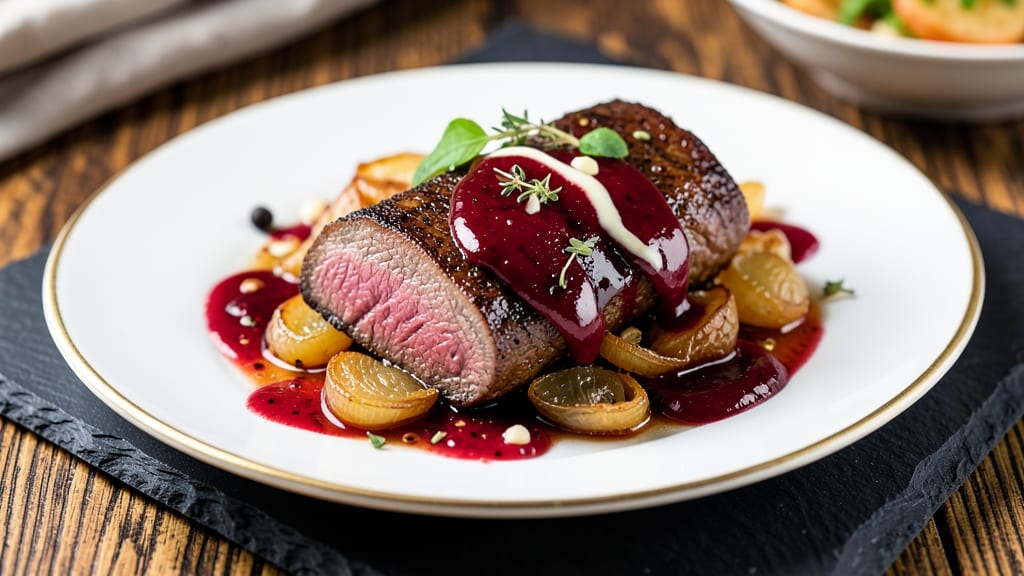
This beef and red wine sauce recipe transforms simple pantry staples into a velvety, umami-rich masterpiece that elevates any protein. The secret lies in slow simmering—where red wine reduces into a deep, caramelized base while beef stock and aromatics build layers of complexity.
I've perfected this sauce over years of testing, ensuring it delivers restaurant-quality depth without requiring advanced techniques.
The foundation starts with shallots and garlic, gently sautéed until fragrant but never browned—this prevents bitterness and preserves their sweetness. A splash of red wine deglazes the pan, dissolving flavorful browned bits while adding acidity that brightens the sauce.
As it simmers, the liquid reduces dramatically, concentrating flavors into a glossy, clingy sauce with a perfect balance of richness and acidity.
What makes this sauce truly special is its versatility—it clings beautifully to beef, chicken, or even roasted vegetables, while its caramelized depth makes it ideal for drizzling over pasta or polenta.
The final touch of butter or cream adds silkiness, ensuring every bite feels luxurious. This isn't just a sauce; it's a flavor booster that turns ordinary meals into something extraordinary.
Ready in about 45 minutes with minimal hands-on time, this sauce keeps well in the fridge for up to 5 days or freezes perfectly for future use. Whether you're preparing a weeknight dinner or a special occasion meal, this recipe delivers consistent, professional results every time. Let's create it together.
Ingredients for beef and red wine sauce
Ten essential ingredients create a restaurant-worthy sauce with deep umami and caramelized richness.
| Ingredient | Amount | Notes |
|---|---|---|
| Red Wine 🍷 | 1 cup | Bold dry variety, like Cabernet Sauvignon |
| Beef Stock 🥩 | 2 cups | Homemade or high-quality store-bought |
| Shallots 🧅 | 4 whole | Finely minced, not chopped |
| Garlic Cloves 🧄 | 4 cloves | Minced, not pressed |
| Tomato Paste 🍅 | 1 tbsp | Smooth, not chunky |
| Unsalted Butter 🧈 | 2 tbsp | Cold, for finishing |
| Heavy Cream 🥛 | ½ cup | Full-fat for richness |
| Diamond Crystal Kosher Salt 🧂 | 1 ½ tsp | Adjust to taste |
| Fresh Thyme Leaves 🌿 | ¼ cup | Stems removed |
| Black Peppercorns 🌶️ | ½ tsp | Freshly cracked |
The red wine is non-negotiable—Cabernet Sauvignon or Merlot deliver the boldest flavor profiles. Look for bottles labeled 'dry' and avoid sweet dessert wines. Trader Joe's and Total Wine carry excellent options at reasonable prices. For beef stock, homemade is ideal, but Kitchen Basics or Pacific Foods brands offer reliable store-bought alternatives. Shallots should be firm and pale purple, with no green shoots—Whole Foods or local farmers markets often have the freshest selection. Fresh thyme is preferable, but if using dried, reduce to one-third the amount and toast it lightly in the pan first for maximum aroma.
No red wine? Substitute with beef broth plus 1 tbsp balsamic vinegar—it won't be identical, but works in a pinch. For tomato paste, Rao's or Barilla brands are smooth and consistent, while squeeze tubes from Trader Joe's offer convenience without waste. Heavy cream can be swapped for half-and-half for a lighter version, though the sauce will be slightly less rich. The butter should be cold when added at the end—this creates those coveted emulsified ribbons. If you're avoiding dairy entirely, coconut cream makes a surprisingly good substitute, though the flavor profile shifts slightly toward tropical notes.
This sauce develops best when made fresh, but it reheats beautifully—simply warm over medium-low heat with a splash of water or stock to restore its glossy texture. Store in an airtight container in the fridge for up to 5 days, or freeze in ice cube trays for single-serving portions. For the deepest flavor, let it sit at room temperature for 30 minutes before serving. The sauce thickens as it cools, so adding a splash of warm water or stock when reheating ensures proper consistency. Portion into glass jars for easy storage and reheating—just pop one out whenever you need a flavor boost.
Why You'll Love This Recipe
- Minimal Chopping Required: I swear by this—just dice two shallots and mince three garlic cloves. That’s it. No fancy prep, no stress, just a quick sauté before the wine even hits the pan.
- Wine’s Rich Umami Bomb: The second that red wine and beef stock simmer together, the kitchen smells like a Paris bistro. That deep, savory punch from the tomato paste ties it all into something dangerously addictive.
- Leftovers That Taste Better: This sauce actually improves the next day. (Yes, really.) The flavors meld into something even richer—perfect for tossing with pasta or reheating over rice.
- Budget-Friendly Luxury: You’re getting restaurant-quality depth for pennies. A bottle of cheap wine and a can of stock? That’s all it takes to turn simple beef into something that feels like a splurge.
Step-by-step instructions for beef and red wine sauce
A rich, velvety sauce with deep umami flavor—here's how to build it layer by layer.
Build the Aromatic Base
Heat a large, heavy-bottomed saucepan over medium heat and add the 2 tablespoons unsalted butter. Let it melt completely, then add the 4 whole shallots and 4 cloves garlic cloves that have been finely minced. Cook for 5-7 minutes, stirring occasionally, until the shallots become translucent and the garlic releases its aroma.
This slow cooking process ensures the shallots caramelize just enough to form a sweet, flavorful foundation. Watch the color closely—it should transition from pale to a soft golden hue before you proceed. If you see the garlic starting to brown too quickly, reduce the heat slightly to prevent burning.
Develop the Sauce with Wine and Stock
Add the 1 tablespoon tomato paste and stir for 30 seconds until it dissolves completely into the butter. Immediately pour in the 1 cup red wine and scrape up any browned bits from the bottom of the pan using a wooden spoon. This deglazing step captures all the concentrated flavors.
Bring the mixture to a gentle simmer, then reduce the heat to low and let it cook for 5 minutes until the wine has mostly evaporated and the alcohol burns off. Next, pour in the 2 cups beef stock and add the 1.5 teaspoons Diamond Crystal kosher salt and 0.5 teaspoon black peppercorns. Stir well to combine, then increase the heat to medium-low and let the sauce simmer uncovered for 20-25 minutes.
During this time, the sauce will reduce significantly, developing a deep, complex flavor. Skim off any foam that rises to the surface to keep the sauce smooth. You're looking for a consistency where the sauce coats the back of a spoon but isn't yet syrupy.
Finish with Cream and Thyme
Once the sauce has reduced and thickened, stir in the 0.5 cup heavy cream and the 0.25 cup fresh thyme leaves. Simmer gently for another 5-7 minutes, stirring occasionally, until the sauce reaches your desired consistency. It should be thick enough to coat the back of a spoon but still flow smoothly.
Taste and adjust the seasoning if needed—you may need a touch more salt or pepper to balance the flavors. The thyme will infuse its aromatic qualities, adding a bright, herbal note that cuts through the richness of the cream and wine. If the sauce becomes too thick, you can thin it with a splash of warm water or additional beef stock.
Rest and Serve
Remove the sauce from heat and let it rest for 5-10 minutes. This resting period allows the flavors to meld and the sauce to thicken slightly as it cools. Stir in the remaining 2 tablespoons unsalted butter, cut into small cubes, until fully melted and incorporated. The butter will add a luxurious finish and help balance the acidity of the wine.
Serve the sauce immediately over your choice of protein—whether it's beef tenderloin, steak, or even hearty pasta. The sauce should be glossy, rich, and deeply flavorful, with layers of caramelized shallots, umami from the beef stock, and the bright acidity of the red wine. Each spoonful should deliver a perfect balance of savory, sweet, and tangy notes.
Pro Tips For Making Beef And Red Wine Sauce
- DEGLAZE HOT, NOT LUKEWARM: After searing your shallots and garlic, the pan will be screaming hot—don’t let it cool down before adding the red wine. Pour in the wine immediately while the pan is still smoking, and let the alcohol burn off completely. I used to wait, and my sauce always tasted flat and watery. Trust me, that sizzle is your flavor anchor.
- MINCE SHALLOTS FINE: Tiny shallot pieces disappear into the sauce, but chunky bits turn into sad, chewy textures. Use a sharp knife and cut them into matchstick-thin slices, then chop those into rice-sized pieces. Garlic? Smash the cloves with the flat side of your knife first—it releases more flavor and cooks faster.
- REDUCED STOCK FIRST: Before adding the beef stock, reduce the wine and tomato paste mixture by half. This concentrates the flavors and thickens the base, so you won’t end up with a thin, winey mess. I learned this the hard way after serving a sauce that tasted more like a diluted drink than a rich coating.
- SALT THE STOCK: Beef stock is often low-sodium, and adding it last means your sauce will taste bland. Season the stock before pouring it into the pan—aim for about 1 teaspoon per cup. This ensures every drop carries flavor, not just the initial splash. (Yes, even if the recipe doesn’t mention it.)
Regional styles of this recipe
French Classic Style
In France, this sauce is often called a sauce au vin rouge and is traditionally paired with beef bourguignon or duck confit. The French technique emphasizes long, slow reductions—simmering the wine and stock for at least 30 minutes to develop deep caramelized notes.
I add 1 sprig of fresh rosemary alongside the thyme for an extra herbal layer, and finish with a splash of brandy (about 1 tablespoon) to enhance the sauce's complexity. 🍷
Italian Bolognese Twist
For an Italian-inspired version, swap the red wine for dry Chianti and add 1 cup finely diced mushrooms (cremini or porcini) to the aromatic base. Italians often thicken the sauce with tomato passata (about ½ cup) instead of cream, creating a lighter but still rich sauce perfect for tagliatelle.
I also stir in 1 teaspoon dried oregano at the end for a Mediterranean touch. 🌶️
American Comfort Adaptation
In the U.S., this sauce is a staple for steakhouse dishes and often gets a heartier finish. I recommend adding 1 tablespoon Worcestershire sauce during the stock simmer for an umami boost, and finishing with 1 tablespoon Dijon mustard to cut through the richness.
Many American chefs also thicken it with a roux (butter + flour) for a smoother consistency, ideal for dipping bread or topping meatloaf. 🥩
Spanish Sherry-Inspired
For a Spanish-inspired variation, replace the red wine with ½ cup dry sherry and ½ cup red wine, then add 1 bay leaf and 1 tsp smoked paprika to the simmering stock.
This version pairs beautifully with grilled lamb chops or roasted pork. The sherry adds a nutty depth that balances the acidity, while the paprika introduces a subtle smokiness. 🌿
German Beer-Braised Style
In German cuisine, this sauce often incorporates dark beer (like a Dunkel lager) instead of wine, creating a malty, robust flavor. I use ½ cup beer alongside the wine and add 1 small carrot (diced) to the aromatic base for natural sweetness.
This version is perfect for braised beef dishes like schnitzel or rump roast. 🍺
Modern Fusion Approach
For a contemporary twist, I blend ½ cup of the finished sauce and mix it back in with 1 tablespoon miso paste for an umami-packed fusion. This works surprisingly well with seared scallops or grilled salmon.
The miso adds a subtle fermented depth that complements the wine's acidity without overpowering it. ✨
Nutrition facts
Frequently asked questions about beef and red wine sauce
Can I make this sauce without red wine?
Yes! For a wine-free version, substitute 1 cup beef broth plus 1 tablespoon balsamic vinegar to mimic the acidity and depth. The flavor won't be identical, but it still delivers rich umami notes. For extra complexity, add 1 teaspoon soy sauce during the stock simmer.
How do I prevent the sauce from getting too thick?
If your sauce thickens too much, simply whisk in 1-2 tablespoons warm water or beef stock to restore the right consistency. For prevention, avoid over-simmering—remove it from heat once it coats the back of a spoon. The sauce will thicken further as it cools.
Can I use this sauce for pasta?
This sauce works beautifully with pasta like fettuccine or pappardelle. For best results, toss the cooked pasta with ½ cup sauce per serving and finish with extra butter or grated Parmesan. The wine's acidity cuts through the richness, making it perfect for hearty pasta dishes.
What's the best way to store leftovers?
Store in an airtight container in the fridge for up to 5 days. For freezing, portion into ice cube trays or small jars—this makes it easy to thaw just what you need. Reheat gently over low heat, adding a splash of water or stock if it thickens too much.
Why does my sauce taste bitter?
Bitterness usually comes from overcooked garlic or reduced wine. To fix it, stir in 1 teaspoon sugar or ½ teaspoon honey to balance the flavors. For prevention, remove the pan from heat as soon as the wine reduces by half, and cook garlic just until fragrant (about 2-3 minutes).