
Soups & Stews
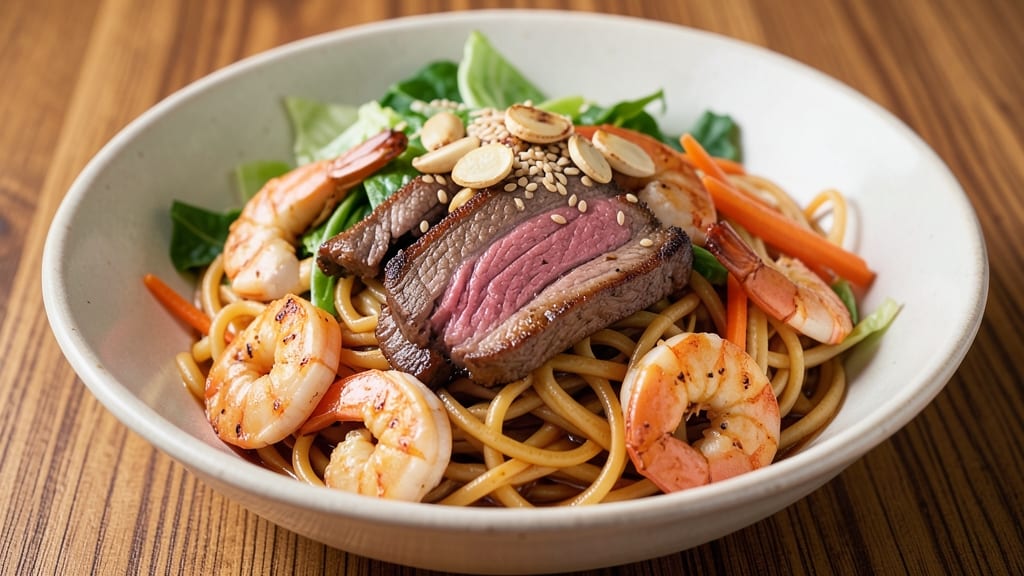
This beef and shrimp lo mein recipe delivers the perfect balance of wok-tossed umami crunch and silky noodles in every bite. ✨ The secret lies in a homemade sauce that marries sweet, salty, and savory notes, while high-heat stir-frying keeps the shrimp tender-crisp and beef perfectly seared.
I developed this version after years of restaurant trips—now you can recreate that restaurant-quality texture and flavor at home without the fuss.
The foundation starts with wide egg noodles that absorb the rich sauce while maintaining their chewy texture. We'll stir-fry the beef and shrimp separately to control doneness, then toss everything together with homemade lo mein sauce that includes a touch of chili oil for depth.
The technique ensures crisp-tender vegetables and perfectly cooked noodles that cling together just enough to create that signature lo mein bite.
What you'll end up with is a dish that's restaurant-quality yet simple to make—golden-brown noodles coated in glossy sauce, plump shrimp with crisp edges, and tender beef slices. The aroma alone will have everyone gathering around the table, and each forkful delivers that perfect combination of textures and flavors.
This recipe serves four hungry people and comes together in under 30 minutes.
Don't forget the finishing touches: fresh green onions for brightness, toasted sesame seeds for crunch, and a drizzle of chili oil for that signature kick. The sauce is versatile enough to adjust to your spice preferences, and you can even make it ahead for a stress-free weeknight dinner.
Let's get cooking!
Ingredients for beef and shrimp lo mein
Restaurant-quality lo mein starts with these 15 ingredients—wide noodles, tender proteins, and bold flavors.
| Ingredient | Amount | Notes |
|---|---|---|
| Wide Egg Noodles 🍜 | 8 oz | Dried, not fresh, for chewy texture |
| Flank Steak 🥩 | 1 lb | Thinly sliced against grain |
| Large Shrimp 🦐 | 1 lb | Peeled, deveined, tails on |
| Baby Carrots 🥕 | 1 cup | Julienned for quick cooking |
| Green Cabbage 🥬 | 2 cups | Thinly sliced, ribs removed |
| Garlic Cloves 🧄 | 6 cloves | Minced, aromatic base |
| Fresh Ginger 🌿 | 1 tbsp | Grated, for zesty kick |
| Soy Sauce 🥢 | ½ cup | Kikkoman preferred |
| Oyster Sauce 🍜 | 2 tbsp | For umami depth |
| Sesame Oil 🫒 | 1 tbsp | Toasted, for nutty aroma |
| Honey 🍯 | 1 tbsp | For sweet-savory balance |
| Chili Oil 🌶️ | 1 tbsp | For signature heat |
| Green Onions 🧅 | 3 whole | Sliced, for fresh finish |
| Toasted Sesame Seeds 🌾 | 1 tbsp | For crunchy texture |
| Vegetable Oil 🫒 | ½ cup | High smoke point for wok |
The beef and shrimp are the stars here. Flank steak delivers that signature chewy texture when sliced thinly against the grain—Costco or Whole Foods usually have pre-sliced packs, but if not, ask the butcher to slice it. For shrimp, wild-caught, 21-25 count per pound stays plump and tender. Baby carrots and green cabbage should be bright and crisp—skip the wilted ones. Fresh ginger and garlic are non-negotiable for that authentic aroma. I always grab Kikkoman soy sauce and Lee Kum Kee oyster sauce from the Asian market section—they make all the difference.
No flank steak? Sirloin or ribeye works in a pinch, but slice it extra thin. Shrimp too pricey? Scallops or extra-firm tofu mimic the texture. Running low on sesame oil? Toasted peanut oil adds a different nutty depth. The chili oil can be swapped for sriracha plus a dash of oil. For the noodles, ramen noodles in a bind? They won't be as chewy, but they'll still work. The key is high heat—if your pan isn't smoking, you're not cooking hot enough. That's what gives the wok-tossed crunch.
Prep the proteins ahead—they'll keep in the fridge for 2 days sealed tightly. The sauce can be made 3 days ahead and stored in the fridge. For the noodles, par-cook them 2 minutes less than package instructions and finish in the wok. Leftovers reheat beautifully—just toss with a splash of water to loosen the sauce. Keeps 3 days in the fridge or 2 months frozen. I always double the sauce—it's perfect for quick stir-fries later.
Why You'll Love This Recipe
- One-Pan Magic: I swear by this recipe because it’s actually one-pan friendly—just toss the noodles, veggies, and protein in the same wok, and let the steam do the work. No dirty dishes piling up while you cook.
- Umami Bomb: That combo of flank steak (thinly sliced, seared just right) and shrimp (pink and juicy) in a savory soy-ginger sauce? It’s the kind of flavor that makes you reach for seconds without thinking. The cabbage adds a satisfying crunch too.
- Lunchbox Hero: Between us, this is my go-to for meal prep—portion it into containers, and you’ve got a week’s worth of easy lunches. The noodles stay tender, the beef stays flavorful, and even my picky-eating coworker devours it.
- Budget Flex: Flank steak is cheaper than you’d think, and shrimp stretches further than you’d expect. Plus, the veggies (carrots and cabbage) are dirt cheap and pack in nutrients. A big batch feeds four for under $15—no guilt, all satisfaction.
Step-by-step instructions for beef and shrimp lo mein
Here's how to create restaurant-quality lo mein with perfectly chewy noodles and tender proteins.
🍳 Step 1: Cook the Wide Egg Noodles Al Dente
Bring a large pot of water to a rolling boil and add 8 oz wide egg noodles. Cook for 2 minutes less than package instructions—you want them slightly underdone since they'll finish cooking in the wok. Reserve 1 cup of pasta water before draining, as this starchy liquid will help create a silky sauce later.
I always rinse the noodles briefly under cold water after draining to stop the cooking process immediately. This prevents them from becoming mushy when tossed with the hot proteins. Drain well and set aside until ready to combine with your stir-fry.
🔥 Step 2: Sear the Flank Steak and Shrimp Separately
Heat a wok over high heat until smoking, then add 2 tablespoons vegetable oil. Working in batches if needed, add the 1 lb flank steak (sliced thinly against the grain) and sear for 1-2 minutes until just cooked through—it should still be slightly pink in the center. Transfer to a plate and set aside.
In the same wok, add another 1 tablespoon vegetable oil and heat again over high heat. Add the 1 lb large shrimp and cook for 1-2 minutes per side until they turn pink and opaque. Remove and set aside with the steak. Here's the thing—don't overcook either protein. They'll finish cooking when combined with everything else.
🍳 Step 3: Stir-Fry Vegetables Until Crisp-Tender
Return the wok to high heat and add the remaining 2 tablespoons vegetable oil. Add the 6 cloves minced garlic cloves and 1 tablespoon grated fresh ginger, stirring for 30 seconds until fragrant. Add the 1 cup julienned baby carrots and 2 cups thinly sliced green cabbage, tossing constantly for 2-3 minutes until the vegetables are crisp-tender—still with a bit of bite.
Watch the heat carefully—you want the vegetables to cook quickly while maintaining their texture. If they start to soften too much, reduce heat slightly. The cabbage should still hold its shape but be wilted, while the carrots should be tender but not mushy.
🥘 Step 4: Combine All Ingredients and Sauce
Return the cooked noodles, steak, and shrimp to the wok. Add the 0.5 cup soy sauce, 2 tablespoons oyster sauce, 1 tablespoon sesame oil, 1 tablespoon honey, and 1 tablespoon chili oil. Toss everything vigorously for 2-3 minutes until everything is evenly coated and heated through.
If the mixture seems dry, add 2-3 tablespoons of the reserved pasta water to create a glossy, silky sauce. The noodles should be perfectly coated with sauce, and the proteins should be heated through but still tender. Taste and adjust seasoning if needed—you might want to add a bit more soy sauce for saltiness or honey for sweetness.
🍽️ Step 5: Finish and Serve with Garnishes
Remove the wok from heat and quickly stir in the 3 sliced green onions and 1 tablespoon toasted sesame seeds. The sesame seeds add a delightful crunch that contrasts beautifully with the silky noodles and tender proteins.
Serve immediately while everything is hot. The dish should be vibrant, with perfectly chewy noodles, tender beef and shrimp, and crisp-tender vegetables all coated in a glossy, umami-packed sauce. Each bite should deliver a perfect balance of textures and flavors—sweet, savory, spicy, and nutty all in one.
Pro Tips For Making Beef And Shrimp Lo Mein
- CUT STEAK THINLY BEFORE COOKING: Flank steak fights back when you try to slice it raw—it’s tough and stubborn. Use a sharp knife and slice against the grain into paper-thin strips (about 1/8-inch thick) after it’s cooked and rested. If you try to slice it raw, you’ll end up with chewy strips that ruin the whole dish. Trust me, the extra 10 minutes of prep saves you from regret later.
- DON’T OVERCROWD THE PAN: I learned this the hard way—dumping all the shrimp and beef in at once just steams them instead of searing. Work in batches: cook the beef first until it’s browned (about 2-3 minutes per batch), then push it aside and add the shrimp. They cook in seconds, and you’ll get that crispy edge everyone craves. A busy pan = sad protein.
- PREP CABBAGE LIKE COLESLAW: Shred that green cabbage fine—think coleslaw texture, not thick strips. The smaller the pieces, the faster they soften in the stir-fry, and they’ll blend into the sauce instead of sitting like awkward chunks. I used to leave them big, and they’d turn mushy or stay crunchy when everything else was tender. No one wants that.
- SAVE TIME WITH FROZEN SHRIMP: Sounds weird, but it works: thaw frozen shrimp in cold water for 10 minutes, pat very dry, and toss them in the pan last. They cook just as fast as fresh, and you skip the hassle of deveining or paying premium prices. Just don’t skip the drying step—wet shrimp steams instead of searing. Your future self will thank you.
Perfect pairings for beef and shrimp lo mein
Side Dish Synergy
Pair your lo mein with steamed jasmine rice—its light texture soaks up the rich sauce beautifully. I serve 1 cup cooked rice per person alongside the noodles, creating a satisfying balance. For extra flair, add a sprinkle of toasted black sesame seeds to the rice before serving. 🥢
For a lighter option, try a cucumber salad with ½ cup thinly sliced cucumbers, 1 tbsp rice vinegar, ½ tsp sugar, and a pinch of red pepper flakes.
The cool crunch contrasts perfectly with the warm lo mein. I always make this ahead and chill it for 30 minutes before serving.
Drink Pairings
A crisp green tea like japanese sencha complements the dish without overpowering the flavors. The subtle bitterness and freshness cut through the richness of the soy-based sauce. For a bolder option, try a light lager like Asahi Super Dry—its clean finish balances the umami and spice. 🍶
If you prefer wine, a dry Riesling from Germany offers bright acidity that mirrors the ginger and garlic in the sauce. Avoid heavy reds—they’ll clash with the delicate shrimp and noodles. I keep a bottle chilled in the fridge for special occasions.
Sauce Boosts
Add a drizzle of hoisin sauce (about 1 tbsp) to the finished dish for extra depth. The sweet-savory notes enhance the umami without overpowering. For heat lovers, toss in ½ tsp sriracha with the chili oil before serving.
I also like adding a pinch of white pepper for a subtle, aromatic kick. 🌶️
Garnish Upgrades
Finish with thinly sliced scallions and a sprinkle of crispy fried shallots for texture contrast. The shallots add a nutty crunch that elevates the dish. For a pop of color, toss in ¼ cup shredded red cabbage—it adds a refreshing crunch and vibrant hue. 🌈
Don’t forget lime wedges on the side. A squeeze of fresh lime brightens the dish and balances the richness. I always serve these with my lo mein for that final zesty touch.
Nutrition facts
Frequently asked questions
Can I substitute shrimp with another seafood?
Scallops work beautifully—they caramelize quickly and add a sweet, briny flavor. For extra-firm tofu, press it first and cube it to mimic shrimp's texture. Just reduce cooking time to 1-2 minutes to avoid overcooking. Avoid delicate fish like tilapia, as they'll fall apart in the high-heat stir-fry.
Why does my lo mein sauce turn out too thin?
This usually happens when proteins release too much moisture. Always pat shrimp dry before cooking and slice beef thinly against the grain. For extra thickness, simmer the sauce separately for 2-3 minutes before tossing with noodles, or add 1 tsp cornstarch mixed with water. The reserved pasta water is key—use it sparingly to adjust consistency.
How do I make this dish gluten-free?
Replace soy sauce with tamari or coconut aminos (use ½ cup) and ensure oyster sauce is gluten-free. Swap egg noodles for rice noodles or gluten-free egg-free noodles. Double-check sesame oil and chili oil labels—some contain wheat. The flavor profile stays rich and umami-packed!
Can I prep ingredients ahead of time?
Yes! Slice all proteins and vegetables 1 day ahead and store in airtight containers. Make the sauce 3 days ahead—it tastes even better after flavors meld. Cook noodles 1 minute less than package instructions and store in cold water in the fridge. Reheat everything in the wok for 2-3 minutes to revive textures.
What's the best way to reheat leftovers?
Spread leftovers on a baking sheet and warm in a 350°F oven for 10 minutes to prevent sogginess. For stovetop reheating, use low heat and add 1 tbsp water to loosen the sauce. Never microwave—it turns noodles rubbery. Add fresh green onions and sesame seeds after reheating for maximum freshness.