
Soups & Stews
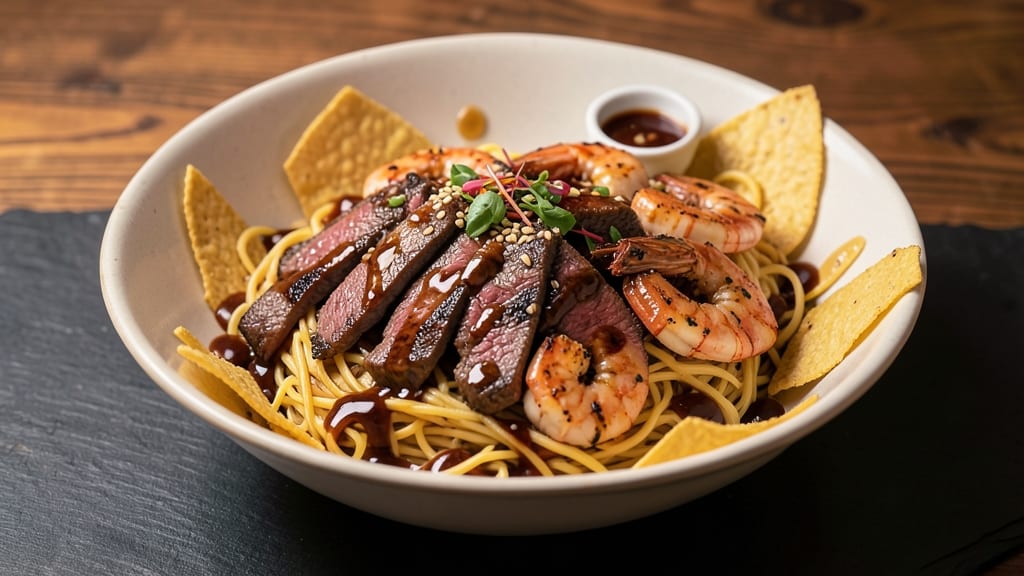
This beef and shrimp yakamein recipe delivers the perfect balance of crispy tortilla crunch and silky soy-ginger noodles in every bite. The secret lies in high-heat wok techniques that transform simple ingredients into a restaurant-worthy dish with layers of umami and texture.
I've refined this recipe over years of testing, ensuring the proteins stay tender while the noodles maintain their signature chew. What sets this yakamein apart is the dual-texture approach: thinly sliced beef and shrimp seared to perfection, then tossed with crispy tortilla strips that add a satisfying crunch.
The sauce—rich with soy, ginger, and a touch of sweetness—coats everything evenly, creating a harmonious blend of flavors. The dish comes together in under 30 minutes, making it ideal for weeknight dinners that feel special.
The result is a vibrant, aromatic bowl that's both comforting and exciting—silky egg noodles wrapped in savory sauce, punctuated by tender beef, plump shrimp, and crispy tortilla pieces. Garnishes like green onions and sesame seeds add freshness and visual appeal, while a squeeze of lime brightens each bite.
Serve this yakamein over steamed rice for extra heartiness or alongside a simple cucumber salad to balance the richness. The dish pairs beautifully with cold Asian beers or jasmine tea. Let's create this flavor-packed masterpiece!
Ingredients for beef and shrimp yakamein
Simple ingredients that pack bold flavors—crispy tortilla crunch meets silky soy-ginger noodles.
| Ingredient | Amount | Notes |
|---|---|---|
| Egg Noodles 🍜 | 8 oz | Fresh or dried, uncooked |
| Flank Steak 🥩 | ¾ lb | Thinly sliced against grain |
| Large Shrimp 🦐 | 1 lb | Peeled, deveined, tails on |
| Tortilla Chips 🍟 | 1 cup | Crushed into strips |
| Sesame Oil 🫒 | 1 ½ tbsp | Toasted for aroma |
| Soy Sauce 🍶 | ½ cup | Low-sodium preferred |
| Ginger Root 🌿 | 2 tbsp | Freshly grated |
| Garlic Cloves 🧄 | 4 cloves | Minced finely |
| Honey 🍯 | 1 tbsp | For balance |
| Rice Vinegar 🍶 | 1 ½ tbsp | White vinegar works |
| Green Onions 🧅 | ¼ cup | Thinly sliced |
| Sesame Seeds 🌾 | 1 tbsp | Toasted lightly |
| Vegetable Oil 🫒 | 3 tbsp | High smoke point |
| Salt 🧂 | 1 ½ tsp | Kosher or sea salt |
| Black Pepper 🌶️ | ½ tsp | Freshly ground |
| Lime 🍋 | 1 whole | Juiced for brightness |
The flank steak is non-negotiable here—it needs to be thinly sliced against the grain for that signature tender bite. Ask your butcher to slice it if they won't do it for you, or use a sharp knife and freeze the meat for 20 minutes before slicing. For shrimp, frozen works perfectly—just thaw in cold water before peeling. The tortilla chips should be sturdy; Mission brand or any thick, sturdy variety holds up best during frying. If you can't find egg noodles, udon noodles are a great substitute—they've got that satisfying chew.
No sesame oil? Toasted peanut oil adds a similar depth, though the flavor will differ slightly. The soy sauce should be high-quality—Kikkoman or Pearl River Bridge are reliable choices. Fresh ginger and garlic are essential for that bright, aromatic punch, but if you're using dried, reduce to half the amount. The honey adds just enough sweetness to balance the tangy rice vinegar—avoid artificial honey substitutes. For extra crunch, fry the tortilla strips in small batches until golden, then drain on paper towels to keep them crispy.
This dish reheats beautifully—just toss with a splash of water and a drizzle of sesame oil over medium heat. Store leftovers in an airtight container for up to 3 days. The sauce thickens as it cools, so add a splash of warm water when reheating. Garnishes like green onions and sesame seeds can be added fresh after reheating for maximum flavor. For a restaurant-style presentation, serve over steamed jasmine rice and garnish with lime wedges.
Why You'll Love This Recipe
- Foolproof Protein Prep: I swear by this recipe because the flank steak and shrimp cook in minutes—no fancy slicing, just quick searing. Toss in the pre-cooked egg noodles, and you’ve got a meal without the fuss of chopping or waiting.
- Crunchy-Savory Magic: That crunch from the crushed tortilla chips? Chef’s kiss. It cuts through the rich sesame oil and beef, while the shrimp adds a tender, juicy pop. Honestly, the first bite makes you want to skip dessert.
- Lunchbox Hero: Between us, this is my go-to for meal prep—packs perfectly for work or school lunches. The noodles hold up, the flavors stay bold, and it’s way more exciting than a sad ol’ sandwich.
- Budget-Friendly Feast: Flank steak stretches far, shrimp adds luxury without breaking the bank, and a bag of chips costs pennies. I’ve fed four people for under $20, and everyone leaves happy—no takeout guilt here.
Step-by-step instructions for beef and shrimp yakamein
Here's how to create silky soy-ginger noodles with a perfect crispy tortilla crunch topping.
🍳 Step 1: Cook the Egg Noodles Al Dente
Bring a large pot of water to a rolling boil and add 1.5 teaspoons of salt. Add the 8 oz egg noodles and cook for 2 minutes less than the package instructions suggest. You want them to remain slightly firm when drained—they'll finish cooking in the sauce. Reserve ½ cup of pasta water before draining, as this starchy liquid helps create the silky sauce.
Drain the noodles and immediately rinse them under cold water for 10 seconds to stop the cooking process. This prevents them from becoming mushy when combined with the sauce later. Toss the noodles with 1 tablespoon of sesame oil to prevent sticking and add a subtle nutty aroma.
🍳 Step 2: Sear the Flank Steak and Shrimp
Heat a large skillet over high heat and add 3 tablespoons of vegetable oil. Once the oil shimmers, add the 0.75 lb flank steak in a single layer. Sear for 2-3 minutes until the edges turn deep golden brown and the steak develops a crust. Remove the steak and set aside on a plate.
In the same skillet, add the 1 lb large shrimp and cook for 1-2 minutes per side until they turn pink and opaque. The shrimp should curl slightly at the edges when done. Remove them from the skillet and set aside with the steak. Keep both warm while you prepare the sauce.
🍳 Step 3: Build the Soy-Ginger Sauce
Reduce the heat to medium and add 2 tablespoons of minced garlic cloves and 2 tablespoons of freshly grated ginger root to the same skillet. Sauté for 30 seconds until fragrant—don't let them burn, as this will make the sauce bitter. Add 0.5 cup soy sauce, 1.5 tablespoons rice vinegar, and 1 tablespoon honey. Stir and let the mixture simmer for 2 minutes until it thickens slightly.
Return the cooked steak and shrimp to the skillet and toss everything together. Add the drained noodles and ½ cup reserved pasta water, tossing gently to coat everything evenly. The sauce should cling to the noodles and create a glossy, silky texture. If the sauce is too thick, add more pasta water 1 tablespoon at a time until it reaches your desired consistency.
🥘 Step 4: Assemble and Garnish
Transfer the noodle mixture to a serving platter and spread the 1 cup crushed tortilla chips evenly over the top. The chips will absorb some of the sauce, creating that perfect crispy crunch with every bite. Sprinkle with 0.25 cup thinly sliced green onions and 1 tablespoon toasted sesame seeds for added texture and color.
Finish with the juice of 1 whole lime and a final sprinkle of 0.5 teaspoon black pepper. Serve immediately while the tortilla chips are still crispy and the noodles are hot. The contrast of the silky noodles and crispy chips makes this dish truly special—each bite delivers a perfect balance of textures and flavors.
Pro Tips For Making Beef And Shrimp Yakamein
- Sear Steak First: Toss the flank steak in a screaming-hot wok or skillet for 2-3 minutes before adding anything else—this locks in juices and builds flavor. I used to skip this and ended up with chewy beef that tasted like it belonged in a stir-fry graveyard.
- Prep Shrimp Like a Pro: Pat the shrimp bone-dry with paper towels and sprinkle with a pinch of salt before cooking—this guarantees a crispy exterior instead of a sad, soggy mess. Yes, it’s tedious, but the texture difference is night and day.
- Noodles Must Boil Twice: Boil the egg noodles al dente, drain, rinse with cold water, then toss with a drizzle of sesame oil before adding them back to the wok. This stops them from turning mushy when they hit the hot pan later—trust me, your noodles will thank you.
- Crunch Chips Last: Save the tortilla chips for the very end and fry them in the leftover wok oil for 30 seconds until golden—this adds the perfect textural contrast without turning them into a greasy afterthought. (Pro move: keep them separate until serving.)
Essential equipment for this recipe
Wok Essentials
Your carbon steel wok is non-negotiable for authentic yakamein—it conducts heat evenly and creates those signature wok hei (breath of the wok) aromas. I swear by the De Buyer 14-inch wok for its balance of affordability and performance.
If you don’t have one, a heavy-bottomed stainless steel skillet works in a pinch, though heat distribution won’t be as precise. Always preheat your wok over medium-high heat for 2-3 minutes before adding oil to ensure proper searing. 🔥
Oil Selection
Use high-smoke-point oils like avocado oil or refined peanut oil for searing—both handle the heat without burning. I avoid olive oil here because its lower smoke point can create bitter flavors.
For the sauce, sesame oil adds depth, but reserve the toasted variety for finishing. Keep a small bowl of vegetable oil nearby for quick adjustments if the wok sputters during cooking.
Crispy Topping Tools
For that tortilla crunch, you’ll need a deep skillet or cast-iron pan to fry the chips in small batches. A slotted spoon helps drain excess oil without crushing the strips. I like Lodge cast iron for its even heat retention—just preheat it alongside your wok.
Pro tip: Use paper towels to blot the fried chips immediately after draining to lock in crispiness.
Sauce Control
A fine-mesh strainer and small ladle are your best friends for balancing the sauce. Strain the ginger and garlic after sautéing to avoid bitterness, and use the ladle to drizzle reserved pasta water gradually.
I also keep a small bowl of cold water nearby to thin the sauce if needed—just a splash at a time to maintain consistency. 💫
Garnish Station
Set up a small prep station with a cutting board, sharp knife, and microplane for fresh garnishes. Thinly slice green onions and zest lime just before serving to preserve brightness.
A small bowl of toasted sesame seeds and a lime wedge on the table let everyone customize their dish. For extra flair, add chili oil or sriracha as optional toppings—just keep them separate until serving.
Nutrition facts
Frequently asked questions
Can I substitute udon noodles for egg noodles in this recipe?
Udon noodles work beautifully—they have that satisfying chew that yakamein lovers adore. Just cook them for 1 minute less than package instructions (they finish in the sauce) and use ½ cup extra pasta water since udon releases more starch. The texture will be heartier, but the flavor profile remains the same.
How do I prevent the tortilla chips from getting soggy?
Fry the chips in small batches until golden brown (about 1-2 minutes per batch), then drain on a wire rack or paper towels. Keep them in a 200°F oven while you finish the dish—this maintains crispiness. Never store them in the same container as the noodles before serving.
What's the best way to make this dish spicier?
Add ½ teaspoon of chili flakes to the sauce during simmering, or stir in 1 tablespoon of chili oil after assembling. For heat lovers, serve with extra sriracha or sliced jalapeños on the side. Start with a pinch—you can always add more!
Can I make yakamein ahead of time?
Prepare everything except the crispy toppings up to 2 days ahead. Store the sauce-coated noodles and proteins in an airtight container. Reheat gently with a splash of water, then add fresh tortilla chips and garnishes just before serving. The sauce thickens when chilled—thin with water when reheating.
What's the secret to perfectly tender beef slices?
Slice the flank steak thinly against the grain (about ⅛-inch thick) and marinate for 15-20 minutes in a mix of 1 tbsp soy sauce, 1 tsp honey, and 1 tsp cornstarch. High heat and quick cooking (under 3 minutes) are key—don't overcook or the beef will toughen.