
Soups & Stews
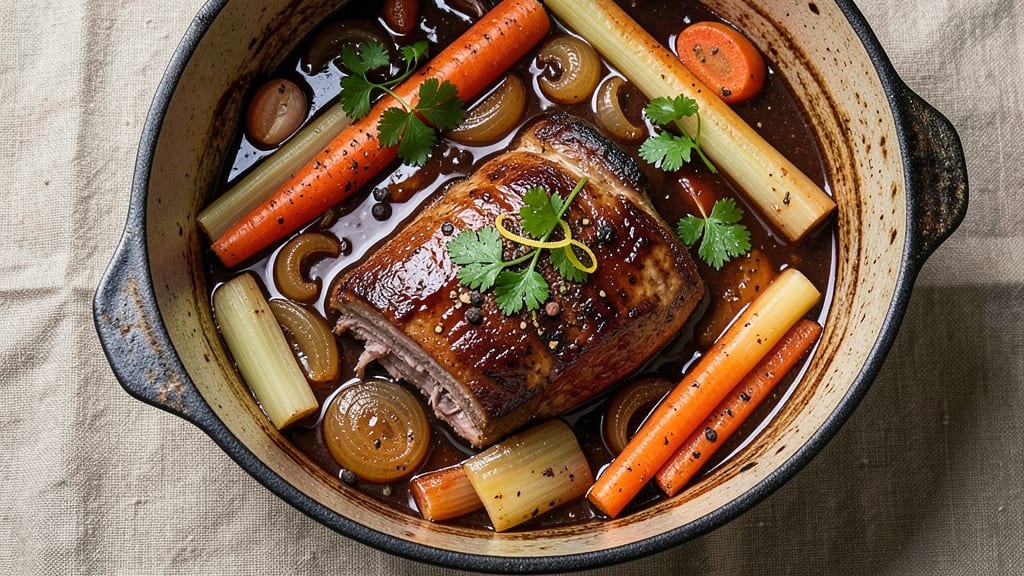
This beef and stout stew recipe transforms tough cuts into melt-in-your-mouth perfection with deep umami richness and a malty crust. The secret lies in slow braising—browning the beef first to develop a flavorful crust, then simmering it in stout beer and aromatic vegetables until tender.
Every bite delivers layers of complexity: caramelized edges, velvety broth, and the subtle bitterness of stout that balances the beef's richness.
The technique is straightforward but essential for restaurant-quality results: sear the beef in batches to avoid crowding, deglaze the pan with stout to capture all those browned bits, then simmer everything together until the meat falls apart.
This method ensures maximum flavor extraction while keeping the stew tender and juicy. The stout beer not only adds depth but also tenderizes the beef naturally, creating a dish that's both hearty and refined.
By the time you serve this stew, your kitchen will smell like a cozy pub, and the table will be covered with golden-brown beef swimming in a glossy, malty broth. The vegetables stay vibrant and sweet, while the crust on the beef adds a satisfying texture contrast.
It's the kind of dish that feels indulgent yet comes together with simple techniques—perfect for cold evenings or special gatherings.
Serve with crusty bread to soak up every last drop of that rich, flavorful broth. The leftovers, if there are any, taste even better the next day as the flavors meld further. This isn't just a stew—it's a flavor experience that turns a simple weeknight dinner into something memorable.
Ingredients for beef and stout stew
Pantry staples meet pub-style richness in this hearty beef and stout creation.
| Ingredient | Amount | Notes |
|---|---|---|
| Chuck Roast 🥩 | 2 lb | Tough cut for braising, pre-cubed preferred |
| Dark Stout Beer 🍺 | 2 cups | Guinness or similar malty stout |
| Yellow Onion 🧅 | 1 whole | Medium size, diced |
| Carrots 🥕 | 4 medium | Peeled, cut into chunks |
| Garlic Cloves 🧄 | 4 cloves | Peeled, smashed |
| Celery Stalks 🧅 | 3 whole | Trimmed, cut into pieces |
| Tomato Paste 🍅 | 2 tbsp | Smooth, not chunky |
| Beef Broth 💧 | 1 cup | Low-sodium preferred |
| Olive Oil 🫒 | 2 tbsp | Extra-virgin for searing |
| Thyme Leaves 🌿 | 1 tbsp | Fresh, or 1 tsp dried |
| Bay Leaves 🌿 | 2 whole | Dried, removed before serving |
| Salt 🧂 | 1 ½ tsp | Kosher or sea salt |
| Black Peppercorns 🌶️ | ½ tsp | Freshly cracked |
| Crusty Bread 🍞 | 8 slices | For serving, any variety |
The chuck roast is your secret weapon here—look for good marbling at the butcher counter, and ask for it pre-cubed if you're short on time. Costco or Whole Foods usually carry quality cuts, but any supermarket with a decent meat department will work. For the stout, Guinness is the classic choice, but Negra Modelo or Founders Kentucky Breakfast Stout bring different depth. The tomato paste is non-negotiable—San Marzano if you want to splurge, but any smooth variety works. Fresh thyme and bay leaves elevate this beyond basic stew territory.
No dark stout? Substitute with beef broth plus 1 tbsp molasses for similar depth. The tomato paste can be skipped if you're short on time, but it adds that caramelized richness. Pre-chopped mirepoix from the freezer section saves prep time—just check for no added salt. For a quicker version, use pre-cubed beef and cut the simmering time by 30 minutes. The crusty bread can be any variety—sourdough or baguette work perfectly, but even store-bought Italian bread does the trick.
This stew only gets better with time—3-4 days in the fridge lets the flavors meld perfectly. Portion into containers for easy lunches, and it freezes beautifully for up to 3 months. The crust on the beef develops during simmering, so don't rush it. For extra richness, top with extra butter before serving. Leftovers reheat wonderfully—just add a splash of water or broth to loosen the stew.
Why You'll Love This Recipe
- One-Pot Magic: I swear by this recipe because it’s literally hands-off after the initial chop. Chuck roast and dark stout do all the heavy lifting—just brown the meat, dump in the beer and veggies, and let it simmer. Honestly, the only thing you’re doing is stirring once, maybe twice.
- Beer-Braised Bliss: That dark stout isn’t just for drinking—it’s the secret weapon. The maltiness caramelizes into the meat, giving it this deep, almost smoky richness, while the garlic and onions add layers of warmth. Between us, it’s the kind of flavor that makes you slow down and savor every bite.
- Leftovers That Win: This stew actually improves the next day. The beef gets even more tender, and the flavors meld into something heartier. I make a double batch on Sundays because it’s my go-to for lunches—just reheat and serve with crusty bread. No sad leftovers here.
- Budget-Friendly Feast: Chuck roast is cheap, beer is cheap, and a few carrots and onions stretch it into a meal that feeds four for under $15. Here’s what sold me—it’s the kind of dish where you’re not sacrificing taste for savings. Plus, the stout adds that restaurant-quality depth without the price tag.
Step-by-step instructions for beef and stout stew
Master this rich, malty stew with tender beef and deep umami flavors.
Sear the Chuck Roast for Maximum Flavor
Heat the 2 tablespoons olive oil in a heavy Dutch oven over medium-high heat until shimmering. Pat the 2 lb chuck roast dry with paper towels—this ensures a proper sear. Working in batches if needed, add the chuck roast and sear until deeply browned on all sides, about 5-7 minutes per side. I press down gently with a spoon to prevent curling, which guarantees even browning.
The goal here is to develop a rich, caramelized crust on the beef that will dissolve into the stew later. If your pan gets crowded, work in two batches to maintain proper heat. Transfer the seared beef to a plate and set aside for now—we'll return to it once the vegetables have softened.
Build the Flavor Base with Aromatics
In the same Dutch oven, add the 1 whole yellow onion, 4 medium carrots, 3 whole celery stalks, and 4 cloves garlic cloves. Cook for 8-10 minutes, stirring occasionally, until the vegetables begin to soften and the onion becomes translucent. This step is where the foundational flavors develop—don't rush it.
After the vegetables have softened, stir in the 2 tablespoons tomato paste and cook for another 2 minutes until it darkens slightly. This deepens the stew's richness and balances the malty beer. The paste will stick to the bottom of the pan—this is good; it's packed with concentrated flavor. Sprinkle in the 1 tablespoon thyme leaves and 2 whole bay leaves at this stage.
Deglaze and Simmer the Stew
Pour in the 2 cups dark stout beer, scraping up any browned bits from the bottom of the pan with a wooden spoon. This deglazing step captures all the flavor you've built so far. Let the mixture simmer for 5 minutes to reduce slightly and allow the beer's maltiness to meld with the aromatics.
Add the seared chuck roast back to the pot along with the 1 cup beef broth, 1.5 teaspoons salt, and 0.5 teaspoon black peppercorns. Bring to a gentle boil, then reduce heat to low and cover partially. The stew should simmer at a steady gentle bubble—not a rolling boil—that will tenderize the beef without making it tough.
Braise Until Fork-Tender
Let the stew simmer uncovered for 2.5 to 3 hours until the beef is fork-tender and easily pulls apart. I check for doneness by inserting a fork—if it slides in with minimal resistance and the beef fibers separate cleanly, it's ready. The liquid should have reduced to a thick, rich consistency that coats the back of a spoon.
Here's the thing—don't peek or stir too often during this time. Every time you lift the lid, you lose heat and moisture. The stew needs that steady, undisturbed simmer to develop its deep flavor. If the liquid reduces too much before the beef is tender, add a splash of water or broth to maintain the proper consistency.
Finish and Serve with Crusty Bread
Once the beef is tender, remove the 2 whole bay leaves and adjust the seasoning if needed. The stew should be rich and flavorful, but not overly salty. If it's too thick, stir in a splash of water or broth to reach your desired consistency. Taste and make any final adjustments with salt or pepper.
Ladle the hot stew into bowls and serve immediately with the 8 slices crusty bread on the side. The bread is perfect for soaking up the rich, malty sauce. Each bite should deliver tender beef with layers of umami from the beer, sweetness from the carrots, and a deep, malty finish that lingers.
Pro Tips For Making Beef And Stout Stew
- SEAR THE ROAST HARD: Chuck roast loves a good crust, so don’t be shy with the heat—get that Dutch oven smoking hot before adding the meat. I used to rush this, and the stew always tasted like it needed more depth. Now I brown it in batches if needed, and the stout beer soaks up that caramelized flavor like a sponge.
- CHOP ONIONS COARSELY: Tiny onion pieces disappear fast and make the stew taste bland. Cut them into ½-inch chunks so they hold up through the long cook and add texture. (Yes, even if it looks messy—your future self will notice the difference.)
- SKIP THE BOILING BEER: If you simmer the stew too hard, the beer turns bitter and the carrots turn to mush. Keep it at a gentle bubble—you should barely see any movement in the liquid. A low oven (275°F) or stovetop on medium-low is your friend here.
- USE FROZEN CARROTS LAST: I know, frozen veggies sound lazy, but they stay intact and sweeter when added in the final 30 minutes. Fresh carrots? Toss them in early, but if you’re short on time, the frozen ones work—just don’t skip the last-minute stir.
Storing and reheating your beef and stout stew
Refrigerator Storage
Let your beef and stout stew cool to room temperature before transferring it to airtight containers. I use glass Pyrex containers with snap-on lids for best results—they prevent odors from seeping in and keep the stew fresh.
Store it in the refrigerator for up to 4 days, but honestly? The flavors get even better after 2-3 days as the beef absorbs more of that malty stout goodness. 💛
Freezer Prep Tips
For longer storage, portion the stew into freezer-safe containers or heavy-duty plastic bags, leaving 1 inch headspace for expansion. The stew freezes beautifully for up to 3 months, making it perfect for meal prep.
I like to freeze individual servings so I can thaw just what I need. When freezing, place the containers on a tray first to prevent sticking, then transfer to the freezer. ❄️
Stovetop Reheating
My preferred method for reheating is on the stovetop because it preserves the stew's texture and depth. Transfer the stew to a pot and heat over medium-low heat for 10-15 minutes, stirring occasionally. If it looks dry, add ¼ cup beef broth or water to loosen it up.
Taste and adjust seasoning—stews often need a pinch of salt after reheating. The slow, gentle heat keeps the beef tender and the flavors rich. 🔥
Microwave Shortcuts
For a quick reheat, cover the stew with a microwave-safe lid or damp paper towel and heat on 50% power for 3-4 minutes, stirring halfway. This prevents the edges from drying out.
If the stew seems too thick, add 2-3 tablespoons of water or broth and let it heat through. The microwave method works best for individual servings and is great when you're short on time. 💡
Reviving Leftovers
If your stew has thickened too much after reheating, don't worry—just add a splash of beer or broth and let it simmer for another 2-3 minutes. The stout beer adds a nice depth of flavor, almost like you're making it fresh again.
For extra richness, stir in 1 tablespoon of butter at the end. The crust on the beef will soften slightly, but the overall texture remains tender and flavorful. 💪
Serving Suggestions
Serve your reheated stew with crusty bread or mashed potatoes to soak up all that delicious sauce. If you're feeling fancy, top each bowl with a dollop of sour cream or a sprinkle of fresh parsley.
The contrast of warm stew and cool garnish makes every bite even more satisfying. Leftovers taste just as good as the first serving—sometimes even better! ✨
Nutrition facts
Frequently asked questions
Can I substitute regular beer for stout in this stew?
While you can use regular beer, dark stout adds depth and richness that lighter beers lack. For a similar effect, try a porter or amber ale, or add 1 tablespoon molasses per cup of beer to mimic the malty sweetness. The flavor will be different but still delicious!
How do I know when the beef is fully tender?
Test for doneness by inserting a fork into the thickest piece of beef. If it slides in with minimal resistance and the meat fibers separate cleanly, it's ready. The stew should also have reduced to a thick, glossy consistency that coats the back of a spoon. 2.5-3 hours of simmering is ideal for 2 lb chuck roast.
What if my stew is too thin after cooking?
Simmer the stew uncovered for an additional 15-20 minutes to reduce the liquid naturally. If it's still too thin, mash some of the cooked vegetables slightly or stir in 1 tablespoon cornstarch mixed with 2 tablespoons cold water to thicken it. Avoid adding flour directly to the stew—it can make it grainy.
Can I make this stew in a slow cooker?
Brown the beef first in a skillet, then transfer everything to your slow cooker. Cook on low for 6-8 hours or high for 3-4 hours. The slow cooker method is even more hands-off, but you'll lose some of the caramelized crust. Deglaze the pan with stout before adding it to the slow cooker for maximum flavor.
Why does my stew taste bitter?
Bitterness often comes from overcooking or using too much stout. To fix it, add a pinch of sugar or a splash of apple cider to balance the flavors. For prevention, simmer the stew uncovered and avoid lifting the lid too often. If the bitterness persists, a dollop of sour cream or crème fraîche can help smooth it out.