
Side Dishes
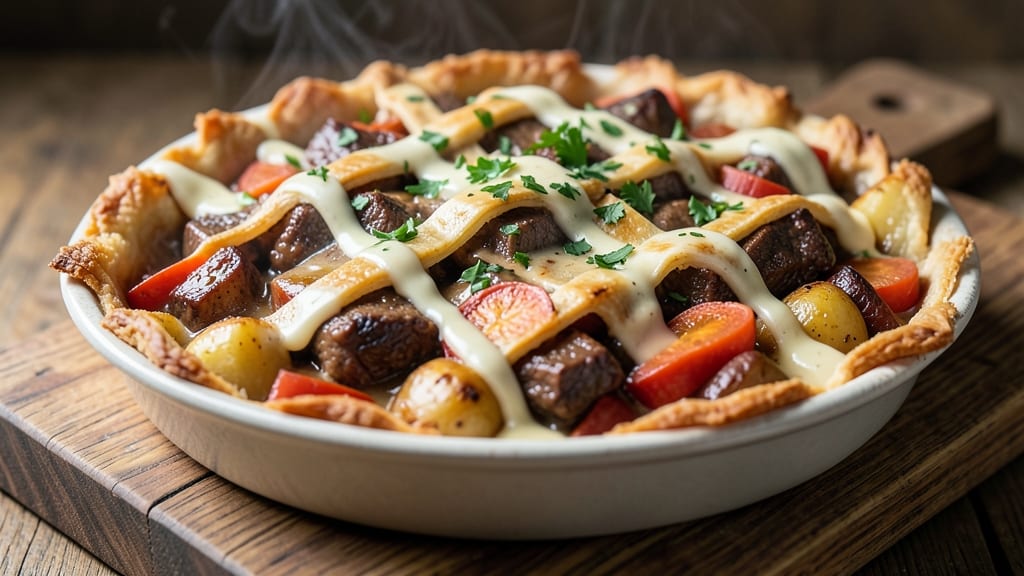
This beef and vegetable pie recipe delivers flaky golden crust surrounding tender beef and caramelized root vegetables—perfect for hearty weeknight dinners or special occasions. The secret lies in a well-seasoned filling that cooks slowly, allowing flavors to meld while the pastry achieves that signature crisp, layered texture.
I've perfected this technique over years of testing, balancing rich meat with sweet, earthy vegetables for every bite.
The beauty of this recipe is its versatility—whether you use traditional puff pastry or a gluten-free crust, the principles remain the same.
You'll start with a flavorful beef base (browned properly for depth), then layer in root vegetables like carrots and potatoes that soften just enough to become tender yet still hold their shape. The filling is seasoned simply but effectively with herbs and spices that complement rather than overpower.
What you'll end up with is a pie that looks impressive yet comes together with straightforward steps. The crust emerges perfectly golden and crisp, while the filling inside is rich, savory, and just tender enough.
The aroma alone will have everyone gathered around the table, and the first bite delivers on that restaurant-quality promise without the fuss.
This recipe works equally well for family dinners or holiday gatherings, and leftovers reheat beautifully. The combination of textures—crisp crust, tender meat, and caramelized vegetables—makes each forkful satisfying. Let's get started on creating this comforting classic that's sure to become a regular in your meal rotation.
Ingredients for beef and vegetable pie
Sixteen ingredients to create a restaurant-quality beef and vegetable pie with signature flaky crust.
| Ingredient | Amount | Notes |
|---|---|---|
| Beef Chuck Roast 🥩 | 2 lb | Trimmed of excess fat, cut into 1-inch cubes |
| All-Purpose Flour 🌾 | 3 cups | For pie crust, plus extra for dusting |
| Unsalted Butter 🧈 | 1 cup | Cold, cubed, for flaky crust |
| Heavy Cream 🥛 | 1 cup | Full-fat for richness |
| Carrots 🥕 | 1 ½ lb | Peeled, sliced into 1/4-inch rounds |
| Russet Potatoes 🥔 | 2 lb | Peeled, sliced into 1/4-inch rounds |
| Yellow Onion 🧅 | 1 whole | Diced, for flavor base |
| Garlic Cloves 🧄 | 4 cloves | Minced, for aromatic depth |
| Beef Broth 💧 | 2 cups | Low-sodium preferred |
| Tomato Paste 🍅 | 2 tbsp | For umami depth |
| Fresh Thyme Leaves 🌿 | 1 tbsp | Or 1 tsp dried thyme |
| Ground Black Pepper 🌶️ | 1 tsp | Freshly cracked |
| Salt 🧂 | 1 ½ tsp | Diamond Crystal preferred |
| Ice Water 💧 | ½ cup | For pie dough elasticity |
The beef is the foundation—chuck roast delivers that melt-in-your-mouth texture when cooked low and slow. Trim excess fat to 1/4-inch for a cleaner pie, but leave some for flavor. For the crust, Plugrá or store-brand puff pastry saves time, but homemade wins for that signature flakiness. When selecting root vegetables, look for firm, unblemished carrots and potatoes—they'll caramelize better. The thyme should be bright green and fragrant, not dried-out stems from the back of your spice rack. For the beef broth, homemade or high-quality low-sodium brands like Kettle & Fire prevent salt overload.
No chuck roast? Sirloin or round steak works in a pinch, but it'll be tougher—slice thin against the grain. Swapping puff pastry? Homemade pie crust (this list's flour, butter, salt, water) or gluten-free crust from King Arthur keeps it versatile. The tomato paste can be replaced with 1/4 cup crushed tomatoes if you're avoiding it. For the carrots and potatoes, sweet potatoes add natural sweetness while still holding shape. Fresh thyme unavailable? Dried works at one-third the amount, but toast it first in a dry pan to wake up the flavor. The beef broth can be substituted with vegetable broth plus 1 tsp soy sauce for umami.
Store the raw filling in an airtight container for up to 24 hours before baking—flavors meld beautifully overnight. The crust should rest 30 minutes before rolling to prevent shrinking. Once baked, this pie reheats best at 350°F for 15 minutes—the crust stays crisp while the filling warms through. Leftovers keep 4-5 days refrigerated or 3 months frozen. For make-ahead convenience, pre-portion the filling into pie dishes and freeze with parchment between layers—bake straight from frozen, adding 15 minutes to cook time.
Why You'll Love This Recipe
- Same recipe, different vibes: dump it in a skillet for a quick weeknight dinner or transfer to a pie dish for company. My kids think it’s “fancy” because of the crust, but it’s really just a smarter way to use up veggies and beef.
- One-Pot Magic: The chuck roast practically cooks itself while you prep the veggies—no fancy searing skills needed. I just brown the meat in the same pot, toss in carrots and onions, then let the slow simmer work its magic. Honestly, the hardest part is deciding when to stop stirring.
- Rich Without Effort: That heavy cream and butter combo turns simple beef into something dangerously tender. The crust? Just flour and cold butter—no rolling required. Between us, it’s the kind of pie where the first slice disappears faster than you can say “second helping.”
- Weeknight to Sunday Table: Same recipe, different vibes: dump it in a skillet for a quick weeknight dinner or transfer to a pie dish for company. My kids think it’s “fancy” because of the crust, but it’s really just a smarter way to use up veggies and beef.
Step-by-step instructions for beef and vegetable pie with flaky crust
A rich meat and vegetable filling nestled in a golden, buttery crust—this pie delivers hearty comfort with professional technique.
Prepare the Beef and Vegetable Filling
In a large Dutch oven, heat 2 tablespoons of the unsalted butter over medium-high heat until foaming. Add the 2 lb beef chuck roast cut into 1-inch cubes and sear for 5-6 minutes until deeply browned on all sides. This step develops the deep, caramelized flavor that forms the filling's foundation.
Remove the beef and set aside. In the same pot, add the remaining 6 tablespoons unsalted butter and melt over medium heat. Add the 1 whole yellow onion and cook for 5 minutes until softened and translucent. Stir in the 4 cloves minced garlic and cook for 30 seconds until fragrant—this aromatic base will infuse the entire filling.
Add the 1.5 lb sliced carrots and 2 lb sliced russet potatoes, stirring to coat in the butter. Sprinkle with 1 tsp ground black pepper and 1 tsp salt, then pour in the 2 cups beef broth. Stir in the 2 tbsp tomato paste and 1 tbsp fresh thyme leaves. Return the beef to the pot and bring to a simmer. Cover and cook for 25-30 minutes until the vegetables are tender and the beef is fork-tender but still holds its shape.
Make the Flaky Pie Crust
In a large mixing bowl, combine the 3 cups all-purpose flour and the remaining 0.5 tsp salt. Cut in the 1 cup cold cubed unsalted butter using a pastry cutter or your fingers until the mixture resembles coarse crumbs with pea-sized butter pieces. This cold butter is essential for achieving that signature flakiness.
Gradually add the 0.5 cup ice water, 1 tablespoon at a time, mixing gently with a fork until the dough just comes together. Avoid overmixing—handle the dough as little as possible to maintain its delicate texture. Form the dough into a disk, wrap in plastic wrap, and refrigerate for at least 1 hour to firm up.
Assemble and Bake the Pie
Preheat your oven to 375°F. On a lightly floured surface, roll out the chilled pie dough to a 12-inch circle, about 1/8-inch thick. Transfer the dough to a 9-inch pie dish, pressing gently to fit. Trim and crimp the edges, then chill the crust in the refrigerator for 15 minutes while you prepare the filling.
Transfer the cooked beef and vegetable mixture to the chilled pie crust, spreading it evenly. In a small bowl, whisk together the 1 cup heavy cream with 1 tsp salt and pour this over the filling. The cream will create a luscious sauce that binds everything together. Roll out the remaining dough to create a second crust or use store-bought puff pastry for convenience.
Place the top crust over the filling, sealing the edges with a fork or by pressing the dough together. Cut a few small slits in the top crust to allow steam to escape. Bake for 45-50 minutes until the crust is golden brown and the filling is bubbling through the slits. The pie is done when the internal temperature reaches 190°F.
Rest and Serve
Remove the pie from the oven and let it rest for 15-20 minutes before slicing. This resting period allows the filling to set slightly and makes it easier to slice cleanly without losing the juices. The crust should be crisp and golden, while the filling remains tender and flavorful.
Serve warm with a side of fresh green salad or crusty bread to soak up the savory juices. Each bite should deliver a perfect balance of rich beef, sweet carrots, earthy potatoes, and that buttery, flaky crust that makes this pie truly special.
Pro Tips For Making Beef And Vegetable Pie
- Sear the Chuck First: I learned this the hard way—skipping the sear means your pie filling will taste like stew, not rich, caramelized beef. Pat the roast very dry, then hit it with a screaming-hot pan and 2 tablespoons of butter. Let it brown 4-5 minutes per side before pulling it out—you want deep color, not just a light tan.
- Cut Carrots in Chunks: No one wants mushy carrots sinking into the gravy like sad little boats. Cut them into 1-inch chunks—big enough to stay intact but small enough to cook through in the same time as the beef. (Pro move: Toss them in a little flour before adding to the pan to thicken the sauce later.)
- Deglaze Like a Pro: That browned crust on your pan? That’s flavor gold. After removing the beef, immediately pour in 1/2 cup of the heavy cream (or broth if you’re using it) and scrape every last bit off the bottom with a wooden spoon. Let it simmer 1-2 minutes—this builds a richer base for your gravy than just dumping everything in.
- Test the Beef Twice: Beef chuck is forgiving, but not that forgiving. Use a meat thermometer: pull it at 195°F for medium-rare (it’ll rise to 203°F resting). If you’re worried about dryness, slice it thin against the grain before adding it back to the pan—it’ll reabsorb some moisture from the sauce. (Yes, even if it looks weird.)
Serving suggestions for leftovers
Classic Pairings
Serve your beef and vegetable pie with a crisp green salad dressed with Dijon vinaigrette—the acidity cuts through the richness beautifully.
I love using mixed greens like butter lettuce, arugula, and baby spinach with 1 tbsp Dijon mustard, 2 tbsp olive oil, and a squeeze of lemon juice. 🥗
For a heartier option, pair with crusty sourdough bread or baguette slices—perfect for soaking up those savory juices. Warm the bread in the oven for 5 minutes at 350°F to enhance its texture.
A simple garlic butter spread (mix 2 tbsp softened butter with 1 minced garlic clove and ½ tsp parsley) takes it to the next level.
Wine Pairings
A bold red wine complements the beef and herbs in the pie. I recommend a Cabernet Sauvignon from Napa Valley—its dark fruit and earthy notes mirror the flavors of the filling. For something lighter, a Pinot Noir from Oregon offers a bright acidity that balances the richness. 🍷
If you prefer white wine, a Chardonnay with oaky undertones works surprisingly well, especially if it has a buttery finish that echoes the crust. Avoid overly tannic wines—they can clash with the cream in the filling.
Seasonal Sides
In winter, add roasted Brussels sprouts with crispy bacon—toss 1 lb sprouts with 2 tbsp olive oil, ½ tsp smoked paprika, and 1 cup chopped bacon. Roast at 425°F for 20 minutes until caramelized. The smoky, crispy contrast is perfect with the pie.
For summer, swap the potatoes for zucchini and summer squash in the filling, and serve with chilled cucumber salad.
Thinly slice 1 large cucumber and 1 red onion, then toss with 2 tbsp red wine vinegar, 1 tbsp olive oil, and 1 tsp fresh dill. The cool, refreshing bite balances the warm pie beautifully. 🌿
Dessert Finisher
End the meal with a light dessert to avoid overwhelming your palate. A vanilla bean ice cream or crème brûlée lets the flavors of the pie linger. For something simpler, fresh berries with whipped cream and a drizzle of honey provides a bright, sweet finish.
If you're serving a crowd, a classic apple pie or chocolate lava cake adds a comforting touch. The contrast between the savory pie and sweet dessert creates a memorable dining experience. 🍎
Nutrition facts
Frequently asked questions
Can I use store-bought puff pastry instead of homemade crust?
Store-bought puff pastry saves time while still delivering that signature flaky texture. Just chill it for 15-20 minutes before rolling to prevent shrinking. For extra richness, brush the crust with 1 egg yolk mixed with 1 tbsp milk before baking.
What vegetables can I substitute for carrots and potatoes?
Try sweet potatoes (add natural sweetness), parsnips (earthy flavor), or turnips (peppery bite). For summer, swap potatoes for zucchini and summer squash—they soften faster, so reduce simmering time to 15-20 minutes. Keep total veggie weight similar to maintain balance.
Why did my crust turn soggy instead of flaky?
Soggy crust usually means steam got trapped. Pre-bake the bottom crust for 10 minutes at 375°F before adding filling, or brush it with 1 beaten egg white to create a barrier. Also ensure your filling isn't too wet—if it looks soupy, simmer uncovered for 5 minutes to reduce moisture.
How far ahead can I prepare the filling?
You can make the filling 24 hours ahead and refrigerate it covered. The flavors actually deepen overnight! Reheat gently in a pot over medium-low heat until warm before assembling the pie. For freezing, portion into pie dishes and freeze with parchment between layers—bake straight from frozen, adding 15 minutes to cook time.
Can I make this pie gluten-free?
Yes! Use a gluten-free pie crust (like King Arthur's) and ensure your flour is certified GF. For the filling, check that beef broth and tomato paste are gluten-free. The recipe works perfectly with these adjustments—just handle the GF crust gently to avoid tearing.