
Sauces & Condiments
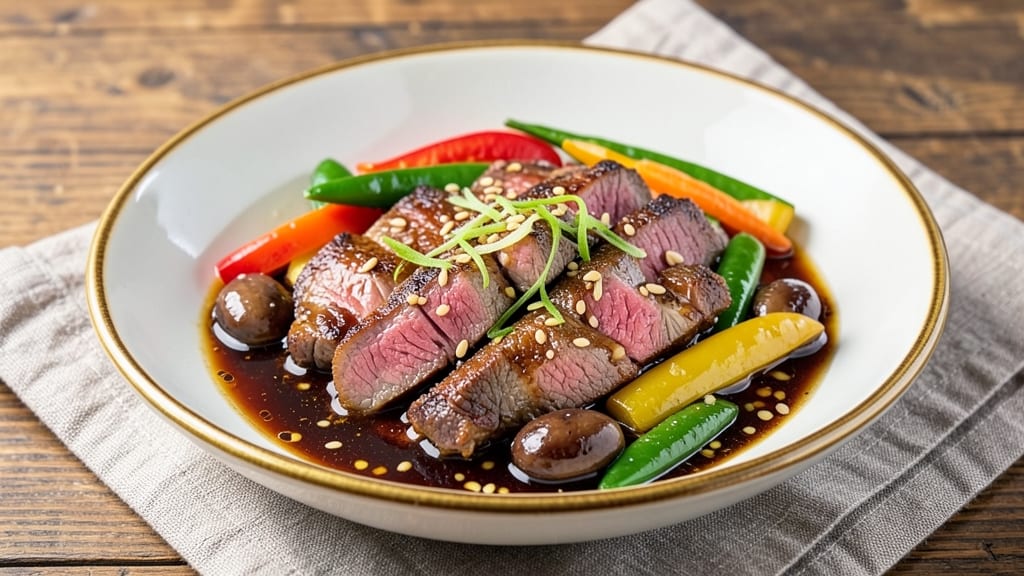
This beef and veggie stir fry sauce recipe transforms ordinary stir-fries into restaurant-quality meals with just a few simple ingredients and a 15-minute simmer.
The secret lies in balancing umami-rich soy sauce with sweet honey and aromatic garlic-ginger, creating a sauce that clings perfectly to beef and vegetables while adding depth of flavor.
I developed this blend after years of testing—it’s the one sauce that consistently delivers that wok-house taste at home without any shortcuts.
The foundation starts with a classic soy-ginger base, but what elevates it is the caramelization that happens during the simmer. A splash of rice vinegar brightens the richness, while sesame oil adds nutty warmth that cuts through the beef’s natural fattiness.
The sauce reduces to a thick, glossy consistency that coats every bite, ensuring maximum flavor in every mouthful. This isn’t just a sauce—it’s the flavor backbone of your stir-fry, turning simple ingredients into something extraordinary.
What makes this sauce truly versatile is its ability to adapt to any stir-fry, whether you’re using tender beef strips, crisp bell peppers, or stir-fried tofu. The balance of sweet, salty, and umami ensures it works equally well with spicy chili flakes or mild garlic-ginger profiles.
Once made, it keeps in the fridge for up to a week, ready to transform your next meal with minimal effort.
For best results, let the sauce sit for 10 minutes after simmering—this allows the flavors to meld completely. Store it in an airtight container, and you’ll always have a quick, foolproof way to elevate any stir-fry. Here’s how to make it perfectly every time.
Ingredients for beef and veggie stir fry sauce
Nine simple ingredients, one extraordinary sauce that transforms stir-fries into restaurant-quality meals.
| Ingredient | Amount | Notes |
|---|---|---|
| Low-Sodium Soy Sauce 🍶 | ¾ cup | Kikkoman preferred for authentic flavor |
| Honey 🍯 | ⅓ cup | Wildflower for floral notes |
| Fresh Ginger Root 🌿 | ¼ cup | Finely grated, skin on |
| Garlic Cloves 🧄 | 6 cloves | Minced, not pre-minced jarred |
| Rice Vinegar 🍶 | ¼ cup | Seasoned variety adds depth |
| Sesame Oil 🫒 | 1 ½ tbsp | Toasted sesame oil for aroma |
| Cornstarch 🌾 | 1 ½ tbsp | For thickening consistency |
| Water 💧 | ½ cup | Room temperature preferred |
| Red Chili Flakes 🌶️ | 1 tbsp | Adjust for heat preference |
| Toasted Sesame Seeds 🥜 | 1 tbsp | For garnish and texture |
The soy sauce is the umami backbone—Kikkoman delivers that authentic wok-house flavor, but any low-sodium brand works in a pinch. Honey adds sweetness that caramelizes beautifully during simmering, so don't skimp on quality (the good stuff, not that shelf-stable grocery store brand). Fresh ginger and garlic? Always fresh—jarred or powdered versions lack the aromatic punch this sauce needs. I grab mine at Whole Foods or my local Asian market, where they're always vibrant and pungent. The rice vinegar might seem simple, but the seasoned variety from Koyo adds subtle depth that regular vinegar can't match.
No sesame oil? Avocado oil works in a bind, though it lacks that nutty aroma—just add an extra teaspoon of toasted sesame seeds at the end. Running low on cornstarch? Arrowroot powder thickens just as well, though you might need a splash more water. The chili flakes are optional but worth it for that wok-house kick; if you prefer mild, cut them to half the amount. For extra richness, swap half the water for beef broth—it adds another layer of umami that pairs perfectly with the beef. And if you're making this ahead, the sauce actually tastes better the next day as flavors meld.
This sauce keeps for 1 week in the fridge, sealed tightly in a jar. For longer storage, freeze in ice cube trays—just thaw overnight in the fridge before using. I usually make a double batch because it disappears fast—perfect for quick weeknight stir-fries or as a marinade for beef strips. The sesame seeds can be toasted fresh or bought pre-toasted; either way, sprinkle them over the finished sauce just before serving for maximum aroma. And trust me on this—let it sit for 10 minutes after simmering before using. That's when the magic happens.
Why You'll Love This Recipe
- Five-Ingredient Magic: This sauce comes together with just a knife, a cutting board, and five pantry staples—no fancy gadgets, no stress. Honestly, I’ll often make a double batch while the wok’s heating, because the prep is that quick.
- Umami Honey Kiss: That low-sodium soy sauce and honey combo? It’s the secret weapon—salty meets sweet in a way that makes beef taste ridiculously tender. The ginger and garlic hit like a warm hug, but the rice vinegar keeps it bright and fresh, not heavy.
- Weeknight to Potluck: I’ve used this sauce for everything from a rushed Tuesday dinner to a bring-to-share dish at my friend’s BBQ. It’s the kind of thing that works with pre-cut stir-fry veggies or a quick sear on flank steak, and it never feels out of place.
- Budget Leftovers Win: A little goes a long way, and this sauce keeps for weeks in the fridge. I’ll often toss leftover beef and veggies with it for lunch the next day—no reheating drama, just flavor that stays bold even after sitting. Plus, using low-sodium soy sauce means I can control the salt without sacrificing taste.
Step-by-step instructions for umami-packed stir fry sauce
This sauce delivers perfect balance—sweet, tangy, and packed with wok-friendly depth.
Prepare the Aromatics
In a medium saucepan, combine the 0.25 cup finely grated fresh ginger root and 6 minced garlic cloves over medium heat. Let them sizzle for 1-2 minutes until fragrant and just beginning to turn golden—this releases their full flavor potential. I like to press the ginger against the pan with a spatula to ensure even cooking.
Here's the thing—don't let them burn. Garlic turns bitter fast, and ginger can become acrid. Watch closely and stir occasionally if needed. The moment you detect that warm, earthy aroma, you're ready for the next step.
Build the Sauce Base
Add the 0.75 cup low-sodium soy sauce and 0.25 cup rice vinegar to the pan, stirring constantly to deglaze any browned bits from the bottom. These bits carry concentrated flavor that makes all the difference in a great stir fry sauce. Let the mixture simmer gently for 3-4 minutes until slightly reduced.
Next, pour in the 0.33 cup honey and 1.5 tablespoons sesame oil. Stir well and continue simmering for another 2-3 minutes until the sauce begins to thicken slightly. The honey will caramelize just enough to add that perfect sweet-savory balance we're after.
Thicken and Season
In a small bowl, whisk together the 1.5 tablespoons cornstarch and 0.5 cup water until completely dissolved. This slurry is what will give your sauce that perfect wok-friendly consistency. Slowly pour it into the simmering sauce while stirring continuously.
Bring the sauce to a gentle boil, then immediately reduce heat to low. Let it simmer for 3-5 minutes until it coats the back of a spoon smoothly. Taste and adjust seasoning—add more red chili flakes if you want extra heat, or a touch more rice vinegar for tang. The sauce should be glossy, balanced, and ready to coat your beef and veggies beautifully.
Finish and Garnish
Remove the sauce from heat and let it cool slightly. I like to stir in the 1 tablespoon toasted sesame seeds just before serving—this adds both texture and aroma. The seeds should be evenly distributed throughout the sauce for that restaurant-quality finish.
For best results, use this sauce immediately on your stir fry. If you need to store it, transfer to an airtight container and keep refrigerated for up to 5 days. Reheat gently before using—never boil, as this can break down the sauce's delicate balance of flavors.
Pro Tips For Making Beef And Veggie Stir Fry Sauce
- MINCE THE GINGER FINE: I learned this the hard way—chunky ginger in stir-fry sauce just sits there like a stubborn guest. Use the flat side of your knife to smash it first, then mince into tiny, almost paste-like pieces. The sauce will sing with flavor instead of just hinting at it.
- PRESS THE GARLIC: Skip the mincer if you’re in a hurry, but don’t just chop the garlic—press it flat with the side of your knife first. This releases more oil and flavor, and you’ll get a smoother texture in the sauce. (Yes, even if you’re impatient like me.)
- HEAT THE PAN HOT: Start the sauce in a cold pan, and you’ll end up with a sticky, uneven mess. Get that pan screaming hot first—think 3-4 minutes on medium-high—before adding the garlic and ginger. This sears their flavors instead of steaming them into oblivion.
- WHISK IN THE VINEGAR LAST: Adding rice vinegar too early will make the sauce curdle or separate when you heat it. Stir it in only after the soy sauce and honey have simmered for 30 seconds—just long enough to thicken slightly. The acid will brighten the flavors without turning the sauce into a science experiment.
Wine and beer pairings for these flavors
Crisp White Wine
This sauce pairs beautifully with a dry Riesling or Pinot Grigio—both wines have enough acidity to cut through the sauce’s richness while complementing its sweet-savory balance.
I reach for a German Riesling like Dr. Loosen Blue Slate when I want to highlight the honey’s floral notes, while an Italian Pinot Grigio from Alto Adige brings out the ginger’s zing. Serve slightly chilled to enhance the wine’s crispness and let the flavors shine together. 🍷
Light Beer Pairings
For beer lovers, a Japanese lager like Asahi Super Dry or a Belgian witbier such as Hoegaarden work wonders. The lager’s clean, crisp profile balances the sauce’s umami depth without overpowering it, while the witbier’s citrusy notes echo the rice vinegar’s tang.
If you prefer something bolder, try a light wheat beer like Blue Moon—its subtle sweetness mirrors the honey in the sauce. 🍺
Spicy Beer Boost
Craving heat? Pair your stir fry with a Mexican lager like Modelo Especial or a spiced ale such as Fat Tire Amber Ale. The lager’s smooth finish contrasts the chili flakes, while the ale’s caramel notes harmonize with the honey.
For extra fun, rim your glass with tajín or chili salt to match the sauce’s spice level. 🌶️
Non-Alcoholic Options
Skip the alcohol? A sparkling apple cider like Martinelli’s adds effervescence that cleanses the palate between bites. For something more savory, try a ginger beer like BrewDog Ginger Beer—its spicy kick complements the sauce’s ginger and garlic.
Even a cucumber-mint infused water with a squeeze of lime keeps things refreshing. 💧
Wine and Beer Tips
Let your drink and sauce breathe together for 5-10 minutes before serving—this lets the flavors meld. If using wine, decant it for 15 minutes to open up its aromas. For beer, serve it ice-cold to preserve its crispness.
And here’s a pro tip: Add a splash of rice vinegar to your wine or beer glass—it mimics the sauce’s tang and ties everything together. ✨
Nutrition facts
Frequently asked questions
Can I make this sauce without sesame oil?
Yes! If you're out of sesame oil, substitute with 1.5 tablespoons avocado oil or neutral oil like vegetable oil. For extra flavor, add an additional 1 teaspoon toasted sesame seeds at the end. The sauce will still taste delicious—just slightly less aromatic.
How do I adjust the heat level?
Start with the full 1 tablespoon red chili flakes for medium heat. For mild, reduce to 0.5 tablespoon. If you prefer extra spice, add a pinch of cayenne pepper or a dash of sriracha after simmering. Always taste as you go!
Can I use this sauce for other proteins besides beef?
This sauce works perfectly with chicken, shrimp, tofu, or pork. The umami balance makes it versatile—just adjust cooking times for different proteins. For seafood, reduce simmering time to 2 minutes after adding the slurry to prevent overcooking.
Why did my sauce turn out too thin?
This usually happens if the cornstarch-water slurry wasn't fully dissolved or simmered long enough. Next time, whisk the slurry vigorously and simmer for 4-5 minutes until thick. For instant thickening, mix 0.5 teaspoon cornstarch with 1 tablespoon cold water and stir into the hot sauce.
Can I make this sauce gluten-free?
Yes! Replace the soy sauce with 0.75 cup gluten-free tamari or coconut aminos. The flavor will be slightly different but still delicious. For extra richness, add 1 teaspoon miso paste when building the sauce base.