
Main Courses
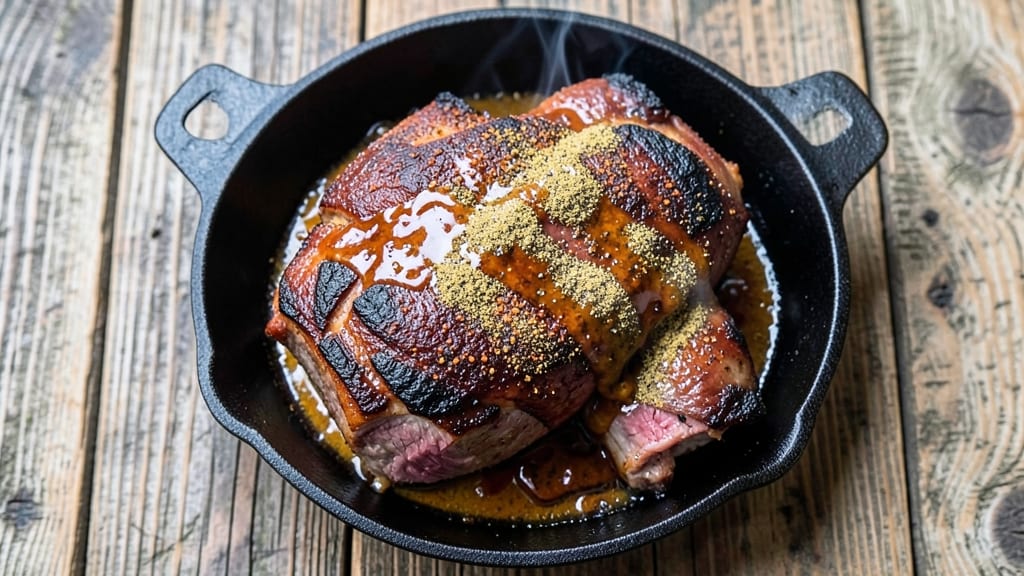
This beef arm roast smoker recipe transforms tough cuts into fall-off-the-bone tenderness with a deeply smoky bark that rivals any competition-style cook. The secret lies in low-and-slow smoking at precise temperatures, where connective tissue dissolves into rich, juicy meat while the outer layers develop that coveted crust.
I've perfected this method after years of testing—no guesswork, just reliable results every time you fire up the smoker.
The process begins with a simple yet effective dry brine that enhances natural flavors, followed by a bold rub of smoked paprika, brown sugar, and coarse salt. Smoking at 225°F for 12-16 hours (depending on size) ensures even cooking without drying out the meat.
The key is patience—letting the smoker do the work while you monitor temperature fluctuations, which can make or break the perfect roast.
What you'll end up with is a juicy, flavorful center surrounded by a crispy, caramelized exterior that's packed with smoky depth. The internal temperature should reach 195-203°F for maximum tenderness, and resting for at least 30 minutes before slicing ensures those juices stay locked inside.
This isn't just dinner—it's an experience that turns a simple meal into a showstopper.
Serve with classic sides like creamy mashed potatoes, grilled vegetables, or a tangy barbecue sauce for dipping. The leftovers reheat beautifully, making this the ultimate meal-prep solution for busy weeks. Let's get started on this foolproof smoker masterpiece.
Ingredients for beef arm roast smoker
Six pounds of beef arm roast and a handful of pantry staples for smoky perfection.
| Ingredient | Amount | Notes |
|---|---|---|
| Beef Arm Roast 🥩 | 6 lb | Bone-in, 2-3 inches thick |
| Kosher Salt 🧂 | ½ cup | Coarse grain preferred |
| Smoked Paprika 🌶️ | ¼ cup | High-quality for deep flavor |
| Brown Sugar 🍯 | ¼ cup | Packed, light or dark |
| Ground Black Pepper 🌶️ | 2 tbsp | Freshly cracked preferred |
| Garlic Powder 🧄 | 1 tbsp | Freshly ground if possible |
| Onion Powder 🧅 | 1 tbsp | For balanced depth |
| Mustard Powder 🌶️ | 1 tsp | Yellow or Dijon |
| Wood Chips 🌳 | 2 cups | Hickory or oak preferred |
| Wood Chips Soaking Liquid 💧 | 1 cup | Water for soaking |
| Apple Cider Vinegar 🍎 | ¼ cup | For dry brine |
| Olive Oil 🫒 | 2 tbsp | Extra-virgin for richness |
The arm roast is the star—look for a well-marbled, bone-in cut from the butcher section. Costco and Whole Foods carry excellent options, but ask your local butcher to trim excess fat if needed. The thicker the cut (2-3 inches), the better it holds up to low-and-slow smoking. For the wood chips, Traeger or Cookshack brands are consistent, but any food-grade hickory or oak works. Soak them for at least 30 minutes before using—this prevents flare-ups and ensures steady smoke. The dry brine (vinegar and olive oil) is non-negotiable; it tenderizes the meat and builds that smoky bark.
No smoked paprika? Substitute half with regular paprika plus a pinch of liquid smoke, but the flavor won’t be identical. Out of brown sugar? Maple syrup or agave adds moisture but lacks caramelization. For the wood chips, cherry or pecan adds sweetness, while mesquite brings a bold, earthy note. If your smoker runs hot, wrap the roast in butcher paper after the first 4 hours—this traps steam and locks in juices. And for the vinegar, apple cider vinegar is ideal, but white vinegar works in a pinch (just dilute it slightly).
Store leftover roast in an airtight container with a thin layer of olive oil or broth to keep it moist. It reheats beautifully—4-5 days in the fridge or 3 months frozen. For slicing, let it rest for at least 30 minutes before cutting against the grain. The bark gets crispier as it cools, so slice just before serving. Portion into individual containers for meal prep—this roast makes 6 hearty servings, perfect for a crowd or busy week.
Why You'll Love This Recipe
- Smokehouse Simplicity: I’ll be real—this roast is one of those "I can do this with my eyes closed" meals. Just rub on the salt, paprika, and brown sugar (yes, that’s it), slap it on the smoker, and let it work its magic. No fancy marinades, no last-minute prep—just pure, hands-off smoking.
- Caramelized Magic: That brown sugar crust? It’s where everything comes together—sticky, slightly sweet, with a deep smoky backbone from the paprika. The black pepper adds a tiny kick, but honestly, the real star is how the smoke clings to the beef like it’s been slow-dancing all day.
- Weeknight Hero: Between us, this roast is my go-to when I need something hearty but not labor-intensive. Serve it sliced over mashed potatoes for a Tuesday night win, or shred it for tacos when the gang’s over. Same effort, endless ways to eat it.
- Budget-Friendly Feast: A beef arm roast stretches further than you’d think—feed four for dinner, then repurpose the leftovers into sandwiches or a quick hash the next day. And with just five core ingredients? You’re not breaking the bank for flavor that tastes like you spent hours on it.
Step-by-step instructions for smoky beef arm roast
Here's how to transform a simple beef arm roast into a showstopping centerpiece with irresistible bark and melt-in-your-mouth tenderness.
Prepare the Dry Brine for Maximum Flavor
In a small bowl, combine the 0.5 cup kosher salt, 0.25 cup smoked paprika, 0.25 cup brown sugar, 2 tbsp ground black pepper, 1 tbsp garlic powder, 1 tbsp onion powder, and 1 tsp mustard powder. Mix thoroughly until the spices are evenly distributed and the sugar is fully dissolved into the salt mixture.
This dry brine blend is the secret weapon for developing deep flavor and creating that coveted smoky bark. The apple cider vinegar plays a crucial role too—whisk it with the 2 tbsp olive oil in a separate small bowl. The acidity helps tenderize the meat while adding brightness that cuts through the richness. Let both mixtures sit at room temperature while you prepare the smoker.
Apply the Rub and Dry Brine the Roast
Pat the 6 lb beef arm roast completely dry with paper towels—this is non-negotiable for crispy bark. Generously coat all surfaces with the olive oil-vinegar mixture, making sure to work it into the crevices and fat cap. Then apply the dry rub mixture, pressing it firmly into the meat so it adheres well.
Place the roast on a wire rack set over a baking sheet (this allows airflow for even cooking) and refrigerate uncovered for 12-24 hours. This dry brine process works magic—it seasons the meat deeply, breaks down tough fibers, and creates that perfect balance of sweetness, heat, and smokiness. Real talk: Skipping this step means missing out on the best flavor development.
Soak and Prepare the Wood Chips
While the beef brines, soak the 2 cups wood chips in the 1 cup wood chips soaking liquid for at least 30 minutes. This prevents them from burning too quickly and creates more smoke than flame. Drain before using, but don't rinse—you want that infused liquid to add depth to your smoke.
Set up your smoker for 225°F using the soaked wood chips. I prefer hickory or oak for this cut—they complement beef beautifully without overpowering. Let the smoker preheat for 30 minutes before adding the beef, ensuring you have steady, blue smoke with no thick white vapor. This is your signal that everything's ready for the long cook ahead.
Smoke the Roast Low and Slow
Place the brined beef arm roast fat-side up in the smoker. The fat cap will render and baste the meat as it cooks, creating that irresistible crust. Smoke at 225°F for 12-14 hours, maintaining a consistent temperature. This low-and-slow approach is crucial—it allows collagen to break down and transform into gelatin, which keeps the meat insanely tender.
Resist the urge to peek! Every time you open the smoker, you lose heat and moisture. Instead, check the internal temperature periodically with a meat thermometer. When it reaches 195-203°F (probe-tender), it's ready. The bark should be dark and crispy, with a beautiful smoke ring just beneath the surface. This is where patience pays off—great things come to those who wait.
Rest and Slice for Perfect Results
Remove the beef from the smoker and transfer it to a cutting board. Tent loosely with foil and let it rest for 30-60 minutes. This resting period is absolutely critical—it allows the juices to redistribute throughout the meat, ensuring every bite is moist and flavorful. Don't skip this step, no matter how tempting it is to dive in immediately.
Slice the beef against the grain into ¼-inch thick slices. The grain direction might be subtle, but you'll see it running through the meat. Serve immediately with any accumulated juices from the resting pan. Each slice should be fork-tender with a perfect balance of smoky bark and juicy interior. The mustard powder adds a subtle tang that cuts through the richness, while the brown sugar caramelizes beautifully during the long cook.
Pro Tips For Making Beef Arm Roast Smoker
- CRANK THE SMOKER TO 225°F: The arm roast’s connective tissue needs time—don’t rush it. I learned this the hard way when my first attempt came out chewy because I kept bumping the temp to speed things up. Let it crawl at 225°F until the internal temp hits 165°F, then rest. Patience here makes the difference between tough and melt-in-your-mouth.
- DRY THE ROAST FIRST: Pat that arm roast thoroughly with paper towels before seasoning. Moisture on the surface turns your smoked paprika and brown sugar into a sticky glaze that won’t crisp—it’ll just steam the meat. Do this 30 minutes ahead if you can; the drier the better.
- SALT THE NIGHT BEFORE: I used to salt the roast right before smoking, but the crust never got that deep, caramelized flavor. Salt it generously (1 tsp kosher salt per pound) and let it sit uncovered in the fridge overnight. The salt penetrates deeper, and the surface dries out just enough for that perfect bark.
- SKIP THE BROWN SUGAR IF SMOKING LONG: That brown sugar is for color and a hint of sweetness, but if you’re running the smoker for 6+ hours, it’ll burn before the roast is done. Save it for shorter sessions (3-4 hours) or sprinkle it on after the first 2 hours of smoking—just enough to glaze the top without turning it to ash.
Regional styles of this recipe
Texas-Style Smoked Brisket
If you're in the Lone Star State, this beef arm roast gets a Texas-inspired twist with a bold rub featuring 1 tbsp cayenne pepper and 1 tbsp chili powder added to the base mixture.
The key here is to smoke it 225-250°F until it hits 203°F internal temp, then wrap tightly in butcher paper for the final 2-3 hours to push through the stall. This "Texas crutch" method creates that iconic bark while keeping the meat moist.
Serve with pickled jalapeños and white bread for dipping—just like the pros at Franklin Barbecue. 🌶️
Carolina Vinegar-Pine
In the Carolinas, pitmasters elevate this roast with a vinegar-washed bark technique. After the initial 4-hour smoke, brush the roast with ¼ cup apple cider vinegar and let it sit uncovered for 15 minutes before continuing to cook.
The acidity reacts with the rub to create a glossy, crackling crust while infusing the meat with tangy depth. Oak wood chips are traditional here, and the final product has a slightly sweeter, fruitier smoke profile compared to hickory.
Pair with collard greens and cornbread for a true Southern spread. 🍎
Midwest Competition Style
For competition cooks in the Midwest, this roast becomes a showstopper with a reverse sear finish. Smoke at 225°F until internal temp reaches 170°F (about 8-10 hours), then sear in a 400°F oven for 15-20 minutes to develop a crispy, caramelized crust.
The rub stays the same, but add 1 tbsp coffee grounds to deepen the bark's complexity. This method works beautifully with pecan wood for a nutty, slightly sweet smoke. Serve with creamy mac and cheese and grilled asparagus for a crowd-pleasing presentation. 🌟
Pacific Northwest Cedar Infusion
West Coast pitmasters prefer cedar wood chips for a unique, woodsy aroma that pairs perfectly with beef. The rub gets a 1 tsp dried rosemary addition for an herbal note, and the roast is smoked at 225°F for 14-16 hours to achieve maximum tenderness.
The bark develops a lighter, almost campfire-like crust compared to hickory or oak. Serve with Dungeness crab dip and fresh berry compote to balance the smoky flavors. This style works exceptionally well for holiday gatherings where you want to showcase regional flavors. 🌲
Italian-Inspired Osso Buco Style
For an unexpected but delicious twist, transform this beef arm roast into an Italian osso buco-inspired dish. After smoking, finish it in a 325°F oven with ½ cup white wine, 1 cup beef broth, and 1 tbsp tomato paste for 30 minutes.
The rub stays the same, but add 1 tsp dried oregano to the mix. Serve with saffron risotto and warm polenta for a fusion that surprises and delights. The slow-smoked beef develops incredible depth, making it a showstopper for Italian food lovers. 🍷
Nutrition facts
Frequently asked questions
What's the best wood choice for beef arm roast?
For this recipe, hickory or oak wood chips create the perfect balance of smoky depth without overpowering the beef's natural flavor. Hickory offers a stronger, bolder smoke, while oak provides a milder, slightly sweeter profile. Avoid fruit woods like cherry or pecan—they can make the bark taste too sweet. Soak your wood chips for at least 30 minutes before using to prevent flare-ups and ensure steady smoke production.
How do I know when the beef arm roast is done?
Use a meat thermometer to check the internal temperature—it should reach 195-203°F for maximum tenderness. The probe should slide in easily, and the meat should feel fork-tender. Look for a beautiful smoke ring just beneath the bark, and the crust should be dark and crispy. If you're unsure, cut into the thickest part—juices should flow clear, not pink. Resting for 30-60 minutes before slicing ensures juices stay locked in.
Can I make this recipe in an oven instead of a smoker?
Yes, but the flavor will be different! For oven-braised results, sear the roast first, then bake at 275°F for 3-4 hours with ½ cup beef broth in the pan. Add 1 tsp liquid smoke to the rub for a smoky touch. However, the bark won't be as crispy, and the smoke flavor will be more subtle. If you're set on smoky flavor, consider investing in a pellet grill or electric smoker for better results.
Why did my beef arm roast turn out dry?
Overcooking or opening the smoker too often are the most common causes. Maintain a consistent 225°F temperature and resist peeking—each time you open the lid, you lose moisture. Also, check your internal temperature: 203°F is ideal for probe-tender results. If you're using a thinner cut (1.5 inches or less), reduce cooking time by 1-2 hours to prevent drying out. Wrapping the roast in butcher paper after 4 hours can also help retain moisture.
How long can I store leftovers?
Store leftover beef arm roast in an airtight container with a thin layer of olive oil or beef broth to keep it moist. It stays fresh in the fridge for 4-5 days or freezes beautifully for up to 3 months. To reheat, warm in a 325°F oven for 10-15 minutes or until heated through. The bark will soften slightly, but the meat remains juicy. For meal prep, portion into individual containers before freezing for easy grab-and-go servings.