
Soups & Stews
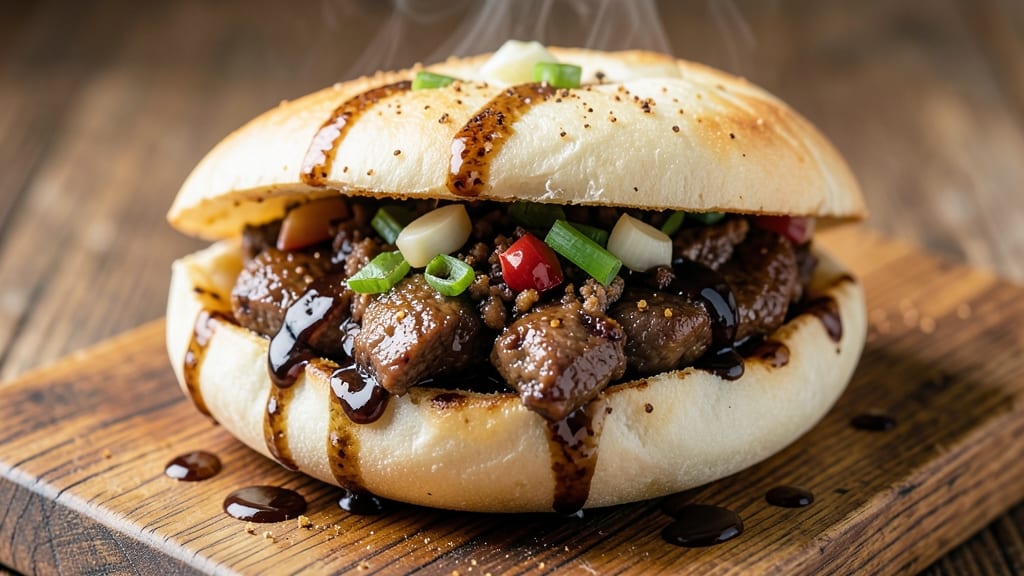
This beef bao filling recipe delivers restaurant-quality spiced ground beef that's perfectly balanced—tender, aromatic, and packed with five-spice warmth. The secret lies in slow-braising the meat until it's fork-tender, then finely chopping it for that signature bao texture.
I developed this version after years of testing, ensuring every bite stays juicy and flavorful even after steaming in the buns.
The foundation is a simple but critical technique: browning the beef first to develop deep, meaty flavors before simmering it in a fragrant broth. Five-spice powder, soy sauce, and a touch of sugar create that signature Chinese takeout taste, but with restaurant-level depth.
The filling stays cohesive when stuffed into buns, never falling apart or turning mushy.
What makes this recipe work is the balance of textures—finely chopped beef that's still slightly springy, with just enough fat to keep everything moist. The spices infuse the meat without overpowering, creating that addictive umami-sweet-savory profile that makes bao so irresistible. This is the filling you'll crave again and again.
Perfect for homemade bao sandwiches, dumplings, or even as a filling for lettuce wraps. The recipe scales easily, so you can make a big batch and freeze portions for quick meals later. Let's get started with the step-by-step method that guarantees perfect bao filling every time.
Ingredients for beef bao filling
Restaurant-quality bao filling starts with these 14 ingredients—simple but transformative.
| Ingredient | Amount | Notes |
|---|---|---|
| Ground Beef (Chuck) 🥩 | 1 ½ lb | 80% lean, finely chopped post-cooking |
| Five-Spice Powder 🌶️ | 1 tbsp | Authentic Chinese blend preferred |
| Light Soy Sauce 🍶 | ½ cup | Kikkoman or similar quality |
| Dark Soy Sauce 🍶 | 1 tbsp | For deeper color and flavor |
| Granulated Sugar 🍚 | 1 tbsp | Balances savory and sweet notes |
| Garlic Cloves 🧄 | 4 cloves | Minced, aromatic foundation |
| Fresh Ginger 🌿 | 1 tbsp | Finely grated, bright flavor |
| Sesame Oil 🫒 | 1 tsp | Toasted sesame oil for aroma |
| Green Onions 🧅 | 2 whole | Sliced, fresh green onion |
| Shaoxing Wine 🍷 | ½ cup | Chinese cooking wine preferred |
| Vegetable Oil 🫒 | 2 tbsp | High smoke point for browning |
| Water 💧 | 1 cup | For braising liquid |
| Salt 🧂 | ½ tsp | Adjust to taste |
| Black Pepper 🌶️ | ½ tsp | Freshly ground |
The beef is everything here. Chuck roast ground fine (or buy pre-ground) gives that signature tender texture—sirloin stays too tough. I always grab mine from Costco when making big batches, but the regular supermarket ground beef works fine for smaller portions. Look for 80% lean—the fat keeps the filling juicy. Fresh garlic and ginger are non-negotiable; frozen works in a pinch but fresh delivers that bright, aromatic punch. Penzeys or Asian markets carry the best five-spice blends—avoid generic grocery store versions if possible.
No Shaoxing wine? Dry sherry or even a splash of rice vinegar works, though the flavor will be subtly different. Short on sesame oil? A few drops of toasted sesame paste in the braising liquid mimics the aroma. The soy sauces are key—light for flavor, dark for color. If you only have one, use light soy sauce plus 1 tsp molasses for depth. For the green onions, use only the green parts—the white bulbs get tough. The sesame oil should smell nutty and toasted; if it smells flat, it's past its prime.
This filling keeps beautifully—3 days in the fridge or 3 months in the freezer. Portion into airtight containers with parchment between layers to prevent sticking. For freezing, spread portions on a tray first to avoid clumping. Reheat gently in a skillet with a splash of water to restore moisture. Never microwave—it turns the filling rubbery. The filling reheats best when warmed through slowly, either in a steamer basket or simmered in a pot with a splash of water.
Why You'll Love This Recipe
- Five-Spice Magic: I swear by that first whiff of five-spice powder hitting the hot beef—it’s like a warm hug in a bowl. The chuck stays juicy while the spices bloom into this cozy, slightly sweet-savory depth that’s ridiculously hard to resist.
- No-Fuss Ground: Honestly, this filling is one of those recipes where you can’t mess it up. Brown the beef, dump in the soy sauces and sugar, stir—done. No fancy searing, no fancy techniques, just reliable, satisfying flavor every single time.
- Bao or Bowl: Between us, this filling works in bao and as a quick stir-fry or even stuffed into lettuce wraps. Double the batch on Sunday, and you’ve got breakfast, lunch, and dinner covered without thinking.
- Budget Powerhouse: Ground chuck is cheap, and these ingredients stretch forever. A pound of beef makes enough filling for four bao or a big pot of rice—either way, you’re feeding your family without breaking the bank. (Yes, even on a Tuesday night.)
Step-by-step instructions for beef bao filling
This method delivers tender, aromatic ground beef with perfect texture and balanced seasoning.
Sear the Ground Beef Until Browned
Heat the 2 tablespoons vegetable oil in a large skillet over medium-high heat until shimmering. Add the 1.5 pounds ground beef (chuck) and break it up with a wooden spoon, distributing it evenly across the pan. Let the beef cook undisturbed for 3-4 minutes until it begins to brown and release fat.
This initial searing step develops deep flavor through the Maillard reaction. You'll know it's ready to stir when the beef releases from the pan easily and takes on a deep golden brown color. Avoid overcrowding the pan—this prevents proper browning. If needed, work in batches, but keep the cooked beef warm while finishing the second batch.
Add Aromatics and Build the Flavor Base
Push the browned beef to one side of the pan and add the 2 tablespoons vegetable oil if needed. Add the 4 cloves minced garlic cloves and 1 tablespoon finely grated fresh ginger, cooking for 30 seconds until fragrant. The garlic should smell pungent and the ginger should release its bright aroma.
Return the beef to the center of the pan and stir to combine. Add the 1 tablespoon five-spice powder, 1 tablespoon dark soy sauce, and 0.5 teaspoon salt, mixing well. The spices will bloom immediately, filling your kitchen with warm, aromatic notes. Cook for another 2 minutes to toast the spices and deepen their flavors.
Deglaze and Simmer with Liquids
Pour in the 0.5 cup Shaoxing wine and scrape up any browned bits from the bottom of the pan with a wooden spoon. This deglazing step captures all the concentrated beef flavor. Let the wine simmer for 2-3 minutes until reduced by half, then add the 0.5 cup light soy sauce and 1 tablespoon granulated sugar. Stir well to combine.
Add the 1 cup water, bring to a gentle simmer, and cover the pan. Reduce heat to medium-low and let it cook for 15-20 minutes, stirring occasionally. The filling should be tender and moist, with a glossy sheen from the reduced sauce. If the mixture looks too dry, add 1-2 tablespoons water to maintain moisture.
Finish with Sesame Oil and Green Onions
Once the beef is fully tender and the sauce has thickened slightly, remove the pan from heat. Stir in the 1 teaspoon sesame oil and 2 whole sliced green onions. The sesame oil adds a nutty aroma and rich depth of flavor. Taste and adjust seasoning with the 0.5 teaspoon black pepper if needed.
The filling should be rich, slightly sweet, and deeply aromatic with a balance of umami from the soy sauces and warmth from the five-spice powder. Let it cool slightly before stuffing into bao buns. The filling will continue to develop flavor as it cools, making it even more complex and delicious.
Pro Tips For Making Beef Bao Filling
- CHILL THE MEAT FIRST: I learned this the hard way—adding cold ground chuck straight from the fridge to a hot pan makes the filling greasy and uneven. Break the meat into ½-inch chunks, toss them in a bowl with 1 teaspoon of five-spice powder, and let them sit at room temp for 10 minutes before cooking. This guarantees even browning and better flavor absorption.
- USE DARK SOY SAUCE LAST: Dark soy sauce isn’t just for color—it’s for depth. Add it in the final 30 seconds of cooking so the filling doesn’t turn into a muddy glaze. If you’re impatient like me, at least wait until the beef is fully cooked and resting before stirring it in.
- BREAK UP THE MEAT WELL: Big chunks of beef in bao filling are a textural nightmare. Use your hands (or a fork) to break the meat into pea-sized pieces before it hits the pan. This isn’t just about presentation—it ensures every bite has that perfect balance of beef, fat, and seasoning without chewing through a tough clump.
- REST THE FILLING: Skipping this step is how you end up with soggy bao. Once the beef is cooked and off the heat, tent it with foil and let it sit for 5 minutes. The residual heat finishes cooking it through while the juices redistribute—no more dry, crumbly filling when you pack it into the bao. (Yes, even if you’re impatient.)
Essential equipment for great beef bao filling
Skillet Essentials
Start with a 12-inch cast iron skillet—it retains heat beautifully and develops deep, caramelized flavors through the Maillard reaction. My go-to is a Lodge Pre-Seasoned Skillet because it handles high heat without warping.
If you don’t have cast iron, a heavy-bottomed stainless steel skillet (like All-Clad) works well too—just avoid nonstick, as it can’t handle the high heat needed for proper browning. 🔥
Wooden Spoon & Spatula
A long-handled wooden spoon (I use OXO Good Grips) is essential for breaking up the beef without tearing it. Wood won’t react with the acidic soy sauce like metal might.
For flipping and scraping up browned bits, keep a heat-resistant silicone spatula (like Mercer Culinary) nearby—it’s flexible enough to reach every corner of the pan.
Fine-Mesh Strainer
After simmering, you’ll need a fine-mesh strainer (like OXO Good Grips) to drain any excess liquid if you prefer a drier filling. This step isn’t mandatory, but it helps achieve that signature bao texture—finely chopped but not soggy.
If you skip it, just pat the filling dry with a paper towel before stuffing into buns.
Measuring Spoons & Scale
Precision matters with spices and liquids. Use stainless steel measuring spoons (like KitchenAid) for the five-spice powder and sesame oil—they’re less prone to rust than plastic. For the ground beef, a digital kitchen scale (like OXO Good Grips) ensures you hit the 1.5 pounds mark exactly.
Weighing is more accurate than volume measurements for ground meat.
Steamer Basket (Optional)
If you’re reheating leftovers, a bamboo or metal steamer basket (like Norpro) is a game-changer. Place the filling in a heatproof bowl inside the basket, then steam over boiling water for 5-7 minutes to restore moisture without drying it out.
This mimics the traditional bao-steaming process and keeps the texture perfect. 💫
Nutrition facts
Frequently asked questions
Can I substitute regular ground beef for chuck roast?
You can use regular ground beef (like 80% lean sirloin), but chuck roast is ideal for its higher fat content and tenderness. For best results, choose a fine grind—chuck stays juicier and more flavorful when slow-braised. If using sirloin, reduce the braising time to 10-12 minutes to avoid drying it out.
What if I don't have Shaoxing wine?
No problem! Use dry sherry or even rice vinegar (1:1 ratio) as a substitute. For a deeper flavor, add 1/2 teaspoon fish sauce to mimic the umami complexity. The filling will still taste delicious, though the aroma will be slightly different.
How do I adjust the recipe for smaller portions?
This recipe scales perfectly. For 1 serving, use 1/4 lb ground beef, 1/4 cup soy sauce, 1 tsp five-spice powder, and 1 tbsp Shaoxing wine. Keep all other ingredients proportional. The texture and flavor remain consistent, just reduce everything by 1/4.
Can I make this filling ahead of time?
This filling keeps for 3 days in the fridge or 3 months in the freezer. Store in an airtight container with parchment paper between layers. To reheat, warm in a skillet with 1 tsp water over low heat for 3-5 minutes. Never microwave—it makes the filling rubbery!
Why does my filling turn out dry or crumbly?
Dry filling usually means overcooking or insufficient liquid. Always simmer with 1 cup water and check moisture after 15 minutes. If too dry, add 1-2 tbsp water and simmer uncovered for 2 more minutes. For crumbly texture, ensure the beef is finely chopped post-cooking—use a sharp knife or pulse in a food processor briefly.