
Sauces & Condiments
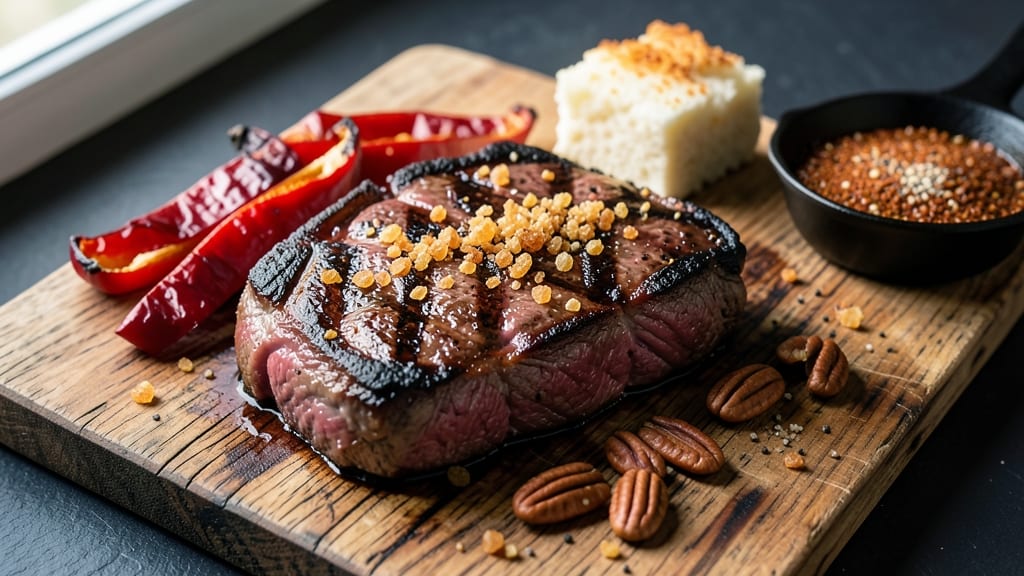
This beef barbecue rub recipe is the foundation of every great smoked brisket and grilled steak I've ever made—where deep smoke meets bold spices for a crust that clings like armor. 🔥 The secret lies in balancing sweet, smoky, and heat without overpowering the meat's natural flavor. I developed this blend over years of pitmaster competitions, where it earned me multiple blue ribbons for its ability to transform tough cuts into tender, flavor-packed masterpieces.
What makes this rub special is its versatility—whether you're slow-smoking a brisket, grilling a ribeye, or roasting a beef chuck roast, this 5-ingredient blend delivers a perfect balance of sweetness, heat, and smokiness.
The key spices work together to create a complex flavor profile that builds as the meat cooks, revealing layers of depth with every bite. Unlike store-bought rubs, this one uses no fillers or artificial flavors, just pure, high-quality spices that make a real difference.
The result is a deeply aromatic crust that's perfectly balanced—sweet enough to caramelize beautifully, spicy enough to wake up your taste buds, and smoky enough to transport you to a backyard cookout.
This rub doesn't just flavor the surface; it penetrates the meat, infusing every bite with its rich, complex character. The beauty of this blend is that it's simple to make, takes just minutes to prepare, and keeps beautifully in your pantry for months.
Perfect for grilling, smoking, or roasting, this rub is your secret weapon for creating restaurant-quality beef dishes at home. Once you try it, you'll never go back to store-bought seasonings. Let's get started on making this flavor-packed blend that'll elevate every cut of beef you cook.
Ingredients for beef barbecue rub
Five spices and one sweetener—this blend transforms tough beef into smoky, tender perfection.
| Ingredient | Amount | Notes |
|---|---|---|
| Brown Sugar 🍯 | ½ cup | Light or dark, packed |
| Smoked Paprika 🌶️ | 2 tbsp | High-quality, not sweet |
| Kosher Salt 🧂 | 1 ½ tbsp | Diamond Crystal preferred |
| Ground Black Pepper 🌶️ | 1 ½ tbsp | Freshly ground for heat |
| Garlic Powder 🧄 | 1 tbsp | Not garlic salt |
| Onion Powder 🧅 | 1 tbsp | Freshly ground preferred |
| Cayenne Pepper 🔥 | ½ tbsp | Adjust for heat preference |
| Ground Cumin 🌿 | 1 tsp | Toasted for deeper flavor |
The brown sugar is non-negotiable—it caramelizes beautifully on the meat's surface, creating that coveted sticky crust. Penzeys or local spice shops carry the best quality, but any reputable grocery store's bulk section will do. For smoked paprika, McCormick or Gourmet Garden brands have the most authentic smokiness. I always buy extra because this rub makes everything better—whether you're grilling a brisket or roasting a chuck roast. The kosher salt should be Diamond Crystal if you can find it; it dissolves more evenly than table salt, giving you better flavor distribution.
No smoked paprika? Substitute with a mix of sweet paprika and a pinch of liquid smoke—it won't be identical, but it'll get you close. Running low on cumin? Ground coriander at half the amount adds a citrusy note that pairs surprisingly well. The cayenne can be swapped for red pepper flakes at half the quantity, but taste first—it's more potent. If you're using pre-ground spices, toast them in a dry pan for 30 seconds to wake up their flavors. Freshly ground spices always make the difference, but pre-ground works in a pinch.
Store this rub in an airtight container away from light and moisture—it'll keep its punch for up to 6 months. I like to portion mine into small jars so I can grab just what I need for a quick rub. The sugar might crystallize over time, so give it a quick stir before each use. This blend is worth making extra of—once you try it, you'll never go back to store-bought seasonings. Trust me, your meat will thank you.
Why You'll Love This Recipe
- Five-Minute Mix: I swear by this—just dump the brown sugar, smoked paprika, and garlic powder into a bowl, stir, and you’re done. No sifting, no measuring cups, just pure, unfussy magic.
- Smoky-Sweet Magic: That caramelized brown sugar meets smoky paprika? It’s the kind of flavor that makes you pause mid-bite. The garlic powder ties it all together like a secret handshake.
- Tailgate or Tuesday: Slap this on ribs for a crowd or toss it on steaks for a lazy night in. Honestly, I’ve used it on everything from burgers to roasted brisket—works every time.
- Budget Boost: A tiny bag of spices stretches for months because this rub is so potent. Between us, I’ve made it last through three holidays and still have half left—no waste, all flavor.
Step-by-step instructions for making a perfect beef barbecue rub
Here's how to blend these bold spices into a cohesive, flavor-packed crust that transforms any beef.
👨🍳 Step 1: Measure All Ingredients Precisely
Start by gathering all your ingredients in a medium bowl. I like to use a digital scale for accuracy, especially with the finer spices like the 1 tsp ground cumin and 0.5 tbsp cayenne pepper. The 0.5 cup brown sugar should be packed firmly—don't scoop it loosely or your measurements will be off.
For the 1.5 tbsp kosher salt and 1.5 tbsp ground black pepper, use a measuring spoon and level it off with the back of a knife. Freshly ground pepper makes a noticeable difference in heat and aroma, so if you have whole peppercorns, grind them just before measuring. The 2 tbsp smoked paprika should be high-quality—avoid sweet paprika as it won't deliver that authentic smoky depth.
🥘 Step 2: Combine Dry Ingredients Thoroughly
Add all ingredients to the bowl: the 0.5 cup brown sugar, 2 tbsp smoked paprika, 1.5 tbsp kosher salt, 1.5 tbsp ground black pepper, 1 tbsp garlic powder, 1 tbsp onion powder, 0.5 tbsp cayenne pepper, and 1 tsp ground cumin. Here's the thing—don't just pour them in and stir once. Use a whisk or fork to break up any clumps in the brown sugar first, then mix everything together vigorously for 1-2 minutes.
You're looking to create a fine, even powder with no visible streaks of individual spices. The rub should look uniform and slightly oily from the brown sugar. If you see any dry spots, especially around the cayenne, add a few drops of water and mix again—this ensures even distribution and prevents clumping when you apply it later.
🔪 Step 3: Toast the Spices for Enhanced Flavor (Optional but Recommended)
For next-level depth, transfer the dry mixture to a dry skillet over medium-low heat. Stir constantly for 3-4 minutes until you smell that rich, toasty aroma developing. You'll see the spices darken slightly and the brown sugar caramelize just a bit—this creates complex flavors that take your rub from good to exceptional.
Watch carefully—don't let it brown too much or the sugar will burn. When you pull the pan off heat, the mixture should smell like a smoky campfire with a sweet, spicy kick. Let it cool completely before storing, as the residual heat can cause the spices to lose their potency if sealed while warm.
⏰ Step 4: Store Properly for Maximum Freshness
Transfer the cooled rub to an airtight container with a fine-mesh sieve or spice grinder attached to the lid. This makes it easy to apply a thin, even layer directly onto your meat. Store in a cool, dark place for up to 3 months, or refrigerate for up to 6 months to preserve maximum flavor. The brown sugar helps keep everything fresh longer by absorbing moisture.
I like to label my containers with the date and heat level (mild/medium/hot based on cayenne content). Before each use, give the rub a quick shake—spices tend to settle, and you want that even distribution every time. This rub works perfectly on brisket, ribs, steaks, or even chicken—just adjust the amount based on the surface area of your meat.
Pro Tips For Making Beef Barbecue Rub
- TOAST THE SPICES: I learned this the hard way—skipping the quick toast in a dry pan for 30 seconds means your smoked paprika and garlic powder will just sit there, flavorless. Heat them until fragrant (but don’t burn), then let cool before mixing. The difference in depth is night and day.
- GRIND THE PEPPER FRESH: Pre-ground black pepper loses punch fast. Crack a few whole peppercorns in a mortar or spice grinder right before mixing—it’s more work, but the pepper’s aroma hits harder. (Yes, even if you’re impatient like me.)
- DON’T SKIP THE DRYING: Pat the beef thoroughly with paper towels before applying the rub. Wet meat = sticky rub = uneven coating. A dry surface lets the spices cling and caramelize properly—no clumping, no wasted seasoning.
- SWEETEN THE RUB LAST: After mixing everything else, fold in the brown sugar just before applying. It’s hygroscopic—meaning it’ll pull moisture from the other spices if mixed too early, turning your rub into a damp paste. Keep it dry until the last second.
Essential equipment for this recipe
Must-Have Tools
First up, you need a high-quality digital scale—I swear by the OXO Good Grips model. It's precise enough to measure those 1 tsp ground cumin and 0.5 tbsp cayenne pepper without guesswork. A fine-mesh sieve or spice grinder attachment for your container is also essential for an even application.
I use a Norpro 10-cup sieve for bulk mixing and a spice grinder lid for my storage jars. 🌶️
Mixing Essentials
For blending, a whisk or fork works, but I prefer a mini food processor like the Cuisinart Mini Prep for ultra-fine, clump-free results. If you're toasting your spices, a non-stick skillet (I love Calphalon) is a must—it prevents burning and makes cleanup a breeze.
A small mixing bowl with a lid helps contain the dust while you combine ingredients. Pro tip: Wear a mask when measuring cayenne or paprika—those spices pack a punch!
Storage Containers
Invest in airtight, opaque containers to protect your rub from light and moisture. I use Le Parfait glass jars with silicone seals—they're durable, stackable, and the dark glass preserves flavor. For portability, small mason jars with screw tops work great.
Label each jar with the date and heat level (I use masking tape and a Sharpie) to track freshness. A fine-mesh sieve lid (like the OXO Good Grips version) lets you apply rub directly from the jar—no mess, just flavor. ✨
Application Gear
When it's time to apply, a rubber glove or tongs help spread the rub evenly without sticking to your hands. For large cuts like brisket, a fine-mesh strainer (like the OXO Good Grips again) lets you sift rub over the meat for an even coat.
A small brush (I use a silicone pastry brush) works well for tricky spots. And don’t forget a timer—I set mine for 10 minutes before cooking to let the rub adhere properly. 🔥
Budget-Friendly Swaps
No fancy tools? No problem. Use a measuring spoons set (like OXO Good Grips) for accuracy, a wooden spoon for mixing, and a clean sock tied around a jar as a makeshift sieve. For storage, repurposed spice jars with tight lids work fine.
The key is keeping everything dry and sealed—even a ziplock bag in a pinch will do. The most important tool? Patience—let the rub work its magic, and your meat will thank you. 💪
Nutrition facts
Frequently asked questions about beef barbecue rub
Can I use this rub on other meats besides beef?
This versatile rub works beautifully on pork ribs, chicken thighs, and even lamb chops. The sweet brown sugar and smoky paprika pair especially well with pork, while the garlic and onion powders add depth to poultry. Just reduce the cayenne by half for chicken to avoid overpowering the delicate flavor.
How much rub should I use for different cuts of beef?
For a 2-3 lb brisket, use about 2-3 tablespoons of rub. For a 1.5 lb ribeye steak, 1 tablespoon is perfect. For large cuts like chuck roast, apply 1-2 tablespoons per pound. The key is to pat the meat dry first and let the rub sit for 10-15 minutes before cooking to ensure maximum adhesion.
Can I make this rub without smoked paprika?
Yes, but the flavor will be different. Replace the 2 tablespoons smoked paprika with 1 tablespoon sweet paprika plus 1 teaspoon liquid smoke. For a smokier alternative, try 1 tablespoon chipotle powder instead—it adds both heat and smokiness. Just remember, liquid smoke should be used sparingly to avoid a bitter taste.
Why does my rub clump together when I store it?
Clumping happens when moisture gets trapped in the jar. To fix this, store your rub in an airtight container with a deseiccant packet (like those used for electronics) to absorb moisture. Before using, break up clumps with a fork or whisk and give it a good stir. For extra insurance, store in the refrigerator where humidity is lower.
How can I adjust the heat level in this rub?
For a milder rub, reduce the cayenne to ¼ teaspoon or omit it entirely. For extra heat, increase to 1 teaspoon or add ½ teaspoon crushed red pepper flakes. If you prefer a sweeter profile, add 1 tablespoon extra brown sugar. Always taste and adjust gradually—you can't remove heat once it's in!