
Soups & Stews
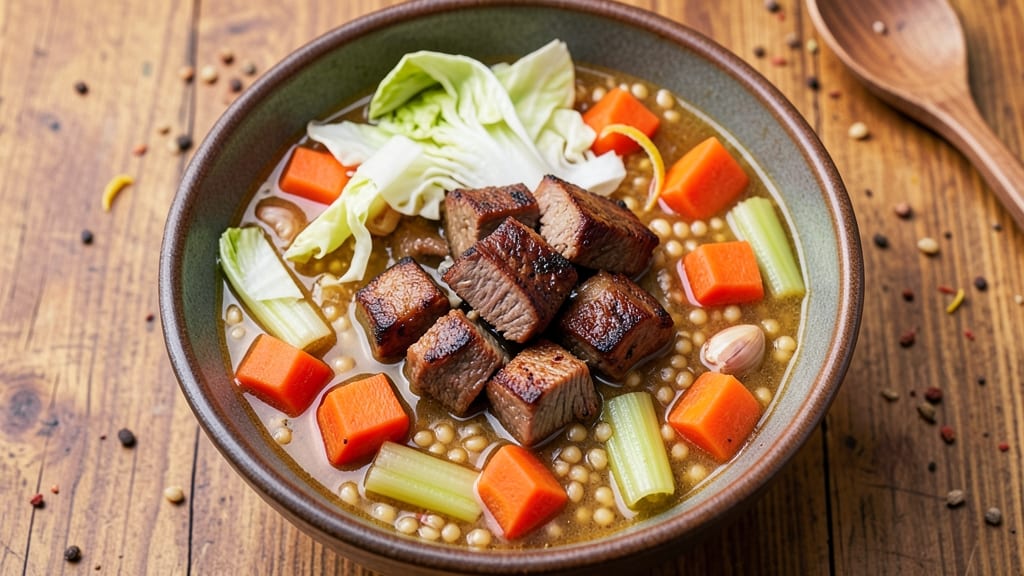
This beef barley cabbage soup recipe delivers the kind of deep, comforting flavor that transforms a simple weeknight into a cozy meal experience. The secret lies in slow-simmered beef that infuses the broth with rich umami, while barley and cabbage add hearty texture and earthy balance. I've perfected this one-pot method over years of testing—it's the kind of soup that gets better with each reheat, making it ideal for meal prep or feeding a crowd.
The beauty of this recipe is its simplicity: just a few core ingredients that work together to create complex flavor. You'll start with browned beef for maximum depth, then build layers through sautéed vegetables and aromatic herbs.
The barley softens just enough to absorb the broth while maintaining its satisfying bite, while the cabbage adds freshness that cuts through the richness. It's the kind of dish that feels both rustic and refined, perfect for chilly evenings when you crave something substantial.
What sets this soup apart is how the flavors develop over time—simmering allows the beef to tenderize completely while the barley releases its nutty sweetness. The result is a bowl of soup that's rich yet balanced, with each spoonful offering a perfect harmony of textures and tastes.
The cabbage stays crisp enough to provide contrast, while the barley adds that satisfying chew. This is comfort food at its finest, with minimal effort and maximum reward.
Serve with crusty bread for dipping or a simple green salad to balance the meal. The leftovers reheat beautifully, making this an excellent recipe for busy weeks when you want to feed your family without spending hours in the kitchen.
Let's get started on creating this hearty, one-pot masterpiece that brings warmth to any table.
Ingredients for beef barley cabbage soup
Six servings of comforting goodness from just fifteen simple ingredients.
| Ingredient | Amount | Notes |
|---|---|---|
| Beef Chuck Roast 🥩 | 2 lb | Cut into 1-inch cubes |
| Yellow Onion 🧅 | 1 whole | Diced, medium size |
| Carrots 🥕 | 4 medium | Peeled, chopped into 1-inch pieces |
| Celery Stalks 🌿 | 3 whole | Diced, including leaves |
| Garlic Cloves 🧄 | 4 cloves | Minced, fresh preferred |
| Pearl Barley 🌾 | 1 cup | Uncooked, rinsed well |
| Green Cabbage 🥬 | 1 small | Core removed, shredded |
| Tomato Paste 🍅 | 2 tbsp | Smooth, not chunky |
| Beef Broth 💧 | 6 cups | Low-sodium preferred |
| Red Wine 🍷 | 1 cup | Dry, like Cabernet |
| Fresh Thyme 🌿 | 2 sprigs | Or 1 tsp dried thyme |
| Fresh Parsley 🌿 | ¼ cup | Chopped, for garnish |
| Bay Leaves 🍃 | 2 whole | Removed before serving |
| Salt 🧂 | 1 ½ tsp | Kosher or sea salt |
| Black Pepper 🌶️ | 1 tsp | Freshly ground |
The beef is the foundation here. Chuck roast delivers that rich, beefy depth you can't get from leaner cuts—it actually gets more flavorful as it simmers. I always grab mine from Costco when I'm making big batches, but the regular supermarket chuck works just fine for a family dinner. Look for good marbling; that's where the flavor hides. For the barley, pearl barley is the classic choice, but if you've got pot barley, use that instead. The cabbage should be firm and crisp—avoid any with yellowing leaves or soft spots.
No red wine? Beef broth with a splash of balsamic vinegar works perfectly. Fresh thyme is ideal, but dried thyme at one-third the amount gets you close. The tomato paste is non-negotiable for that deep, umami base—don't skip it. For the vegetables, you can swap carrots for parsnips if you're feeling fancy, or add a sweet potato if you want extra heartiness. The celery leaves? Don't toss them—they add great flavor. And if you're prepping ahead, the barley can be rinsed and stored in the fridge for up to 3 days before adding to the soup.
This soup tastes even better the next day once everything melds together. Store leftovers in an airtight container in the fridge for up to 5 days, or freeze for 3 months. I always make a double batch because it reheats beautifully—just warm it gently on the stove with a splash of water or broth. The barley will soften further, and the flavors deepen. For serving, I like to sprinkle with fresh parsley and a crack of black pepper—simple but makes it feel special.
Why You'll Love This Recipe
- One-Pot Magic: I swear by this recipe—just toss everything into a Dutch oven, walk away, and let the beef and barley tenderize themselves. No fancy techniques, no stress.
- Deep Umami Bomb: That slow-cooked chuck roast? It melts into the broth, turning into rich, savory threads that make every spoonful ridiculously satisfying. The carrots and celery add sweetness that balances the meat’s depth—trust me, it’s a flavor combo you’ll reach for.
- Leftovers That Shine: Between us, this soup only gets better the next day. The barley softens perfectly, the beef stays juicy, and it reheats like a dream. Pack it for lunch or freeze half—it’s my go-to for lazy mornings.
- Budget Meal, Big Impact: A pound of chuck roast and a few veggies stretch into six hearty servings. It’s the kind of meal that makes grocery day feel like a win, especially when you’re feeding a crowd or just trying to stretch your dollars.
Step-by-step instructions for beef barley cabbage soup
This hearty soup comes together in a single pot with rich, layered flavors.
Sear the Beef Chuck Roast for Deep Flavor
Heat a large Dutch oven over medium-high heat. Add the 2 lb Beef Chuck Roast cut into 1-inch cubes and sear for 5-6 minutes, turning occasionally, until the meat develops a deep brown crust. This step is crucial—it builds the foundation for the soup's rich flavor.
Once browned, remove the beef and set it aside temporarily. You'll add it back later, but searing first ensures it doesn't turn to mush during the long simmer. The crust you create now will infuse the broth with meaty depth as it cooks.
Sauté the Aromatic Vegetables
In the same Dutch oven, add 1 whole Yellow Onion diced, 4 medium Carrots chopped into 1-inch pieces, and 3 whole Celery Stalks diced. Cook for 5-6 minutes until the vegetables soften slightly and the onion becomes translucent.
Add 4 cloves Garlic Cloves minced and stir for 30 seconds until fragrant. This aromatic base forms the flavor backbone of the soup. If the vegetables start to stick, add a splash of beef broth to deglaze the pan and scrape up any browned bits clinging to the bottom.
Build the Soup Base
Stir in 2 tbsp Tomato Paste and cook for 1 minute to deepen the flavor. Pour in 1 cup Red Wine and let it simmer for 2 minutes until the alcohol burns off and the liquid reduces slightly. This step enhances the complexity of the soup.
Add 6 cups Beef Broth, 1 cup Pearl Barley (rinsed well), 1 small Green Cabbage shredded, 2 sprigs Fresh Thyme, 2 whole Bay Leaves, 1.5 tsp Salt, and 1 tsp Black Pepper. Bring the mixture to a boil, then reduce heat to low and let it simmer uncovered for 45 minutes. This allows the barley to absorb the broth and the cabbage to soften without falling apart.
Finish with the Beef and Garnish
Return the seared beef to the pot and simmer for an additional 45-60 minutes until the beef is fork-tender and the barley is fully cooked. The soup should have a thick, hearty consistency—if it's too thin, simmer uncovered for another 10 minutes to reduce.
Remove the bay leaves and discard. Stir in 0.25 cup Fresh Parsley chopped for brightness. Taste and adjust seasoning if needed. Serve hot, garnished with additional parsley if desired. The soup should be rich, earthy, and deeply satisfying—perfect for chilly days.
Pro Tips For Making Beef Barley Cabbage Soup
- Brown the Chuck Roast: I learned this the hard way—skipping the deep brown on the beef means flavorless broth. Sear the roast in batches over medium-high heat until it’s dark golden, not just pink. Let the fat render first, then add onions and celery to the same pot so they soak up all that caramelized goodness.
- Cut Celery and Carrots Evenly: Unevenly chopped veggies cook at different rates, leaving some rubbery while others turn to mush. Aim for ¼-inch slices—same thickness for carrots, celery, and onions. This isn’t the prettiest method, but it’s the tastiest.
- Don’t Rush the Barley: Barley needs time to soften and absorb flavor, not just sit there looking sad. Add it 20 minutes before the soup is done, then let it simmer uncovered—this prevents gumminess. If it’s still firm, it’s not ready.
- Use a Splatter Screen: Garlic and onions explode when they hit hot oil, and no one wants to scrub garlic splatter off their stove ceiling. Pop a splatter screen over the pot while sautéing—it’s a 30-second fix that saves hours of scrubbing. (Yes, even if you’re impatient like me.)
Storing and reheating this recipe
Refrigerator Storage
Let your soup cool completely before transferring to airtight containers—I use glass Pyrex with snap-on lids for easy reheating. Store in the fridge at 40°F or below for up to 5 days, though I find the flavors actually deepen after the first night as the ingredients meld.
The barley continues to soften slightly, creating an even creamier texture. 🥣
Freezer-Friendly Tips
For long-term storage, freeze in quart-sized freezer bags (leave 1-inch headspace for expansion) or glass containers that can go directly from freezer to oven. Label with the date—this soup stays excellent for 3 months.
I like to freeze individual portions so I can thaw just what I need. When reheating from frozen, add ½ cup water or broth to prevent drying out.
Stovetop Reheating
My preferred method is gentle reheating on the stove over medium-low heat. Pour the soup into a pot and add ¼ cup water or broth to restore moisture. Heat for 10-15 minutes, stirring occasionally, until bubbling.
The barley will soften further, and the cabbage will regain its tender-crisp texture. Taste and adjust seasoning—you might need a pinch more salt after reheating. 🔥
Microwave Shortcuts
For quick meals, transfer soup to a microwave-safe bowl and cover with a damp paper towel to prevent drying. Heat on 50% power for 3-4 minutes, stirring halfway. If the soup looks thick, add 2-3 tablespoons of water or broth and continue heating until hot throughout.
The microwave method works best for single servings and takes about half the time of stovetop reheating.
Reviving Texture
If your reheated soup seems too thick, stir in 2-3 tablespoons of water or broth and let it simmer for 2-3 minutes. For extra freshness, add a handful of shredded cabbage or chopped carrots during reheating to brighten the flavors.
A sprinkle of fresh parsley or a crack of black pepper right before serving makes all the difference. The key is gentle heat—never boil vigorously, or the barley will turn mushy. ✨
Nutrition facts
Frequently asked questions
Can I substitute pearl barley for another grain?
Yes! You can use pot barley (it cooks faster) or even wild rice for a nuttier flavor. For a quicker option, try bulgur wheat or quinoa, but reduce cooking time by 10-15 minutes. The texture will be slightly different, but the soup will still be delicious.
How do I make this soup in a pressure cooker?
Add all ingredients as directed, then cook on high pressure for 25 minutes after the beef returns to the pot. Quick-release the pressure, then let it sit for 5 minutes before opening. The barley and beef will be perfectly tender with minimal effort. Just watch the liquid level—add ½ cup water if needed during cooking.
Why does my cabbage turn mushy?
This happens when simmering too long or at too high heat. Keep the soup at a gentle simmer (small bubbles) and reduce cooking time by 10-15 minutes. For extra freshness, add shredded cabbage only in the last 15 minutes of cooking. The ideal texture should be tender but still slightly crisp.
Can I make this soup dairy-free and gluten-free?
This recipe is naturally dairy-free. For gluten-free, ensure your beef broth and barley are certified gluten-free. Use certified GF barley or substitute with quinoa or rice instead. The flavor profile remains rich and hearty.
What's the best way to serve this soup?
Pair it with crusty bread or sourdough for dipping, and a simple green salad with lemon vinaigrette to balance the richness. For extra depth, serve with pickles or cornichons to cut through the hearty flavors. A sprinkle of fresh parsley right before serving adds brightness.