
Soups & Stews
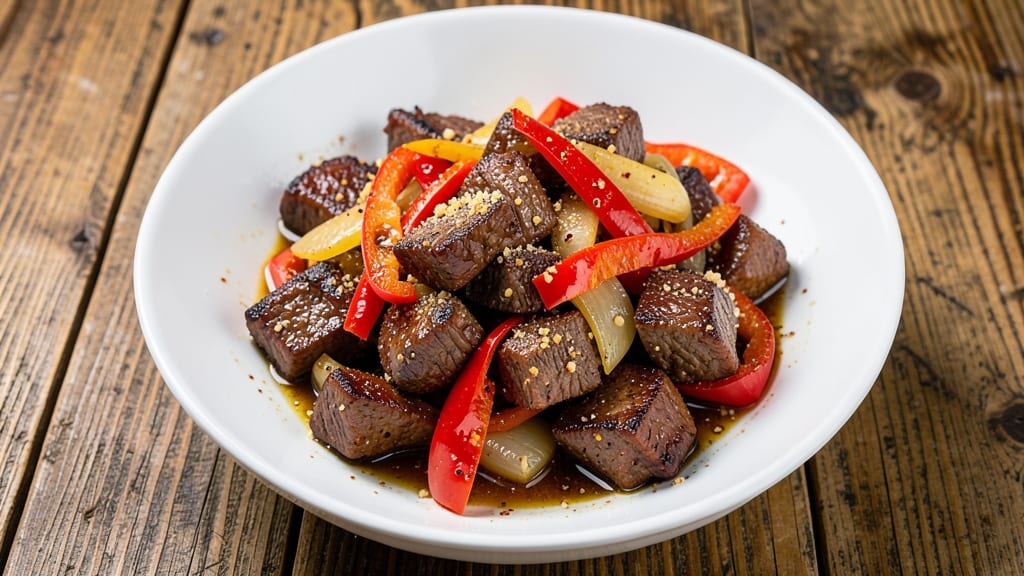
This beef bell pepper and onion recipe delivers a one-pan masterpiece with tender beef, caramelized onions, and charred peppers—all packed with bold, savory flavors that transform a simple skillet into a restaurant-worthy meal. The secret lies in slow-cooking the beef until fork-tender while letting the vegetables develop deep, sweet notes through controlled heat. This isn’t just another stir-fry; it’s a deeply satisfying dish built on layers of texture and umami that’ll have everyone asking for seconds.
What sets this recipe apart is the balance of techniques: searing the beef for a deep brown crust before braising it low and slow, while simultaneously caramelizing the onions and peppers until they’re sweet, jammy, and just slightly crisp at the edges.
The result is a dish where every bite delivers a perfect harmony of tender beef, melt-in-your-mouth onions, and vibrant, slightly charred peppers—all infused with aromatic spices. It’s the kind of meal that feels indulgent yet remains approachable for weeknight dinners.
The beauty of this recipe is its versatility. Serve it over fluffy rice for a comforting bowl, or let the skillet sauce thicken into a rich gravy to drizzle over mashed potatoes. The flavors only deepen as it sits, making it ideal for meal prep or feeding a crowd.
With minimal cleanup and maximum impact, this one-pan skillet transforms humble ingredients into something extraordinary—proving that great meals don’t require complicated techniques, just patience and the right balance of heat.
Ready in under an hour, this dish delivers restaurant-quality results with simple ingredients and a foolproof method. The beef becomes impossibly tender, the onions caramelize into sweet, golden ribbons, and the peppers add a bright, smoky contrast.
Whether you’re cooking for family or treating yourself to a special night in, this recipe is designed to impress without the fuss. Let’s get started on creating a dish that’ll become a staple in your rotation.
Ingredients for beef bell pepper onion
Fifteen ingredients transform into a restaurant-worthy skillet meal with tender beef and caramelized vegetables.
| Ingredient | Amount | Notes |
|---|---|---|
| Beef Chuck Roast 🥩 | 1 ½ lb | Cut into 1-inch cubes |
| Yellow Onions 🧅 | 2 whole | Medium size, sliced into wedges |
| Bell Peppers 🌶️ | 3 whole | Assorted colors, sliced into strips |
| All-Purpose Flour 🌾 | 2 tbsp | For dredging beef cubes |
| Olive Oil 🫒 | ½ cup | Extra-virgin preferred |
| Garlic Cloves 🧄 | 4 cloves | Minced for depth of flavor |
| Beef Broth 💧 | 1 ½ cups | Low-sodium preferred |
| Tomato Paste 🍅 | 2 tbsp | For rich, concentrated flavor |
| Red Wine 🍷 | ½ cup | Dry red like Cabernet |
| Dried Thyme 🌿 | 1 tsp | Or 1 tbsp fresh thyme |
| Salt 🧂 | 1 ½ tsp | Kosher or sea salt |
| Black Pepper 🌶️ | ½ tsp | Freshly ground preferred |
| Paprika 🌶️ | 1 tsp | Smoked for extra depth |
| Balsamic Vinegar 🍶 | 1 tbsp | For finishing touch |
| Fresh Parsley 🌿 | ¼ cup | Chopped for garnish |
The beef is the foundation—chuck roast delivers that melt-in-your-mouth texture when cooked low and slow. Most grocery stores carry it pre-cut, but if buying whole, look for good marbling at Whole Foods or your local butcher. The bell peppers should be firm and vibrant; Trader Joe's often has a great selection of assorted colors. Onions? Yellow or red work—just make sure they're fresh, with no soft spots. For the wine, any bold, dry red does the trick, but a Cabernet Sauvignon adds that classic depth. Don't skip the tomato paste—it's what ties everything together with that rich umami base.
No red wine? Beef broth with a splash of balsamic works just as well. Fresh thyme is ideal, but dried at one-third the amount gets you close. Prefer mild heat? Swap smoked paprika for regular. The beef cubes should be uniform—about 1-inch each—for even cooking. If you're short on time, pre-cut beef from Costco saves you chopping. For the peppers, charring them slightly on the stovetop before adding to the skillet boosts flavor—just watch them like a hawk so they don't burn. The parsley is purely decorative, but it adds that fresh pop at the end.
This dish tastes even better the next day as the flavors meld together. Store leftovers in an airtight container in the fridge for up to 5 days. For meal prep, double the recipe and freeze half—it reheats beautifully. The skillet sauce thickens as it sits, so if you're serving it over rice or potatoes, let it reduce slightly before plating. Garnish with extra parsley right before serving to keep it looking fresh. If you make a big batch, the sauce freezes well for up to 3 months—perfect for quick weeknight dinners.
Why You'll Love This Recipe
- One-Pan Magic: I swear by this—just toss the beef, sliced onions, and bell peppers in one pan, sprinkle with flour, and let the olive oil work its magic. No chopping boards to clean, no extra pots clanging. (Yes, even on a Tuesday night.)
- Caramelized Crunch: That beef gets tender, but the onions and peppers? They turn into sweet, golden bites that make you forget it’s a weeknight meal. The flour coating adds this crispy edge that’s dangerously addictive.
- Leftover Goldmine: Make a double batch, and you’ve got lunch for days. The flavors only get better after reheating—perfect for sandwiches, wraps, or just straight from the fridge. My freezer’s full of these because they’re that reliable.
- Budget-Friendly Feast: A chuck roast stretches further than you’d think, and bell peppers/onions are cheap staples. This feeds four for under $15, and honestly? That’s a win. Plus, the flour and oil are pantry basics, so no extra shopping needed.
Step-by-step instructions for one-pan beef with charred vegetables
This method delivers perfectly seared beef and smoky-sweet vegetables in a single skillet.
Prepare the Beef for Maximum Flavor
Cut the 1.5 lb Beef Chuck Roast into 1-inch cubes—this ensures even cooking and better browning. Place the beef in a bowl and dredge each piece in 2 tbsp All-Purpose Flour, shaking off any excess. This creates a light crust that locks in juices and adds depth to the sauce.
Season the floured beef generously with 1.5 tsp Salt, 0.5 tsp Black Pepper, and 1 tsp Paprika. Toss until every piece is evenly coated. Let it sit at room temperature for 15 minutes before cooking—this prevents cold spots in the meat and promotes even searing.
Sear the Beef and Vegetables for Deep Flavor
Heat 0.5 cup Olive Oil in a large skillet over medium-high heat until shimmering. Working in batches, add the beef cubes and sear for 2-3 minutes per side until deep golden brown. Remove and set aside—this step builds the foundation of flavor through the Maillard reaction.
In the same skillet, add the 2 whole Yellow Onions (sliced into wedges) and 3 whole Bell Peppers (sliced into strips). Cook for 5-6 minutes, stirring occasionally, until the onions soften and the peppers develop charred edges. This caramelization adds sweetness and depth to the dish.
Build the Sauce with Wine and Broth
Push the vegetables to one side of the skillet and add 4 cloves Garlic Cloves (minced) and 2 tbsp Tomato Paste. Stir for 30 seconds until fragrant. Pour in the 0.5 cup Red Wine, scraping up any browned bits from the bottom of the pan—this releases concentrated flavor.
Add 1.5 cups Beef Broth and 1 tsp Dried Thyme, then return the beef to the skillet. Bring to a simmer, cover, and cook for 20-25 minutes until the beef is tender. The liquid should reduce slightly, creating a rich, velvety sauce.
Finish with Balsamic and Fresh Herbs
Uncover the skillet and increase heat to medium. Simmer for an additional 5 minutes to thicken the sauce slightly. Stir in 1 tbsp Balsamic Vinegar and taste—adjust seasoning with more salt or pepper if needed. The balsamic adds a tangy brightness that balances the richness.
Sprinkle the dish with 0.25 cup Fresh Parsley (chopped) just before serving. The parsley not only adds freshness but also enhances the visual appeal with its vibrant green color. Serve immediately over crusty bread or mashed potatoes to soak up every last bit of the flavorful sauce.
Pro Tips For Making Beef Bell Pepper Onion
- Sear the Chuck Roast First: I learned this the hard way—skipping the sear means flavorless, dry beef. Heat a heavy pan until it’s smoking, then coat the chuck roast in flour and brown it on all sides for 3-4 minutes per side before adding any liquid. That crust locks in juices and builds depth.
- Slice Bell Peppers Thin: Thick strips of bell pepper stay tough and undercooked. Instead, cut them into ¼-inch slices and blanch them in boiling water for 30 seconds first—this softens them without turning mushy. (Yes, even if you’re impatient like me.)
- Deglaze with Red Wine: After browning the beef, don’t just splash in water. Use ½ cup of red wine (or even cheap cooking wine) to scrape up the fond—it dissolves into a rich, savory sauce that cuts through the richness of the chuck roast. Skip this, and you’re missing out on half the flavor.
- Salt the Onions Early: Toss sliced onions with a pinch of salt and let them sit for 10 minutes before cooking. This draws out moisture, ensuring they caramelize instead of steaming into a sad, watery pile. (Your future self will thank you.)
Storing and reheating this recipe
Refrigerator Storage
Let your skillet dish cool to room temperature for 30 minutes before transferring to airtight containers. I use glass Pyrex containers with tight-sealing lids to maintain freshness. Store in the fridge at 40°F or below for up to 5 days.
The flavors actually deepen overnight as the beef continues to tenderize and the sauce melds with the vegetables. 💫
Freezer-Friendly Sauce
The sauce in this recipe freezes exceptionally well, making it perfect for future quick meals. Portion the sauce separately from the beef and vegetables, then store in freezer-safe bags or silicone molds. Label with the date—it keeps for up to 3 months.
When ready to use, thaw overnight in the fridge and reheat gently with the beef. This method preserves the sauce's rich texture and prevents it from becoming watery.
Reheating for Best Texture
For the best results, reheat your beef and vegetables in the same skillet you cooked them in. Add 2-3 tablespoons of water or beef broth to prevent sticking, then cover and warm over medium-low heat for 10-12 minutes.
Stir occasionally to ensure even heating. If using the leftover sauce, reheat it separately over low heat until warmed through, then combine with the beef just before serving. This keeps everything moist and flavorful. ✨
Microwave Shortcut
When you're in a hurry, the microwave works in a pinch. Transfer a portion of the dish to a microwave-safe dish and cover with a damp paper towel. Heat on 70% power for 2-3 minutes, stir, then continue in 30-second intervals until reaching 165°F internal temperature.
Add a splash of water or broth if the dish looks dry. While not as ideal as stovetop reheating, it’s a convenient option for busy weeknights.
Reviving Day-Old Dishes
If your leftovers have lost some of their vibrancy, don’t worry—this dish always tastes better the second time around. To revive it, add a splash of red wine or balsamic vinegar (about 1 tablespoon) and simmer for 5 minutes to brighten the flavors.
A sprinkle of fresh parsley or a drizzle of olive oil can also work wonders to refresh the presentation. The beef will be just as tender, and the sauce will regain its richness. 🔥
Serving Suggestions
When reheating, consider serving your beef skillet over warm crusty bread or creamy mashed potatoes to soak up the flavorful sauce. If you're short on time, even a simple side of steamed rice works perfectly.
Garnish with extra parsley or a sprinkle of grated Parmesan cheese for added depth. The contrast of textures makes every bite even more satisfying. 💛
Nutrition facts
Frequently asked questions
Can I substitute chuck roast with a different beef cut?
Yes, but choose cuts with similar fat content for tenderness. Chuck eye roast or stew beef work well—both break down beautifully when slow-cooked. Avoid lean cuts like sirloin, which will dry out. For quick cooking, try ribeye steak cut into strips, but reduce the simmering time to 10 minutes instead of 20-25 minutes.
How do I prevent the onions from burning while caramelizing?
Keep the heat at medium-low and stir frequently—every 2-3 minutes. Use a large skillet so the onions aren't crowded. If they start browning too quickly, reduce heat slightly or add 1 tablespoon of water to steam them. Patience is key—rushed caramelization leads to burnt edges.
What if I don't have red wine? Can I still make this recipe?
Replace the 0.5 cup red wine with 0.5 cup beef broth + 1 tablespoon balsamic vinegar for similar depth. For extra richness, add 1 teaspoon soy sauce. The dish will still develop a robust sauce—just slightly less complex than with wine, but still delicious.
Can I make this dish in a slow cooker?
Yes! Sear the beef and vegetables in a skillet first, then transfer everything to the slow cooker. Add the beef broth, tomato paste, thyme, and remaining seasonings. Cook on low for 6-7 hours or high for 3-4 hours. The slow cooker method makes the beef extra tender but may require adding 2 tablespoons of cornstarch to thicken the sauce at the end.
Why does my beef turn out tough instead of tender?
Overcooking is the most common cause. Use a meat thermometer—beef should reach 195°F for fork-tender results. If using a slow cooker, never exceed 6 hours on low. Also, ensure you're using a flavored broth (not water) and adding enough liquid to create steam. For extra tenderness, add 1/2 cup tomato sauce to the slow cooker.