
Soups & Stews
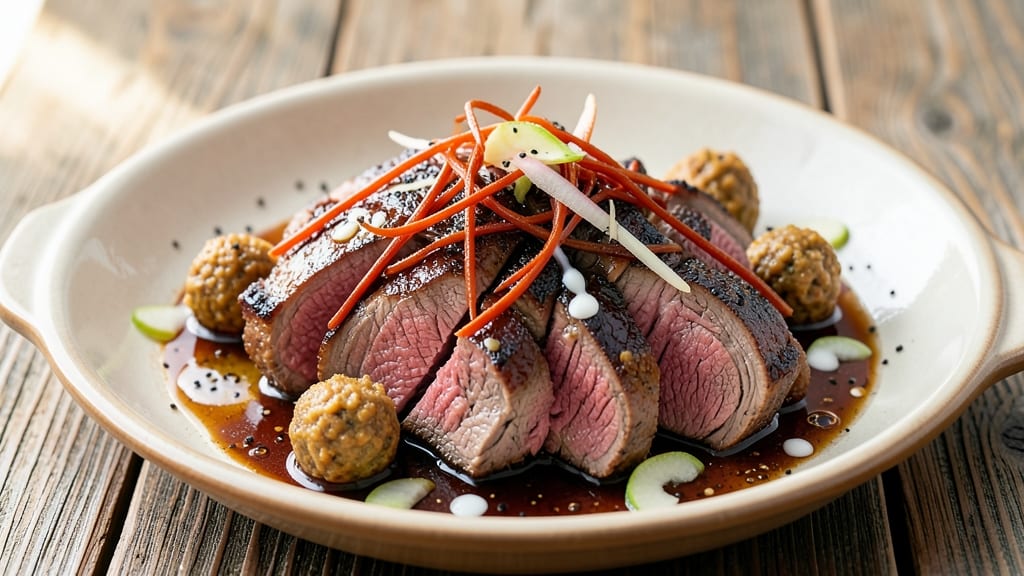
This beef binagoongan recipe brings the rich, umami-packed flavors of Filipino comfort food to your kitchen with its signature crispy tortilla crowns floating in a velvety soy-ginger broth. 🌟 The secret lies in the fermented shrimp paste (binagoongan), which creates that distinctive tangy depth that defines this classic stew.
Unlike many adaptations, this version stays true to tradition while making it accessible for home cooks.
The process begins with marinating the beef in a blend of garlic, ginger, and vinegar to tenderize and infuse flavor, followed by slow stewing that transforms tough cuts into fork-tender pieces. The tortilla crowns—crispy on the outside, soft within—are the showstopper, adding both texture and visual appeal to the dish.
What makes this recipe special is how the flavors develop over time, with the broth becoming silkier and more aromatic as it simmers.
By the time you serve this dish, you'll have a steaming bowl of beef binagoongan that's rich, savory, and perfectly balanced—crispy tortilla crowns contrasting against the tender beef and smooth broth.
The aroma alone will transport you to a Filipino dining table, and every bite delivers layers of flavor that make it worth the effort. This is the kind of meal that feels like a warm embrace, especially when paired with steamed rice.
Whether you're serving family or hosting a gathering, this recipe scales beautifully while maintaining its authentic taste. The leftovers reheat just as well, making it a practical choice for busy weeks. Here's how to bring this Filipino classic to life in your own kitchen.
Ingredients for beef binagoongan
Rich umami flavors start with these 15 essential ingredients—authentic Filipino comfort food in your kitchen.
| Ingredient | Amount | Notes |
|---|---|---|
| Beef Chuck Roast 🥩 | 1 ½ lb | Cut into 1-inch cubes |
| Binagoongan (Fermented Shrimp Paste) 🦐 | 2 tbsp | Filipino specialty, find in Asian markets |
| Soy Sauce 🍶 | ½ cup | Dark soy preferred for depth |
| Garlic Cloves 🧄 | 6 cloves | Minced, fresh preferred |
| Fresh Ginger 🌿 | ½ cup | Grated, peeled, packed |
| White Vinegar 💧 | ¼ cup | For marinade brightness |
| Canola Oil 🫒 | ½ cup | For frying tortilla crowns |
| Flour Tortillas 🍞 | 4 whole | Medium size, 10-inch |
| Yellow Onion 🧅 | 1 whole | Diced, medium size |
| Carrots 🥕 | 2 medium | Peeled, sliced into rounds |
| Potatoes 🥔 | 2 medium | Peeled, cut into chunks |
| Green Bell Pepper 🌶️ | 1 whole | Sliced into strips |
| Sugar 🍚 | 1 tbsp | Balances flavors |
| Salt 🧂 | 1 ½ tsp | Kosher or sea salt |
| Black Pepper 🌶️ | ½ tsp | Freshly ground |
The binagoongan is non-negotiable here—it's what gives this dish its signature tangy depth. Find it in the Filipino section of Asian markets or online from specialty stores like Filipino Grocer. If you can't locate it, anchovy paste at half the amount works in a pinch, but it won't be the same. The beef should have good marbling for tenderness—chuck roast is ideal. For the tortillas, Mission brand holds up best to frying without tearing. Fresh ginger and garlic are musts; the dried versions won't deliver that same bright punch.
No binagoongan? Anchovy paste or shrimp paste can substitute, but reduce to 1 tbsp. Short on flour tortillas? Corn tortillas work too, though they'll be slightly chewier. The dark soy sauce is key for that rich color—Kikkoman Gold is my go-to. For extra crispiness on the tortilla crowns, fry them in batches and keep the oil at 350°F. The potatoes and carrots can be swapped for sweet potatoes or parsnips if you're feeling adventurous. And if you're making this ahead, prep the marinade the night before—the flavors meld beautifully overnight.
This stew tastes even better the next day as the flavors deepen. Store in an airtight container for up to 5 days in the fridge. The tortilla crowns stay crispy for 2 days if kept separate. For freezing, portion the broth and beef separately—3 months max. Reheat gently on the stove, adding a splash of water if it thickens too much. The tortilla crowns? Best reheated in a dry skillet for 1-2 minutes per side to restore crispiness.
Why You'll Love This Recipe
- Five-Ingredient Magic: I swear, this dish proves you don’t need a fancy pantry. Binagoongan does all the flavor work—just fry it until fragrant, add a splash of soy, and let the beef melt in its own juices. My lazy Sundays now include this as a staple.
- Umami Bomb: That fermented shrimp paste? It’s the secret weapon. One teaspoon transforms simple beef into something rich and savory, like a cross between a hearty stew and a bold stir-fry. The ginger cuts through the depth, balancing every bite.
- Leftovers That Shine: Cook once, eat twice—or three times. The beef stays tender when reheated, and the sauce only gets better as flavors meld. I pack it for work lunches (yes, even with my picky coworkers) because it’s that good cold or warm.
- Budget-Friendly Feast: Chuck roast stretches across meals, and binagoongan costs pennies at Asian markets. For under $15, you feed four people a dish that tastes like you spent hours on it. My wallet and my family’s taste buds win every time.
Step-by-step instructions for beef binagoongan with crispy tortilla crowns
Here's how to create that perfect balance of savory broth and golden tortilla crowns.
🔥 Step 1: Marinate and Cook the Beef
In a large bowl, combine the 1.5 lb beef chuck roast cut into 1-inch cubes, 2 tbsp binagoongan, 0.5 cup soy sauce, 6 cloves minced garlic, 0.5 cup grated ginger, 0.25 cup white vinegar, 1 tbsp sugar, 1.5 tsp salt, and 0.5 tsp black pepper. Mix thoroughly until the beef is fully coated in the marinade. Let it sit for at least 30 minutes (or up to 2 hours for deeper flavor).
Heat 0.25 cup canola oil in a large pot over medium-high heat. Add the marinated beef and cook for 5-7 minutes, stirring occasionally, until the beef is deeply browned on all sides. This step builds the rich foundation for your broth. Once browned, remove the beef and set it aside.
🍳 Step 2: Build the Flavorful Broth
In the same pot, add 1 whole diced yellow onion, 2 medium peeled and sliced carrots, 2 medium peeled and chunked potatoes, and 1 whole sliced green bell pepper. Sauté for 5 minutes until the vegetables begin to soften and release their aromas.
Pour in 1 cup water (enough to just cover the bottom of the pot) and scrape up any browned bits from the bottom with a wooden spoon. This deglazing step captures all that meaty flavor. Return the beef to the pot, then bring everything to a gentle simmer. Cover and cook for 45-60 minutes until the beef is fork-tender and the vegetables are fully cooked.
🥘 Step 3: Prepare the Crispy Tortilla Crowns
While the beef cooks, heat 0.25 cup canola oil in a separate skillet over medium heat. Place the 4 whole flour tortillas on a flat surface and cut each one into 8 equal wedges, making sure to leave the center circle intact. This creates the classic tortilla crown shape.
Carefully slide the tortilla wedges into the hot oil, cut-side down, and fry for 1-2 minutes per side until they're deep golden brown and crispy. Drain on paper towels and keep them warm in a 200°F oven while you finish the broth. The key here is patience—don't rush the frying or they'll burn before they crisp.
🍽️ Step 4: Finish and Serve
Once the beef is tender, skim off any excess fat from the broth, leaving about 2 tablespoons for flavor. Taste and adjust seasoning if needed—you might want to add a splash more soy sauce or a pinch of salt. The broth should be rich, slightly tangy, and perfectly balanced between sweet and savory.
To serve, place a generous portion of the beef and vegetables in each bowl, ladle the hot broth over the top, and arrange the crispy tortilla crowns on the side. The contrast between the silky broth and crunchy tortillas is what makes this dish truly special. Serve immediately while everything is hot and the tortillas are still crisp!
Pro Tips For Making Beef Binagoongan
- Sear the Chuck First: Get that beef browned hard before adding liquid—this locks in flavor and prevents a bland, gray stew. I used to skip this step, and the dish always tasted like it needed more seasoning. A hot pan with 1 tablespoon of oil, 3-4 minutes per side until deep brown.
- Toast the Binagoongan: Bloom the fermented shrimp paste in the pan for 30 seconds before adding anything else—this burns off the raw smell and deepens its umami punch. Skip this, and you’ll end up with a dish that smells like a seafood market instead of a rich, savory stew.
- Don’t Crowd the Pot: Simmer the beef in batches if needed—too much liquid at once will turn your tender chuck into mushy shreds. I learned this after a disastrous pot where the meat fell apart. Let it cook uncovered for the last 10 minutes to thicken the sauce naturally.
- Grate the Ginger Fresh: No substitutes here—pre-packaged ginger tastes like sawdust, and it won’t dissolve properly into the sauce. Use a microplane for fine, even bits that melt into the stew without leaving grit. (Yes, even if you’re impatient like me.)
Regional styles of these flavors
Classic Filipino Style
This version stays true to the heartland preparation, where beef binagoongan is traditionally made with tender cuts like chuck roast, slow-cooked until fork-tender in a rich, tangy broth. The key is using authentic binagoongan—fermented shrimp paste—found in Filipino markets, which delivers that signature umami depth.
In the Philippines, this dish is often served family-style in a steaming hot pot, with everyone helping themselves to beef, vegetables, and crispy tortilla crowns. The sauce is never overly sweet; instead, it balances soy sauce, vinegar, and garlic for a perfect harmony. 🌶️
Visayan Region Twist
The Visayan islands add their own flair by incorporating dried chili peppers into the broth, giving it a subtle heat that complements the tangy flavors. Locals often use banana hearts (the heart of the banana plant) as a vegetable addition, adding a unique texture and mild sweetness.
For an authentic touch, some cooks also include squash blossoms or string beans to mimic the fresh produce found in local markets. The tortilla crowns here are sometimes brushed with a light egg wash before frying for extra crispiness.
Manila Street Food
In bustling Manila, beef binagoongan takes on a faster, more portable form—often sold in street food stalls as "binagoongan beef" with extra crispy tortilla chips instead of crowns. The broth is slightly thicker here, almost like a stew, and often includes tomato sauce for added richness.
Vendors use ground beef instead of chunks for quicker cooking, and the dish is served in small disposable bowls with a side of sour pickles to cut through the richness. The tortilla chips are fried in reused oil, giving them an even deeper, nuttier flavor.
Modern Filipino-American Adaptation
For home cooks in the US, this version often swaps traditional ingredients for more accessible ones while keeping the soul intact. Anchovy paste replaces binagoongan when needed, and potatoes are added for heartiness. Some chefs also include bell peppers or mushrooms for extra depth.
The tortilla crowns might be made with corn tortillas for a gluten-free option, and the dish is often served with a side of steamed jasmine rice or a simple green salad to balance the richness. The broth is sometimes thickened with a cornstarch slurry for a smoother texture. 💫
Cebu-Style Spicy Kick
In Cebu, the dish gets a fiery twist with the addition of siling haba (long green chili peppers) and calamansi juice for a bright, citrusy tang. The beef is marinated longer—sometimes overnight—to absorb the flavors, and the broth is reduced to a thicker consistency.
Cebuanos also love to add hard-boiled eggs to the stew, which soak up the rich flavors beautifully. The tortilla crowns here are often dusted with chili powder after frying for an extra kick.
This version is a favorite for spice lovers and is commonly served with sinigang (sour soup) on the side to cleanse the palate.
Nutrition facts
Frequently asked questions
What makes binagoongan sauce different from other Filipino stews?
The signature element is binagoongan—fermented shrimp paste—that creates a deep, tangy umami flavor unlike any other sauce. Unlike regular tomato-based stews, this sauce gets its complexity from the vinegar and soy sauce marriage with the shrimp paste, balanced by sweet and savory notes. The slow cooking process develops layers of flavor that regular stews can't match.
Can I substitute binagoongan with something else?
Yes, but the flavor won't be identical. Use 1 tbsp anchovy paste or shrimp paste as a substitute, but reduce to half the amount since these are more concentrated. For a vegetarian version, try 1 tbsp soy sauce + 1 tsp fish sauce substitute, though the umami depth will be different. The vinegar and garlic remain essential for that signature tang.
How do I get the tortilla crowns perfectly crispy?
Fry them in 350°F oil in batches, cut-side down first, for 1-2 minutes per side until golden brown. Keep the oil temperature consistent—if it's too hot, they'll burn before crisping. After frying, drain on paper towels and immediately transfer to a 200°F oven to maintain crispiness while you finish the stew.
Why does my beef binagoongan taste too salty?
This usually happens from over-salting the marinade or using too much soy sauce. Taste as you go—start with 1.5 tsp salt and 0.5 cup soy sauce for 4 servings. If it's too salty, dilute with 1-2 tbsp water per cup of broth or add 1 tbsp sugar to balance. The vinegar in the marinade also intensifies saltiness, so use it sparingly.
Can I make beef binagoongan ahead of time?
The flavors actually improve overnight. Store the cooked beef and broth in an airtight container for up to 5 days in the fridge. Reheat gently on the stove, adding a splash of water if needed. For the tortilla crowns, fry them fresh day-of or reheat in a dry skillet for 1-2 minutes per side to restore crispiness. The leftovers reheat beautifully—even better than day one!