
Main Courses
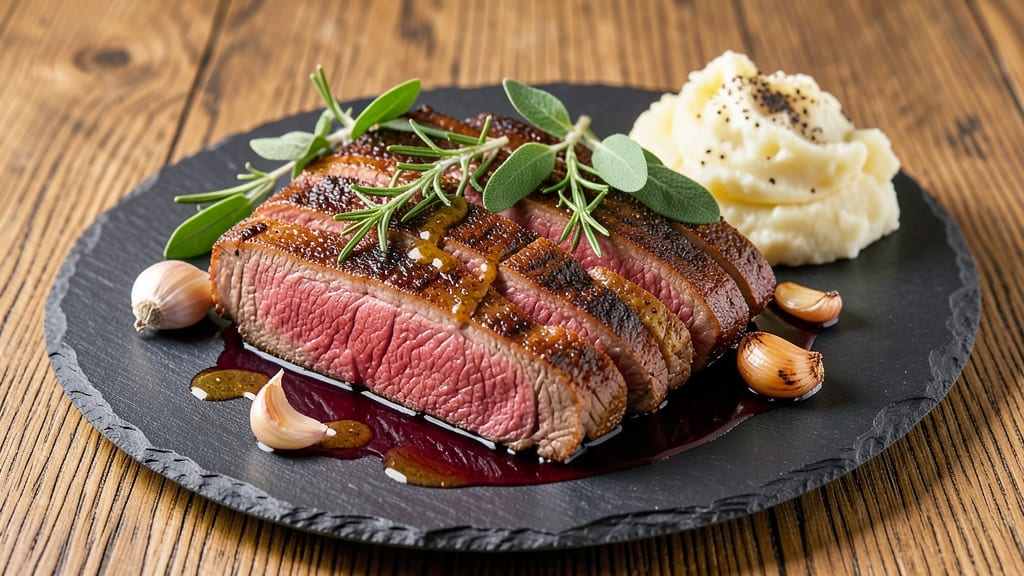
This 5-star roast beef recipe transforms a simple cut into a centerpiece that commands attention at any table. The secret begins with a dry brine that locks in moisture and deepens flavor, followed by precise oven roasting to achieve that perfect medium-rare core while building a caramelized crust.
Every element—from the rich au jus to the golden-brown exterior—is designed to impress, whether you're hosting a holiday feast or treating yourself to a Sunday dinner.
The key to restaurant-quality results lies in the technique: a two-stage roast that ensures even cooking, a resting period to redistribute juices, and a pan sauce so velvety it clings to every bite. No fancy equipment is needed—just patience and attention to temperature.
This isn’t just beef; it’s a showstopper that turns a weeknight into an event, with sides like red wine reduction and roasted vegetables playing supporting roles to perfection.
What sets this apart is the au jus—so concentrated with beefy flavor that it leaves a faint stain on the plate, a telltale sign of a truly exceptional dish.
The crust is deeply caramelized, the interior tender yet firm, and the sauce luxuriously thick, balancing richness with acidity from red wine. Presentation matters too: a hot platter, a sprinkle of fresh herbs, and a drizzle of sauce elevate it from impressive to unforgettable.
Timing is everything—this recipe delivers juicy, fall-apart tenderness without drying out, even for larger cuts. Whether you're serving a crowd or just two, the method scales effortlessly, and leftovers reheat beautifully. The real magic? It’s not just a recipe; it’s a restaurant-worthy experience you can recreate at home, every time.
Ingredients for 5 star roast beef
Six ingredients transform a humble roast into a showstopping centerpiece with restaurant-worthy depth.
| Ingredient | Amount | Notes |
|---|---|---|
| Top Round Roast Beef 🥩 | 4 lb | Center-cut, bone-in preferred |
| Kosher Salt 🧂 | 1 ½ tbsp | Diamond Crystal preferred |
| Black Peppercorns 🌶️ | 1 ½ tbsp | Freshly cracked, coarse grind |
| Fresh Thyme Sprigs 🌿 | 8 whole | Stems intact for brining |
| Fresh Rosemary Sprigs 🌿 | 4 whole | Woodsy variety preferred |
| Garlic Cloves 🧄 | 6 cloves | Smash lightly for infusion |
| Unsalted Butter 🧈 | ½ cup | Cold, cut into 8 pieces |
| Red Wine 🍷 | 1 cup | Bold Cabernet Sauvignon |
| Beef Broth 🍲 | 1 ½ cups | Homemade or high-quality |
| Shallots 🧅 | 2 whole | Minced, not sliced |
| Yellow Onion 🧅 | 1 whole | Large, diced |
| Carrots 🥕 | 2 whole | Medium, peeled and sliced |
| Fresh Parsley 🌿 | ¼ cup | Chopped, for garnish |
| Extra-Virgin Olive Oil 🫒 | 2 tbsp | For crust development |
The top round roast is your foundation—center-cut and bone-in for even cooking and maximum flavor. Whole Foods or local butchers often carry this cut pre-trimmed, but if buying whole, trim excess fat to prevent flare-ups. Look for bright red, marbled beef with a firm texture—this ensures tenderness. For a 4-pound roast, plan 20-25 minutes per pound at 325°F, then a crusting sear at 450°F. The thyme and rosemary should be fresh, not dried—their aromatic oils infuse the meat during the dry brine. Costco sells high-quality sprigs in the produce section if you need a bulk option.
No Cabernet Sauvignon? Merlot or Shiraz works just as well—avoid Pinot Noir, which lacks the bold tannins needed for depth. The beef broth must be homemade or premium (like Kitchen Basics or Pacific Foods); store-bought low-sodium versions dilute the flavor. Shallots add nuance—if unavailable, 3 garlic cloves minced finely suffice. For the au jus, the butter and wine reduction is non-negotiable; Plugrá butter melts beautifully without overpowering. The carrots and onion in the au jus aren’t just filler—they sweeten the sauce as it reduces, creating that stain-worthy richness. If short on time, pre-dice the vegetables while the roast rests.
The dry brine (salt and pepper applied 24 hours ahead) is critical—it penetrates deeply for seasoning without over-salting. Store the roast uncovered on a wire rack in the fridge to prevent sogginess. The au jus can be made a day ahead and reheated gently; it deepens in flavor overnight. For leftovers, slice against the grain and reheat in the same pan sauce to recreate that restaurant-quality moisture. The roast itself reheats best at 300°F wrapped in foil for 15 minutes, then crisped under the broiler for 2 minutes to restore the crust. Portion into individual servings before refrigerating to maintain texture.
Why You'll Love This Recipe
- Foolproof Roast: I swear by this method—just season the beef with salt, peppercorns, thyme, and rosemary, then let the oven do the work. No fancy marinades, no stress, just perfect results every time.
- Herb-Crusted Magic: That rosemary and thyme? They cling to the beef like a flavor hug, creating a crust so aromatic it’ll make your kitchen smell like a French bistro. (Yes, even with top round—it’s the secret.)
- Leftovers That Win: This roast actually improves the next day—sliced thin for sandwiches or reheated with gravy, it’s my go-to for lazy lunches. Honestly, I make it twice a week just for the leftovers.
- Budget Steakhouse Vibes: Top round is affordable but tastes like a splurge when you roast it right. A single roast feeds my family for days, and the herbs stretch every dollar without sacrificing flavor. (Between us, this is my cheap date-night hack.)
Step-by-step instructions for perfectly au jus roast beef
Master this technique and you'll achieve restaurant-quality roast beef with velvety au jus every time.
Prepare the Roast for Even Cooking
Remove the 4 lb Top Round Roast Beef from the refrigerator 1 hour before cooking to bring it to room temperature. This ensures even cooking throughout. Pat the beef completely dry with paper towels—moisture is the enemy of crust development. Place the roast in a roasting pan and rub it generously with the 1.5 tbsp Kosher Salt and 1.5 tbsp Black Peppercorns, pressing the seasoning into the meat so it adheres well.
Next, create a simple herb brine by combining the 8 whole Fresh Thyme Sprigs, 4 whole Fresh Rosemary Sprigs, and 6 cloves Garlic Cloves (lightly smashed) in a small bowl. Thread the herbs onto a skewer or place them in a small cheesecloth pouch and tuck this into the cavity of the roast. This infusion will permeate the meat during cooking, adding depth of flavor. The stems of the thyme and rosemary will release their oils as the roast cooks, creating an aromatic crust.
Sear the Roast for Maximum Flavor
Preheat your oven to 425°F. Heat a large oven-safe skillet over high heat and add the 2 tbsp Extra-Virgin Olive Oil. Once the oil is shimmering, carefully place the roast in the skillet, fat-side down. Sear for 4-5 minutes until the exterior develops a deep golden-brown crust. Flip the roast and sear the other side for another 4-5 minutes. The goal here is to create a flavorful crust through the Maillard reaction before transferring to the oven.
Once the roast is well-seared on both sides, transfer the skillet to the preheated oven. Roast for 15 minutes to begin cooking the meat evenly. This initial high-heat sear followed by oven cooking ensures you develop that coveted crust while maintaining a tender interior. During this time, prepare your vegetables by dicing the 1 whole Yellow Onion and slicing the 2 whole Carrots into even rounds.
Build the Vegetable Base and Deglaze
While the roast is roasting, heat 2 tbsp Extra-Virgin Olive Oil in a large Dutch oven over medium heat. Add the 2 whole Shallots (minced) and cook for 2 minutes until softened. Add the diced Yellow Onion and sliced Carrots, cooking for another 5 minutes until the vegetables begin to caramelize. This step develops the foundational flavors of your au jus.
Push the vegetables to one side of the Dutch oven and add the 0.5 cup Unsalted Butter, cut into pieces. Allow the butter to melt and foam, then pour in the 1 cup Red Wine. Scrape up any browned bits from the bottom of the pan—they're packed with flavor. Let the wine simmer for 3-4 minutes until reduced by half. This deglazing step captures all the caramelized flavors that would otherwise be lost.
Complete the Roast and Create the Au Jus
Remove the roast from the oven and transfer it to a cutting board. Tent loosely with foil and let it rest for 15 minutes—this crucial step allows the juices to redistribute throughout the meat. While it rests, return the Dutch oven with the wine reduction to medium heat. Add the 1.5 cups Beef Broth and bring to a gentle simmer. Skim off any foam that rises to the surface.
Return the roast to the Dutch oven, placing it back into the pan with the vegetables. Cover and transfer to a 325°F oven. Roast for 2-2.5 hours or until the internal temperature reaches 130-135°F for medium-rare. The roast should probe tender with a slight resistance in the center. During the last 30 minutes of cooking, check the au jus periodically and reduce it until it coats the back of a spoon.
Rest, Slice, and Serve with Au Jus
Once the roast reaches the desired temperature, remove it from the oven and transfer it back to the cutting board. Tent with foil and let it rest for another 15 minutes. This final resting period is essential for maximum tenderness. While the roast rests, strain the au jus through a fine-mesh sieve into a saucepan and reduce it over medium heat until it reaches a syrupy consistency—it should coat the back of a spoon and cling beautifully to the meat.
Slice the roast against the grain into ½-inch thick slices. Arrange the slices on a warm platter and spoon the reduced au jus over the top. Garnish with the 0.25 cup Fresh Parsley for a pop of color and freshness. Serve immediately with the caramelized vegetables and a side of crusty bread to soak up every last drop of that rich, flavorful au jus. The result should be a perfectly tender roast with a deep, complex sauce that truly stains the plate.
Pro Tips For Making 5 Star Roast Beef
- Sear First, Roast Slow: The top round needs that crust, so hit it hard with a dry pan over high heat for 3-4 minutes per side before moving to the oven. I used to skip this, and the beef always came out bland—no one wants dry, flavorless roast beef.
- Salt the Night Before: Pat the beef dry, then season it with salt at least 12 hours ahead. This breaks down the surface fibers and locks in moisture—no more guessing if it’s done or overcooked. (Yes, even if you’re impatient like me.)
- Watch the Internal Temp: Pull it at 125°F for medium-rare—using a meat thermometer is non-negotiable. The carryover cooking will push it to 130°F, and resting at room temp (not the fridge) keeps it juicy. I learned this the hard way after serving a tough, overcooked slab.
- Upgrade the Crust: After searing, sprinkle crushed black peppercorns directly onto the pan’s hot surface—it’ll toast and stick, creating a peppery crust. Fresh thyme and rosemary sprigs go in last, but the pepper is the game-changer. (Your future self will thank you.)
Perfect pairings for this recipe
Red Wine Reduction
The red wine reduction is the star of this pairing—it transforms simple beef drippings into a luxurious au jus that clings to every slice like liquid silk.
I use 1 cup bold Cabernet Sauvignon, reduced with 0.5 cup butter and 1.5 cups beef broth, until it thickens to a syrupy consistency that coats the back of a spoon.
The key is patience: simmer uncovered over medium-low heat for 15-20 minutes, stirring occasionally, until it reduces by half. This sauce isn’t just flavor—it’s the signature stain on your plate that tells everyone you’ve made something extraordinary. 🍷
Caramelized Vegetables
Roasted carrots and yellow onions add sweetness and texture that balance the richness of the beef. Toss them in 2 tbsp olive oil, sprinkle with ½ tsp kosher salt, and roast at 400°F for 25-30 minutes until deeply caramelized.
The natural sugars in the veggies melt and concentrate, creating a glossy, jammy texture that pairs perfectly with the au jus. For extra depth, finish with a pinch of fresh thyme leaves right before serving. These aren’t just sides—they’re flavor anchors that elevate the whole dish. 🥕
Crusty Bread
A baguette or sourdough loaf, toasted until crisp and golden, is essential for soaking up every drop of that stain-worthy au jus.
I like to slice it into ½-inch thick pieces, brush with garlic-infused olive oil, and toast in the oven at 375°F for 8-10 minutes until the crust is paper-thin and crackly.
The contrast between the warm, buttery bread and the rich beef sauce is pure comfort food magic. For a fancier touch, serve with whipped brown butter for dipping. 🥖
Herb-Infused Mashed Potatoes
Creamy mashed potatoes with roasted garlic and chives add a silky, velvety texture that complements the beef’s richness.
Boil 2 lbs Yukon Gold potatoes until tender, then mash with ¼ cup unsalted butter, ½ cup warm whole milk, 1 tsp kosher salt, and 2 roasted garlic cloves. Fold in 2 tbsp chopped chives and 1 tbsp crème fraîche for a luxurious finish.
The earthy sweetness of the potatoes cuts through the beef’s depth, making each bite feel restaurant-worthy. 🥔
Wine Pairings
For this 5-star roast, I reach for a bold, full-bodied red that stands up to the dish’s richness. A California Cabernet Sauvignon (like Caymus Vineyards) with its blackcurrant and vanilla notes is my go-to—it mirrors the au jus’s depth while cleansing the palate.
If you prefer something lighter, a Syrah (like Crozes-Hermitage) adds pepper and dark fruit that contrast beautifully. Avoid overpowering the beef with high-tannin wines—this dish deserves a smooth, harmonious match. 🍷
Cheese Board Finale
End the meal with a charcuterie-style cheese board featuring aged cheddar, brie, and a sharp gouda, paired with cured meats like prosciutto and salami. The salty, tangy, and creamy elements create a textural and flavorful finale that lets the beef’s richness linger.
Add honey-drizzled figs and walnuts for a touch of sweetness and crunch. This isn’t just dessert—it’s a celebration of the meal you’ve just created. 🧀
Nutrition facts
Frequently asked questions
Can I use a different cut of beef for this recipe?
The Top Round is ideal for its lean, flavorful profile, but you can substitute with Bottom Round or Sirloin Tip—just increase cooking time by 10-15 minutes since these cuts are slightly tougher. Avoid ribeye or strip loin; they're too fatty and won't develop the same tender, crusty exterior. For a bone-in roast, add 15 minutes to the total time.
How do I know when the roast is done?
Use a meat thermometer for accuracy—insert it into the thickest part of the roast (avoiding fat or bone). For medium-rare, aim for 130-135°F. If you don’t have a thermometer, cut into the center: juices should run pink, and the meat should feel slightly springy (not mushy). Overcooking by even 5°F can turn tender beef dry.
Can I make the au jus ahead of time?
The au jus actually improves overnight. After reducing it to a syrupy consistency, let it cool completely, then refrigerate in an airtight container. When ready to serve, reheat gently over low heat (or in the microwave at 50% power) until warm. Stir occasionally to prevent scorching. The flavors deepen as it sits, making it even more stain-worthy.
Why is my roast dry even after resting?
This usually happens from overcooking or not resting long enough. The resting period (15-20 minutes) is critical—it lets juices redistribute. If the meat still feels dry, try reheating slices in the au jus for 2-3 minutes to revive moisture. For future roasts, reduce oven temp by 25°F and check internal temp 10 minutes early—beef continues cooking after removal from heat.
What’s the best way to reheat leftovers?
Slice leftovers against the grain into ½-inch thick pieces, then reheat in a skillet with 1 tbsp butter and 2 tbsp beef broth over medium-low heat for 3-4 minutes until warmed through. Add a splash of red wine to deglaze the pan for extra flavor. Never microwave—it turns beef rubbery. For extra crispiness, broil for 1-2 minutes after reheating.