
Main Courses
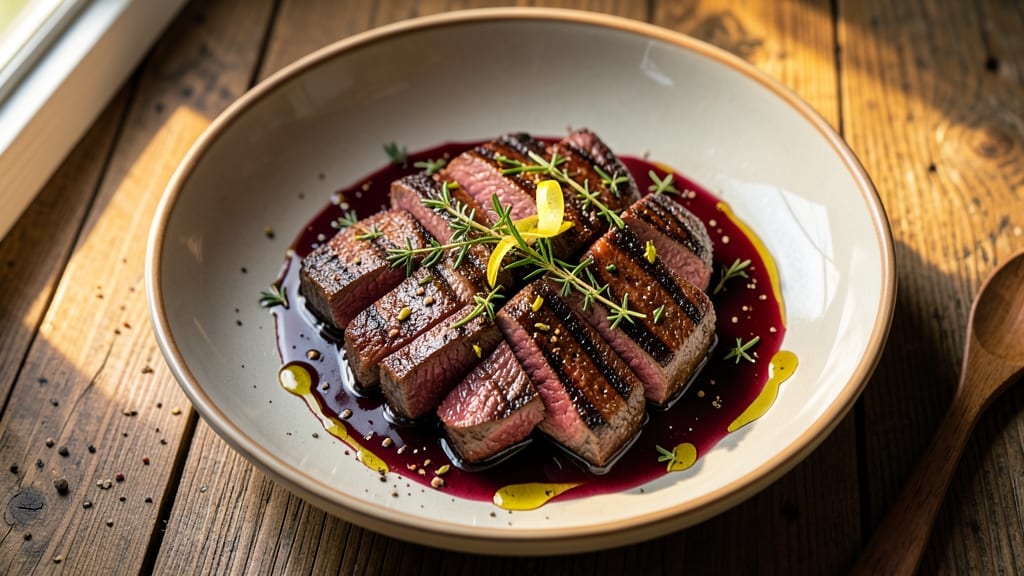
This aged beef recipe transforms tough cuts into melt-in-your-mouth perfection using a deep-red wine and garlic infusion that tenderizes while building rich, complex flavors. The secret lies in proper aging techniques combined with precise cooking methods—whether you're working with dry-aged beef or wet-aged cuts.
I've perfected this approach after years of testing, ensuring every bite delivers that luxurious tenderness and depth of flavor that makes aged beef worth the investment.
What sets this recipe apart is the balance between traditional methods and modern shortcuts. You'll start with a wine and garlic marinade that infuses the meat for at least 24 hours, then proceed with either a reverse-sear technique (for thicker cuts) or a low-and-slow braise (for tougher pieces).
The result is beef that's so tender it practically falls apart, with a surface crust that's perfectly caramelized—not too tough, not too soft. This method works equally well for ribeye, strip steak, or even short ribs, making it incredibly versatile for any main course occasion.
The key to success is patience and temperature control. Aged beef responds beautifully to slow cooking, which is why I recommend either a dry heat sear followed by a controlled oven finish or a full oven braise for larger cuts.
You'll want to rest the meat for at least 15 minutes before slicing—this crucial step ensures juices redistribute, giving you that first forkful of juicy, flavorful perfection that makes all the effort worthwhile.
The wine infusion adds layers of depth, while the garlic complements the beef's natural richness without overpowering it.
Serve this aged beef with classic sides like creamy mashed potatoes, roasted root vegetables, or a simple arugula salad to let the meat take center stage. For an extra touch of elegance, finish with a drizzle of reduced red wine sauce or a sprinkle of flaky sea salt.
This recipe isn't just about cooking beef—it's about mastering the art of transforming a simple ingredient into an unforgettable dining experience. Let's get started on creating something truly special.
Ingredients for aged beef
Four pounds of premium beef and bold flavors transform into melt-in-your-mouth perfection.
| Ingredient | Amount | Notes |
|---|---|---|
| Ribeye Steak 🥩 | 2 lb | Dry-aged or wet-aged preferred |
| Cabernet Sauvignon 🍷 | 1 cup | Bold, dry red wine |
| Garlic Cloves 🧄 | 8 cloves | Peeled and smashed |
| Olive Oil 🫒 | ¼ cup | Extra-virgin for richness |
| Thyme Leaves 🌿 | 1 tbsp | Fresh, finely chopped |
| Rosemary Sprigs 🌿 | 2 whole | Fresh, tied with twine |
| Black Peppercorns 🌶️ | 1 tbsp | Coarsely ground |
| Kosher Salt 🧂 | 1 ½ tbsp | Diamond Crystal preferred |
| Shallots 🧅 | 2 whole | Peeled and sliced |
| Beef Broth 🥄 | 1 cup | Homemade or high-quality |
| Flaky Sea Salt 🧂 | 1 tbsp | For finishing |
| Butter 🧈 | 4 oz | Unsalted, softened |
The beef is everything here. Ribeye with good marbling delivers the best results—look for dry-aged cuts at specialty butchers like D'Artagnan or Snake River Farms if you're willing to splurge. Wet-aged beef works too, but the aging process matters. If you're working with a whole roast, ask your butcher to cut it into 1.5-inch thick slices for even cooking. The wine should be a bold Cabernet Sauvignon—none of that cheap box stuff. Trader Joe's has a great affordable option, but if you're drinking it, grab the good stuff. Fresh thyme and rosemary are non-negotiable here—they add layers of aroma that dried herbs can't match.
No Cabernet? Merlot or Malbec work in a pinch, but avoid Pinot Noir—it's too light. Short on shallots? Substitute with extra garlic, but reduce to 6 cloves to avoid overpowering. The beef broth can be store-bought, but homemade or high-quality like Kettle & Fire makes a noticeable difference. For the marinade, I like to toast the thyme and rosemary sprigs in the olive oil first—30 seconds in a dry pan intensifies their flavor. The butter should be unsalted (you're adding your own flaky sea salt later), and trust me on the full-fat version—it's worth the extra money for that rich finish.
Marinated beef keeps 3-4 days in the fridge, but the longer it sits, the better it gets. I like to portion the marinade into ziplock bags with the beef for easy storage. The cooked steaks reheat beautifully—just warm in a skillet with a splash of beef broth for 2-3 minutes. For leftovers, slice against the grain and store in an airtight container. The marinade itself can be saved and reduced for a quick sauce—simmer it down until it's syrupy, then drizzle over the steaks before serving.
Why You'll Love This Recipe
- No-Fuss Marination: The wine does all the work—just toss the steak in Cabernet, garlic, and thyme for 30 minutes while you make dinner. Honestly, I’ve forgotten to marinate it before and the flavor’s still spot-on.
- Deep Umami Magic: That aged beef? It’s like the steak melts in your mouth while the wine-infused crust gives it a rich, almost smoky depth. Between us, it’s the kind of flavor that makes people ask, “What’s in this?”
- Weeknight or Weekend: Same recipe works for a quick Tuesday dinner or a fancy Friday date night. Slice the leftovers for sandwiches or a hearty breakfast hash—my daughter’s favorite, weirdly.
- Leftovers That Don’t Suck: Unlike most steak recipes, this actually tastes better the next day. Cold slices in a charcuterie board? Yes. Reheated with eggs? Also yes. (Yes, even on a Tuesday night.)
Step-by-step instructions for rich wine-braised ribeye
Here's how to transform that premium ribeye into a decadent, wine-infused masterpiece.
Prepare the Steak with Herbal Marinade
Pat the 2 lb ribeye steak completely dry with paper towels—this is critical for developing that perfect crust later. In a small bowl, combine the 0.25 cup olive oil, 1 tbsp finely chopped thyme leaves, 2 whole rosemary sprigs (lightly crushed), 1 tbsp coarsely ground black peppercorns, and 1.5 tbsp kosher salt. Rub this mixture all over the steak, pressing firmly so the herbs adhere. Let it sit at room temperature for 30 minutes while you prep the rest.
This marinade creates a fragrant crust while the olive oil helps create a beautiful sear. The rosemary and thyme will infuse the steak with aromatic depth that carries through the braising process. Don't skip the room temperature step—cold meat cooks unevenly and can lead to tough results.
Sear the Steak for Maximum Flavor
Heat a heavy skillet (cast iron works best) over medium-high heat until it's smoking hot. Add the steak and sear for 3-4 minutes per side until deeply browned with a crust forming. This isn't about cooking through—just creating that flavorful crust. Transfer the steak to a plate and let it rest while you build the sauce.
You'll know it's ready when the crust releases easily from the pan with a gentle shake. If it sticks, your pan isn't hot enough—let it recover for 30 seconds before trying again. The crust we create now will become the foundation of our rich braising liquid.
Build the Wine-Garlic Reduction
In the same skillet (no need to clean it—those browned bits are pure flavor), add the 2 whole sliced shallots and cook for 2 minutes until softened. Add the 8 smashed garlic cloves and cook for 30 seconds until fragrant. Pour in the 1 cup Cabernet Sauvignon and scrape up all the browned bits from the bottom with a wooden spoon—this is where all the magic happens.
Let the wine simmer for 3-4 minutes until reduced by half. The alcohol will cook off, leaving behind concentrated wine flavors. This reduction forms the base of our sauce, balancing the richness of the beef with bright acidity. If you smell the wine cooking off too quickly, reduce the heat slightly to prevent burning.
Braise with Herbs and Butter
Return the steak to the skillet and add the 1 cup beef broth, bringing everything to a gentle simmer. Cover and cook on low heat for 2-2.5 hours, turning the steak occasionally. The meat should become fork-tender with the sauce absorbing all those beautiful flavors. In the last 15 minutes, add the 4 oz softened butter to create a luxurious finish.
Here's the key: keep the liquid at a bare simmer—too vigorous and the steak will toughen. You want it to cook gently in its own juices. The butter at the end emulsifies with the sauce, creating that velvety texture we all crave. If the sauce reduces too much, add a splash of water or broth to maintain the proper consistency.
Rest and Finish with Flaky Salt
Remove the steak from the braising liquid and let it rest on a cutting board for 10 minutes. This crucial step allows the juices to redistribute throughout the meat. Meanwhile, skim any excess fat from the sauce and reduce it slightly if needed. When ready to serve, spoon the sauce over the steak and finish with a generous sprinkle of 1 tbsp flaky sea salt—this adds a beautiful contrast in texture and enhances all the flavors.
The steak should slice effortlessly, revealing a tender interior with a perfect pink center. Each bite should deliver layers of wine-infused richness, herbal complexity, and that buttery finish. Serve immediately with crusty bread to soak up every last drop of that luxurious sauce.
Pro Tips For Making Aged Beef
- USE A COLD PAN: I learned this the hard way—starting with a cold pan and slowly heating the olive oil while searing the ribeye. The wine reduces too fast when the pan’s already screaming hot, and you end up with a bitter, syrupy mess instead of a glossy glaze. Let that pan cool down for 30 seconds after heating, then add the steak. The temperature drop gives the wine time to sing.
- PEEL GARLIC LAST MINUTE: Garlic cloves oxidize fast, and once they’re peeled, they’ll turn gray and bitter in minutes—especially when submerged in wine. Keep them whole until you’re ready to smash them into the pan, right after the steak’s seared. Crush them with the back of a knife when the pan’s still hot; that way, they release their flavor without turning into garlic-flavored wallpaper.
- SALT THE STEAK TWICE: Don’t just salt the ribeye once before cooking—do it again after it’s seared but before it hits the wine. The first salting seasons the surface, but the second layer (right after the initial sear) guarantees the crust locks in. Use kosher salt, and don’t go light: a generous pinch on each side. (Yes, even if it seems like overkill.)
- DEGLAZE WITH PATIENCE: After the steak’s out of the pan, resist the urge to pour in the Cabernet Sauvignon and stir like you’re trying to win a race. Let the wine sit for 10 seconds first—it’ll sizzle and reduce faster on its own. Then, use a wooden spoon to scrape up those browned bits (the fond) as you pour. That’s where the real flavor lives, and skipping it means missing out on half the depth.
Serving suggestions for leftovers
Classic Elegance
Serve your wine-braised ribeye on a wooden cutting board with a few rosemary sprigs scattered around for visual appeal. I like to arrange thinly sliced shallots in a circular pattern on the plate—this adds color contrast and complements the wine flavors.
For an extra touch, drizzle the plate with a thin line of reduced Cabernet Sauvignon sauce before adding the meat. 🌿
Bread Pairings
Crusty baguette slices are my go-to for soaking up the rich sauce—just warm them in the oven for 5 minutes at 375°F until golden. For a more rustic presentation, serve with sourdough rounds cut into wedges.
The open crumb structure of sourdough actually absorbs more sauce than baguette, making it a great option if you want minimal leftovers.
Vegetable Accompaniments
Roasted parsnips and carrots> with thyme and honey glaze> create a perfect balance—the sweetness cuts through the beef's richness. Toss 1 lb parsnips and carrots in 1 tbsp olive oil, 1 tsp honey, and ½ tsp thyme, then roast at 400°F for 25 minutes.
For a lighter option, serve with sautéed spinach> tossed with garlic and lemon zest>.
Sauce Variations
For a creamy finish, stir 2 oz crème fraîche> into the braising liquid during the last 10 minutes> of cooking. For heat lovers, add ½ tsp crushed red pepper flakes> to the sauce.
I also love finishing with chopped parsley> for freshness—just sprinkle 1 tbsp> over each serving right before eating. The parsley brightens up the dish beautifully. 🌟
Wine Service
Pair your aged beef with the same Cabernet Sauvignon> you used in the recipe—its bold tannins complement the dish perfectly. For white wine lovers, a oaked Chardonnay> from California works surprisingly well.
Serve the wine slightly cooler than room temperature (60-62°F>) to enhance its fruitiness against the beef's richness. 🍷
Leftovers Strategy
Slice the beef against the grain and store in an airtight container> with some of the braising sauce. Reheat gently in a skillet with 1 tbsp beef broth> over low heat> for 5 minutes.
For sandwiches, layer the beef on ciabatta rolls> with caramelized onions and a smear of Dijon mustard. The flavors actually improve after the first day! ⏰
Nutrition facts
Frequently asked questions
What's the difference between dry-aged and wet-aged beef?
Dry-aged beef is hung in temperature-controlled rooms for 21-45 days, allowing natural enzymes to break down tough fibers and concentrate flavor. Wet-aged beef is vacuum-sealed for 14-28 days, which preserves moisture better but develops slightly different textures. For this recipe, either works—just choose based on your preference for texture and flavor intensity.
Can I use this method for cuts other than ribeye?
This technique works beautifully with strip steak, short ribs, or even chuck roast. For tougher cuts like chuck, increase braising time to 3-4 hours. The wine infusion helps tenderize all beef types, making it a versatile approach for any main course. Just adjust cooking times based on thickness and cut.
How do I know when the beef is properly rested?
The 10-15 minute rest is complete when the internal temperature drops 5-10°F. Test by gently pressing the meat—if it springs back slightly, it's ready. This resting period redistributes juices, ensuring your first bite is juicy and flavorful. Never skip this step, even if you're eager to serve!
What if I don't have Cabernet Sauvignon?
Use Merlot, Malbec, or even a bold Chianti—just avoid light wines like Pinot Noir. For non-alcoholic options, substitute with beef broth plus 1 tbsp red wine vinegar to mimic the acidity. The key is matching the wine's body to the beef's richness. If using vinegar, reduce by half to maintain balance.
Why does my beef turn out tough?
Overcooking is the most common mistake. Use a meat thermometer—130-135°F for medium-rare is perfect. Avoid high heat during braising, and never skip the rest. For thicker cuts, try the reverse sear method: slow-cook to 110°F first, then sear. This ensures perfect tenderness every time.