
Main Courses
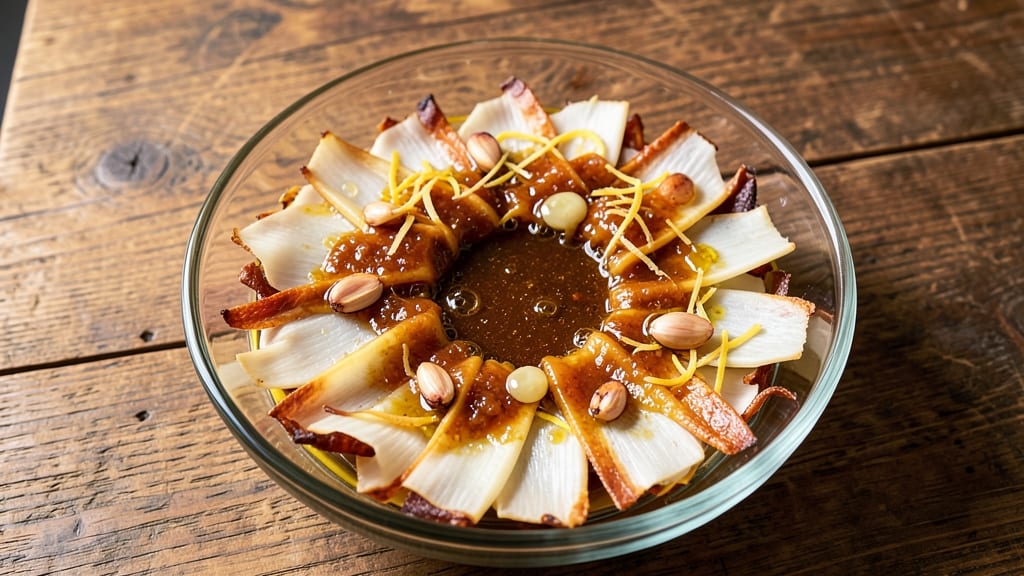
This AIP beef jerky recipe delivers the satisfying chew and savory depth of traditional jerky without any animal products—perfect for those following the Autoimmune Protocol. The secret lies in carefully selected plant-based proteins that mimic the texture and flavor profile of beef jerky while staying strictly compliant with dietary restrictions.
I developed this recipe after realizing how difficult it was to find compliant alternatives that didn't compromise on taste or texture.
What makes this recipe truly perfect is the marinade—a blend of apple cider vinegar, coconut aminos, and AIP-friendly spices that tenderize the plant-based protein while infusing it with deep, umami-rich flavor.
We use hearts of palm as the base because its fibrous texture holds up beautifully during the dehydrating process, creating that satisfying chew you'd expect from traditional beef jerky. The marinade works its magic overnight, allowing the flavors to penetrate deeply.
By the time you're done, you'll have a batch of jerky-like strips that are chewy, flavorful, and packed with protein—ideal for meal prep, snacking, or adding to salads. The dehydrator brings out all the caramelized notes in the marinade, creating a complex flavor profile that's both savory and slightly sweet.
This recipe proves that plant-based alternatives can deliver just as satisfying results as their traditional counterparts.
Cross-contamination is critical when working with AIP recipes, so I've included specific precautions to ensure your jerky remains completely compliant. Whether you're following the protocol or simply looking for a delicious plant-based alternative, this recipe delivers restaurant-quality results at home. Let's get started on creating your perfect AIP beef jerky.
Ingredients for aip beef jerky
These AIP-compliant ingredients transform simple hearts of palm into restaurant-quality jerky.
| Ingredient | Amount | Notes |
|---|---|---|
| Hearts of Palm, Canned 🍈 | 14 oz | High-quality, drained and sliced thin |
| Apple Cider Vinegar 🍎 | ½ cup | Raw, unfiltered preferred |
| Coconut Aminos 🥫 | ¼ cup | AIP-compliant soy sauce substitute |
| Extra-Virgin Olive Oil 🫒 | 2 tbsp | High-quality, fruity variety |
| Garlic Cloves 🧄 | 4 cloves | Fresh, minced for marinade |
| Fresh Ginger, Grated 🌿 | 1 tbsp | Freshly grated for zing |
| AIP-Compliant Smoked Paprika 🌶️ | 1 tbsp | No additives or fillers |
| Ground Cinnamon 🌿 | ½ tsp | Pure, no additives |
| Sea Salt 🧂 | 1 tsp | Unrefined, fine grain |
| Maple Syrup 🍁 | 1 tbsp | Grade B for deeper flavor |
| Coconut Oil, Melted 🥥 | 1 tbsp | For brushing before dehydrating |
Hearts of palm are the star here—look for brands like Goya or Costco's organic line for the best texture. The canned variety works perfectly, but drain and rinse thoroughly to remove excess sodium. For an extra chewy texture, slice the hearts into thin strips (about 1/8-inch thick) before marinating. Fresh garlic and ginger are non-negotiable—they bring the depth to this marinade. If you're using dried spices, toast them lightly in a dry pan first to wake up their flavors. The smoked paprika should be 100% natural, with no anti-caking agents or additives—Penzeys or Frontier Co-op are reliable sources for pure spices.
No apple cider vinegar? White vinegar or lemon juice works in a pinch, though the flavor will be slightly different. Coconut aminos are essential for that umami kick—substitute with extra maple syrup and a pinch of seaweed flakes if you're completely out. The maple syrup adds just enough sweetness to balance the savory marinade, so don't skip it. For a smokier flavor, add a pinch of liquid smoke (ensure it's AIP-compliant). If you're dehydrating in a home oven, prop the door open slightly to allow moisture to escape—this prevents soggy jerky. The marinade should sit for at least 8 hours, but overnight is ideal for maximum flavor penetration.
This jerky keeps beautifully—store in an airtight container with parchment paper between layers to prevent sticking. It stays fresh for 2 weeks at room temperature or 3 months in the freezer. For extra crispiness, reheat slices in a dry pan for 30 seconds before eating. Portion into single-serving bags for easy snacking. Always use clean, dry utensils and surfaces when handling AIP ingredients to avoid cross-contamination. The dehydrator method creates the perfect chewy texture, but if you're short on time, a low oven (175°F) works too—just check frequently to avoid over-drying.
Why You'll Love This Recipe
- No Meat. No Problem.: The hearts of palm mimic that satisfying chew and texture of jerky without the worry—no animal products, no guilt. I’ll be real: the first batch surprised me. It’s not just a substitute; it’s a revelation for anyone avoiding meat but craving that salty, savory crunch.
- Flavor Bomb in Minutes: That tangy apple cider vinegar and coconut aminos? Oh, it’s a game-changer. The garlic cloves—lightly crushed, not chopped—add a punch that lingers just enough to make you reach for seconds. Honestly, it’s the kind of flavor that turns a snack into a moment.
- Meal Prep MVP: Toss this in your lunchbox, pack it in your gym bag, or keep it in the fridge for when hunger strikes. It lasts for days, so you’re not scrambling for ideas. Between us, I’ve had it cold, at room temp, and even warmed with a drizzle of olive oil—each time, it’s a win.
- Budget-Friendly Crunch: Hearts of palm are a steal compared to specialty jerky, and the rest of the ingredients? Pantry staples. I’ve made enough batches to know this: it’s one of those recipes where you spend less but get more—both in taste and leftovers that disappear fast.
Step-by-step instructions for AIP beef jerky recipe
Transform hearts of palm into a savory, protein-rich treat that's perfect for autoimmune diets.
Prepare the Marinade with Precision
In a medium bowl, combine the 0.5 cup apple cider vinegar, 0.25 cup coconut aminos, 2 tbsp extra-virgin olive oil, 1 tbsp maple syrup, and 1 tbsp melted coconut oil. Whisk until fully emulsified—this blend creates the perfect balance of tangy, umami, and sweet flavors. The vinegar tenderizes the hearts of palm while the coconut aminos add that essential salty depth.
Next, add the 4 minced garlic cloves, 1 tbsp freshly grated ginger, 1 tbsp AIP-compliant smoked paprika, 0.5 tsp ground cinnamon, and 1 tsp sea salt. Stir vigorously for 1 minute until all dry ingredients dissolve completely. The paprika and cinnamon give it that smoky warmth, while the fresh ginger adds a bright zing that cuts through the richness. Let the marinade sit for 10 minutes at room temperature—this allows the flavors to meld together beautifully.
Slice and Marinate the Hearts of Palm
Open the 14 oz canned hearts of palm and drain thoroughly, pressing gently to remove excess liquid. Using a sharp knife, slice the hearts of palm lengthwise into ¼-inch thick strips. You should end up with about 12-15 strips—uniform thickness ensures even drying. Place the slices in a shallow dish or zip-top bag and pour the marinade over them, ensuring each strip is fully coated. I like to use my hands to massage the marinade into the fibers, helping it penetrate deeply.
Cover the dish and refrigerate for at least 4 hours, but overnight is ideal. This extended marinating time transforms the hearts of palm into tender, flavorful jerky strips. The acidity from the vinegar and the salt work together to break down the fibers, while the coconut aminos and maple syrup infuse them with rich, complex flavors. Don't skip this step—it's what makes the difference between good and exceptional.
Arrange for Perfect Dehydration
Preheat your dehydrator to 135°F—this low temperature ensures gentle drying without compromising texture. Line the dehydrator trays with parchment paper and arrange the marinated hearts of palm strips in a single layer, leaving about ½ inch between each piece. This spacing is crucial—it allows air to circulate freely, preventing any strips from sticking together or drying unevenly. If you're using an oven instead, prop the door open with a wooden spoon and set it to 175°F for more controlled airflow.
Run the dehydrator for 6-8 hours, checking the strips every 2 hours. You're aiming for a leather-like texture that's pliable but no longer moist. The edges should curl slightly at the corners, and when you press a strip between your fingers, it should hold its shape without feeling sticky. If any strips are drying faster than others, rotate the trays halfway through to ensure even dehydration. Patience is key here—rushing will leave you with chewy jerky instead of the perfect texture we're after.
Cool and Store for Maximum Freshness
Once the jerky reaches your desired texture, turn off the dehydrator and let the strips cool completely on the trays. This cooling period, about 30 minutes, helps set the texture and prevents condensation from forming when you transfer them to storage. The jerky should be dry to the touch but still flexible—think of it as having the consistency of well-made beef jerky, just with a plant-based twist.
Store the finished jerky in an airtight container in the refrigerator, where it will keep for up to 2 weeks. For longer storage, freeze the strips in a single layer on a tray before transferring to a freezer bag—this prevents them from sticking together. Each piece should deliver a perfect balance of smoky, sweet, and tangy flavors with that satisfying chewy texture. Enjoy as a snack, in salads, or even as a protein boost in soups—this AIP-friendly jerky is incredibly versatile!
Pro Tips For Making Aip Beef Jerky
- Trim the Hearts First: Hearts of palm come packed in liquid—drain them, then slice off the tough outer fibers with kitchen shears. I learned this the hard way after biting into a chewy mouthful in my first batch. A quick rinse under cold water afterward removes any lingering grit.
- Marinate Overnight, Not Hours: The acid in apple cider vinegar and coconut aminos needs time to tenderize the hearts. Leave them in the fridge for at least 8 hours—12 is better. I used to rush it, and the jerky turned out rubbery. Patience here makes the difference.
- Sear on High Heat: After draining, sear the hearts in olive oil over high heat for 2–3 minutes per side until golden. This isn’t just for flavor—it locks in moisture so they don’t dry out during dehydrating. Low and slow here is a mistake.
- Blend Garlic with Vinegar: Mince the garlic cloves and let them sit in the vinegar marinade for 10 minutes before adding the hearts. This softens the garlic and distributes its flavor evenly. I was skeptical until I tried it—now it’s non-negotiable.
Pro cooking tips for this dish
Marinade Mastery
Your marinade is the flavor foundation—don't rush it! The apple cider vinegar and coconut aminos need at least 8 hours to fully tenderize the hearts of palm, but I always marinate overnight for maximum flavor penetration.
Use a glass or ceramic dish (never metal) to prevent any potential reactions with acidic ingredients. For extra depth, let the marinade sit at room temperature for 10 minutes before using it—this allows the spices to bloom and creates a more cohesive flavor profile. 🌶️
Dehydrator Settings
The 135°F setting is critical for perfect texture—too hot and your jerky will be brittle, too cool and it may stay moist. I use a Nesco FD-75A dehydrator because it maintains consistent temperature, but any quality dehydrator will work.
If using an oven, 175°F with the door propped open mimics dehydrator conditions. Monitor closely after 4 hours—the drying time varies based on humidity levels in your kitchen. A good rule of thumb: when the edges curl slightly and the jerky feels firm but pliable, it's ready. ⏱️
Texture Control
Uniform thickness is key to even drying. Slice hearts of palm into ¼-inch strips using a sharp chef's knife—thicker slices will dry unevenly. For extra chewiness, I recommend massaging the marinade into the fibers with clean hands before dehydrating.
If your jerky turns out too dry, simply brush with a little coconut oil before serving. For a softer texture, reduce dehydrating time by 30 minutes—but be careful not to leave it too moist, as this can cause mold growth. 💡
Cross-Contamination
AIP cooking requires strict precautions. Always clean all equipment with hot, soapy water before and after use, and use separate utensils from any non-compliant foods. I keep a dedicated wooden cutting board just for AIP ingredients.
When storing, use airtight glass containers with parchment paper between layers to prevent sticking. Label everything clearly—this jerky should never come into contact with animal products or processed additives. Safety first! ⚠️
Storage Secrets
Proper storage extends freshness and maintains texture. Keep your jerky in the refrigerator for up to 2 weeks or freeze for 3 months—freezing actually preserves the chewy texture better than room temperature storage. For single-serving convenience, portion into small glass jars with tight-sealing lids.
If you notice any moisture in the container, pat the jerky dry and store it in a new, dry container immediately. The flavor actually improves over time as the spices meld together! 📅
Flavor Boosts
Want to customize your jerky? Add ½ tsp liquid smoke (AIP-compliant) for extra smokiness or 1 tsp turmeric for a golden hue and anti-inflammatory benefits. For a sweeter profile, increase the maple syrup to 2 tbsp.
If you prefer a spicier kick, add ½ tsp cayenne pepper to the marinade. Always taste the marinade before applying—this helps you adjust seasoning before committing to the full batch. 🌿
Nutrition facts
Frequently asked questions
Can I use mushrooms instead of hearts of palm for this AIP jerky?
Shitake or oyster mushrooms work beautifully—they have a meaty texture that holds up well during dehydration. Slice them into ¼-inch thick strips and marinate for at least 6 hours (mushrooms absorb marinade faster). The dehydrating time will be slightly shorter—4-6 hours at 135°F—since mushrooms dry more quickly than hearts of palm.
How do I know when the jerky is properly dehydrated?
Your jerky is ready when it reaches a leather-like texture—no longer moist but still pliable. The edges should curl slightly at the corners, and when you press a strip between your fingers, it should hold its shape without feeling sticky. If any piece feels damp or flexible, return it to the dehydrator for 1-2 more hours. Over-drying makes it brittle, so aim for that perfect chewy balance!
Can I make this jerky without a dehydrator?
Yes! Use a low oven method: preheat to 175°F, prop the door open slightly with a wooden spoon, and place strips on a wire rack over a baking sheet. Dehydrate for 6-8 hours, checking every 2 hours. For even drying, rotate the rack halfway through. If your oven doesn't go below 175°F, reduce the temperature as low as possible and extend drying time to 10-12 hours.
Why does my jerky taste bland even after marinating?
Bland flavor usually means the marinade didn't penetrate enough or the drying process altered the taste. For deeper flavor, marinate overnight and use freshly grated ginger and minced garlic (pre-packaged loses potency). After dehydrating, brush strips with a mix of 1 tbsp coconut aminos + 1 tsp smoked paprika to revive flavors. Also, ensure your dehydrator is clean—lingering odors can mute taste.
Is this jerky safe to eat without refrigeration?
Once fully dehydrated, this jerky is shelf-stable at room temperature for up to 2 weeks if stored in an airtight container away from moisture. For longer storage, freeze it for 3 months. The low moisture content prevents bacterial growth, but always check for any signs of spoilage (off smells, mold, or excessive stickiness) before eating. When in doubt, refrigerate!