
Soups & Stews
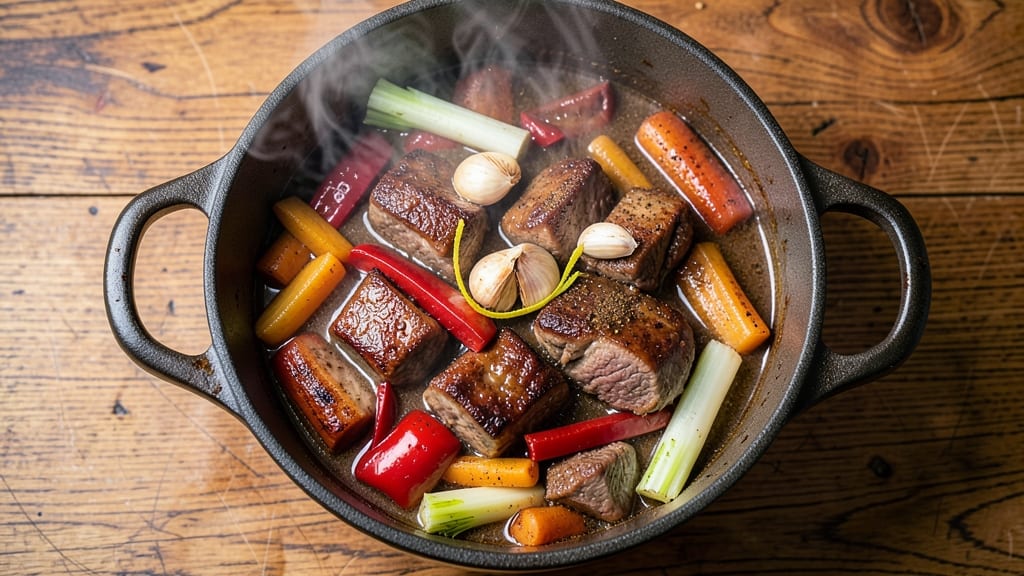
This allspice beef stew transforms tough cuts into melt-in-your-mouth tenderness with a warm, aromatic spice profile that lingers long after the first bite. The secret lies in slow cooking—where allspice's earthy sweetness and subtle warmth develop into a complex, comforting flavor that elevates every ingredient.
Unlike quick stews, this method ensures deep flavor penetration, turning simple beef and vegetables into a hearty, restaurant-quality meal.
What sets this recipe apart is the careful balance of allspice with traditional stew spices—cinnamon, cloves, and nutmeg—creating a harmonious warmth that pairs perfectly with rich beef and hearty vegetables.
Browning the meat first develops a deep, caramelized crust that forms the flavor base, while simmering low and slow tenderizes the beef and melds the spices into the broth. The result? A stew that's rich, deeply flavorful, and impossible to resist.
By the time you serve this stew, you'll have perfectly tender beef that falls apart at the touch of a fork, vegetables softened just enough to absorb the aromatic broth, and a sauce thickened naturally with the meat's own juices.
The allspice infuses every spoonful with its signature warmth, making this more than just a stew—it's a cozy, spice-forward centerpiece for chilly evenings.
Pair it with crusty bread to soak up every last drop of that flavorful broth, or serve alongside mashed potatoes for a complete, comforting meal. The beauty of this recipe lies in its versatility—make it once and you'll want to return to it again and again.
Here's how to create it step by step.
Ingredients for allspice beef stew
Pantry staples meet aromatic spices for this rich, slow-cooked beef masterpiece.
| Ingredient | Amount | Notes |
|---|---|---|
| Chuck Roast Beef 🥩 | 2 lb | Pre-cut into 1.5-inch cubes |
| Yellow Onion 🧅 | 1 whole | Chopped into 0.5-inch pieces |
| Carrots 🥕 | 4 medium | Peeled and cut into 1-inch chunks |
| Garlic Cloves 🧄 | 4 cloves | Minced or finely chopped |
| Celery Stalks 🥬 | 3 whole | Chopped into 0.5-inch pieces |
| Allspice Ground 🌶️ | 1 tbsp | Freshly ground preferred |
| Ground Cinnamon 🌿 | ½ tsp | High-quality for depth |
| Ground Cloves 🌶️ | ½ tsp | Freshly ground for intensity |
| Ground Nutmeg 🌿 | ¼ tsp | Freshly grated preferred |
| Tomato Paste 🍅 | 2 tbsp | High-quality for richness |
| Beef Broth 💧 | 4 cups | Low-sodium preferred |
| Red Wine 🍷 | 1 cup | Bold dry variety like Cabernet |
| Olive Oil 🫒 | 2 tbsp | Extra-virgin for browning |
| Salt 🧂 | 1 ½ tsp | Kosher or sea salt |
| Black Pepper 🌶️ | 1 tsp | Freshly ground preferred |
The beef is everything here. Chuck roast is the gold standard—it's tough enough to benefit from slow cooking but breaks down beautifully. Grab it pre-cut from Costco or your butcher's counter if you want to save time. Look for good marbling; that's what keeps the meat juicy. The carrots? Organic from the farmers market have the best flavor, but regular grocery store ones work fine. Just make sure they're firm and bright orange—no limp or rubbery ones. The spices are non-negotiable: Penzeys or bulk bins at natural food stores for the freshest, most potent allspice, cinnamon, and cloves.
No red wine? Substitute beef broth with a splash of balsamic vinegar—it adds that same depth. Short on allspice? Mix 1/4 tsp each cinnamon, nutmeg, and ginger for a similar warmth. The tomato paste can be that squeeze tube from Trader Joe's—it's perfect for small amounts and keeps forever. Fresh herbs? Thyme or rosemary would be lovely, but dried works at one-third the amount. For the broth, low-sodium is key—you'll be adding plenty of salt later. And if you're using a pre-cut chuck roast, check the packaging—some brands include seasonings you might not want.
This stew tastes even better the next day—honestly, it's worth making ahead. Keeps for 5-6 days in the fridge, and freezes beautifully for up to 3 months. I like to portion it into individual containers so I can grab a meal straight from the freezer. The broth thickens as it cools, so you might need to add a splash of water or broth when reheating. And if you're serving with crusty bread, make sure to toast it fresh—it soaks up that rich broth like a dream.
Why You'll Love This Recipe
- One-Pot Magic: I swear by this—just toss the beef, onions, carrots, and celery into a pot, add the allspice, and let it do its thing. No chopping boards to wash, no extra pans, just done.
- Allspice Secret Weapon: That warm, cinnamon-like kick from the allspice? It turns simple beef into something rich and complex—like a hug in a bowl. The garlic and celery deepen the flavor without overpowering.
- Budget Beef That Feeds: A chuck roast stretches forever, and the veggies? Cheap and filling. I’ve fed four hungry teens and my partner for under $15—no takeout, no regrets.
Step-by-step instructions for allspice beef stew
Here's how to create a rich, spiced beef stew with melt-in-your-mouth tender meat.
Brown the Beef for Maximum Flavor
Heat the 2 tablespoons olive oil in a large Dutch oven over medium-high heat until shimmering. Working in batches to avoid crowding, add the 2 pounds chuck roast beef cut into 1.5-inch cubes and sear for 2-3 minutes per side until deeply browned. This step is crucial—it builds layers of flavor through the Maillard reaction.
As you work, resist the urge to move the beef around constantly. Let each piece develop a good crust before turning. Once all the beef is browned, remove it from the pot and set it aside on a plate. You'll notice the beef releases from the pot more easily when it's ready to flip—this is your signal that the crust is forming properly.
Build the Spiced Vegetable Base
In the same Dutch oven, add the 1 whole yellow onion chopped into 0.5-inch pieces, 4 medium carrots cut into 1-inch chunks, and 3 whole celery stalks chopped into 0.5-inch pieces. Cook for 5-6 minutes until the vegetables begin to soften and the onions turn translucent.
Add the 4 cloves garlic cloves minced or finely chopped, and cook for another 30 seconds until fragrant. Here's where the warm spices come in—add the 1 tablespoon allspice ground, 0.5 teaspoon ground cinnamon, 0.5 teaspoon ground cloves, and 0.25 teaspoon ground nutmeg. Stir for 10 seconds just to toast the spices—this releases their aromatic oils and deepens their flavor.
Develop the Sauce Foundation
Stir in the 2 tablespoons tomato paste and cook for 1 minute until it darkens slightly and loses its raw taste. This creates a rich base for your stew. Pour in the 1 cup red wine and scrape up any browned bits from the bottom of the pot—these contain concentrated flavor. Let the wine simmer for 2-3 minutes until it reduces by about half.
Add the 4 cups beef broth and bring everything to a simmer. Return the browned beef to the pot, along with any accumulated juices on the plate. Season generously with 1.5 teaspoons salt and 1 teaspoon black pepper. The stew should be well-seasoned but not overly salty—you can always adjust later.
Simmer to Tender Perfection
Cover the Dutch oven and bring the stew to a gentle simmer over medium-low heat. Here's the key: maintain a steady simmer, not a rolling boil. You'll know it's simmering properly when you see small bubbles breaking the surface occasionally. Cook for 2 to 2.5 hours until the beef is fork-tender and easily pulls apart.
Check for doneness by inserting a fork into the thickest piece of beef. If it slides in easily and the meat is tender, your stew is ready. If the broth seems too thin, uncover and simmer for another 10-15 minutes to thicken slightly. The vegetables should be soft but still hold their shape—this balance of textures is what makes this stew so satisfying.
Rest and Serve with Confidence
Remove the stew from heat and let it rest for 10 minutes before serving. This resting period allows the flavors to meld together and the juices to redistribute throughout the meat. Taste and adjust seasoning if needed—you might need a little more salt or pepper depending on your preferences.
Serve the stew hot, ladling the tender beef and vegetables with their rich, spiced broth over crusty bread or mashed potatoes. Each bite should deliver perfectly tender beef with warm, aromatic spices that linger on your palate. The combination of allspice, cinnamon, and cloves creates a complex, comforting flavor profile that makes this stew truly special.
Pro Tips For Making Allspice Beef Stew
- SEAR THE CHUCK ROAST: After browning the beef, let it sit for 5 minutes before adding anything else. I learned this the hard way—skipping this step means the meat just steams instead of developing that deep, caramelized crust that holds up through hours of cooking. (Yes, even if you're impatient like me.)
- CHOP ONIONS SMALLER THAN YOU THINK: Dice those yellow onions into ¼-inch pieces, not the usual ½-inch chunks. They’ll soften and melt into the stew faster, creating a smoother base instead of big, chewy bits that make you want to pick through your stew. Trust me, your future self will notice.
- DON’T SKIP THE ALLSPICE TOAST: Lightly toast the whole allspice berries in a dry pan for 30 seconds before grinding them into the stew. This releases their oils and aroma, giving the dish a richer, warmer depth. I was skeptical until I tried it—now it’s non-negotiable.
- ADD CARROTS LAST: Toss the carrots in halfway through cooking, not at the start. They’ll stay firmer and hold their shape instead of turning to mush, which happens when they simmer in liquid for too long. (Your stew will look prettier, too.)
Pro cooking tips for great allspice beef stew
Spice Toasting Technique
Toast your spices for 10 seconds after adding them to the vegetables—this releases their essential oils and intensifies their flavor. I use a whisk to stir continuously over medium heat until the spices are fragrant but not burning.
The allspice, cinnamon, and cloves will develop a warm, earthy aroma that instantly transforms your stew. 🌶️
Beef Browning Secrets
Don't overcrowd your Dutch oven when browning the beef—work in batches if needed. I like to use a 12-inch cast iron skillet from Lodge for this step, as it provides even heat distribution.
Let each piece develop a deep, golden crust before moving it to your plate. The Maillard reaction creates complex flavors that form the foundation of your stew.
Wine Reduction Timing
Simmer the wine until it reduces by about half—this concentrates its flavors and adds depth to the sauce. I aim for 2-3 minutes of active simmering, stirring occasionally to prevent sticking.
Scrape up any browned bits from the bottom of the pot—they're packed with flavor. This step is where the wine's acidity brightens the rich beef and spices.
Simmer Control Tips
Maintain a gentle simmer, not a rolling boil, to prevent the beef from toughening. I use a meat thermometer to monitor the internal temperature—aim for 203°F for perfect tenderness.
If your stew starts to boil vigorously, reduce the heat immediately. The slow cook transforms tough chuck roast into melt-in-your-mouth perfection. ⏰
Vegetable Texture Balance
Carrots and celery should be tender but still hold their shape when done—aim for 20-25 minutes of cooking time after adding the broth. Overcooking turns them mushy, while undercooking leaves them crunchy.
I like to check them after 1.5 hours of simmering and adjust the heat if needed. The right texture makes every bite satisfying.
Resting Period Importance
Never skip the 10-minute resting period before serving—this allows the juices to redistribute throughout the meat and vegetables. I cover the pot loosely with a lid during this time. When you return to the stew, you'll notice the flavors have melded together beautifully, creating a cohesive, restaurant-quality dish. 💫
Nutrition facts
Frequently asked questions
Can I substitute allspice with other spices?
Yes! If you're missing allspice, combine ¼ teaspoon each of cinnamon, nutmeg, and ginger for a similar warm, aromatic depth. The key is balancing sweetness (cinnamon), warmth (nutmeg), and zing (ginger). For a more complex profile, add a pinch of cloves too.
How do I know when the beef is tender enough?
Use the fork test: Insert a fork into the thickest piece of beef. If it slides in easily and the meat pulls apart with minimal resistance, it's done. For extra accuracy, use a meat thermometer—203°F ensures perfect tenderness. Overcooking can turn the meat dry, so aim for 2-2.5 hours of simmering.
Can I make this stew in a slow cooker?
Brown the beef in a skillet first, then transfer everything to your slow cooker. Cook on low for 6-7 hours or high for 3-4 hours. The slow cooker's gentle heat mimics the Dutch oven's method, keeping the beef tender and flavors deep. Just skip the resting time—it's ready to serve when the beef is fork-tender.
Why does my stew taste too thin?
Thin broth is usually from insufficient simmering time. Uncover the pot and cook on medium-low heat for 10-15 minutes to reduce the liquid. For extra thickness, stir in 1 tablespoon cornstarch mixed with 2 tablespoons cold water and simmer for 2 minutes. Avoid adding flour directly—it can make the stew cloudy.
What’s the best way to reheat leftovers?
Reheat gently in a saucepan over low heat until warmed through (165°F). Add a splash of beef broth or water if the stew seems too thick. Never microwave—it can make the beef tough. For best results, reheat only what you need to keep the texture perfect. Leftovers taste even better the next day!