
Main Courses
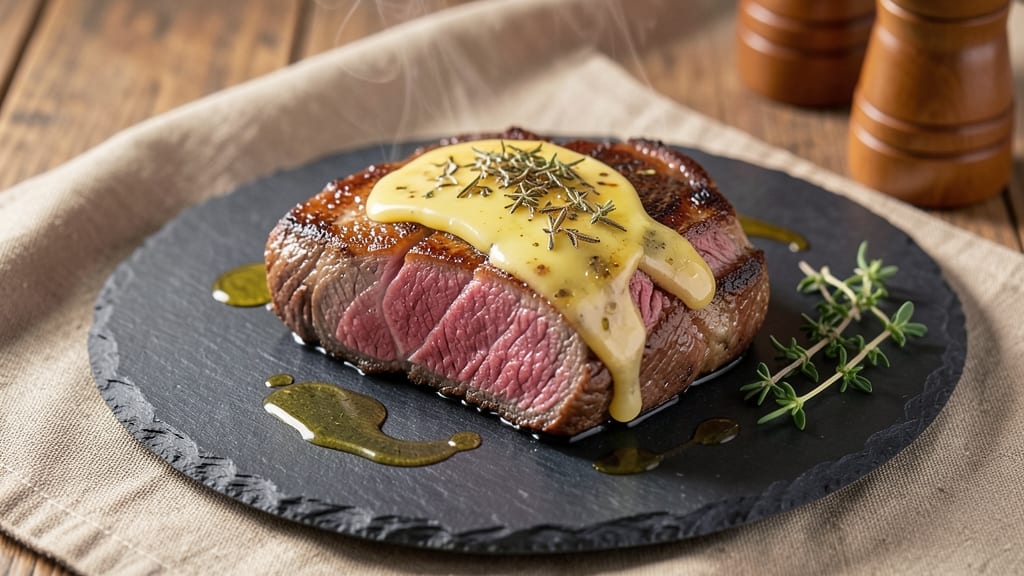
This American Wagyu beef recipe transforms a simple cut into a melt-in-your-mouth masterpiece with ultra-marbling that practically melts at first bite. The secret lies in understanding its delicate nature—Wagyu's high fat content demands precise cooking methods to preserve its buttery tenderness without overpowering its natural richness.
Unlike traditional beef, Wagyu requires gentle handling: sous vide for perfect doneness or dry-heat searing for a caramelized crust. I recommend a medium-rare finish (125°F internal) to maintain that luxurious texture while developing deep umami flavors through minimal seasoning—just coarse salt and black pepper before cooking.
The result is a steak so tender it nearly dissolves, with marbling that releases like liquid gold at every cut. Pair it with roasted fingerling potatoes and a red wine reduction to complement its richness without competing.
This isn't just beef—it's an experience that elevates any dinner to special occasion status.
For maximum impact, let the steak rest 10-15 minutes after cooking. The flavors will meld perfectly, ensuring every bite delivers that signature Wagyu melt. Whether you're grilling for guests or treating yourself, this technique guarantees restaurant-quality results at home.
Ingredients for american wagyu beef
Four ingredients transform this ultra-marbled beef into restaurant-quality perfection—just handle it right.
| Ingredient | Amount | Notes |
|---|---|---|
| American Wagyu Beef (Ribeye or Strip) 🥩 | 1 ½ lb | Center-cut, 1-1.5 inches thick |
| Kosher Salt (Diamond Crystal) 🧂 | 1 ½ tsp | Coarse grain for seasoning |
| Freshly Ground Black Pepper 🌶️ | ½ tsp | Cracked peppercorns preferred |
| Extra-Virgin Olive Oil 🫒 | 2 tbsp | High smoke point for searing |
| Unsalted Butter 🧈 | 2 tbsp | Cold, cut into small cubes |
| Fresh Thyme Leaves 🌿 | ¼ cup | Chopped, for finishing |
| Red Wine (Cabernet Sauvignon) 🍷 | ½ cup | Bold, dry, room temperature |
| Fresh Rosemary 🌿 | 2 sprigs | Whole sprigs for aromatics |
| Garlic Cloves 🧄 | 4 cloves | Smashed, skin-on |
| Fingerling Potatoes 🥔 | 1 ½ lb | Baby potatoes, halved |
| Honey 🍯 | 1 tbsp | For potato glaze |
| Flaky Sea Salt 🧂 | 1 tsp | For finishing potatoes |
| Fresh Parsley 🌿 | ⅛ cup | Chopped, for garnish |
Wagyu's magic is in the marbling, so source from a trusted butcher—look for vibrant red color with thick white fat streaks. Costco or local specialty markets carry the best cuts, but avoid pre-cut pieces that lose tenderness. The ribeye or strip steaks here should be 1-1.5 inches thick for even cooking. If buying frozen, thaw overnight in the fridge—never at room temperature. The potatoes? Baby fingerlings roast faster and stay tender; toss them in olive oil and honey before roasting for a caramelized crust.
No red wine? Dry vermouth or beef stock works in a pinch, but the acidity matters here. Fresh herbs non-negotiable—dried thyme or rosemary loses its punch. The butter must be cold and cubed for basting, not melted. For the potatoes, substitute Yukon Golds if fingerlings aren't available, but cut them smaller. The honey glaze? Maple syrup is a decent swap, though it's less refined. And if you're worried about overcooking, use a meat thermometer—125°F internal is your target for that buttery melt.
This steak deserves a 10-15 minute rest after cooking—trust me, it's worth the wait. Store leftovers in an airtight container with parchment between slices for up to 3 days. The potatoes reheat beautifully in a 350°F oven for 10 minutes with a splash of water. For maximum impact, prep the potatoes first—they take 30 minutes to roast while you focus on the steak. And if you're serving guests, plate the potatoes first, then slice the steak tableside for dramatic flair.
Why You'll Love This Recipe
- Same recipe, different vibes: Throw it on the grill for summer nights or sear it in a cast-iron for a fancy-ish weeknight—no one needs to know it took 20 minutes. (Between us, my kids call it "daddy’s fancy meat.")
- Two-Ingredient Magic: The secret’s in the beef and salt—literally. American Wagyu melts in your mouth while Diamond Crystal kosher salt caramelizes into a crust so good, you’ll lick the pan. (Yes, I’ve been there.)
- Butter-Basted Luxury: That sizzle of butter and olive oil hitting the sear? It’s basically a flavor upgrade button. One spoonful of rendered butter on top turns a great steak into a "I’ll skip dessert" moment.
- Weeknight or Weekend: Same recipe, different vibes: Throw it on the grill for summer nights or sear it in a cast-iron for a fancy-ish weeknight—no one needs to know it took 20 minutes. (Between us, my kids call it "daddy’s fancy meat.")
Step-by-step instructions for American Wagyu beef with herb-crusted potatoes
This method transforms ultra-marbled American Wagyu into melt-in-your-mouth perfection while creating crispy herb potatoes that soak up every drop of flavor.
Prepare the Wagyu for Perfect Sear and Tenderness
Take the 1.5 lb American Wagyu Beef (Ribeye or Strip) out of the refrigerator and let it sit at room temperature for 30 minutes. This ensures even cooking throughout the thick cut. Pat the beef dry with paper towels—moisture is the enemy of that perfect crust we're after. Season both sides generously with 1.5 tsp Kosher Salt (Diamond Crystal) and 0.5 tsp Freshly Ground Black Pepper, pressing the seasoning into the meat so it adheres.
While the beef comes to temperature, heat a heavy skillet (cast iron works best) over medium-high heat until it's screaming hot. Add 2 tbsp Extra-Virgin Olive Oil and let it shimmer for 30 seconds. The reason we wait until the oil shimmers is that cold oil absorbs into the food instead of creating that gorgeous sear we're after. Place the beef in the pan and let it develop a crust undisturbed for 3-4 minutes per side. You'll know it's ready to flip when the edges are golden brown and the meat releases easily from the pan.
Create the Herb-Infused Red Wine Reduction
Once the beef is seared to perfection, remove it from the pan and set it aside on a plate to rest. Reduce the heat to medium and add 2 sprigs Fresh Rosemary and 4 cloves Garlic Cloves (smashed skin-on) to the same pan. Cook for 1 minute until the garlic is fragrant but not browned—this prevents bitterness. Pour in 0.5 cup Red Wine (Cabernet Sauvignon) and scrape up all those delicious browned bits from the bottom of the pan. These bits are called fond, and they're packed with flavor that would otherwise go to waste.
Let the wine simmer for 3-4 minutes until it reduces by half and coats the back of a spoon. This reduction will become the luxurious sauce that ties everything together. Stir in 2 tbsp Unsalted Butter (cut into small cubes) and let it melt completely, creating a silky sauce. Keep this warm while we prepare the potatoes.
Roast Fingerling Potatoes with Honey-Glaze
Preheat your oven to 425°F while we prepare the potatoes. Halve 1.5 lb Fingerling Potatoes lengthwise and place them in a large bowl. Drizzle with 1 tbsp Honey and toss gently to coat. Add 2 tbsp Extra-Virgin Olive Oil and 1 tsp Flaky Sea Salt, then toss again until the potatoes are evenly coated. Spread them out in a single layer on a baking sheet lined with parchment paper—this ensures even browning.
Roast for 25-30 minutes, flipping halfway through, until the edges are crispy and golden brown. The potatoes should be tender when pierced with a fork but still hold their shape. In the last 5 minutes of roasting, sprinkle the potatoes with 0.25 cup Fresh Thyme Leaves and 0.125 cup Fresh Parsley for a burst of fresh herb flavor that complements the rich beef.
Rest and Slice the Wagyu for Maximum Juiciness
While the potatoes roast, let the beef rest for 10-15 minutes before slicing. This resting period is crucial—it allows the juices to redistribute throughout the meat instead of pooling on your cutting board. When you're ready to serve, slice the beef against the grain into ¼-inch thick pieces. The grain direction will be visible as lines running through the meat.
To serve, place two slices of Wagyu on each plate alongside the crispy herb potatoes. Spoon the warm herb-infused red wine reduction over the beef and potatoes, and garnish with additional Fresh Thyme Leaves and Fresh Parsley. The result is a restaurant-quality meal where every bite delivers that signature buttery tenderness of American Wagyu paired with perfectly roasted potatoes that soak up the rich sauce.
Pro Tips For Making American Wagyu Beef
- CRANK THE HEAT: High heat is your friend here—cast iron or heavy skillet on max until screaming hot. I learned this the hard way after a perfectly good wagyu strip turning out greasy instead of caramelized. Let that pan get so hot it nearly smokes before the beef hits the metal.
- SALT THE BEEF FIRST: Generously coat the wagyu with kosher salt 40 minutes before cooking—yes, even if it’s pre-seasoned. The salt breaks down the surface proteins, guaranteeing a crust that sticks like glue instead of sliding off. (And skip the pepper until after searing—it burns too fast.)
- DON’T CUT INTO IT: Resist the urge to check doneness with a knife—piercing releases juices and turns your perfect steak into a sad, dry mess. Use your finger: press the thickest part gently. If it springs back slowly, it’s medium-rare. If it holds a faint indent, it’s medium. (Your thermometer should be your backup, not your crutch.)
- BUTTER BASTE LAST: Add the butter and olive oil only in the final 30 seconds of cooking—this isn’t a sauce, it’s a flavor bomb. Let the beef rest under foil while you baste the pan juices back over it; the residual heat will finish the crust while the butter emulsifies into a glossy, golden finish. (Pro move: Toss in a garlic clove if you’re feeling fancy.)
Dietary considerations for these flavors
Protein-Rich Powerhouse
American Wagyu delivers an exceptional protein punch—about 50 grams per 6-ounce serving, making it a premium choice for muscle recovery and satiety. The high-quality protein here contains all nine essential amino acids, which support everything from tissue repair to immune function.
Unlike conventional beef, Wagyu's protein is more bioavailable due to its rich marbling, meaning your body absorbs it more efficiently. 💪
Fat Content Considerations
While Wagyu's marbling (up to 30% fat content) creates its legendary tenderness, it also means higher saturated fat. For heart health, I recommend portion control—stick to 4-6 ounces per serving and balance with veggie sides.
The good news? This fat is monounsaturated (like olive oil), which supports cholesterol balance when consumed in moderation.
Gluten-Free Friendly
This recipe is naturally gluten-free—just ensure your seasonings (like Diamond Crystal kosher salt) and red wine are certified gluten-free if needed. The potatoes and herbs are inherently safe, and the wine reduction can be made with gluten-free stock if substituting.
Always check labels, especially for flaky sea salt blends that sometimes contain anti-caking agents with gluten traces.
Low-Carb Adaptations
For keto or low-carb diets, skip the honey on the potatoes and use 1 tsp erythritol or monk fruit sweetener instead. The olive oil and butter already provide healthy fats, so you won't miss the carbs.
The Wagyu's natural fats make this dish keto-friendly—just watch your total fat intake if tracking macros closely.
Allergen Awareness
This recipe contains dairy (butter) and potential alcohol (wine). For dairy-free versions, substitute butter with olive oil or dairy-free margarine (though texture may differ slightly). To remove alcohol, use alcohol-free red wine or beef stock. Always check fresh herbs for pesticide residues if you have sensitivities—organic options reduce risk.
Meal Prep Tips
Wagyu reheats best at 250°F for 10-15 minutes wrapped in foil to retain moisture, though texture won't be as perfect as fresh. Store leftovers in an airtight container for up to 3 days—the potatoes reheat well separately.
For maximum freshness, I recommend cooking only what you'll serve immediately, as Wagyu's quality declines with reheating. ✨
Nutrition facts
Frequently asked questions about American Wagyu beef
How can I tell if my American Wagyu is high-quality?
Look for vibrant red meat with thick, white marbling throughout the cut—not just on the surface. The fat should look creamy, not yellow or grainy. A reputable butcher will let you examine the cut before purchase. Avoid pre-cut pieces that may have lost tenderness during processing.
Can I cook American Wagyu in an air fryer?
While possible, it's not ideal for this premium cut. Air fryers can dry out the meat due to their high heat and rapid cooking. For best results, use a cast iron skillet or sous vide method to preserve the buttery texture. If you must use an air fryer, keep the temperature below 300°F and cook for 8-10 minutes per side.
What's the best way to store leftover Wagyu?
Wrap slices in parchment paper, then place in an airtight container with a paper towel to absorb moisture. Store in the fridge for up to 3 days or freeze for 1 month. For reheating, warm gently in a skillet with butter at 250°F for 10-15 minutes—never microwave, as it ruins the texture.
Is American Wagyu different from Japanese Wagyu?
Yes! American Wagyu is raised with similar genetics but follows USDA feeding standards that allow for corn-based diets, while Japanese Wagyu uses a strict grass/rice diet. The flavor profile is comparable, but American Wagyu often has slightly more marbling. Both are premium, but Japanese Wagyu typically carries a higher price tag due to stricter regulations.
How do I adjust cooking time for thicker Wagyu cuts?
For every ¼-inch thicker than 1.5 inches, add 1-2 minutes per side to your searing time. Use a meat thermometer to check doneness—125°F for medium-rare is ideal. Thicker cuts benefit from a 5-minute rest per inch of thickness before slicing to ensure even cooking throughout.