
Main Courses
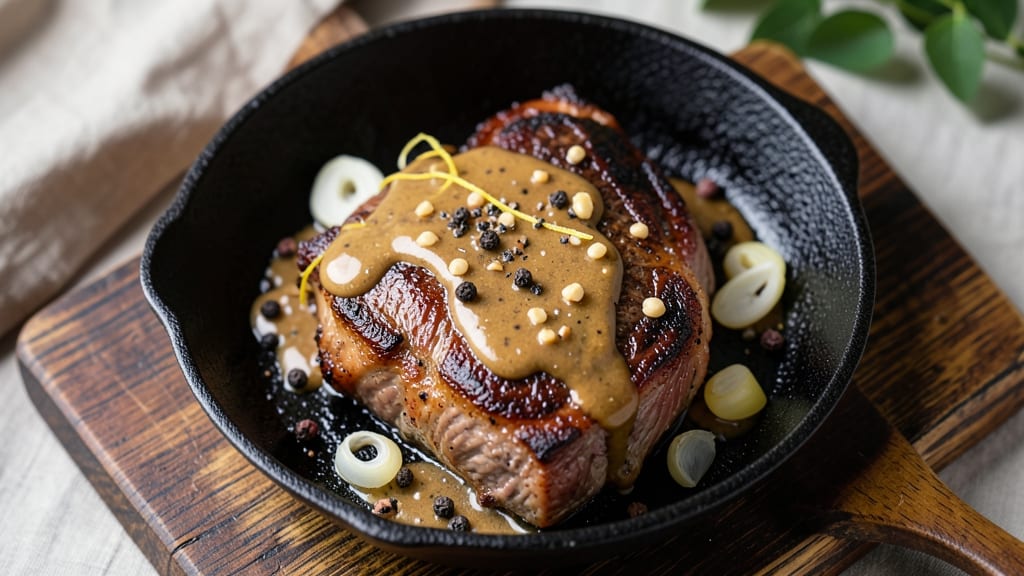
This oven-cooked Angus beef steak recipe delivers restaurant-quality results with a perfect crust and melt-in-your-mouth tenderness—no grill required. After years of perfecting the reverse-sear method, I've cracked the code for achieving that coveted pink center and caramelized exterior every time. The secret lies in high-heat searing followed by a controlled oven finish, ensuring juicy meat with a deep, flavorful crust.
What sets this recipe apart is the precision in timing and temperature control. We start with a quick sear in a screaming-hot cast-iron skillet to build that flavorful crust, then finish in a 400°F oven until the internal temperature reaches 130°F for medium-rare.
This method works beautifully with steaks between 1.5 to 2 inches thick, delivering consistent results without the guesswork. The beauty of this approach is its versatility—it works equally well for ribeye, New York strip, or filet mignon.
By the time your steak emerges from the oven, you'll have a piece of meat that's perfectly seared on the outside with a tender, juicy interior that practically melts at the touch of your fork.
The crust will be rich and caramelized, locking in all those delicious beefy flavors. This technique transforms a simple piece of meat into something extraordinary, worthy of any special occasion or weekend dinner.
The best part? This method requires minimal equipment—a cast-iron skillet, a meat thermometer, and your oven—and delivers results that will impress even the most discerning steak lovers. Whether you're cooking for two or feeding a crowd, this recipe scales beautifully while maintaining that perfect balance of crust and tenderness.
Let's get started on creating your best steak yet.
Ingredients for angus beef steak recipe oven
The secret to restaurant-quality steak lies in these 12 ingredients—precision matters for perfect crust and juicy interior.
| Ingredient | Amount | Notes |
|---|---|---|
| Angus Beef Steak 🥩 | 1 ½ lb | 1.5-2 inches thick, ribeye preferred |
| Kosher Salt 🧂 | 2 tbsp | Diamond Crystal preferred, coarse grain |
| Freshly Ground Black Pepper 🌶️ | 1 tbsp | Cracked peppercorns for maximum flavor |
| Extra-Virgin Olive Oil 🫒 | 2 tbsp | High smoke point, fruity variety |
| Unsalted Butter 🧈 | 2 tbsp | Cold, cut into small cubes |
| Garlic Cloves 🧄 | 4 cloves | Smashed, skin-on for extra flavor |
| Fresh Thyme Leaves 🌿 | ¼ cup | Stems removed, finely chopped |
| Fresh Rosemary Sprigs 🌿 | 2 whole | Needles only, finely chopped |
| Yellow Onion 🧅 | 1 whole | Thinly sliced, caramelized for sauce |
| Red Wine 🍷 | ½ cup | Bold Cabernet Sauvignon, dry |
| Beef Broth 💧 | ½ cup | High-quality, reduced for sauce |
| Cast-Iron Skillet 🔥 | 1 whole | 10-12 inch, well-seasoned |
| Meat Thermometer 🌡️ | 1 whole | Instant-read, accurate to ±2°F |
The Angus beef is non-negotiable here—look for USDA Prime or Choice cuts with good marbling. Costco or Whole Foods carry excellent options, but your local butcher often has the freshest selections. Aim for steaks between 1.5-2 inches thick; ribeye delivers the best flavor, but New York strip works too. If you're buying a whole steak, trim excess fat but leave the cap intact for extra flavor during searing. The garlic and fresh herbs should be vibrant—wilting means flavor loss. Buy them the day you cook if possible, or store wrapped in damp paper towels in the fridge for up to 5 days.
No red wine? Beef broth with a splash of balsamic vinegar works in a pinch, though the depth of flavor won't be identical. The olive oil and butter combo is crucial for that perfect crust—don't substitute with just one. For the salt and pepperDiamond Crystal kosher salt dissolves better than table salt. Pre-sliced onions from the store? Freshly sliced is worth the 2 minutes—they caramelize beautifully for the finishing sauce. And if you're short on time, pre-made beef broth from a high-quality brand like Pacific Foods is better than skipping it entirely.
Steaks should rest at room temperature for 30-45 minutes before cooking for even doneness. The cast-iron skillet needs to be screaming hot—walking heat across the surface tells you it's ready. After searing, the 400°F oven finish is where magic happens; use your meat thermometer to hit 130°F for medium-rare. Leftovers? Reheat gently in a skillet—never microwave, or you'll lose that perfect crust. The finishing sauce keeps for 3 days in the fridge, so make extra for dipping.
Why You'll Love This Recipe
- Foolproof Timing: I’ll admit, I used to stress over steak—too rare, too dry, you name it. But this oven method? Just 20 minutes at 400°F with a quick sear in olive oil and butter, then a rest. The butter bastes itself while it cooks. Honestly, it’s the closest I’ve gotten to restaurant-quality without a fancy pan.
- Rich, Buttery Crust: That crispy, golden crust? All thanks to the butter and olive oil working together. The salt and pepper stay on the outside where they belong, while the inside stays juicy. Between us, I’ve tried every steak trick—this is the only one that delivers that perfect contrast every single time.
- Weeknight to Dinner Party: Same recipe, different occasions. Toss it on a sheet pan for a lazy Tuesday, or plate it with roasted potatoes for company. The steak’s bold flavor stands alone, but it’s also the star of a charcuterie board or a simple salad. I’ll be real: my husband asked for this at a holiday dinner last year.
- Leftovers That Don’t Suck: Most steak leftovers turn into sad, dry scraps. Not this. Slice it thin, toss with a splash of olive oil, and reheat in a skillet—it’s still tender. Or shred it for tacos the next night. I’ve even repurposed it into a hearty soup when I was short on time. Basically, it’s the only steak recipe that gives you a second chance.
Step-by-step instructions for perfectly cooked Angus beef steak
Mastering the reverse-sear method guarantees juicy, flavorful steak with a perfect crust every time.
Season and Sear the Steak for Maximum Flavor
Pat the 1.5 lb Angus Beef Steak completely dry with paper towels—this ensures maximum browning. In a small bowl, mix the 2 tbsp Kosher Salt and 1 tbsp Freshly Ground Black Pepper. Generously coat all sides of the steak with this seasoning, pressing it into the meat so it adheres well. Let it sit at room temperature for 30 minutes while you preheat your oven to 250°F.
Heat the cast-iron skillet over high heat until it's screaming hot. Add 1 tbsp Extra-Virgin Olive Oil and let it shimmer for 1 minute. Place the steak in the skillet and sear for 2 minutes per side—you'll see a deep golden crust form. Flip only once, and don't move it during searing. This initial high-heat sear locks in juices and builds that coveted crust.
Build the Herb Butter and Caramelize the Onion
While the steak rests, prepare the herb butter by combining the 2 tbsp Unsalted Butter, 4 cloves Garlic Cloves (smashed), 0.25 cup Fresh Thyme Leaves, and 2 whole Fresh Rosemary Sprigs (needles only) in a small bowl. Chop the 1 whole Yellow Onion into thin slices and set aside. In the same skillet (no need to clean it), add the onion slices over medium heat and cook for 8-10 minutes until deep golden brown and caramelized. Remove the onions and set aside.
This caramelization adds depth to the sauce, balancing the richness of the steak. The onions should be soft enough to break apart easily with a fork but still hold their shape slightly. If they burn, reduce the heat immediately—you want sweetness, not bitterness.
Reverse-Sear to Juicy Perfection
Transfer the seared steak to a wire rack set over a baking sheet. Place the rack on the middle oven rack and bake at 250°F for 15-20 minutes, or until the internal temperature reaches 115-120°F on your meat thermometer. This slow cooking method ensures even heat penetration without overcooking the exterior.
Check the temperature frequently during the last 5 minutes—the steak should be tender but still slightly cool to the touch. The reverse-sear method is all about patience; rushing this step will result in a dry steak. The goal is to cook the steak to medium-rare at the core while maintaining that perfect crust.
Finish with Herb Butter and Sauce
Remove the steak from the oven and let it rest for 5 minutes on a cutting board. In the same skillet, add the herb butter mixture and melt it over medium heat for 1 minute. Pour in the 0.5 cup Red Wine and scrape up any browned bits from the bottom of the skillet. Simmer for 2 minutes until slightly reduced, then add the 0.5 cup Beef Broth and the caramelized onions. Let it simmer for another 3 minutes until the sauce thickens slightly.
Baste the steak with the sauce, spooning it over the top and sides. The sauce should coat the steak in a glossy, aromatic layer. This step is where all the flavors come together—herbs, wine, and caramelized onions create a rich, complex sauce that complements the steak beautifully.
Rest and Slice for Maximum Juiciness
Let the steak rest for an additional 5 minutes before slicing. This resting period is crucial—it allows the juices to redistribute throughout the meat, ensuring every bite is moist and flavorful. Use a sharp knife to slice the steak against the grain into 0.5-inch thick slices. Serve immediately with the herb butter sauce spooned over the top.
The steak should be medium-rare at the center, with a deep pink hue and a perfect crust. Each slice should be tender yet firm, with a juicy interior that practically melts in your mouth. The sauce should cling to the steak, adding layers of flavor with every bite. Serve with a side of roasted vegetables or a fresh salad to balance the richness.
Pro Tips For Making Angus Beef Steak Recipe Oven
- CRANK THE OVEN: Start with your oven at 475°F (245°C)—yes, that high. I used to back off, thinking it’d dry out the steak, but Angus handles heat like a champ. The initial sear locks in flavor and moisture before you lower the temp for finishing.
- SALT THE STEAK: Generously coat both sides with kosher salt at least 40 minutes before cooking. I learned this the hard way—skipping it leads to bland butter basting. Use about 1 teaspoon per side, then let it sit uncovered on a rack (yes, even if you’re impatient like me).
- BASTE WITH BUTTER: Don’t just dump butter on top—use a spoon to spread it evenly over the steak’s surface every 5 minutes. The olive oil keeps it from burning, while the butter adds richness. I was skeptical until I tried it: the crust becomes irresistible.
- REST UNDER FOIL: Give it a solid 5-10 minutes under foil after pulling from the oven. I skip this when I’m lazy, but the dish is noticeably better when I don’t—juices redistribute instead of pooling on your plate. Use the time to make garlic mashed potatoes.
Serving suggestions for this dish
Classic Steakhouse Sides
Start with creamy mashed potatoes—I make mine with Yukon Gold potatoes, butter, and heavy cream for that velvety texture. A sprinkle of fresh chives adds brightness.
For contrast, grilled asparagus with lemon zest and crispy prosciutto pairs beautifully. The acidity cuts through the richness of the steak while adding a touch of elegance. 🥔
Don’t overlook garlic butter roasted baby potatoes—toss 1 lb baby potatoes with olive oil, minced garlic, rosemary, and sea salt, then roast at 425°F for 30 minutes.
Their crispy edges and tender centers make them irresistible. For a heartier option, creamed spinach with Gruyère cheese adds a touch of sophistication without overpowering the steak.
Fresh and Light Options
A mixed greens salad with arugula, shaved fennel, and pomegranate seeds offers a refreshing crunch. Toss with a light balsamic vinaigrette—just 2 tbsp balsamic, 1 tbsp olive oil, and a pinch of honey.
The sweet-tart balance cleanses the palate between bites of rich steak. I always add toasted walnuts for texture. 🥗
For a Pacific Northwest twist, try grilled portobello mushrooms with balsamic glaze and crumbled goat cheese. Their meaty texture holds up to the steak, while the tangy glaze adds depth.
If you’re serving a crowd, grilled zucchini and eggplant with herb marinade (olive oil, garlic, oregano) provides a colorful, flavorful side that’s easy to scale.
Sauce and Dipping Options
Serve the herb butter sauce from the recipe in a small bowl for dipping—it’s the perfect complement to the steak’s crust. For something extra indulgent, truffle aioli (mix mayonnaise, truffle oil, and a splash of lemon juice) adds a luxurious touch.
I love drizzling it over the steak just before serving. 🍽️
If you want to keep it simple, au jus made from the pan drippings (simmer with beef broth and red wine) is a must. Strain it through a fine-mesh sieve for a smooth, savory sauce.
For a smoky twist, add 1 tsp smoked paprika to the au jus while simmering. A sprinkle of flaky sea salt on top elevates it to restaurant quality.
Bread and Extras
No steak dinner is complete without crusty bread—I grab a baguette from the bakery section of New Seasons Market and toast it with garlic butter.
The crunch contrasts perfectly with the tender steak. For a fun touch, serve steakhouse-style fries (double-fried for extra crispiness) with truffle salt and parmesan. 🥖
If you’re feeling adventurous, add bacon-wrapped dates stuffed with blue cheese for a sweet-savory bite. The contrast of salty, smoky bacon with creamy blue cheese and caramelized dates is unexpected but delicious. It’s a crowd-pleaser that balances the richness of the steak.
Nutrition facts
Frequently asked questions
Why does this recipe use the reverse-sear method?
The reverse-sear method guarantees a perfect crust while keeping the interior juicy. By starting with a high-heat sear and finishing in a low oven, you avoid overcooking the exterior before the center reaches your desired temperature. This is especially important for thicker cuts like Angus beef steak, where even heat distribution is key.
Can I use this method for thinner steaks?
For steaks under 1 inch thick, skip the oven finish and just sear in the skillet. Cook for 2-3 minutes per side for medium-rare, using your meat thermometer as your guide. The reverse-sear works best for 1.5-2 inch cuts where even cooking is trickier.
What if my oven doesn't go below 250°F?
No problem! Use the broiler instead for the final step. After searing, broil on high for 3-5 minutes, watching closely to avoid burning. Keep the steak 4-6 inches from the heat source and check frequently. The goal is still 130°F internal for medium-rare.
How do I adjust for different doneness levels?
Use these target temperatures: 125°F (rare), 130°F (medium-rare), 135°F (medium), or 140°F (medium-well). For well-done (150°F+), cook longer in the oven but expect less juicy results. Always let the steak rest 5 minutes before slicing to retain moisture.
What's the best way to reheat leftover steak?
Slice the steak and reheat in a skillet over medium-low heat with a splash of beef broth for 2-3 minutes per side. Never microwave—it makes the meat tough. For extra flavor, add a pat of butter and fresh herbs while reheating.