
Main Courses
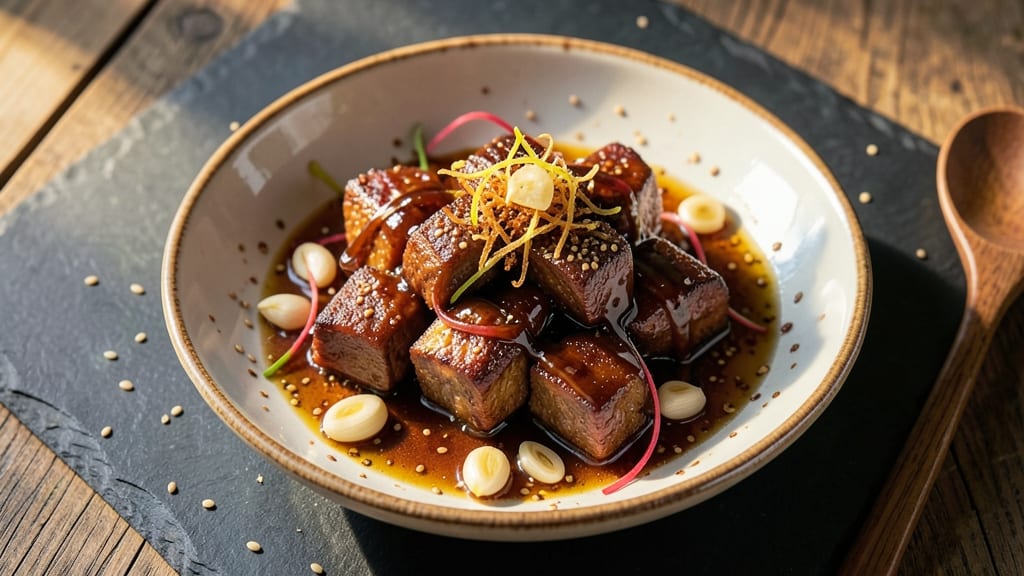
This Asian beef cheek recipe transforms tough, flavorful cuts into melt-in-your-mouth perfection through slow braising. The secret lies in marinating the beef cheek overnight, allowing the spices and aromatics to deeply penetrate the meat while tenderizing it.
This method delivers restaurant-quality results with a silky texture that falls apart effortlessly, making it ideal for special occasions or when you want to impress.
The beauty of this recipe is its versatility—whether you follow a traditional Korean galbi-jjim approach or a fusion-inspired twist, the slow-cooking process ensures rich, caramelized flavors. The beef cheek absorbs the marinade and braising liquid, creating a dish that’s deeply savory, slightly sweet, and perfectly balanced.
It pairs beautifully with steamed rice, pickled vegetables, or a simple dipping sauce to elevate any meal.
What sets this dish apart is the transformation of what might seem like a challenging cut into something luxurious and tender. The key is patience—allowing the beef to braise for hours until it reaches that ideal texture.
The result is a dish that’s as satisfying to make as it is to eat, with layers of flavor that linger long after the last bite.
Once mastered, this recipe becomes a go-to for hearty, comforting meals that feel special without requiring hours of active cooking. The slow-braised method ensures the beef cheek is fork-tender, while the aromatic marinade adds depth that turns a simple dinner into an unforgettable experience.
Ready to create a dish that’s both impressive and deeply satisfying?
Ingredients for asian beef cheek
Sixteen ingredients transform tough beef cheek into luxurious, melt-in-your-mouth perfection through slow braising and aromatic marinades.
| Ingredient | Amount | Notes |
|---|---|---|
| Beef Cheek 🥩 | 3 lb | Trimmed of excess fat, cut into 1-inch pieces |
| Soy Sauce 🥢 | ½ cup | High-quality, reduced by half first |
| Brown Sugar 🍯 | ½ cup | Light or dark, packed tightly |
| Sesame Oil 🫒 | 1 tbsp | Toasted, for aroma |
| Garlic Cloves 🧄 | 8 cloves | Minced finely, aromatic base |
| Fresh Ginger 🌿 | ½ cup | Grated, for zesty depth |
| Green Onions 🧅 | ½ cup | White and green parts, sliced |
| Asian Pearl Onions 🧅 | 4 whole | Quartered, for sweet crunch |
| Red Bell Pepper 🌶️ | 1 whole | Sliced into strips, vibrant color |
| Dried Shiitake Mushrooms 🍄 | ¼ cup | Rehydrated, earthy umami |
| Sesame Seeds 🥜 | 1 tbsp | Toasted, for garnish |
| Rice Vinegar 🍶 | ¼ cup | For brightness, not cooking |
| Diamond Crystal Kosher Salt 🧂 | 1 ½ tsp | For seasoning, adjust to taste |
| Ground Black Pepper 🌶️ | ½ tsp | Freshly cracked, subtle heat |
| Water 💧 | 2 cups | For braising liquid |
The beef cheek is the star—look for well-marbled cuts at specialty butchers or Asian markets, where they often carry it pre-cut. Costco or Whole Foods typically stock it in the meat department, but if unavailable, substitute beef chuck roast (though texture won’t be identical). Trim excess fat to avoid greasiness, but leave some for flavor. For the soy sauce, Kikkoman or Pearl River Bridge brands deliver consistent quality, while brown sugar should be packed tightly—light brown for subtle sweetness, dark for deeper caramel notes. The shiitake mushrooms are non-negotiable; dried versions rehydrate beautifully and add unmatched umami depth.
No sesame oil? Toasted peanut oil at half the amount mimics the nutty aroma, though texture differs slightly. Fresh ginger or galangal can be swapped, but the latter adds a citrusy kick. For the onions, substitute regular yellow onions if pearl onions are unavailable, but slice them thinner to compensate. The rice vinegar isn’t for cooking—it’s a finishing touch to cut richness, so apple cider vinegar works in a pinch. Prefer less sugar? Reduce brown sugar to 0.375 cups and add 0.125 cups honey (ensure vegan if needed). The garlic and ginger should be minced finely—a food processor works, but a sharp knife ensures even texture. For the mushrooms, soak dried shiitake in hot water for 20 minutes before slicing.
Beef cheek keeps 3-4 days in the fridge post-braising, though flavor intensifies overnight. Portion into airtight containers with reserved braising liquid for easy reheating—simmer on low for 10-15 minutes until heated through. Freeze for up to 3 months by storing in a single layer before transferring to a bag. The marinade components (soy sauce, sugar, garlic, ginger) can be prepped 2 days ahead and stored in the fridge. For serving, garnish with toasted sesame seeds and green onions—add these fresh after reheating to preserve color and texture. Leftovers reheat beautifully, with the beef becoming even more tender as it absorbs additional liquid.
Why You'll Love This Recipe
- One-Pot Magic: I swear by this recipe when I’m too tired to pull out three pans. Brown the beef cheek, toss in garlic and soy, and let the sugar caramelize—no flipping, no fuss. The sauce thickens right in the pot, so cleanup is just a wipe-down.
- Umami Bomb: That beef cheek? It melts into pure, rich satisfaction, while the soy and brown sugar create this perfect balance of salty-sweet. Add a splash of sesame oil at the end, and suddenly, you’ve got restaurant-quality depth without the pretension.
- Leftover Luxury: Between us, this dish tastes better the next day. The flavors meld, the beef gets even more tender, and I’ve reheated portions straight from the fridge for lunch—no one ever guessed it wasn’t fresh. (Yes, even on a Tuesday night.)
- Budget Stretch: A pound of beef cheek feeds four easily, and the ingredients? Affordable without being boring. I’ve made this for date nights, potlucks, and lazy Sundays—every time, it’s the dish that gets raved about, not the one that breaks the bank.
Step-by-step instructions for slow-braised Asian beef cheek
Transform tough beef cheek into melt-in-your-mouth perfection through precise braising technique.
Prepare the Beef Cheek and Aromatics
Trim any remaining fat from the 3 lb beef cheek, leaving a thin layer for flavor. Cut into 1-inch pieces and pat completely dry with paper towels - this ensures maximum browning. In a small bowl, combine the 0.5 cup soy sauce and 0.5 cup brown sugar, mixing until the sugar fully dissolves. This creates your braising liquid base.
Finely mince the 8 cloves garlic and grate the 0.5 cup fresh ginger. Quarter the 4 whole Asian pearl onions and slice the 1 whole red bell pepper into ½-inch strips. For the dried shiitake mushrooms, cover with hot water for 20 minutes to rehydrate, then drain and slice. These aromatics will form the flavor foundation of your dish.
Sear the Beef Cheek for Deep Flavor
Heat a Dutch oven over medium-high heat until very hot. Working in batches, sear the beef cheek pieces until deeply browned on all sides, about 3-4 minutes per side. This browning develops the Maillard reaction, creating complex flavors that will carry through the braising process. Transfer the browned beef to a plate as you work.
Once all pieces are browned, reduce heat to medium and add 1 tablespoon sesame oil to the pot. Sauté the garlic and ginger for 30 seconds until fragrant, then add the pearl onions, bell pepper, and rehydrated mushrooms. Cook for 2 minutes until the vegetables begin to soften. This quick sauté prevents the vegetables from becoming mushy during the long braise.
Combine and Braise Low and Slow
Return the beef to the Dutch oven and pour in the 2 cups water. Add the soy sauce-brown sugar mixture, 1.5 teaspoons Diamond Crystal kosher salt, and 0.5 teaspoon ground black pepper. Stir gently to combine, then bring to a simmer over medium heat. Once simmering, reduce heat to maintain a gentle bubble at the edges.
Cover tightly with a lid and transfer to a preheated 300°F oven. Braise for 3 hours, then carefully remove the lid and skim off any surface fat that has risen. Return to the oven and continue braising for an additional 2-3 hours until the beef is fork-tender and easily pulls apart. The total cooking time should be 5-6 hours, with the meat reaching an internal temperature of 195-200°F.
Finish with Brightness and Garnish
Once the beef is tender, remove it from the braising liquid and transfer to a serving platter. Strain the cooking liquid through a fine-mesh sieve to remove any solids, then return the liquid to the pot. Add 0.25 cup rice vinegar and simmer for 5 minutes to brighten the flavors. Taste and adjust seasoning if needed.
To serve, spoon the braising sauce over the beef cheek. Garnish with sliced green onions and toasted sesame seeds. The beef should be silky and rich, with a beautiful mahogany color. Each bite should offer perfect balance between the tender beef, sweet-savory sauce, and fresh garnishes.
Pro Tips For Making Asian Beef Cheek
- SEAR THE CHEEK FIRST: Don’t skip browning that beef cheek—high heat for 3-4 minutes per side until it’s deep mahogany. I learned this the hard way when I rushed it, and the final dish tasted flat. The crust locks in flavor and makes all the difference when it braises later.
- SIMMER LOW AND SLOW: After the initial sear, drop the heat to a bare simmer—just enough to keep bubbles gentle, not rolling. I used to crank it up, and the cheeks turned rubbery. Patience here means fork-tender perfection by the end.
- SALT THE CHEEK IN ADVANCE: Generously salt the beef cheek 24 hours before cooking, then refrigerate uncovered. This breaks down the collagen way better than last-minute seasoning. (Yes, it looks weird, but trust the process.)
- GARLIC: MINCE, DON’T CHOP: For maximum flavor, mince those garlic cloves into a paste before frying them in sesame oil. Whole cloves burn easily, and chopped ones don’t infuse as well. A quick pulse in a food processor saves time and elevates the dish.
Make-ahead tips for this dish
Marinade Prep Ahead
Prepare your marinade 2 days ahead by mixing the 0.5 cup soy sauce, 0.5 cup brown sugar, 8 minced garlic cloves, and 0.5 cup grated ginger in an airtight container.
Store in the fridge until ready to use—this jumpstarts flavor infusion. I like to add a splash of 1 tbsp sesame oil to the marinade for extra aroma. 🌿
Beef Prep Timeline
Trim and cut the 3 lb beef cheek into 1-inch pieces and pat dry immediately. Store in a resealable bag with the marinade for up to 24 hours in the fridge.
This overnight marinade transforms tough fibers into tender bites. For best results, marinate no longer than 1 day to prevent over-softening. 🥩
Braising Liquid Prep
Combine 2 cups water, 1.5 tsp Diamond Crystal kosher salt, and 0.5 tsp black pepper in a separate container. Keep this mixture refrigerated until ready to use—it's the foundation for your rich braising sauce. The salt and pepper balance the sweet-savory marinade perfectly. ✨
Vegetable Prep Shortcut
Slice all vegetables 1 day ahead and store in separate airtight containers. Keep the dried shiitake mushrooms in their soaking water until ready to use. This saves 15 minutes of prep time on cooking day. I recommend using quart-sized containers for easy stacking in the fridge. 🧅
Oven Prep for Braising
Preheat your oven to 300°F at least 30 minutes before braising. This ensures consistent temperature control during the 5-6 hour cook time. I like to use a Dutch oven because it distributes heat evenly and locks in moisture. 🌡️
Reheating Leftovers
Reheat braised beef cheek in a skillet with 2 tbsp reserved braising liquid over medium-low heat for 10-15 minutes. The liquid helps maintain moisture and prevents drying. Alternatively, reheat in the oven at 325°F for 20 minutes for even cooking. The beef becomes even more tender with reheating! 🔥
Nutrition facts
Frequently asked questions
Can I substitute beef cheek with another cut?
The best substitutes are beef chuck roast or brisket, as they have similar connective tissue that breaks down during braising. For closest texture, use a 3 lb chuck roast cut into 1-inch cubes. Lamb shoulder works too but has a stronger flavor. Avoid lean cuts like sirloin—they won't become tender.
How do I know when the beef is fully tender?
The beef is ready when it reaches 195-200°F internally and falls apart easily with a fork. Test by piercing the largest piece—juices should run clear, not pink. If it's still tough after 6 hours, add ½ cup water, cover, and cook 1 more hour. Patience is key!
Can I make this in a slow cooker instead?
Brown the beef first, then transfer everything to a 6-quart slow cooker on LOW for 8-10 hours. Add ½ cup water if needed to prevent drying. The texture will be slightly different but still delicious. For faster results, use HIGH for 5-6 hours.
What's the best way to serve this dish?
Pair with steamed jasmine rice and quick-pickled vegetables (like cucumbers or radishes) to balance the richness. For extra flair, serve with toasted sesame noodles or a side of kimchi. Garnish with fresh cilantro and extra sesame seeds. The sauce also makes a great dipping sauce for dumplings!
Why did my beef turn out dry?
Overcooking or insufficient braising liquid are the most common causes. Always use 2 cups liquid and skim excess fat during cooking. If the beef looks dry, add ½ cup water and cook 30 more minutes covered. For future attempts, reduce oven temp to 275°F and add 1 extra hour of cooking time.