
Sauces & Condiments
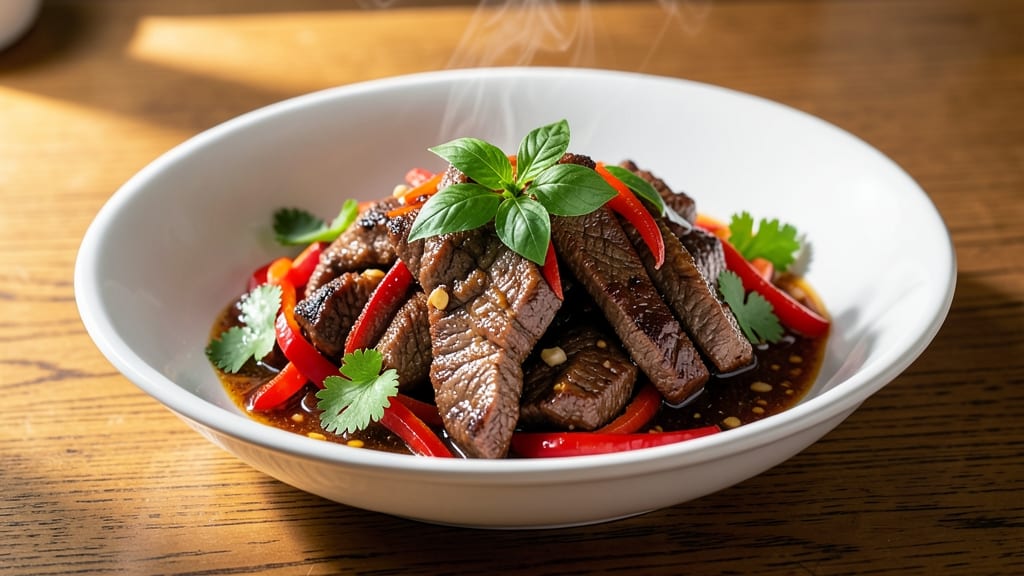
This Asian beef stir-fry sauce recipe transforms any stir-fry into a restaurant-quality masterpiece with just five simple ingredients. The perfect balance of umami, sweetness, and acidity comes from a carefully crafted blend that elevates beef, vegetables, and noodles alike.
I developed this sauce to cut through the richness of stir-fried beef while adding layers of depth that jarred sauces simply can't match.
What sets this sauce apart is its versatility—use it as a glaze for beef before stir-frying, a marinade for tenderizing, or a finishing sauce to drizzle over your final dish.
The combination of soy sauce, oyster sauce, and a touch of sweetness creates that signature Asian restaurant flavor without requiring hard-to-find ingredients. The ginger and garlic add aromatic warmth that lingers with every bite.
Once you taste this sauce, you'll never go back to store-bought versions. It's rich enough to stand alone but balanced enough to complement any stir-fry combination. The best part?
It keeps well in the refrigerator for up to two weeks, so you can make a big batch and have it ready whenever cravings strike.
Whether you're cooking for a weeknight dinner or prepping for meal prep, this sauce delivers professional-quality results with minimal effort. The ingredients are simple, the technique is straightforward, and the flavor is undeniably satisfying. Let's get started on this flavor-packed foundation for your next stir-fry.
Ingredients for asian beef stir fry sauce
Five ingredients, endless flavor—this sauce turns simple stir-fries into restaurant-worthy meals.
| Ingredient | Amount | Notes |
|---|---|---|
| Soy Sauce 🍶 | ½ cup | High-quality, light or dark |
| Oyster Sauce 🦪 | ¼ cup | Thick, premium brand preferred |
| Honey 🍯 | ¼ cup | Pure, smooth variety |
| Fresh Ginger 🧇 | 2 tbsp | Finely grated, aromatic |
| Garlic Cloves 🧄 | 4 cloves | Minced, fresh preferred |
The soy sauce sets the umami foundation—Kikkoman or Lee Kum Kee are my go-tos, but any quality brand works. For oyster sauce, don’t skimp: Lee Kum Kee or Homemade Oyster Sauce from Asian markets deliver that rich, briny depth. The honey should be pure and smooth (none of that corn syrup nonsense)—Madhava or local raw honey works perfectly. Fresh ginger and garlic are non-negotiable here; frozen won’t cut it (trust me, you’ll taste the difference). If you’ve got a microplane, use it—it makes grating ginger a breeze.
No oyster sauce? Hoisin sauce at half the amount gets you close, though it’ll be sweeter. Short on honey? Maple syrup works in a pinch (same quantity). The garlic can be pre-minced from a jar if you’re in a hurry, but fresh is always better. For extra depth, add 1 tsp fish sauce (if you’re not avoiding it)—it’s optional but adds another umami layer. If you’re making a big batch, double the ingredients and store in a glass jar (plastic absorbs odors). This sauce is so versatile you’ll want it on hand for everything from marinades to dipping sauces.
This sauce keeps beautifully—up to 2 weeks in the fridge, sealed tightly. The flavors actually deepen over time, so it’s perfect for meal prep. For longer storage, freeze in ice cube trays and pop out what you need. A little goes a long way: start with 1 tbsp per serving and adjust to taste. If it thickens too much, just stir in a splash of water or rice vinegar to loosen it up. Pro tip: save a little of the leftover sauce in the jar to use as a base for future batches—it’ll keep indefinitely.
Why You'll Love This Recipe
- Five-Ingredient Magic: I swear by this combo—soy, oyster, honey, ginger, and garlic—because it’s the only sauce I need for stir-fries. No fancy blends, no guessing. Just crack open the pantry, measure, and stir.
- Sweet-Savory Balance: That honey cutting through the umami of oyster sauce? Chef’s kiss. The ginger adds a zing that makes every bite feel like a little flavor explosion—no bitterness, just pure satisfaction.
- Meal Prep MVP: Make a double batch and store it in the fridge. Drizzle it on takeout noodles, toss it with prepped veggies, or freeze half for lazy nights. It’s my secret for turning 10 minutes of chopping into a week’s worth of flavor.
- Budget Booster: Oyster sauce and soy sauce stretch like crazy, and a little honey goes a long way. I’ve fed four people for under $5 with this—plus, the leftovers taste just as good reheated as they do fresh. Smart, simple, and satisfying.
Step-by-step instructions for Asian beef stir fry sauce
This sauce delivers deep umami flavor and perfect balance—just five ingredients, minimal effort.
Grate and Mince the Aromatics
Start by finely grating the 2 tablespoons of fresh ginger using a microplane or the smallest holes on a box grater. The goal is to create a paste-like texture that will infuse the sauce with its signature warmth and zing. I like to press the grated ginger through a fine-mesh strainer to remove any fibrous bits—this ensures a silky sauce without texture surprises.
Next, mince the 4 cloves of garlic as finely as possible. For the best results, use a sharp chef's knife and rock the blade back and forth over the cloves while keeping them stationary on the cutting board. This technique gives you the smallest possible pieces, which will dissolve completely into the sauce rather than create visible flecks. The garlic should resemble a fine sand when you're done—this guarantees even distribution of that pungent, sweet flavor throughout every bite.
Combine Wet Ingredients
In a medium saucepan, pour in the 0.5 cup of soy sauce and 0.25 cup of oyster sauce. I always use a high-quality light soy sauce for its clean, salty foundation and a premium oyster sauce for its rich, caramelized depth. Give these a quick stir to integrate any separated oils that might have formed during storage.
Add the finely minced garlic and grated ginger to the saucepan. Bring the mixture to a gentle simmer over medium heat, stirring occasionally to prevent sticking. You'll notice the aromatics begin to dissolve almost immediately, releasing their essential oils into the sauce. Let this simmer for 3-4 minutes—just until the garlic becomes fragrant but hasn't had time to brown or burn. The key here is to infuse the flavors without developing any bitterness.
Sweeten and Thicken the Sauce
Reduce the heat to low and carefully pour in the 0.25 cup of honey. Stir continuously for 1-2 minutes until the honey is completely incorporated. You'll see the sauce begin to thicken slightly as the heat causes the honey's natural sugars to interact with the soy and oyster sauces. This is where the magic happens—the honey not only sweetens but also helps create that signature glossy sheen and sticky texture that makes stir fry sauce so addictive.
Continue simmering for another 5-6 minutes, stirring occasionally. The sauce should reduce by about 20%—it will go from a loose liquid to a thicker, syrupy consistency that coats the back of a spoon. Taste as you go: you're aiming for a perfect balance of salty, sweet, and umami. If it needs more depth, add a splash more oyster sauce. If it's too thick, thin with 1 tablespoon of water at a time until you reach that ideal glaze-like texture.
Test and Adjust for Perfection
Remove the sauce from heat and let it cool slightly for 5 minutes. This resting period allows the flavors to meld completely. Taste again—this time with a fresh perspective. The sauce should be rich, slightly sticky, and perfectly balanced between the salty-savory soy, the briny depth of oyster sauce, the floral sweetness of honey, and the bright punch of ginger and garlic.
Here's where you make the final adjustments: if it needs more saltiness, add a pinch more soy sauce; if it's too sharp, a tiny bit more honey will mellow the acidity; if the ginger's too aggressive, a splash of water will dilute its intensity. I've found that most home cooks err on the side of too much ginger—don't be afraid to use less next time if you prefer a more subtle flavor. The beauty of this sauce is its flexibility—once you understand the base ratios, you can tweak to your exact taste preferences.
Store and Use for Maximum Freshness
Transfer the finished sauce to a clean glass jar or airtight container. Let it cool completely before sealing—this prevents condensation from forming inside the container. The sauce will keep in the refrigerator for up to 2 weeks, though I find it's at its absolute best within the first 5-7 days when the flavors are most vibrant.
When ready to use, simply reheat the sauce in a small saucepan over low heat until warmed through—2-3 minutes should do it. You can use this sauce immediately on your stir fry, or store it in an ice cube tray for portion control. Each cube makes a perfect single serving, and they freeze beautifully for up to 3 months. The sauce will maintain its rich flavor and glossy texture whether used fresh or thawed from frozen, making it an incredibly versatile pantry staple for quick weeknight meals.
Pro Tips For Making Asian Beef Stir Fry Sauce
- MINCE THAT GINGER: I learned this the hard way—slicing ginger into matchsticks and tossing it in whole just makes your sauce taste like a dull afterthought. Use a microplane or knife to grate it finely (think wet sand texture), then let it steep in the sauce for 10 minutes before heating. That’s when the real zing happens.
- LOW AND SLOW FOR GARLIC: Garlic burns faster than you’d think, and nothing kills a sauce’s depth like bitter, charred cloves. Sauté them in a dry pan for exactly 30 seconds at medium-low heat until golden—not brown—then immediately add the rest of your sauce. (Yes, even if you’re impatient like me.)
- BALANCE THE HONEY FIRST: Dumping honey straight into soy sauce? You’re asking for a cloyingly sweet disaster. Mix it with the oyster sauce first, then add the soy. This lets the honey integrate smoothly—no gloppy separation or overpowering stickiness. Taste as you go; you’re aiming for a 1:1:1 ratio of salty, sweet, and umami.
- SALT THE OYSTER SAUCE: Store-bought oyster sauce is already salty—often more than you’d guess. Taste it plain before adding to your mix, then adjust the soy sauce accordingly. I skip this step half the time, and the dish is noticeably flatter when I do. (Your future self will thank you.)
Flavor customization for this dish
Sweet vs. Savory Balance
Adjust the honey-to-soy ratio to suit your taste—start with the ¼ cup honey for a balanced glaze, but reduce to 2 tablespoons if you prefer less sweetness.
For extra depth, replace 1 tablespoon honey with 1 tablespoon brown sugar (it adds molasses notes) or 1 tablespoon maple syrup (for a caramelized richness). I often halve the honey when making a marinade to prevent overpowering the beef's natural flavor. 🍯
Spicy Kick Options
Add 1 teaspoon chili paste (like Maesri Sriracha) for heat, or ½ teaspoon red pepper flakes for a subtle burn. For smoky depth, stir in ½ teaspoon smoked paprika after simmering.
If you love Thai-inspired flavors, swap 1 tablespoon fish sauce for 1 teaspoon Thai fish sauce—it’s saltier and funkier. Always add spices at the end to preserve their brightness.
Umami Boosters
For extra umami, stir in 1 tablespoon hoisin sauce (it’s sweeter but adds complexity) or 1 teaspoon miso paste (dissolved in 1 tablespoon warm water). If you have dried shiitake mushrooms, soak 2 pieces in 2 tablespoons hot water, then whisk the liquid into the sauce.
This adds earthy depth without overpowering the ginger and garlic. 💫
Acidic Brightness
Balance richness with 1 teaspoon rice vinegar or 1 teaspoon lime juice—just enough to brighten the sauce. For a tangy twist, add ½ teaspoon sesame paste (toasted sesame seeds blended with oil) after cooling.
The acidity cuts through the fat in beef, making every bite more vibrant. Taste as you go—acid is easy to add but hard to remove!
Herbaceous Twists
Finish with 1 tablespoon chopped cilantro or 1 teaspoon fresh basil for freshness. For a more complex profile, add ½ teaspoon grated lime zest or 1 teaspoon toasted sesame oil (drizzled in at the end).
These herbs lift the sauce without altering its core flavor. I love adding cilantro to my beef stir-fries—it’s the perfect finishing touch. ✨
Nutrition facts
Frequently asked questions
Can I make this sauce without honey?
Swap the honey for 2 tablespoons maple syrup or 1 tablespoon brown sugar dissolved in 1 tablespoon warm water. For a more savory profile, reduce the honey to 1 tablespoon and add ½ teaspoon rice vinegar to balance the flavors. The sauce will still achieve that signature sticky texture, just with a slightly different sweetness profile.
How much sauce should I use for a typical beef stir-fry?
Start with 2-3 tablespoons of this sauce for a standard 1-pound beef stir-fry (like flank steak or sirloin). For extra richness, increase to 4 tablespoons—it's so flavorful that a little goes a long way. If using as a marinade, coat the beef with ¼ cup sauce and let it sit for 30-60 minutes before cooking. The sauce works equally well as a finishing drizzle.
Why does my sauce get too thick when simmering?
This happens when the sauce reduces too much—simmering longer than 5-6 minutes or using a small saucepan concentrates the ingredients. To fix it, stir in 1 tablespoon water or rice vinegar at a time until you reach a glossy, glaze-like consistency. For future batches, reduce the heat to low once simmering and keep a close eye on it. The ideal texture should coat the back of a spoon but still be pourable.
Can I use this sauce for other proteins besides beef?
Yes! This sauce works beautifully with chicken, tofu, shrimp, or pork. For chicken, reduce the sauce by 20% since it absorbs flavors differently. For seafood, add ½ teaspoon cornstarch mixed with 1 tablespoon water at the end to prevent thinning from the acidity. The ginger and garlic flavors complement all these proteins wonderfully, making it a versatile pantry staple.
What’s the best way to reheat this sauce?
Gently reheat in a small saucepan over low heat for 2-3 minutes, stirring constantly. Never microwave it directly—this can cause separation. If the sauce thickens too much, add 1 teaspoon water at a time. For frozen cubes, thaw in the fridge overnight and reheat as directed. The sauce maintains its rich flavor and glossy texture when reheated properly, making it perfect for quick weeknight meals.