
Main Courses
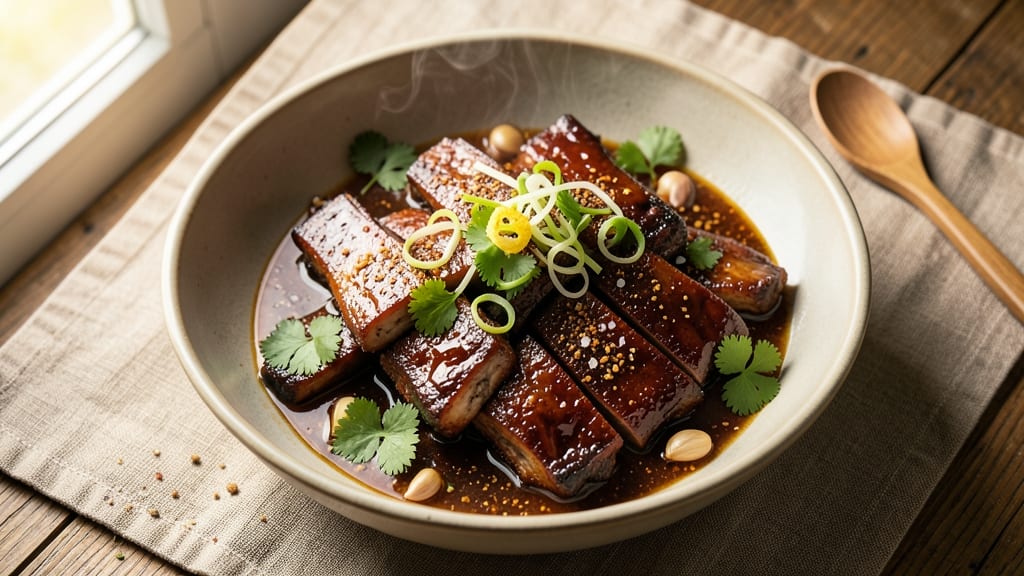
This Asian style beef ribs recipe delivers fall-off-the-bone tenderness with a wok-smoked spice rub that transforms tough cuts into melt-in-your-mouth perfection. The secret lies in a 3-day marinade blending soy, five-spice, and brown sugar, followed by a high-heat wok sear that locks in juices while building a caramelized crust.
I developed this method after years of experimenting with traditional Asian techniques and modern shortcuts—no more dry, chewy ribs here.
The process combines two powerful methods: an overnight marinade that tenderizes the meat, and a quick wok-smoke finish that infuses deep umami flavors. You'll start with a dry rub of toasted spices, then baste the ribs with a sticky glaze of hoisin and honey during the final minutes.
This approach ensures restaurant-quality results without requiring a smoker or specialized equipment—just your stovetop and oven.
What you end up with is ribs so tender they practically dissolve at the touch of a fork, coated in a glossy glaze that balances sweet, smoky, and savory notes.
The wok-smoke technique creates those coveted char lines while keeping the meat juicy inside. Serve with pickled vegetables and steamed jasmine rice for the full Asian dining experience.
This recipe works equally well for weeknight dinners or special occasions, scaling easily from family meals to crowd-pleasing gatherings. The marinade can be prepped ahead, and the cooking process takes just 3 hours—far less time than traditional smoking methods but with equally impressive results.
Let's get started on ribs that will have everyone asking for seconds.
Ingredients for asian style beef ribs
Four pounds of beef ribs plus a bold mix of Asian flavors transform into restaurant-quality ribs.
| Ingredient | Amount | Notes |
|---|---|---|
| Beef Ribs (Beef Back Ribs) 🥩 | 4 lb | Bone-in, meaty sections preferred |
| Soy Sauce 🍶 | ½ cup | High-quality, reduced if possible |
| Brown Sugar 🍯 | ½ cup | Light or dark, packed |
| Five-Spice Powder 🌶️ | 1 tbsp | Toasted for deeper flavor |
| Ground Ginger 🌿 | 1 tbsp | Freshly ground preferred |
| Garlic Cloves 🧄 | 6 cloves | Minced, fresh preferred |
| Sesame Oil 🫒 | 1 tbsp | Toasted sesame oil for aroma |
| Hoisin Sauce 🍶 | ¼ cup | High-quality, thick version |
| Honey 🍯 | 2 tbsp | Wildflower or clover |
| Rice Vinegar 🍶 | 1 tbsp | Seasoned preferred |
| Vegetable Oil 🫒 | 2 tbsp | High smoke point for searing |
| Fresh Ginger 🌿 | 2 tbsp | Grated, for marinade |
| Diamond Crystal Kosher Salt 🧂 | 1 tbsp | For seasoning and marinade |
| Black Peppercorns 🌶️ | ½ tbsp | Freshly cracked |
| Green Onions 🧅 | 4 whole | Sliced, for garnish |
The ribs are the star—look for beef back ribs with good meat-to-bone ratio. Costco or your local butcher usually carry the best cuts. If you're buying frozen, thaw overnight in the fridge. The five-spice powder is non-negotiable here—Penzeys or bulk bins at Asian markets have the best quality. Toast it in a dry pan for 30 seconds to wake up those flavors. Fresh ginger and garlic make all the difference, so don't skip them. The soy sauce should be reduced (simmer until syrupy) for maximum flavor impact.
No five-spice powder? Mix 1 tsp cinnamon, 1 tsp fennel seeds, 1 tsp cloves, 1 tsp star anise, and 1 tsp Sichuan peppercorns—toast and grind them together. Running short on time? Omit the 3-day marinade but increase soy sauce to 1 cup and marinate overnight. The hoisin sauce can be swapped for 1 tbsp soy sauce + 1 tbsp molasses in a pinch. For a sweeter glaze, boost honey to 3 tbsp. The sesame oil adds incredible aroma—use toasted if you've got it, but regular works fine. If your ribs are particularly fatty, pat them dry with paper towels before marinating.
Marinate ribs in a sealed bag in the fridge for 3 days—this is where the magic happens. The longer they marinate, the more tender they become. Store any leftover marinade in a jar for up to 1 week in the fridge. Cooked ribs reheat beautifully—wrap tightly in foil and bake at 300°F for 20 minutes. These ribs freeze exceptionally well—portion into individual servings before freezing for up to 3 months. The glaze can be prepped ahead and reheated gently before basting.
Why You'll Love This Recipe
- Fewer Messy Steps: I swear by this method—just slather the ribs with that sticky-sweet soy-brown sugar glaze, sprinkle the five-spice and ginger, then bake. No marinating overnight, no basting every five minutes. The ribs caramelize right on the tray, and honestly? That’s half the battle won.
- Sweet-Savory Magic: The brown sugar crisps into a glossy shell while the soy sauce keeps it deep and umami-rich, but here’s the kicker: that five-spice powder and ground ginger add warmth without overpowering. It’s the kind of flavor that makes you pause mid-bite—like a little Asian bistro secret in your own kitchen.
- Weeknight to Party Fix: Same recipe, totally different vibes. Toss these ribs on a sheet pan for a lazy Tuesday dinner, or serve them sliced over rice for a crowd at your friend’s game day. Between us, I’ve even used leftover ribs in fried rice the next day—no shame.
- Leftovers That Don’t Suck: Most rib recipes leave you with sad, dry scraps, but not these. The glaze clings so well that reheated slices taste just as good as the first bite. Plus, they’re cheap to make—big ribs stretch across three meals, and the spices cost pennies. My wallet thanks me every time.
Step-by-step instructions for Asian style beef ribs
Here's how to transform tough ribs into melt-in-your-mouth perfection using wok-smoked techniques.
Prepare the Wok-Smoked Spice Rub
In a small bowl, combine the 0.5 cup brown sugar, 1 tablespoon five-spice powder, 1 tablespoon ground ginger, 1 tablespoon Diamond Crystal kosher salt, and 0.5 tablespoon freshly cracked black peppercorns. Mix thoroughly until the sugar crystals dissolve and the spices create a fine, even coating. This aromatic blend is the secret weapon for tenderizing the beef.
In a separate small bowl, whisk together the 0.5 cup soy sauce, 2 tablespoons honey, 1 tablespoon rice vinegar, 0.25 cup hoisin sauce, and 1 tablespoon toasted sesame oil. The acidity from the vinegar and umami from the hoisin will penetrate the meat, while the honey adds a subtle sweetness that caramelizes beautifully during cooking.
Marinate and Prep the Ribs
Pat the 4 lb beef ribs completely dry with paper towels—this step is non-negotiable for crispy bark. In a large bowl, combine the spice rub and the wet marinade ingredients. Add the ribs and turn to coat evenly, pressing the rub into all the crevices and meaty sections. Cover and refrigerate for at least 4 hours, or overnight for maximum tenderness. I like to marinate overnight because the flavors meld more deeply and the meat becomes incredibly supple.
While the ribs marinate, prepare your wok or large skillet by heating 2 tablespoons vegetable oil over medium-high heat until shimmering. This will be used for the initial sear that locks in juices and develops that coveted bark. The ribs should come to room temperature before cooking, so take them out of the fridge 30 minutes before you plan to cook them.
Wok-Smoke the Ribs for Deep Flavor
Remove the ribs from the marinade (let any excess drip off) and arrange them in a single layer in the heated wok or skillet. Sear for 4-5 minutes per side until deeply browned and caramelized. This is where the magic happens—the Maillard reaction creates complex flavors that infuse the meat. Don't rush this step; you're building flavor layers that will carry through the entire cooking process.
While the ribs sear, prepare your smoker or grill for indirect heat at 250°F. If using a grill, set up a two-zone fire with charcoal on one side. The ribs should smoke slowly, which helps tenderize the connective tissue. Transfer the seared ribs to the smoker and cook for 2.5 to 3 hours, until the internal temperature reaches 195-203°F and the meat is fork-tender. The bark should remain crispy, not soggy.
Glaze and Finish
Remove the ribs from the smoker and transfer them to a baking dish. In a small saucepan, combine the 2 tablespoons grated fresh ginger, 6 cloves minced garlic, and any remaining marinade from the bowl. Simmer over medium heat for 3-4 minutes until slightly thickened. Pour this glaze over the ribs, making sure every surface is coated. The ginger and garlic will add a bright, aromatic finish that cuts through the richness.
Return the ribs to the smoker (or cover tightly with foil if using a grill) and cook for an additional 30-45 minutes, basting with the glaze every 15 minutes. This step ensures the ribs stay moist and develops a sticky, caramelized glaze. The ribs are done when they're fall-apart tender and the glaze has thickened into a glossy coating.
Rest and Serve
Transfer the ribs to a cutting board and let them rest for 15-20 minutes before slicing. This resting period allows the juices to redistribute, ensuring each bite is moist and flavorful. Slice the ribs between the bones into individual servings, discarding the larger bones. The meat should pull apart easily with minimal resistance.
Garnish each serving with 4 sliced green onions for a pop of freshness and color. Serve with steamed jasmine rice or crusty bread to soak up the delicious glaze. The combination of smoky, sweet, and umami flavors makes these ribs unforgettable—each bite delivers tender, juicy meat with a perfect balance of textures and flavors.
Pro Tips For Making Asian Style Beef Ribs
- Trim the Membrane First: That thin, papery membrane on the bone side of beef ribs? It’s the reason your ribs stay tough and chewy. Use a butter knife to pry it off before marinating—no need to peel it all away, just the thickest parts. I learned this the hard way after biting into a perfectly cooked rib that still felt like chewing on a shoe.
- Marinate Overnight, Not Just Hours: Five-spice powder and ground ginger need time to work their magic into the beef ribs. Toss them in a mix of soy sauce, brown sugar, and a splash of vinegar (white or rice) at least 12 hours ahead. If you’re short on time, do it for 6 hours minimum—but don’t skip this step. The flavor penetration is what turns good ribs into great ribs.
- Baste with the Pan Sauce: After searing the ribs, don’t pour that sticky, caramelized pan sauce down the drain. Use a spoon to slather it over the ribs halfway through cooking—especially if you’re braising or slow-roasting. That extra glaze of soy, sugar, and ginger turns the edges tender and sticky. (Yes, even if it looks messy.)
- Skip the Boiling Water Bath: Some recipes call for parboiling ribs to tenderize them, but it’s unnecessary for beef back ribs. The fat and connective tissue break down just fine with the right low-and-slow method—whether you’re using a Dutch oven, oven, or grill. Save yourself the cleanup and let the five-spice powder and ginger do their work without diluting their flavor.
Essential equipment for this dish
Wok Essentials
Your carbon steel wok is the star of this recipe—it's the only pan that can handle the high heat needed for that perfect sear while distributing heat evenly. I recommend a 14-inch wok from Made In or Ming Nam for durability.
Preheat it over high heat for 5 minutes before adding oil to create that signature wok hei (smoky flavor). If you don't own a wok, a heavy-bottomed cast iron skillet (like Lodge) works just as well. 🔥
Smoke Setup
For authentic wok-smoke flavor, you don't need a fancy smoker—just a chopstick and a small charcoal chimney. Light one charcoal briquette in the chimney, then place it in the center of your wok. Arrange ribs around the edges for indirect heat.
No charcoal? Use wood chips (hickory or apple) in a small smoker box placed near the heat source. If grilling outdoors, a two-zone fire with charcoal on one side creates perfect indirect heat. 🌿
Temperature Tools
Precision matters here—use a meat thermometer with a probe to monitor internal temperature. I swear by the ThermoWorks Smoke for accuracy. Insert the probe into the thickest part of the meat (avoiding bone) to check for 195-203°F—this ensures fork-tender ribs.
For the wok sear, a candy thermometer helps maintain medium-high heat at 450-500°F. Never guess—these tools make all the difference. ⏰
Glazing Gear
Your small saucepan (preferably stainless steel) is key for making the final glaze. Use it to simmer the ginger, garlic, and remaining marinade until thickened. A wire whisk helps prevent burning. For basting, a silicon brush works best—it's heat-resistant and gets into all the crevices.
If you're short on time, a pastry brush does the job too. The goal is to coat those ribs evenly with that sticky, caramelized glaze. 🍯
Resting Station
After cooking, transfer ribs to a large cutting board lined with parchment paper for easy cleanup. Let them rest for 15-20 minutes—this is where the juices redistribute. I like to tent them loosely with foil to keep them warm.
For serving, use a sharp carving knife (like Victorinox) to slice between the bones. A meat fork helps stabilize the ribs while cutting. 💫
Nutrition facts
Frequently asked questions
Can I use pork ribs instead of beef ribs for this recipe?
Pork baby back ribs work beautifully with this method—they cook faster and absorb flavors quickly. Just reduce the cooking time to 2-2.5 hours at 225°F and aim for an internal temperature of 190-195°F. The five-spice blend and hoisin glaze pair especially well with pork's natural sweetness.
What if I don't have a smoker or grill?
No problem! Use your oven for the slow cook instead. Place ribs on a rack over a baking sheet, cover with foil, and bake at 275°F for 3 hours, then uncover and broil for 5 minutes to caramelize. For smoky flavor, add 1-2 soaked wood chips (hickory or apple) to the pan. The wok sear still creates that signature bark!
How do I know when the ribs are fully tender?
Use the fork test: Insert a fork into the meat between the bones—if it slides in with minimal resistance, they're done. The internal temperature should read 195-203°F for beef ribs. For extra confirmation, gently press a bone with tongs; if it bends slightly, they're perfectly tender. Never overcook!
Can I make this recipe in a slow cooker?
Yes, but with adjustments. Sear the ribs first in the wok, then transfer to a slow cooker with 0.5 cup water and the marinade. Cook on low for 6-8 hours or high for 4-5 hours. Finish by broiling for 3-5 minutes to develop bark. The slow cooker method works best for larger batches—just monitor the liquid level.
What's the best way to store leftover ribs?
Store cooked ribs in an airtight container with a paper towel pressed on top to absorb moisture. They keep well in the fridge for 3-4 days or freeze for up to 3 months. To reheat, wrap in foil and bake at 300°F for 20 minutes until warmed through. The glaze may thicken slightly—brush with a little water to restore shine.