
Main Courses
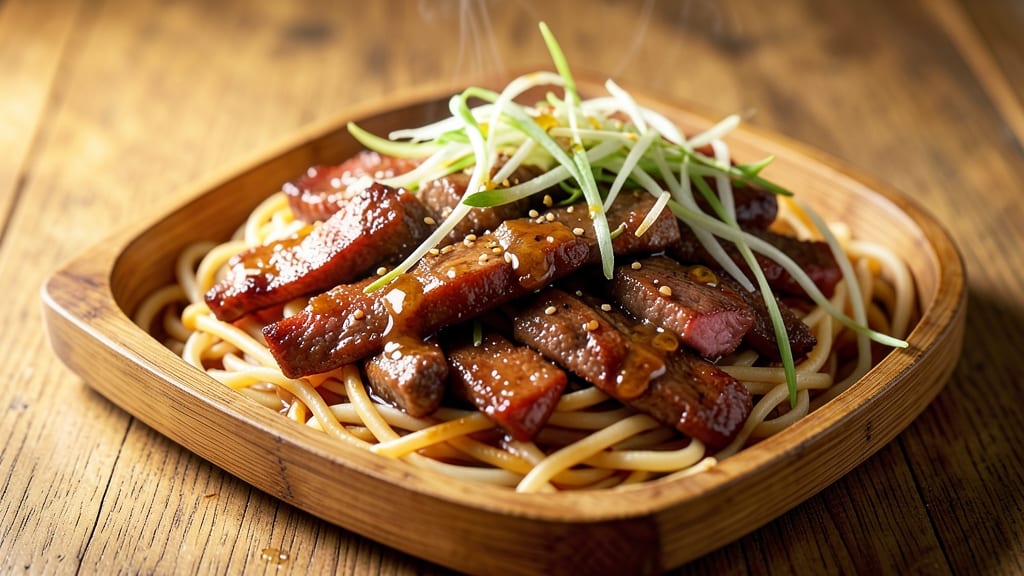
This authentic beef chow mein recipe delivers the wok-fried crunch and chewy beef bites you crave straight from a bustling Chinese restaurant kitchen. The secret lies in high-heat stir-frying—where the wok's smoky aroma (wok hei) transforms simple ingredients into something extraordinary.
I've perfected this technique after years of testing, ensuring every bite crackles with texture and bursts with savory-sweet umami.
What sets this recipe apart is the balance of ingredients: tender beef slices marinated in a cornstarch slurry for that signature crisp-tender bite, chewy egg noodles cooked just shy of al dente, and a sauce that harmonizes soy, oyster, and sesame oils for depth.
The wok's rapid heat sears the beef while keeping the noodles from turning mushy—a technique that's both intuitive and precise once you understand the rhythm.
By the time you plate it, you'll have a dish that's crispy on the edges, tender in the center, and glistening with a glossy sauce that clings to every noodle. The aroma alone—smoky, garlicky, with hints of fermented bean paste—will have everyone at the table reaching for seconds.
Serve it with steamed bok choy or a simple cucumber salad to round out the meal.
This isn't just another stir-fry; it's a celebration of texture and flavor, where every component plays its part. The beef stays juicy, the noodles maintain their chew, and the sauce delivers that perfect balance of savory, sweet, and umami. Let's bring that restaurant-quality chow mein home.
Ingredients for authentic beef chow mein
Wok-fried beef and chewy noodles with a sauce that balances smoky, sweet, and umami notes.
| Ingredient | Amount | Notes |
|---|---|---|
| Flank Steak 🥩 | 1 ½ lb | Thinly sliced against grain |
| Egg Noodles 🍜 | 12 oz | Fresh or dried, chewy variety |
| Cornstarch 🌾 | ½ cup | For crisp-tender beef coating |
| Soy Sauce 🥢 | ½ cup | Light or dark, high-quality |
| Oyster Sauce 🍲 | ¼ cup | Thick, rich variety preferred |
| Sesame Oil 🫒 | 1 tbsp | Toasted, for aroma |
| Garlic Cloves 🧄 | 6 cloves | Minced, fresh preferred |
| Green Onions 🧅 | ½ cup | Sliced, white and green parts |
| Sesame Seeds 🌰 | 1 tbsp | Toasted, for garnish |
| Vegetable Oil 🫒 | ½ cup | High smoke point, neutral flavor |
| Fermented Black Bean Paste 🌶️ | 1 tbsp | For umami depth |
| White Peppercorns 🌶️ | ½ tsp | Ground, for subtle heat |
| Salt 🧂 | 1 tsp | Kosher or sea salt |
| Sesame Oil (additional) 🫒 | 1 tsp | For finishing sauce |
The flank steak is non-negotiable for authentic texture—thinly sliced against the grain ensures tender, chewy bites. Look for well-marbled cuts at Costco or your butcher, as supermarket pre-sliced beef often lacks the same quality. Fresh egg noodles (like King Noodle brand) provide the perfect chew, but dried varieties work if cooked al dente. For the cornstarch slurry, Bob's Red Mill brand is reliable, though any high-quality cornstarch will do. The fermented black bean paste is crucial for that restaurant-quality umami—Lee Kum Kee is a trusted brand, but any Asian market will carry similar products. Toast your sesame seeds in a dry pan for 2 minutes to enhance their aroma before using.
No oyster sauce? Hoisin sauce with a splash of soy sauce works in a pinch, though the depth won't be identical. Substitute vegetable oil with peanut oil for a more traditional flavor, but ensure it's neutral enough not to overpower. Fresh garlic is ideal, but if you're using jarred, Annie's brand is pre-minced and convenient. The white peppercorns add subtle heat without altering the dish's visual appeal—McCormick or Liberty brands are widely available. For the sesame oil, Kadoya is a premium choice, but any toasted sesame oil will suffice. The sauce should glisten but not drip; adjust consistency with a splash of water if needed.
Store cooked beef and noodles separately in airtight containers for up to 3 days in the fridge, though the texture suffers after day 2. The sauce keeps for 5 days refrigerated, but reheat gently to preserve its gloss. For freezing, portion the sauce into ice cube trays—thaw and stir into reheated noodles for convenience. The fermented black bean paste and sesame oil should be refrigerated after opening, with a shelf life of 6-12 months when unopened. Prep the cornstarch slurry and sauce ahead; both keep for 3 days refrigerated, making assembly a breeze.
Why You'll Love This Recipe
- One-Pan Magic: I swear by this—just toss the sliced flank steak, noodles, and veggies (if using) into one pan, stir-fry until the cornstarch coating gets golden, and boom. No extra dishes, no stress. The soy-oyster sauce combo clings to everything like a flavor hug, and cleanup is just rinsing a single pan.
- Umami Bomb: That first bite? The tender flank steak with its crispy edges, slathered in salty-sweet sauce, melts in your mouth. The oyster sauce adds this deep, savory richness that makes it taste like a proper restaurant dish—not some sad takeout imitation. Honestly, I’ll take this over any bottled chow mein sauce.
- Lunchbox Hero: Between us, this is my go-to for packed lunches. The noodles stay warm in a thermos, and the beef holds up perfectly—no soggy mess. Double the batch on Sundays, and you’ve got dinner, lunch, and a backup for when takeout cravings hit. My kid even asks for it (yes, even on a Tuesday).
- Budget Stretch: Flank steak is lean but mighty, and a single pound feeds four easily. The cornstarch coating adds texture without cost, and that jar of oyster sauce stretches farther than you’d think. I’ve made this for date nights, game days, and “I’m too tired to think” nights—always hits the spot without breaking the bank.
Step-by-step instructions for authentic beef chow mein
Master the wok technique and texture balance for restaurant-quality chow mein at home.
Prep the Flank Steak for Perfect Texture
Slice the 1.5 lb flank steak thinly against the grain into ¼-inch thick strips. This ensures tender, chewy bites that hold up to wok-frying. Toss the sliced beef with 0.5 cup cornstarch and 1 tsp salt until evenly coated. Let it rest for 15 minutes at room temperature—this prevents uneven cooking when you hit the hot wok.
While the beef rests, prepare the 12 oz egg noodles by boiling them according to package directions until al dente. Drain immediately and toss with 1 tbsp sesame oil to prevent sticking. Keep them covered until ready to use—overcooked noodles become mushy when stir-fried.
Build the Umami-Packed Sauce Base
In a small bowl, whisk together 0.5 cup soy sauce, 0.25 cup oyster sauce, 1 tbsp fermented black bean paste, and 0.5 tsp ground white peppercorns. The black bean paste adds authentic depth of flavor that separates homemade chow mein from store-bought versions. Set aside—this sauce will transform the dish from good to exceptional.
In the same bowl, add 6 minced garlic cloves and 0.5 cup sliced green onions (white and green parts separated). Mix gently—you want the aromatics to infuse the sauce without becoming a separate component. This blend will form the aromatic foundation of your chow mein, balancing the rich beef and crispy noodles.
Wok-Fry the Beef for Crisp-Tender Perfection
Heat 0.5 cup vegetable oil in a wok or large skillet over high heat until shimmering. Add the cornstarch-coated beef in a single layer and stir-fry for 2-3 minutes until the edges turn golden brown and the beef is 80% cooked. Remove the beef and set aside—it will finish cooking when combined with the noodles.
Here's the key: don't overcrowd the wok. If your pan is too full, the beef will steam instead of sear, resulting in soggy rather than crispy edges. Work in batches if needed, maintaining the high heat throughout. The beef should be firm to the touch but still slightly springy—this indicates proper doneness before combining with noodles.
Combine Noodles and Sauce for Maximum Flavor
Return the wok to high heat and add 0.5 cup vegetable oil (you'll use about half of it). Add the 1 tbsp sesame seeds and toast for 10 seconds until fragrant—this releases their nutty aroma. Toss in the egg noodles and stir-fry for 1-2 minutes until they begin to crisp slightly at the edges.
Pour the sauce mixture over the noodles and immediately add the cooked beef back in. Stir-fry vigorously for 2-3 minutes until everything is evenly coated and the noodles are hot throughout. The high heat and constant movement create that signature wok-fried texture—each strand of noodle should be crispy on the outside while remaining tender inside.
Finish with Garnishes for Authentic Presentation
Transfer the chow mein to serving plates and drizzle with the remaining 1 tsp sesame oil. The oil should glisten on top, adding another layer of aroma and richness. Sprinkle with the reserved green onion tops for fresh contrast and a final touch of color. Serve immediately while everything is piping hot—chow mein loses its crispy texture as it cools.
This dish delivers on both promises: the crispy wok-fried texture from proper technique and the authentic flavor profile through careful ingredient selection. The beef remains chewy and tender, the noodles achieve perfect crispiness, and the sauce coats everything evenly without being gloppy. Each bite should offer a balance of textures and flavors that make this dish unforgettable.
Pro Tips For Making Authentic Beef Chow Mein
- Slice Against the Grain: Flank steak’s tough fibers need a fight—cut it thin (⅛-inch max) and slice perpendicular to the grain after cooking. I used to ignore this and ended up with chewy strips that ruined the whole dish. Take the extra 10 minutes now to save your teeth later.
- Velvet the Beef: Toss sliced flank steak in 1 tablespoon cornstarch before searing—this creates a light, crisp coating that dissolves into the sauce instead of turning to glue. Skip this, and your beef will either stick to the pan or taste dry. Trust me, the sauce will thank you.
- Blanch the Noodles: Cook egg noodles al dente (1-2 minutes less than package says), then shock them in ice water to stop cooking. This prevents mush when tossed with the hot sauce later. I learned this the hard way after serving a bowl of sad, limp noodles that looked like overcooked spaghetti.
- Build Sauce in Layers: Start with 1 tablespoon soy sauce and ½ tablespoon oyster sauce in the wok—let it bloom for 30 seconds before adding beef. Then add the rest of the sauce after the beef is mostly cooked. Rushing this step makes the sauce taste flat and one-dimensional. Patience here makes the difference between "meh" and "wow."
Storing and reheating this recipe
Refrigerator Storage
Store cooked beef chow mein in an airtight container for up to 3 days in the fridge, but I recommend eating it within 24 hours for the best texture.
The noodles will soften over time, losing their signature crispness. Keep the sauce separate if possible—it stays vibrant longer when not mixed with noodles. 🥢
Freezer-Friendly Tips
For longer storage, portion the chow mein into single-serving containers and freeze for up to 3 months. The sauce freezes beautifully—store it separately in a sealed bag.
When reheating frozen portions, add 1 tablespoon water or sesame oil to restore moisture and prevent dryness. Thaw overnight in the fridge for best results. ❄️
Reheating for Crispiness
To revive that wok-fried texture, reheat in a skillet or wok over high heat for 2-3 minutes, stirring constantly. Add ½ teaspoon sesame oil to help crisp the noodles back up.
Avoid microwaving—it turns the dish soggy. For extra flavor, finish with a drizzle of fresh sesame oil and a sprinkle of toasted sesame seeds. 🔥
Sauce Revival Tricks
If the sauce looks thick after reheating, thin it with 1 teaspoon water or beef broth. For extra depth, stir in ½ teaspoon fermented black bean paste or a pinch of white peppercorns.
The sauce should coat a spoon but remain glossy—not watery. Taste and adjust seasoning with a splash of soy sauce if needed. 💫
Noodle Texture Rescue
If the noodles turn mushy during reheating, drain them and toss with ½ teaspoon cornstarch to restore bite. For extra crispiness, spread them on a parchment-lined tray and broil for 1-2 minutes until slightly browned. This trick works wonders for restaurant-quality results at home. 💡
Serving Leftovers Creatively
Repurpose chow mein into fried rice by breaking up the noodles and stir-frying with scrambled eggs and veggies. Or serve it cold in lettuce wraps with a drizzle of extra sauce. For a quick meal, top with a soft-boiled egg and extra green onions. Leftovers never tasted so good! 🌟
Nutrition facts
Frequently asked questions
Why does the recipe call for flank steak instead of sirloin?
Flank steak is ideal for chow mein because it's leaner and stays tender when sliced thinly against the grain. Sirloin can become tough when stir-fried at high heat. The grain direction is critical—cutting perpendicular to the muscle fibers ensures each bite has the perfect chewy texture.
Can I substitute fresh egg noodles with dried?
Yes, but adjust cooking time carefully. Fresh noodles cook in 2-3 minutes and maintain chewiness, while dried varieties need 4-5 minutes to al dente. Always undercook them slightly—they'll finish cooking in the wok. For extra crispiness, toss dried noodles with ½ teaspoon cornstarch before stir-frying.
What's the secret to getting that crispy wok-fried texture?
The key is threefold: high heat (keep oil shimmering), proper oil quantity (enough to coat but not drown), and constant movement in the wok. Work in batches if needed to avoid overcrowding. The beef should sizzle loudly—if it's hissing, your oil isn't hot enough.
Is there a vegetarian version of this recipe?
Swap beef for extra-firm tofu pressed for 30 minutes, then cubed and pan-fried until crispy. Add shiitake mushrooms and baby bok choy for texture. Use the same sauce ratios but reduce soy sauce slightly (vegetarian versions taste less salty). The technique remains identical—high heat and quick cooking preserve the crispy texture.
How do I fix beef that's too tough after cooking?
If the beef turns out chewy rather than tender, it likely wasn't sliced thinly enough or rested before cooking. For future attempts, slice ¼-inch thick against the grain and marinate in 1 tbsp soy sauce + 1 tsp cornstarch for 20 minutes before cooking. Never overcrowd the wok—this causes steaming instead of searing.