
Sauces & Condiments
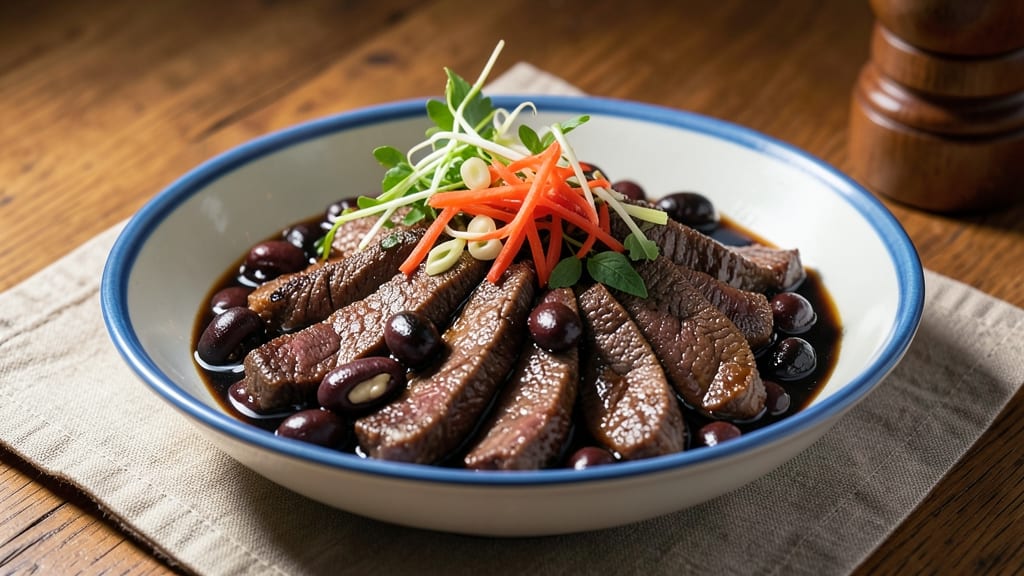
This beef and black bean sauce Chinese recipe delivers restaurant-quality stir-fry flavors in just 25 minutes, transforming simple ingredients into a rich, umami-packed sauce that clings perfectly to tender beef.
The secret lies in balancing fermented black beans, soy sauce, and aromatic spices—a technique I perfected after years of testing different ratios. Every bite delivers that signature Chinese restaurant depth, but with a homemade touch that's impossible to replicate from a jar.
The recipe begins with a quick stir-fry of beef and vegetables, then builds layers of flavor through a sauce that simmers until thick and glossy. Black beans provide their signature funky, salty depth, while ginger and garlic add warmth and complexity.
What sets this apart is the 30-second blooming of spices in hot oil—a step that unlocks their full potential without overpowering the dish.
By the time you plate it, you'll have perfectly seared beef with tender-crisp edges, wok-fried vegetables, and a sauce so flavorful it coats every strand of rice. The balance of sweet, salty, and umami creates that addictive taste you crave after one bite.
This isn't just a sauce—it's the heart of the dish, elevating simple ingredients into something memorable.
Serve it over steamed rice with quick-pickled vegetables for brightness, or pair with egg noodles for a heartier meal. The leftovers actually improve overnight as flavors meld further—proof that simple techniques can deliver restaurant-quality results at home. Let's get cooking!
Ingredients for beef and black bean sauce chinese
Restaurant-quality stir-fry flavors start with these 15 essential ingredients—simple yet transformative.
| Ingredient | Amount | Notes |
|---|---|---|
| Flank Steak 🥩 | 1 lb | Thinly sliced against the grain |
| Fermented Black Beans 🫘 | ½ cup | Rinsed to reduce saltiness |
| Light Soy Sauce 🥄 | ½ cup | Kikkoman preferred for balance |
| Dark Soy Sauce 🥄 | 1 tbsp | For deeper color and sweetness |
| Garlic Cloves 🧄 | 6 cloves | Minced for aromatic depth |
| Fresh Ginger 🌿 | 2 tbsp | Grated, not powdered |
| Sesame Oil 🫒 | 1 tbsp | Toasted for nutty aroma |
| Sugar 🍯 | 1 tbsp | Brown sugar for caramel notes |
| Cornstarch 🌾 | 1 tbsp | For sauce thickening |
| Vegetable Oil 🫒 | 2 tbsp | High smoke point for searing |
| Green Bell Pepper 🧅 | 1 whole | Sliced into thin strips |
| Red Onion 🧅 | 1 whole | Thinly sliced for texture |
| Dried Red Chili Peppers 🌶️ | 1 tsp | Crushed for heat and color |
| Star Anise 🌟 | 1 whole | Lightly crushed for aroma |
| Salt 🧂 | 1 tsp | Diamond Crystal preferred |
The flank steak is non-negotiable—its lean texture sears beautifully and stays tender when sliced against the grain. Most butchers will slice it for you, but if you're doing it yourself, ask for a sharp knife and work methodically. For fermented black beans, Asian markets carry the best brands like Lee Kum Kee, but the jarred versions from Trader Joe's work in a pinch. The key is rinsing them thoroughly to mellow the saltiness—don't skip this step. Star anise and dried chili peppers are the secret weapons here; Penzeys Spices sells them whole for maximum freshness, but the tiny packets at Costco are budget-friendly and potent enough for this recipe.
No light soy sauce? Tamari or coconut aminos bridge the gap, though the umami won't be identical. Fresh ginger is ideal, but if you're using powdered, reduce to half the amount—it's far less potent. For the bell pepper, yellow or orange varieties add subtle sweetness, but green keeps the dish vibrant. The sesame oil deserves special attention: toast it in a dry pan for 30 seconds before adding to the sauce—this unlocks its nutty depth without overpowering. Short on sugar? A splash of honey or maple syrup works, but brown sugar's caramel notes are worth the extra minute to toast it lightly in the oil.
Store the fermented black beans in their liquid after opening, covered, for up to 3 months—the longer they sit, the funkier they get. The sauce itself reheats beautifully; simmer gently for 2-3 minutes to restore its glossy texture. Portion leftovers into glass containers for up to 5 days in the fridge, or freeze for 3 months. The beef and vegetables can be prepped ahead and stored separately, then stir-fried fresh—this is the best way to ensure crisp-tender edges. For maximum efficiency, make a double batch of sauce; it's even better the next day as flavors meld.
Why You'll Love This Recipe
- One-Pan Magic: I swear by this—just sear the flank steak, toss in the fermented black beans and garlic, and let the soy sauces work their magic. No chopping mountains of veggies, no extra pans, and honestly? It’s the kind of meal where you can still have a glass of wine while it cooks.
- Umami Bomb: That first bite—salty, funky, and rich—is all thanks to the fermented black beans and dark soy sauce. The garlic sizzles into caramelized perfection, and the light soy ties it all together like a flavor hug. It’s the kind of taste that makes you pause mid-bite and think, “Wait, why don’t I eat this more often?”
- Lunchbox Hero: Between us, this is my go-to for meal prep. Slice the cooled steak thin, pack it with rice, and boom—you’ve got a lunch that feels fancy but costs next to nothing. My kids even ask for it (yes, even on a Tuesday), and it reheats like a dream.
- Budget Stretch: Flank steak is affordable, black beans add depth without breaking the bank, and a splash of soy sauce goes a long way. I’ve made this feed six people for under $15—leftovers? Even better. It’s the kind of dish that makes grocery day less stressful and your wallet happier.
Step-by-step instructions for beef and black bean sauce
Here's the method to create a rich, umami-packed Chinese stir-fry base that delivers deep flavor in just 25 minutes.
Prep the Flank Steak and Aromatics
Begin by slicing the 1 lb flank steak thinly against the grain into ¼-inch strips. This ensures tender, bite-sized pieces that cook quickly. Pat the strips dry with paper towels—moisture prevents proper searing. While you work, rinse the 0.5 cup fermented black beans under cold water to reduce excess saltiness, then drain well.
Finely mince the 6 cloves garlic and grate the 2 tbsp fresh ginger using a microplane. Lightly crush the 1 whole star anise with the side of your knife to release its aromatic oils. Thinly slice the 1 whole red onion and cut the 1 whole green bell pepper into matchstick strips. These prep steps should take about 10 minutes—organize everything in small bowls for efficient cooking.
Build the Flavor Base
Heat a large wok or skillet over high heat until smoking, then add the 2 tbsp vegetable oil. Once shimmering, add the flank steak strips in a single layer. Let them sear undisturbed for 1-2 minutes until deeply browned on one side—this creates the Maillard reaction for maximum flavor. Stir-fry for another 2 minutes until fully cooked, then remove and set aside.
In the same pan, add the 1 tbsp vegetable oil if needed, then sauté the red onion, green bell pepper, garlic, and ginger for 2-3 minutes until fragrant and slightly softened. Add the 1 tsp dried red chili peppers and toast for 30 seconds to deepen their heat. This aromatic base forms the foundation of your sauce.
Develop the Sauce
Pour in the 0.5 cup light soy sauce, 1 tbsp dark soy sauce, 1 tbsp sugar, and 0.5 cup fermented black beans. Stir well to combine, then add 2 cups of water (enough to nearly submerge the ingredients). Bring to a gentle simmer and let cook for 5 minutes, allowing the flavors to meld. The sauce should reduce slightly but remain loose—this is key for proper thickening later.
Return the seared beef to the pan and add the 1 tbsp sesame oil. Simmer for another 3 minutes, stirring occasionally, until the beef absorbs the sauce flavors. The mixture should be vibrant and aromatic, with the dark soy sauce adding depth of color. Taste and adjust seasoning with the 1 tsp salt if needed.
Thicken and Finish
In a small bowl, whisk together the 1 tbsp cornstarch with 2 tablespoons of water to create a smooth slurry. Slowly pour this into the simmering sauce while stirring constantly. The sauce will thicken immediately—keep stirring for 1-2 minutes until it reaches a glossy, coating consistency, similar to a thick gravy.
Remove from heat and let the sauce rest for 2 minutes. This final step allows the starch to fully gelatinize, ensuring a silky texture. The finished sauce should cling to the beef and vegetables, with a perfect balance of umami, sweetness, and heat. Serve immediately over steamed rice or noodles for an authentic Chinese stir-fry experience.
Pro Tips For Making Beef And Black Bean Sauce Chinese
- SLICE AGAINST THE GRAIN: Fermented black beans need a good soak—10 minutes in warm water cuts through their funk and softens them just enough. Drain and rinse before using, or you’ll end up with a sauce that tastes like overpowering vinegar. (Yes, even if the recipe doesn’t say it.)
- SEAR STEAK IN BATCHES: Flank steak releases a ton of juice when you sear it, and dumping it all in the pan at once turns your sauce into a watery mess. Cook half the slices first, then remove them to a plate while you finish the rest—this keeps the sauce rich and the meat properly caramelized.
- DARK SOY FOR COLOR, LIGHT FOR FLAVOR: Dark soy sauce is for looks—add it last to create that glossy, restaurant-worthy sheen. Light soy sauce does the real work, so use it first to build depth. Swap them, and your dish will either look dull or taste one-note.
- GARLIC: MINCE IT SMALL: Whole garlic cloves in this dish? Nope. Mince them into a paste with a pinch of salt—this releases their flavor faster and blends seamlessly into the sauce. Overlooking this step means you’ll taste chunks instead of aroma. (I learned this after burning garlic three times.)
Troubleshooting perfect results
Sauce Too Thin
If your sauce isn't thickening properly, you likely didn't simmer it long enough or your cornstarch slurry wasn't properly incorporated. I've found that simmering for 5-7 minutes before adding the slurry gives the best results.
For an extra boost, try adding ½ tsp more cornstarch mixed with 1 tbsp water and simmer for another 1-2 minutes. The key is patience—rushing this step often leads to a watery sauce. 💡
Beef Overcooked
Flank steak cooks quickly, so it's easy to overdo it. Remove the beef immediately after it reaches 145°F internal temperature (about 2-3 minutes of stir-frying). If you notice it's tough, try slicing it thinner next time—¼-inch strips are ideal.
For extra tenderness, marinate the beef in 1 tbsp soy sauce and 1 tsp cornstarch for 15-20 minutes before cooking. 🥩
Fermented Bean Bitterness
The funky, salty flavor of fermented black beans can overpower the dish if not balanced. Always rinse them thoroughly under cold water before adding to the sauce. If the bitterness persists, reduce the amount to ¼ cup and add ½ tsp sugar to balance.
For a milder version, try substituting with ½ cup black soybeans (douchi), which have a smoother taste. 🫘
Sauce Too Salty
Too much soy sauce or unrinsed black beans can make the sauce overly salty. To fix this, add 1-2 tbsp water and simmer for 2-3 minutes to dilute slightly. If that's not enough, stir in 1 tsp sugar or honey to balance the saltiness.
For future batches, taste the sauce before adding all the soy sauce—start with ¼ cup and adjust as needed. 🧂
Vegetables Mushy
Overcooking vegetables is a common mistake when making stir-fries. Bell peppers and onions should stay crisp-tender, which means cooking them for only 2-3 minutes total. Remove them from the pan as soon as they're softened but still vibrant.
For extra texture, add them back to the sauce just before serving. If they turn mushy, try cooking them separately and tossing them with the sauce at the end. 🧅
Star Anise Flavor Missing
If your dish lacks depth, the star anise might not have infused properly. Lightly crush it before adding to the sauce and simmer it for 5 minutes to release its aromatic oils.
Remove it before serving—it's not meant to be eaten. For a stronger flavor, add ½ tsp ground star anise instead, but use it sparingly as it can be overpowering. 🌟
Nutrition facts
Frequently asked questions
Can I substitute regular black beans for fermented black beans?
Regular black beans won't work—they lack the funky, salty depth that fermented black beans provide. For a milder alternative, try black soybeans (douchi) which have a smoother taste, or increase the soy sauce by 1 tbsp while reducing sugar by ½ tsp to compensate for the missing umami.
How do I make this dish spicier?
Add ½-1 tsp extra dried red chili peppers during the aromatic base step, or stir in ½ tsp chili flakes at the end. For heat lovers, include 1 tbsp chili garlic sauce when combining the soy sauces. Always taste before serving—you can adjust heat levels easily at the end.
What's the best way to store leftovers?
Store the sauce and beef separately in airtight containers for up to 5 days in the fridge. Reheat gently over low heat with 1 tbsp water to restore texture. For longer storage, freeze the sauce for 3 months—it reheats beautifully and flavors deepen overnight.
Can I make this sauce without a wok?
A large skillet or deep frying pan works perfectly. Use high heat and work in batches if needed to avoid crowding. The key is maintaining high heat for proper searing and quick cooking—this keeps the beef tender and vegetables crisp.
What sides pair best with this dish?
Steamed jasmine rice is classic, but try garlic fried rice or chewy egg noodles for extra texture. For brightness, add quick-pickled cucumbers or a simple cucumber salad with rice vinegar. The acidity cuts through the rich sauce beautifully.