
Main Courses
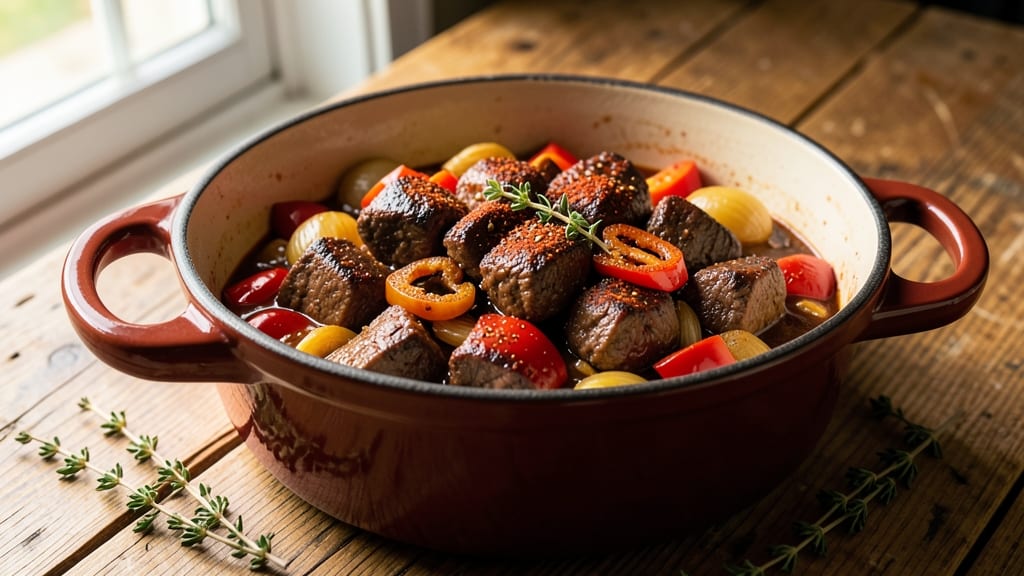
This authentic beef goulash recipe brings Hungary's hearty traditions to your kitchen with deep, paprika-infused flavors that simmer to velvety perfection. The secret lies in proper meat browning and slow cooking, transforming tough beef into tender, rich bites that melt in your mouth. I've perfected this over years of testing, ensuring every spoonful delivers that authentic Eastern European comfort.
What sets this goulash apart is the careful balance of traditional spices—smoky paprika, earthy caraway, and fragrant marjoram—that create complex layers of flavor. The dish starts with properly seared beef, which develops a rich crust that dissolves into the sauce when simmered.
This isn't just a stew; it's a restaurant-quality meal that builds flavor as it cooks, rewarding patience with every bite.
By the time you serve it, you'll have a deep, aromatic sauce with tender beef chunks that practically fall apart. The dish pairs beautifully with egg noodles or crusty bread to soak up every last drop of that rich, paprika-infused goodness.
Whether you're feeding a family or hosting dinner guests, this goulash delivers the kind of satisfying meal that feels like a warm embrace.
The best part? This recipe adapts perfectly to modern kitchens while staying true to tradition. You'll achieve that authentic Hungarian flavor without requiring specialty equipment—just time and attention to the cooking process. Let's get started on creating this comforting classic that's been passed down through generations.
Ingredients for authentic beef goulash
The heart of this Hungarian classic starts with tender beef and smoky paprika.
| Ingredient | Amount | Notes |
|---|---|---|
| Chuck Roast 🥩 | 3 lb | Cut into 1-inch cubes for even cooking |
| Smoked Paprika 🌶️ | 2 tbsp | Hungarian or Spanish for authentic smokiness |
| Sweet Paprika 🌶️ | 1 tbsp | For balanced color and mild sweetness |
| Ground Caraway Seeds 🌿 | 1 tsp | Freshly ground for maximum aroma |
| Dried Marjoram 🌿 | 1 tsp | Or 1 tbsp fresh marjoram leaves |
| Onion 🧅 | 1 whole | Yellow or red, diced into 1/4-inch pieces |
| Garlic Cloves 🧄 | 4 cloves | Minced for deep aromatic base |
| Tomato Paste 🍅 | ½ cup | High-quality, no sugar added |
| Beef Broth 💧 | 3 cups | Homemade or low-sodium store-bought |
| Red Wine 🍷 | 1 cup | Dry Hungarian or bold Cabernet |
| Bay Leaves 🌿 | 2 whole | Fresh or dried, removed before serving |
| Black Peppercorns 🌶️ | 1 tsp | Freshly cracked for robust flavor |
| Salt 🧂 | 1 ½ tsp | Diamond Crystal kosher salt |
| All-Purpose Flour 🌾 | 1 tbsp | For thickening the sauce |
| Egg Noodles 🍝 | 1 lb | Fresh or dried, for serving |
The beef is non-negotiable—chuck roast delivers that melt-in-your-mouth texture after slow cooking. Look for well-marbled cuts at Whole Foods or your local butcher shop, where they can cut it precisely for you. I always ask for 1-inch cubes to ensure even cooking. The paprika blend is what makes this authentic: Hungarian or Spanish smoked paprika gives that signature depth, while sweet paprika adds balance. If you can only find regular paprika, mix equal parts smoked and sweet for the best results.
No red wine? Dry sherry or additional beef broth works in a pinch, though the wine adds complexity. Fresh marjoram elevates the dish, but dried oregano at half the amount gets you close if you're in a hurry. The tomato paste should be San Marzano if possible—its sweetness and depth are unmatched. For the broth, homemade is ideal, but low-sodium store-bought saves time without sacrificing flavor. The caraway seeds are key: if you can't find pre-ground, toast whole seeds in a dry pan for 30 seconds before grinding.
This goulash tastes even better the next day as flavors meld. Store in the fridge for up to 5 days, or freeze portions for 3 months. I like to make a double batch—one for dinner and one to reheat for lunches. The sauce thickens as it cools, so add a splash of broth when reheating. Serve with fresh egg noodles or crusty bread to soak up every last drop of that rich, paprika-infused goodness.
Why You'll Love This Recipe
- One-Pot Magic: I swear by this recipe—just sear the chuck roast, toss in the spices (smoked paprika, caraway, marjoram), and let it slow-cook. No fancy techniques, no extra pots, and the house smells like home by the time you’re done.
- Deep, Smoky Richness: That chuck roast gets fork-tender while soaking up the paprika blend—smoky, slightly sweet, with a hidden warmth from the caraway. It’s the kind of flavor that sticks with you, the way a good book does.
- Leftovers That Beg for More: Between us, this goulash tastes better the next day. The flavors meld into something heartier, and it’s the perfect lunchbox filler or quick reheat for a lazy afternoon. (Yes, even on a Tuesday.)
- Budget-Friendly Crowd-Pleaser: A chuck roast stretches for a week’s worth of meals, and the spices cost pennies. Feed four for dinner, pack two for lunch, and still have enough for soup the next night—without breaking the bank.
Step-by-step instructions for authentic beef goulash
Let's create a rich, paprika-infused goulash that captures the heart of Hungarian tradition.
Prepare the Chuck Roast for Even Cooking
Begin by cutting the 3 lb chuck roast into 1-inch cubes using a sharp boning knife. This size ensures the meat cooks evenly throughout without becoming tough. Pat the cubes dry with paper towels—this step is crucial for achieving that signature crispy exterior later.
In a large bowl, combine the meat with 2 tbsp smoked paprika, 1 tbsp sweet paprika, 1 tsp ground caraway seeds, 1 tsp dried marjoram, 1.5 tsp salt, and 1 tsp freshly cracked black peppercorns. Use your hands to massage the spices into every surface of the beef. Let the seasoned meat rest for 15 minutes at room temperature before cooking—this allows the spices to adhere fully and the meat to cook more uniformly.
Build the Flavor Base with Onions and Garlic
Heat a large Dutch oven over medium-high heat and add the 1 whole onion, diced into ¼-inch pieces. Cook, stirring occasionally, for 8-10 minutes until the onions soften and begin to caramelize—this adds natural sweetness to the goulash. Here's the thing: don't rush this step. The onions should turn golden brown before moving on.
Add the 4 cloves minced garlic and cook for another 30 seconds until fragrant. Stir in the 0.5 cup tomato paste and cook for 2 minutes, stirring constantly to prevent burning. This creates a deep, concentrated flavor foundation that will carry through the entire dish. If the tomato paste starts to darken too quickly, reduce the heat slightly.
Develop the Sauce with Wine and Broth
Pour in the 1 cup red wine and scrape up any browned bits from the bottom of the pot—this technique, called deglazing, captures all the flavor locked in the fond. Let the wine simmer for 3-4 minutes until it reduces by half and the alcohol cooks off. This step is where the goulash transforms from good to extraordinary.
Add the 3 cups beef broth and bring the mixture to a gentle boil. Stir in the seasoned beef cubes and 2 whole bay leaves, then reduce the heat to low. Here's the critical part: the goulash needs to simmer uncovered for 2 hours. You'll notice the meat will rise to the surface and then sink back down—this is normal as it releases collagen and tenderizes.
Thicken and Finish the Goulash
After 2 hours, the beef should be fork-tender. Sprinkle the 1 tbsp all-purpose flour over the top and stir gently to combine. Let the goulash simmer uncovered for another 15-20 minutes—this allows the flour to thicken the sauce naturally without making it gluey. Taste and adjust seasoning with additional salt or pepper if needed.
Remove the 2 bay leaves before serving. The goulash should have a rich, velvety sauce that coats the back of a spoon. If the sauce is too thick, whisk in 1-2 tablespoons of water to reach your desired consistency. This final adjustment ensures every bite delivers that perfect balance of meaty richness and aromatic spices.
Serve with Perfect Egg Noodles
While the goulash simmers, cook the 1 lb egg noodles according to package directions until al dente. Drain and toss with a bit of olive oil to prevent sticking. Serve the goulash hot over the noodles, allowing each bite to capture both the tender beef and the deeply flavorful sauce.
For an authentic touch, garnish with extra smoked paprika and a sprinkle of fresh parsley if available. The contrast between the smoky, spiced beef and the delicate egg noodles makes this goulash truly special. Leftovers keep well in the refrigerator for up to 4 days, and the flavors actually improve as the sauce continues to meld.
Pro Tips For Making Authentic Beef Goulash
- CRUST THE CHUCK ROAST: The first 10 minutes in the pot are non-negotiable—sear that chuck roast until it’s deep brown, not just pink. I learned this the hard way when I skimped and ended up with bland, gray meat that soaked up the broth like a sponge instead of developing flavor. Use a heavy pot, high heat, and don’t move it until it’s got a proper crust.
- TOAST THE SPICES: Smoked and sweet paprika, caraway seeds, and marjoram need a quick dry toast in the pot before adding oil. Just 30 seconds over medium heat—watch them closely—until the caraway seeds sizzle and the paprika smells like a Hungarian market. This step unlocks their aroma and prevents bitterness later. (Yes, even if you’re impatient like me.)
- DON’T SKIP THE BROWNING: Let the onions and garlic caramelize until they’re sticky and golden, not just soft. I used to rush this, and the goulash always tasted flat. It’s worth the extra 5-7 minutes—those deep flavors are the backbone of the dish. If you’re in a hurry, lower the heat and keep stirring.
- SIMMER LOW AND SLOW: After the initial sear, reduce heat to a bare simmer—just enough to keep tiny bubbles breaking the surface. I used to let it boil, and the meat turned out tough as boot leather. Cover the pot loosely and let it cook for at least 2.5 hours, stirring occasionally. Patience here makes the difference between fork-tender beef and something that needs more time.
Make-ahead tips for leftovers
Prep Ahead Strategy
Start by prepping the beef and aromatics the night before—pat the 3 lb chuck roast dry, cut into 1-inch cubes, and season with all spices. Store in an airtight container in the fridge.
The next day, you'll only need to sear and simmer, saving 30 minutes of active cooking time. The onions and garlic can also be diced ahead and stored separately in the fridge. 💡
Slow Cooker Adaptation
For ultimate convenience, use a 6-quart slow cooker on low for 7-8 hours. Brown the beef and onions in a skillet first, then transfer everything to the slow cooker with all ingredients except flour.
Stir in flour during the last 30 minutes of cooking. This method requires zero attention—just dump, cook, and serve. The flavors develop beautifully over time.
Freezer-Friendly Components
Freeze the fully cooked goulash (without noodles) in airtight containers for up to 3 months. When ready to serve, thaw in the fridge overnight, then reheat on the stovetop with 2 tbsp water to restore sauce consistency.
I like to freeze it in quart-sized portions for easy single-serving meals. The sauce actually thickens nicely after freezing, creating a richer texture when reheated. ❄️
Make-Ahead Sauce Base
Prepare the sauce base (onions, garlic, tomato paste, wine, and broth) up to 3 days ahead and store in the fridge. When ready to cook, simply add the seasoned beef and simmer for 2 hours.
This is perfect for busy weeknights when you want that authentic goulash flavor without starting from scratch. The pre-made base keeps well in a sealed container with a layer of plastic wrap pressed directly on the surface.
Noodle Prep Shortcut
Cook and drain the 1 lb egg noodles ahead of time, then toss with 1 tbsp olive oil to prevent sticking. Store in a sealed container in the fridge for up to 2 days.
Reheat the noodles in the microwave for 1-2 minutes with a splash of water before serving. This simple step ensures you can focus entirely on the goulash when it's time to serve. 🍝
Flavor Boosting Tip
For maximum depth of flavor, make the goulash 24 hours ahead and let it rest in the fridge. The spices and meat will meld together perfectly, creating a richer, more complex dish. When reheating, add 1-2 tbsp beef broth to loosen the sauce.
This technique transforms good goulash into exceptional goulash—trust me, your taste buds will thank you. The flavors develop like a fine wine over time! 💛
Nutrition facts
Frequently asked questions
Can I substitute chuck roast with another beef cut?
Yes, but choose wisely! Chuck roast is ideal because its marbling creates tender, flavorful meat. Brisket or stew beef work well too, but trim excess fat first. Avoid lean cuts like sirloin—they'll dry out during the long simmer. If using a different cut, increase simmering time by 30 minutes to ensure tenderness.
What makes this goulash 'authentic' compared to other recipes?
The authenticity comes from three key elements: Hungarian paprika blend (smoked + sweet), proper meat browning, and slow simmering. Many recipes skip the caraway seeds or use too much tomato paste—this version balances rich beef flavors with aromatic spices and a velvety sauce that develops over time. The 2-hour simmer is non-negotiable for that signature texture.
Why does my goulash turn out too thin or too thick?
Sauce consistency depends on timing and flour. For thin sauce, add 1-2 tbsp water while simmering. For thick sauce, simmer uncovered longer or add 1 tsp cornstarch mixed with water. The flour should only be added in the last 15-20 minutes—adding it earlier makes the sauce gluey. Always taste as you go!
Can I make this goulash without wine? Replace the 1 cup red wine with 1 cup beef broth + 1 tbsp apple cider vinegar for acidity. Or use 1 cup dry white wine if you prefer. The wine adds depth, but the vinegar mimics its brightening effect. Just
How do I know when the beef is fully cooked?
The beef should be fork-tender with no pink center. After 2 hours of simmering, test a piece—it should fall apart easily. If using a meat thermometer, aim for 203°F (95°C) in the thickest part. Overcooking can make the meat dry, so monitor closely during the last 30 minutes of cooking.