
Main Courses
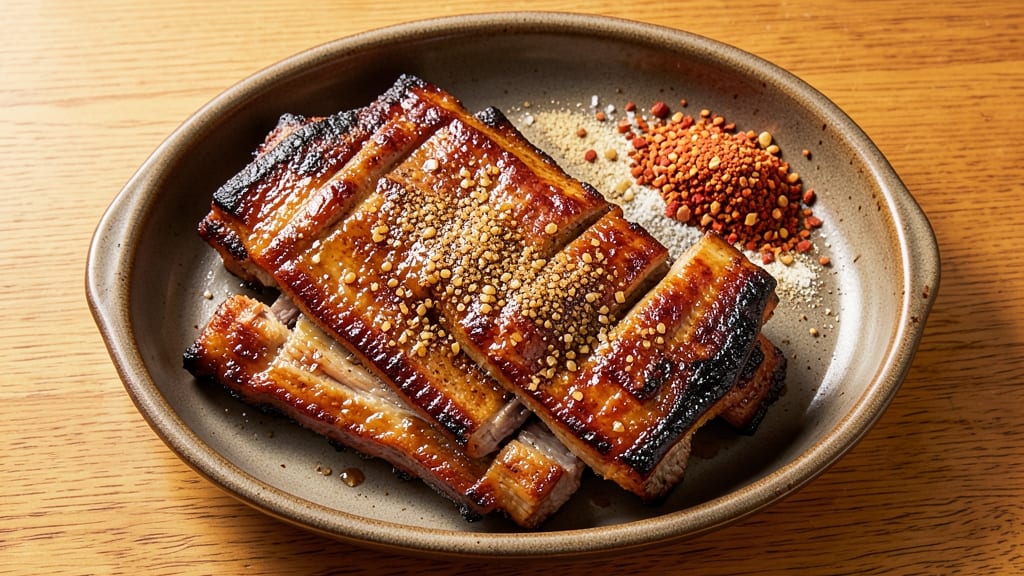
This baked beef spare ribs recipe delivers crispy bark and fall-off-the-bone tenderness without hours of smoking or grilling. The secret lies in a dry rub that develops deep flavor during a long, low bake, while high-heat finishing creates that coveted caramelized crust.
I've perfected this method over countless batches—no special equipment required, just patience and a hot oven.
The process begins with a simple yet powerful dry rub of brown sugar, smoked paprika, garlic powder, and chili flakes, which clings to the ribs and forms a flavorful crust.
After a slow bake that transforms tough meat into tender perfection, the final minutes at high heat create that irresistible crispy bark everyone craves. The result? Ribs so tender they nearly dissolve with the first bite, paired with a crust that's worth breaking through.
What makes this recipe stand out is how it balances restaurant-quality results with home-cooking simplicity. No need for a smoker or complex techniques—just a baking sheet, oven, and about 4 hours of hands-off time (plus 30 minutes of prep).
The ribs emerge with a glossy, caramelized exterior and meat so tender it pulls away from the bone effortlessly. This is comfort food at its finest, perfect for family dinners or game day gatherings.
Serve with classic sides like creamy coleslaw, roasted potatoes, or garlic bread to soak up every last bit of that rich, smoky sauce. The leftovers reheat beautifully, making this an ideal meal for feeding a crowd or meal prepping ahead. Ready to master these ribs? Let's get started.
Ingredients for baked beef spare ribs
Four pounds of meaty ribs transformed into restaurant-quality comfort with just twelve simple ingredients.
| Ingredient | Amount | Notes |
|---|---|---|
| Beef Spare Ribs 🥩 | 4 lb | Bone-in, meaty sections preferred |
| Light Brown Sugar 🍚 | ½ cup | Packed for optimal crust formation |
| Smoked Paprika 🌶️ | 2 tbsp | High-quality for authentic smokiness |
| Garlic Powder 🧄 | 1 tbsp | Freshly ground preferred |
| Chili Flakes 🔥 | 1 tbsp | Adjust for preferred heat level |
| Diamond Crystal Kosher Salt 🧂 | 1 ½ tbsp | Fine grain for even distribution |
| Black Peppercorns 🌶️ | 1 tsp | Freshly cracked for robust flavor |
| Onion Powder 🧅 | 1 tsp | Enhances sweetness in rub |
| Apple Cider Vinegar 🍎 | 2 tbsp | Balances sweetness in marinade |
| Yellow Mustard 🥫 | 1 tbsp | Binds marinade to ribs |
| Unsalted Butter 🧈 | 2 tbsp | Full-fat for optimal bark |
| Fresh Thyme Leaves 🌿 | ¼ cup | Chopped, aromatic finish |
| Fresh Rosemary Sprigs 🌿 | 4 whole | Woodsy aroma pairs perfectly |
| Water 💧 | ½ cup | For moist baking environment |
The ribs are the foundation—look for meaty, bone-in spare ribs with good marbling for maximum tenderness. Costco or local butcher shops often carry the best quality in bulk. If buying frozen, thaw overnight in the fridge for even cooking. The dry rub ingredients must be freshly ground or high-quality—smoked paprika from Penzeys or McCormick delivers authentic depth, while generic brands can taste flat. For the brown sugar, light or dark both work, but light brown has slightly less molasses flavor that won't overpower the smokiness. Pre-portion your rub ingredients into small containers to avoid measuring during prep—this recipe rewards precision.
No smoked paprika? Substitute half the amount with regular paprika plus a pinch of liquid smoke—it's not identical, but works in a pinch. Running short on apple cider vinegar? White vinegar or lemon juice maintains the acid balance. The fresh herbs can be swapped for dried at one-third the amount, but fresh thyme and rosemary add that professional touch. For extra crispiness, add 1/2 teaspoon of baking soda to the rub—it creates a chemical reaction that enhances bark formation. If your ribs are particularly fatty, pat them dry with paper towels before applying the rub to ensure maximum adhesion. The butter in the marinade is non-negotiable—it's what creates that irresistible caramelized crust during the final high-heat phase.
Store uncooked ribs in the fridge for up to 3 days wrapped tightly in plastic. The dry rub keeps well in an airtight container for 3 months, though freshness degrades flavor over time. Cooked ribs reheat beautifully—wrap in foil and warm at 350°F for 15 minutes to maintain moisture. For meal prep, portion into individual servings with a side of sauce (if using) in airtight containers. They'll stay tender for 4 days in the fridge or 3 months frozen. To revive frozen ribs, thaw overnight in the fridge and finish in the oven as directed—never microwave from frozen.
Why You'll Love This Recipe
- One-Pan Magic: I swear by this recipe because it’s that kind of meal—just ribs, a sprinkle of brown sugar, and a pinch of spices, all piled onto one sheet pan. No messy marinades, no flipping trays, and honestly? The cleanup is just wiping the same pan. That’s my kind of cooking.
- Sweet-Spicy Crunch: Between us, the combo of caramelized brown sugar and smoky paprika with a hint of chili flakes is next-level. The ribs get this perfect balance—sweet on the outside, tender inside, with just enough heat to make it feel special. My husband always asks for seconds, and I don’t even have to try.
- Weeknight or Weekend: I make these for lazy Mondays when I don’t want to fuss, but they’re also my go-to for game day or when friends drop by. Serve them with crusty bread to soak up the sauce, or pile them high on a burger bun. They’re adaptable enough to fit any vibe without extra effort.
- Leftovers That Don’t Suck: Let’s be real—most rib recipes leave you with dry, sad leftovers. Not this one. The baked method keeps them juicy for days, and I’ve reheated slices straight from the fridge for sandwiches or tacos. Plus, the spices make them taste fresh every time, so you won’t even notice you’re eating yesterday’s dinner.
Step-by-step instructions for crispy baked beef spare ribs
Master this technique and you'll achieve restaurant-quality ribs with perfect bark and melt-in-your-mouth tenderness.
Prepare the Dry Rub and Marinade
In a medium bowl, combine the 0.5 cup light brown sugar, 2 tbsp smoked paprika, 1 tbsp garlic powder, 1 tbsp chili flakes, 1.5 tbsp Diamond Crystal kosher salt, 1 tsp black peppercorns, and 1 tsp onion powder. Mix thoroughly until the sugar is evenly distributed and the spices are fully incorporated. This dry rub is the foundation of your flavor profile and will create that coveted crispy bark.
In a separate small bowl, whisk together the 2 tbsp apple cider vinegar, 1 tbsp yellow mustard, and 0.5 cup water. The mustard acts as a binder to help the rub adhere to the ribs, while the vinegar balances the sweetness and enhances tenderness. Set both mixtures aside - you'll need them both in the next step.
Coat the Ribs Thoroughly
Pat the 4 lb beef spare ribs completely dry with paper towels, removing any moisture from the surface. This drying step is crucial for developing that perfect crispy bark. Working in batches if needed, generously coat each rib with the dry rub mixture, pressing it firmly into the meat so it adheres well. Pay special attention to the meaty sections and the bones where flavor will concentrate.
Place the rubbed ribs on a wire rack set over a baking sheet. This elevated position allows air to circulate around all sides, promoting even cooking and crisping. In a small bowl, melt the 2 tbsp unsalted butter and brush it evenly over the rubbed ribs. The butter will help create a glossy surface that caramelizes beautifully in the oven. Let the ribs sit at room temperature for 30 minutes while you preheat your oven.
Bake with Precision
Preheat your oven to 275°F - this lower temperature ensures the ribs cook slowly and evenly without drying out. Place the baking sheet with ribs on the middle rack and bake for 2 hours. During this time, the ribs will slowly render fat and begin to break down collagen, becoming fork-tender. I recommend checking the internal temperature after 1 hour 45 minutes - it should read around 160°F at this point.
After the initial 2 hours, increase the oven temperature to 425°F for the final 20-30 minutes. This high-heat finish is what creates that beautiful crispy bark. Watch the ribs closely during these final minutes - you're looking for a deep mahogany color and edges that are crisp to the touch. The ribs are done when they pull away from the bones with gentle pressure and the internal temperature reaches 203°F.
Create the Herb Sauce and Finish
While the ribs are baking, prepare the herb sauce by combining the 0.25 cup fresh thyme leaves and 4 whole fresh rosemary sprigs in a small bowl. When the ribs come out of the oven, place them on a cutting board and let them rest for 10 minutes. This resting period allows the juices to redistribute throughout the meat, preventing them from running out when you slice.
After resting, transfer the ribs to a serving platter. Spoon the herb mixture over the top of the ribs and let it sit for 2-3 minutes so the aromatic oils infuse into the meat. The thyme and rosemary will add a bright, fresh finish that complements the rich, smoky flavors of the ribs. Serve immediately with your favorite sides, cutting between the bones for easy access to that fall-off-the-bone tenderness.
Pro Tips For Making Baked Beef Spare Ribs
- Trim the Fat First: I learned this the hard way—leaving the thick silver skin and excess fat on makes the ribs steam instead of brown. Use kitchen shears to slice off that shiny membrane (it’s easier than peeling) and trim any big fat caps. Your ribs will crisp up faster and develop better flavor.
- Brown Sugar Early: Sounds weird, but it works: sprinkle the light brown sugar before the ribs hit the oven. The sugar will caramelize into a glossy glaze while the meat cooks, not just melt into a sticky mess. (Yes, even if you’re impatient like me.)
- Skip the Crowding: After burning three batches, I finally figured out: ribs need space to breathe. Don’t stack them—even if your pan looks half-empty. Overlapping ribs traps steam and kills the crust. Arrange them in a single layer, skin-side up, for even cooking.
- Start Hot, Finish Low: The thing that matters most: bake at 425°F (220°C) for the first 20 minutes to render fat and lock in moisture. Then drop to 300°F (150°C) for the rest—this ensures the meat tenderizes without drying out. (Your future self will thank you.)
Troubleshooting your baked beef spare ribs
Ribs Too Dry
If your ribs emerge dry instead of tender, you likely baked them too quickly or didn't monitor the internal temperature closely. The key is patience—ribs need time to break down collagen at 275°F for at least 2 hours.
I've found that using a meat thermometer is non-negotiable; aim for 160°F after the initial bake. If they're still dry, try adding 2 tbsp apple juice or water to the baking pan during the cook to create steam. 💧
Bark Not Crispy
A lack of crispy bark usually means insufficient high-heat finishing. The final 20-30 minutes at 425°F are critical for caramelization. For extra crispiness, brush the ribs with melted butter just before the high-heat phase.
If your oven runs hot, reduce the time slightly and watch closely—3-5 minutes can make the difference between perfect bark and burnt edges. A wire rack is essential for even air circulation.
Uneven Cooking
Uneven cooking often happens when ribs aren't positioned properly in the oven. Always place them on a wire rack over a baking sheet to allow heat to circulate evenly. If one side cooks faster, rotate the pan halfway through the bake.
For thick rib sections, consider trimming excess fat to ensure even heat penetration. I've also had success using aluminum foil tents during the low-and-slow phase to trap moisture.
Rub Not Sticking
A dry rub that won't stick is usually due to moisture on the ribs. Pat them thoroughly dry with paper towels before applying the rub. For extra adhesion, mix 1 tbsp yellow mustard into your dry rub or use a light coating of egg white as a binder.
Press the rub firmly into the meat, especially around the bones where flavor concentrates. If using frozen ribs, thaw them completely first—they'll release excess moisture during cooking.
Overpowering Sweetness
Too much sweetness can happen if the brown sugar dominates the flavor profile. Balance it with 1 tbsp apple cider vinegar in the marinade to cut through the sweetness. For a smokier profile, increase the smoked paprika to 3 tbsp and reduce the sugar slightly.
If the ribs taste cloying, serve them with a tangy side dish like coleslaw or pickled onions to cleanse the palate. 🌶️
Ribs Falling Apart
Ribs that fall apart before reaching 203°F internal temperature are often overcooked or too tender from the start. Use meaty, bone-in spare ribs with good marbling for structure. If they're still falling apart, try reducing the initial bake time slightly and increasing the high-heat finish.
For extra stability, wrap the ribs in butterfly fashion (removing the membrane) before applying the rub—this helps them hold together better during cooking.
Nutrition facts
Frequently asked questions about baked beef spare ribs
How long should I let the ribs rest after baking?
Always let the ribs rest for 10 minutes after baking. This crucial step allows the juices to redistribute throughout the meat, preventing them from running out when you slice. Skipping this step can make your ribs dry and less tender.
Can I use pork spare ribs instead of beef?
While this recipe is designed for beef spare ribs, you can adapt it for pork by reducing the cooking time slightly. Pork ribs typically cook faster and may only need 1 hour 45 minutes at 275°F before the high-heat finish. Monitor the internal temperature closely—pork is done at 195°F instead of 203°F. The flavor profile will differ, but the technique remains similar.
Why do my ribs need two different oven temperatures?
The two-stage baking process is key to perfect ribs. The initial 275°F bake breaks down collagen slowly for tenderness, while the final 425°F blast creates that irresistible crispy bark. This method mimics traditional smoking techniques but requires no special equipment—just your home oven. The temperature shift is what transforms tough meat into melt-in-your-mouth perfection.
What's the best way to store leftover ribs?
Store cooked ribs in an airtight container in the fridge for up to 4 days. For longer storage, wrap individual portions tightly in plastic wrap and place in a freezer bag. They'll keep for 3 months in the freezer. To reheat, wrap in foil and warm at 350°F for 15 minutes—this maintains moisture better than microwave reheating.
Can I make these ribs in a slow cooker?
While this recipe is designed for oven baking, you can adapt it for a slow cooker by using the dry rub and cooking on low for 6-8 hours. Skip the high-heat finish—just add 2 tbsp butter during the last 30 minutes to create some crispiness. The texture will be more tender than oven-baked but still delicious. For best results, use a meat thermometer to check for 203°F internal temperature.