
Main Courses
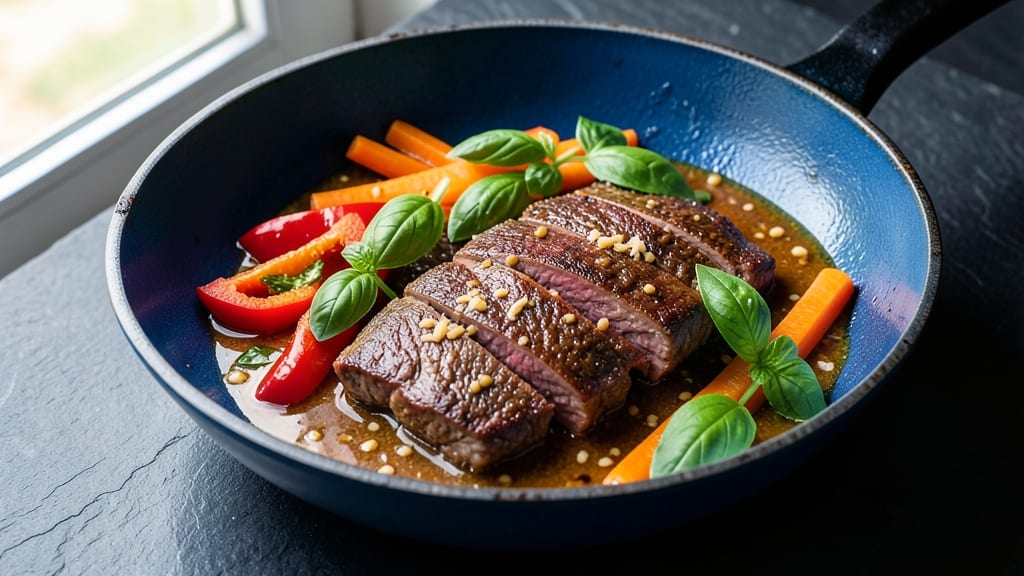
This basil beef stir fry recipe delivers restaurant-quality umami crunch in just 20 minutes—no takeout needed. The secret lies in thinly sliced beef that sears quickly over high heat, absorbing the bright, aromatic flavors of fresh basil, garlic, and soy.
I developed this version after years of testing stir-fry techniques, and it never fails to impress even picky eaters.
What makes this recipe stand out is the perfect balance of textures: tender beef with crisp edges, fresh basil that adds both flavor and visual appeal, and crunchy vegetables that hold up during the quick cook.
The sauce is simple but packed with depth—garlic, ginger, and a touch of honey create a sweet-savory glaze that coats every bite. This is the kind of dish that transforms a weeknight dinner into something special without requiring advanced skills.
By the time you plate it, you'll have a vibrant stir fry with perfectly cooked beef, bright green basil leaves peeking through, and a sauce that's sticky enough to hold everything together.
The aroma alone will have everyone at the table asking what's for dinner. Serve it over steamed jasmine rice or noodles for a complete meal that's ready in under half an hour.
This recipe scales beautifully—double the ingredients for a crowd or halve it for a light weeknight dinner. The technique is simple enough for beginners but delivers professional results. Let's get cooking!
Ingredients for basil beef stir fry
Restaurant-quality stir fry starts with these 14 ingredients—fresh, bold flavors that come together in minutes.
| Ingredient | Amount | Notes |
|---|---|---|
| Flank Steak 🥩 | 1 lb | Thinly sliced against grain |
| Fresh Basil Leaves 🌿 | 1 cup | Packed, stems removed |
| Carrots | 2 medium | Julienned or matchstick cut |
| Bell Peppers 🍆 | 1 whole | Red or yellow, sliced thin |
| Garlic Cloves 🧄 | 4 cloves | Minced or finely chopped |
| Fresh Ginger 🌿 | 1 tbsp | Grated finely |
| Soy Sauce 🍶 | ½ cup | Low-sodium preferred |
| Honey 🍯 | 1 tbsp | For sweet-savory balance |
| Sesame Oil 🫒 | 1 tbsp | For aroma, not cooking |
| Vegetable Oil 🫒 | 2 tbsp | High smoke point |
| Cornstarch 🌾 | 1 tbsp | For tenderizing beef |
| Salt 🧂 | 1 tsp | Kosher or sea salt |
| Black Pepper 🌶️ | ½ tsp | Freshly ground |
| Green Onions 🧅 | 3 whole | Sliced thin for garnish |
The beef is non-negotiable here. Flank steak delivers that perfect wok-tossed texture when sliced thin against the grain. Look for well-marbled cuts at Whole Foods or your local butcher—they'll slice it for you if you ask. Fresh basil is a must; the grocery store containers work, but farmers market basil has that extra brightness. Carrots and bell peppers should be firm and crisp—no rubbery ones. The red or yellow peppers add vibrant color that makes this dish pop on the plate. For ginger, grab a small knob and grate just what you need—pre-grated loses flavor fast.
No fresh basil? Dried basil at half the amount works in a pinch, but you'll notice the difference. Short on soy sauce? Coconut aminos are a great 1:1 swap. The honey adds that restaurant-quality sweetness—substitute maple syrup if you're avoiding it. Sesame oil is for aroma only; if you dislike its strong flavor, toasted sesame seeds work too. For the beef tenderizer, cornstarch is key—arrowroot powder is a good alternative. The green onions are just for garnish, so use whatever's freshest in your fridge. If you can't find flank steak, sirloin or ribeye sliced thin will work, but they're pricier.
Prep everything before cooking—this stir fry moves fast. The beef marinates best for 30 minutes in the cornstarch mix, but even 10 minutes helps. Store leftover beef in an airtight container for 3 days or freeze for 3 months. Fresh basil keeps for 5 days wrapped in damp paper towels. The sauce components (soy, honey, sesame oil) can be pre-mixed and stored for 1 week. Double the recipe? Just increase the rice portion—this stir fry serves 4 generously, but leftovers reheat beautifully with a splash of water.
Why You'll Love This Recipe
- Foolproof Slicing: I swear by the flank steak here—just slice it thin against the grain, and it practically melts in your mouth. No fancy knife skills needed; a sharp chef’s knife and 10 minutes of focus is all it takes.
- Garlic-Basil Magic: That bright, peppery punch from fresh basil and minced garlic? It’s the secret weapon. The basil softens just enough to release its aroma while keeping that fresh, herby kick—no dried spices can compete.
- Lunchbox Hero: Between us, this is my go-to for meal prep. Toss the stir-fry into containers with rice, and it stays fresh for days. My kids (and my lunchbox) never complain about leftovers—honestly, they ask for it more than my homemade spaghetti.
- Budget Steak Night: Flank steak is affordable, and a single pound feeds four easily. Pair it with cheap veggies (carrots and peppers last forever), and you’ve got a restaurant-quality dinner for half the price—no guilt, just satisfaction.
Step-by-step instructions for basil beef stir fry
Here's how to achieve restaurant-quality texture and flavor in minutes.
Tenderize the Flank Steak
Place the 1 lb flank steak between two sheets of plastic wrap. Using a meat mallet, pound it to an even ¼-inch thickness against the grain. This ensures even cooking and prevents chewiness. The meat should be completely flat with no thick spots remaining.
In a small bowl, combine 1 tbsp cornstarch, 1 tsp salt, and ½ tsp black pepper. Rub this mixture evenly over both sides of the steak. Let it sit for 10 minutes while you prep the vegetables. The cornstarch creates a tenderizing crust while the salt begins drawing out moisture for better browning.
Prep and Sauté Vegetables
Heat 2 tbsp vegetable oil in a wok or large skillet over medium-high heat until shimmering. Add the 2 medium carrots (julienned) and 1 whole bell pepper (sliced thin) and stir-fry for 3-4 minutes until they begin to soften but still retain their bright color. Overcooking will make them mushy.
Add the 4 cloves garlic cloves (minced) and 1 tbsp fresh ginger (grated) to the wok. Cook for 30 seconds until fragrant—this releases their aromatic oils. Immediately remove the vegetables with a slotted spoon and set aside. The residual heat will keep them warm while you cook the beef.
Cook the Beef to Perfect Doneness
Working in batches if needed, add the sliced flank steak to the same wok over high heat. Cook undisturbed for 1-2 minutes per side until the edges develop a deep golden-brown crust. The beef should be cooked to medium-rare (130-135°F internal temperature) for optimal tenderness. Overcooking will make it tough.
Remove the beef from the wok and transfer to a plate. Let it rest for 5 minutes while you prepare the sauce. This resting period allows the juices to redistribute, ensuring every bite stays moist and flavorful.
Create the Sweet-Savory Sauce
Return the wok to high heat and add 1 tbsp sesame oil. Pour in the ½ cup soy sauce and 1 tbsp honey, scraping up any browned bits from the bottom of the pan. These bits are packed with flavor—don't miss them. Simmer for 1-2 minutes until the sauce begins to thicken slightly.
Add the 1 cup fresh basil leaves (stems removed) and stir for 30 seconds until just wilted. The basil should brighten the sauce with its fresh aroma. Remove the wok from heat and stir in the cooked vegetables and beef. Toss everything together gently to coat evenly in the sauce.
Finish and Serve
Return the wok to low heat and let the beef and vegetables absorb the remaining sauce for 1-2 minutes. This ensures every bite is coated with that sweet-savory glaze. Taste and adjust seasoning if needed—you may want to add a splash more soy sauce or a touch of honey for balance.
Transfer the stir fry to serving plates and garnish with 3 whole green onions (sliced thin). Serve immediately over steamed jasmine rice or noodles. The beef should be tender with a slight chew, the vegetables crisp-tender, and the sauce perfectly balanced between sweet and umami. Enjoy while hot!
Pro Tips For Making Basil Beef Stir Fry
- Slice Steak Against Grain: Flank steak’s stubborn fibers need help breaking down—cut it thinly (about ¼-inch) and slice perpendicular to the grain. I used to ignore this and ended up with chewy bites that ruined the stir-fry’s tenderness. Trust me, the effort pays off when every forkful melts.
- Prep Basil Last: Basil wilts faster than you’d think, especially in hot oil. Chop it just before tossing into the pan—hold off until the very end when the beef and veggies are nearly done. I learned this after watching my once-vibrant leaves turn sad and limp mid-cook.
- High Heat First, Low Finish: Start with the pan screaming hot—flank steak needs a sear to lock in juices. Once the beef is browned (2-3 minutes), drop the heat to medium-low and keep stirring. Rushing the heat turns the stir-fry into a sad, greasy mess instead of a quick, flavorful bite.
- Carrots Need a Head Start: Toss carrots (cut into matchsticks) into the pan first—they take longer to soften than peppers or garlic. By the time the beef hits the pan, they’ll be tender without turning to mush. I used to add everything at once and ended up with crunchy carrots and overcooked peppers.
Health benefits of this dish
Lean Protein Power
This stir fry delivers high-quality protein from the flank steak—about 40 grams per serving—with all nine essential amino acids your body needs. The lean cut means you get muscle-building benefits without the saturated fat found in fattier beef cuts.
I've found that serving this with brown rice or quinoa turns it into a complete protein meal, perfect for muscle recovery or post-workout meals. 💪
Antioxidant-Rich Vegetables
The colorful veggies—carrots and bell peppers—pack serious antioxidant benefits. Carrots provide beta-carotene (which converts to vitamin A), while red bell peppers are loaded with vitamin C (more than oranges!). Together, they support immune function and skin health. I always keep a rainbow of peppers on hand to maximize these benefits.
Basil's Anti-Inflammatory Boost
Fresh basil isn't just for flavor—it contains eugenol, a compound with natural anti-inflammatory properties. The 1 cup of basil in this recipe provides about 10% of your daily vitamin K, which supports bone health and blood clotting.
I like to add extra basil to my stir fry because it makes the dish both healthier and more vibrant.
Heart-Healthy Fats
The sesame oil and vegetable oil used in this recipe contain monounsaturated fats, which are heart-healthy when used in moderation. Sesame oil also provides calcium and magnesium. I use high-quality oils like Avocado Brand or Organic Virgin Sesame Oil to ensure the best flavor and nutritional profile.
Blood Sugar Balance
The combination of protein, fiber-rich vegetables, and a touch of honey creates a meal that helps stabilize blood sugar. The 1 tbsp honey adds natural sweetness while the soy sauce provides umami without spiking blood sugar.
This makes it a great option for those monitoring their carbohydrate intake or managing diabetes.
Digestive Benefits
The ginger in this recipe aids digestion by stimulating saliva and gastric juices. Just 1 tbsp of fresh ginger contains about 10% of your daily vitamin B6, which helps metabolize proteins and fats.
I've noticed that adding ginger to my stir fry helps prevent that post-meal sluggishness I sometimes feel after heavy meals. 🌿
Nutrition facts
Frequently asked questions
Can I substitute flank steak with another beef cut?
Yes, but choose carefully! Sirloin or ribeye work well if sliced thin against the grain, but they're pricier. Skirt steak is another great option with similar texture. Avoid tougher cuts like chuck—they won't tenderize properly in this quick cook time. For budget-friendly versions, try ground beef (85% lean), but increase the cornstarch to 2 tbsp for better texture.
Why does my beef turn out chewy instead of tender?
This usually happens when the beef isn't sliced thin enough or cooked at the wrong temperature. Always slice ¼-inch thick against the grain and cook over high heat for just 1-2 minutes per side. Overcrowding the pan also causes steaming instead of searing. For extra insurance, marinate the beef in the cornstarch mix for 30 minutes before cooking.
Can I make this recipe without fresh basil?
Use ½ cup dried basil instead, but you'll notice a more muted flavor. For better results, try cilantro or Thai basil if available—they add different but complementary aromas. If you're avoiding herbs entirely, increase the garlic and ginger to 5 cloves and 1.5 tbsp respectively for extra depth.
How do I prevent the sauce from being too salty?
Use low-sodium soy sauce if possible, or reduce the amount to ¼ cup and add extra honey (1.5 tbsp) for balance. If your sauce is already too salty, stir in 1 tsp honey or 1 tbsp rice vinegar to mellow the flavor. Taste as you go—it's easier to adjust early in the cooking process than after everything's combined.
Can I prep this stir fry ahead of time?
Yes! Prep all ingredients the night before: slice beef, chop vegetables, and mix the sauce components. Store them separately in airtight containers. Cook the beef fresh when ready—it's best served immediately after stir-frying. The vegetables can be pre-cooked and refrigerated for 2 days, then reheated gently before combining with the beef. The sauce keeps well for 5 days in the fridge.