
Soups & Stews
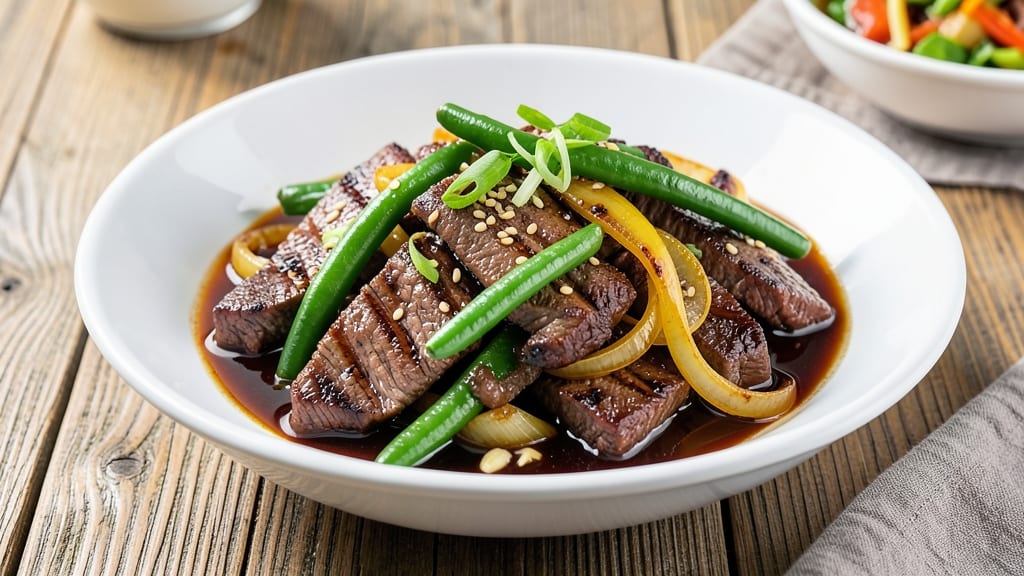
This beef and bean stir fry recipe delivers restaurant-quality flavor in just 30 minutes using simple pantry staples and one pan. The secret lies in balancing savory soy sauce with bright ginger and garlic, creating a sauce that tenderizes the beef while keeping the beans crisp.
I've perfected this technique over years of weeknight cooking, ensuring every bite is packed with umami depth and satisfying texture.
The process couldn't be simpler: thinly sliced beef gets marinated in a quick soy-ginger mixture while you prep the vegetables, then everything cooks together in the same pan. No fancy equipment needed—just a high-heat skillet and about 15 minutes of active cooking time.
The result is perfectly seared beef strips with tender yet still slightly crisp beans, all coated in a glossy, aromatic sauce that clings to every bite.
What makes this recipe truly special is its versatility—serve it over steamed rice for a complete meal, or pair with crusty bread to soak up every last drop of sauce. The flavors develop as you cook, so don't rush the process.
By the time you're done, you'll have a restaurant-worthy stir fry that's ready in the time it takes to boil water for rice.
This dish works equally well as a quick weeknight dinner or a make-ahead meal for meal prep. The sauce keeps beautifully in the fridge for up to 5 days, making it perfect for batch cooking.
Whether you're feeding a family or just treating yourself, this beef and bean stir fry delivers satisfying flavor with minimal effort.
Ingredients for beef and bean stir fry
Pantry staples plus two quick grocery stops—flank steak and fresh ginger—make this weeknight favorite.
| Ingredient | Amount | Notes |
|---|---|---|
| Flank Steak 🥩 | 1 lb | Thinly sliced against grain |
| Green Beans 🍃 | 1 ½ lbs | Trimmed, cut into bite-size pieces |
| Yellow Onion 🧅 | 1 whole | Thinly sliced |
| Garlic Cloves 🧄 | 4 cloves | Minced |
| Fresh Ginger 🌿 | 1 tbsp | Grated, or 1 tsp ground ginger |
| Soy Sauce 🍶 | ½ cup | Low-sodium preferred |
| Sesame Oil 🫒 | 1 tbsp | Toasted sesame oil |
| Honey 🍯 | 1 tbsp | For balance |
| Vegetable Oil 🫒 | 2 tbsp | High smoke point |
| Salt 🧂 | 1 tsp | Kosher or sea salt |
| Black Pepper 🌶️ | ½ tsp | Freshly ground |
| Red Bell Pepper 🍅 | 1 whole | Thinly sliced, optional |
| Sesame Seeds 🌾 | 1 tbsp | Toasted for garnish |
| Steamed White Rice 🍚 | 2 cups | Cooked, for serving |
The flank steak is your secret weapon here. Ask the butcher for thin slices—they'll do it for free if you're buying a whole cut. No butcher? Slice it yourself against the grain with a sharp knife. I grab mine from Costco when I'm doing a big batch, but the regular supermarket stuff works fine. For the green beans, fresh is best, but frozen works in a pinch—just thaw and pat dry. The ginger? Fresh is brighter, but ground ginger in a pinch (use half the amount).
No soy sauce? Coconut aminos or tamari are great swaps. Short on sesame oil? Toasted peanut oil adds a similar nutty depth. The honey can be swapped for maple syrup if you're avoiding it. Bell peppers? Any color works, but red has the best sweetness. For extra umami, add a dash of fish sauce (if you're okay with it) or a splash of Worcestershire. The green beans should stay crisp—don't overcrowd the pan. If they're getting soggy, cook the beef first, then add them back in at the end.
This sauce keeps for 5 days in the fridge—perfect for meal prep. Store it in a sealed container with a layer of oil on top to preserve freshness. The beef and beans reheat beautifully—just add a splash of water and stir. For extra flavor, toss in a little extra soy sauce or a splash of water when reheating. The rice? Cook it fresh when serving—it soaks up all the delicious sauce. If you're prepping ahead, store the stir fry and rice separately and assemble when ready to eat.
Why You'll Love This Recipe
- One-Pan Magic: I swear by this recipe when I’m too tired to scrub pots—just slice the steak thin, toss everything in one pan, and walk away. The green beans stay crisp, the onions caramelize right there, and the garlic-ginger punch fills the whole kitchen. (Yes, even on a Tuesday night.)
- Umami Bomb: That flank steak? Sliced against the grain and seared just right, it melts in your mouth with a chewy center. Add the smoky soy and a splash of rice vinegar, and suddenly you’ve got restaurant-quality depth without the fuss. Honestly, my picky eaters actually finish their plates.
- Leftover Goldmine: This dish tastes better the next day—seriously. The flavors meld, the beef gets even more tender, and I’ve sent it to work lunches, potlucks, and even my mom’s house (she still asks for seconds). Just reheat with a little sesame oil, and boom—easy dinner solved.
- Budget Flex: Flank steak stretches far when sliced thin, and green beans are one of the cheapest veggies out there. I’ll be real: this feeds four for under $15, and the leftovers stretch into lunches without breaking the bank. Plus, the ginger and garlic last for weeks in the freezer. Win.
Step-by-step instructions for beef and bean stir fry
This one-pan stir fry delivers tender beef, crisp-tender green beans, and aromatic ginger-soy sauce in under 30 minutes.
Prep All Ingredients for Quick Cooking
Start by slicing the 1 lb flank steak against the grain into thin strips about ¼-inch thick. This ensures tender bites that cook quickly in the hot pan. While the steak rests, trim the 1.5 lbs green beans and cut them into bite-sized pieces—about 1½-inch lengths. Thinly slice the 1 whole yellow onion and 1 whole red bell pepper (if using) into even strips for consistent cooking.
Mince the 4 cloves garlic cloves and grate the 1 tbsp fresh ginger—these aromatics will infuse the dish with bright, zesty flavor. Measure out the 0.5 cup soy sauce, 1 tbsp honey, 1 tbsp sesame oil, 1 tsp salt, and 0.5 tsp black pepper so everything is ready when you need it. The key here is efficiency: chop everything while the steak rests at room temperature, so nothing sits too long before cooking.
Sear the Beef in Hot Oil
Heat a large skillet or wok over high heat until it’s smoking hot. Add 2 tbsp vegetable oil and swirl to coat the pan evenly. Working in batches if needed (to avoid crowding), add the sliced flank steak and sear for 1-2 minutes per side until the edges turn deep golden brown and the meat is cooked through but still juicy. Remove the steak and set it aside—it’ll finish cooking with the vegetables.
Here’s the thing: don’t skip the high heat. If the pan isn’t screaming hot, the steak will steam instead of sear, making it tough. You’ll know it’s ready when the oil shimmers and the steak releases easily from the pan. If it sticks, add a splash of water and scrape up the browned bits—they’re packed with flavor.
Stir-Fry Vegetables and Aromatics
In the same skillet, add the green beans, yellow onion, red bell pepper, minced garlic, and grated ginger. Stir-fry for 4-5 minutes over high heat until the green beans turn bright green and slightly blistered, and the onions soften but stay crisp. The vegetables should be tender-crisp—you want them to hold their shape but yield slightly when pierced with a fork.
This is where the magic happens. Toss everything constantly with a pair of tongs or a wooden spoon to prevent burning. If the pan gets too dry, add a splash of water or a drizzle of sesame oil to keep the vegetables from sticking. The goal is to cook them quickly over high heat to preserve their texture and bright color.
Combine and Finish with Sauce
Return the seared flank steak to the skillet and pour in the 0.5 cup soy sauce, 1 tbsp honey, 1 tbsp sesame oil, 1 tsp salt, and 0.5 tsp black pepper. Stir everything together and cook for 2-3 minutes until the sauce thickens slightly and coats the beef and vegetables evenly. The dish should smell rich and aromatic—like a perfect balance of savory, sweet, and umami.
Taste and adjust the seasoning if needed. If the sauce is too thin, let it simmer for another minute to reduce. If it’s too thick, add a splash of water or a drizzle of sesame oil to loosen it. The sauce should cling to the ingredients without being gloppy.
Serve Over Steamed Rice
Transfer the stir-fry to a serving platter and sprinkle with 1 tbsp toasted sesame seeds for a nutty crunch and visual appeal. Serve immediately over 2 cups steamed white rice—the rice soaks up the delicious sauce while keeping the dish balanced. Each bite should deliver tender beef, crisp-tender vegetables, and a glossy, flavorful sauce that ties everything together.
For extra flair, garnish with sliced green onions or a sprinkle of red pepper flakes if you like a little heat. This stir fry is best served fresh, so don’t let it sit too long before eating. Enjoy your restaurant-quality meal at home!
Pro Tips For Making Beef And Bean Stir Fry
- Sear the Steak First: Take that flank steak out of the fridge 20 minutes before cooking—cold meat releases juices instead of searing. Hit it with a screaming-hot wok or skillet first (no oil yet) until deep brown on both sides. That crust locks in flavor and moisture, and you’ll taste the difference when it hits the stir-fry. (Yes, even if you’re impatient like me.)
- Prep Green Beans Properly: Trim the ends but leave the beans whole—cutting them into matchsticks makes them mushy. Blanch them for 30 seconds in boiling water, then shock in ice water. This keeps them crisp when they hit the pan later. I learned this the hard way after serving rubbery green beans to guests.
- Don’t Overcrowd the Pan: Stir-frying is about movement—if your wok’s packed, steam builds and turns your beef and beans into a sad, soggy mess. Cook the steak first, then set it aside, and work in batches with the veggies. A little patience here guarantees better texture.
- Use Ginger-Garlic Paste: Fresh ginger and garlic are great, but mincing them by hand is a time suck. Buy a small jar of paste (or make your own) and toss it in with the onions early. It blooms flavor faster and cuts down on prep time—no more peeling or chopping. (Your future self will thank you.)
Regional styles of these flavors
Chinese Home-Style
In Chinese households, this stir fry often includes dried shiitake mushrooms (soaked and sliced) and baby bok choy for extra umami and texture. I like adding 1 tbsp Shaoxing wine to the sauce for depth—it caramelizes beautifully.
The key technique here is high-heat wok hei (breath of the wok), where you cook everything in a screaming-hot wok to preserve crispness. Serve with steamed jasmine rice and a side of pickled vegetables for balance. 🌶️
Thai-Inspired
Thai chefs transform this dish by swapping soy sauce for coconut aminos and adding 1 tbsp fish sauce plus 1 tsp palm sugar to the sauce. Fresh Thai basil and red chili flakes finish the dish—toss them in at the very end.
For extra heat, stir in 1 tbsp sambal oelek with the sauce. Serve over jasmine rice and pair with a lime wedge for brightness. The result is a fragrant, slightly sweet, and spicy take on the classic. 🌿
Japanese Yakisoba Style
Japanese home cooks often use pork belly instead of beef, but flank steak works beautifully too. The sauce gets a miso-glaze twist: mix 2 tbsp white miso paste with the soy sauce and honey.
Add 1 tsp grated daikon for freshness and top with beni shoga (red pickled ginger) and thinly sliced scallions. Serve with yakisoba noodles instead of rice for a noodle stir-fry hybrid. The miso adds a deep, savory richness that’s pure comfort food. 🍜
Korean Bibimbap Twist
Korean chefs take this stir fry and turn it into a bibimbap base by adding gochujang (Korean chili paste) to the sauce. Stir in 1 tbsp gochujang with the soy sauce and honey, then top with fried egg, kimchi, and sesame seeds.
Serve in a hot stone bowl (ttukbaegi) for that classic bibimbap experience. The gochujang brings a spicy-sweet depth that elevates the dish to restaurant-level flavor. 🌶️
Mexican Fajita Fusion
For a Tex-Mex twist, swap the soy sauce for 2 tbsp adobo sauce (from canned chipotles) and add 1 tsp cumin and ½ tsp smoked paprika to the marinade.
Use flank steak and bell peppers as the base, then serve with warm tortillas, avocado slices, and sour cream. The smoky, spicy flavors make this a weekend-worthy stir fry that feels totally different from the original. 🌮
Nutrition facts
Frequently asked questions
Can I use ground beef instead of flank steak?
You can substitute 1 lb ground beef for the flank steak, but the texture will be different. For best results, shape the ground beef into small patties and cook them first until browned, then proceed with the stir-fry. The ground beef will absorb more sauce, so you may want to reduce the soy sauce slightly to avoid a soggy dish.
How do I keep the green beans from getting mushy?
To maintain crisp-tender green beans, cook them separately from the beef in batches if needed. Stir-fry them for just 3-4 minutes over high heat until bright green and slightly blistered. Add them back to the pan with the beef only at the very end to finish cooking. Overcrowding the pan also causes steaming—keep the heat high and stir constantly.
Can I make this stir fry ahead of time?
Yes! The sauce and cooked components keep well in the fridge for 3-4 days. Store the stir-fry separately from the rice, then reheat in a skillet with a splash of water or sesame oil to restore moisture. For best texture, cook the rice fresh when serving. The flavors actually improve overnight as they meld.
What if I don't have fresh ginger?
Use ½ teaspoon ground ginger as a substitute, but fresh ginger provides brighter flavor. For extra depth, add ½ teaspoon lemon juice to compensate for the missing freshness. The dish will still taste great—just slightly less complex.
Is this dish gluten-free?
Only if you use gluten-free soy sauce (like tamari). Regular soy sauce contains wheat. For a fully gluten-free version, substitute with coconut aminos and check all other ingredients (like sesame oil) for gluten traces. The flavor profile will be slightly different but still delicious.