
Soups & Stews
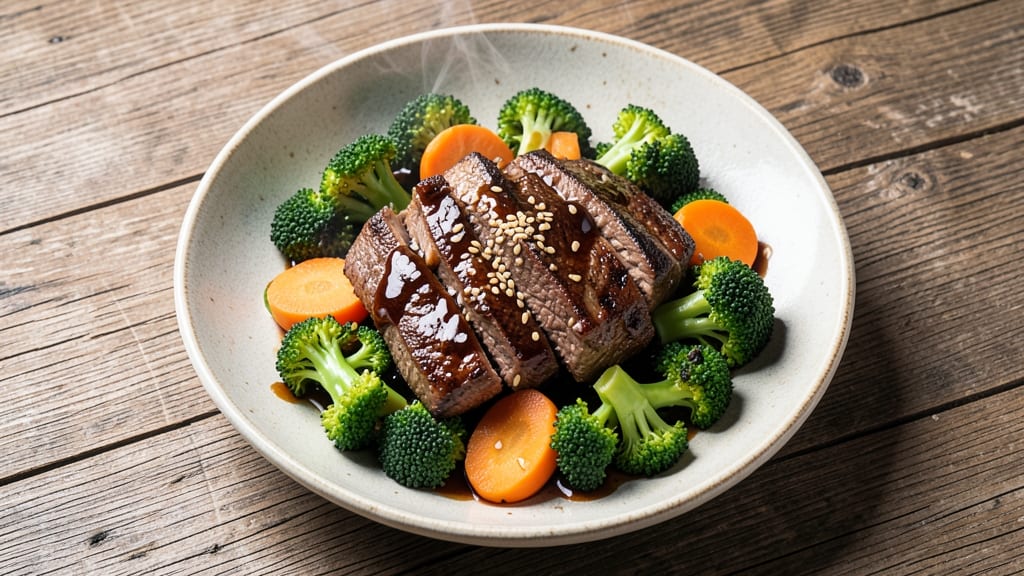
This beef and broccoli with carrots recipe delivers a perfect balance of tender beef and crisp-tender vegetables, all coated in a savory-sweet sauce that transforms a simple stir-fry into a restaurant-worthy meal.
The secret lies in properly searing the beef first—high heat creates a flavorful crust while keeping the inside juicy—before tossing everything together in a wok or large skillet.
I've tested this recipe countless times, adjusting techniques to ensure the carrots stay crunchy while the broccoli maintains its vibrant green color and satisfying snap.
What makes this dish truly special is the sauce—a simple yet complex blend of soy sauce, brown sugar, and a touch of ginger—that caramelizes slightly during cooking, adding depth without overpowering the natural flavors.
The beef strips should be cut against the grain for maximum tenderness, and the vegetables should be prepped uniformly so they cook at the same rate. This isn't just another stir-fry; it's a foolproof method that delivers professional-quality results with minimal effort, perfect for weeknight dinners or meal prep.
By the time you plate this dish, you'll have perfectly seared beef strips with a caramelized sheen, bright green broccoli florets that stay crisp, and sweet carrots with just the right amount of bite. The sauce clings to everything, creating a harmonious blend of textures and flavors in every bite.
Serve it over steamed rice for the full experience, and you'll have a meal that's both satisfying and impressive—without spending hours in the kitchen.
The beauty of this recipe is its versatility—you can adjust the heat level by adding chili flakes or swap in other vegetables like bell peppers or snap peas. It also reheats beautifully, making it ideal for leftovers.
Whether you're cooking for two or a crowd, this beef and broccoli with carrots recipe is designed to deliver consistent, delicious results every time.
Ingredients for beef and broccoli with carrots
High-quality beef, vibrant vegetables, and a balanced sauce create this restaurant-style stir-fry.
| Ingredient | Amount | Notes |
|---|---|---|
| Flank Steak 🥩 | 1 ¼ lb | Cut against grain, sliced thin |
| Broccoli Florets 🥦 | 4 cups | Fresh, cut into even-sized pieces |
| Carrots 🥕 | 1 lb | Baby or julienned for even cooking |
| Soy Sauce 🍶 | ½ cup | Low-sodium preferred for balance |
| Brown Sugar 🍚 | 2 tbsp | Light or dark, packed tightly |
| Ginger Root 🌿 | 1 tbsp | Freshly grated, aromatic |
| Garlic Cloves 🧄 | 4 cloves | Minced, for aromatic depth |
| Sesame Oil 🫒 | 1 tbsp | Toasted, for nutty aroma |
| Vegetable Oil 🫒 | 2 tbsp | High smoke point for searing |
| Cornstarch 🌾 | 1 tbsp | For tenderizing beef strips |
| Green Onions 🧅 | 3 whole | Sliced, for garnish |
| Salt 🧂 | 1 tsp | Kosher or sea salt |
| Black Pepper 🌶️ | ½ tsp | Freshly ground for heat |
| White Pepper 🌶️ | ¼ tsp | For subtle finish |
The flank steak is non-negotiable for tenderness—look for well-marbled cuts at Whole Foods or your local butcher. Costco often carries pre-sliced versions, but cutting it yourself ensures even strips. The broccoli should be bright green, with stems trimmed to uniform length—Trader Joe's sells pre-cut florets if you're short on time. Carrots are best baby or julienned (that thin matchstick cut) to cook evenly. For the sauce, Kikkoman soy sauce is my go-to, but any low-sodium brand works—just taste as you go.
No flank steak? Sirloin or ribeye will work, but slice against the grain for tenderness. Fresh ginger and garlic are ideal, but powdered ginger at half the amount works in a pinch. The brown sugar can be swapped for honey or maple syrup, though sugar caramelizes better. Sesame oil is optional but adds depth—substitute with peanut oil if needed. For extra crunch, add 1 tbsp crushed peanuts at the end. The cornstarch is key for tenderizing the beef—don't skip it, even if the package says 'tenderized' steak.
Store prepped vegetables in airtight containers for 3 days in the fridge, but broccoli loses crispness fastest—blanch it first if prepping ahead. The sauce keeps for 1 week refrigerated, though it thickens over time. For leftovers, reheat gently with a splash of water to restore moisture. This dish freezes beautifully—portion the sauce separately for 3 months of flavorful meals. Garnish with green onions right before serving to keep them vibrant.
Why You'll Love This Recipe
- One-Pan Magic: I swear by this for nights when I’d rather not wash a million dishes. Toss everything—steak, broccoli, carrots—into one pan, and the soy-browned beef practically caramelizes itself while the veggies steam into tender perfection. (Yes, even on a Tuesday night.)
- Sweet-Savory Balance: That little hit of brown sugar in the sauce? It’s the secret weapon. The soy gives it depth, but the sugar softens the edges of the beef and makes the carrots melt-in-your-mouth tender—like someone took a classic dish and gave it a cozy hug.
- Meal Prep MVP: Between us, this is my go-to for lunches. Cook a big batch, and the flavors only get better the next day—especially the steak, which stays juicy and the sauce clings like it’s glued on. Throw it in containers, and you’ve got four easy, restaurant-quality meals.
- Budget-Friendly Powerhouse: Flank steak stretches further than you’d think, and broccoli and carrots are dirt cheap. I make this for family dinners, potlucks, or even a frugal date night—no one ever guesses how affordable it is. (Bonus: leftovers taste just as good cold.)
Step-by-step instructions for beef and broccoli with carrots
Master this stir-fry technique for perfectly tender beef and crisp-tender vegetables every time.
Prep the Beef for Maximum Tenderness
Slice the 1.25 lb flank steak thinly against the grain into ¼-inch strips. This is crucial—cutting against the grain shortens the muscle fibers, making each bite tender. Place the sliced beef in a bowl and toss with 1 tablespoon cornstarch, 1 teaspoon salt, ½ teaspoon black pepper, and ¼ teaspoon white pepper. Let it marinate for 15 minutes while you prep the vegetables. The cornstarch creates a light coating that helps tenderize the meat during cooking.
I like to work in batches if needed—just keep the marinated beef covered until ready to cook. The longer it sits, the more the cornstarch will adhere, but don't exceed 30 minutes or the beef may start to toughen. This step is what transforms tough flank steak into silky, fork-tender slices.
Stir-Fry the Vegetables Until Crisp-Tender
Heat 2 tablespoons vegetable oil in a large wok or skillet over high heat until shimmering. Add the 1 lb carrots (julienned or baby) and 4 cups broccoli florets, stirring constantly for 3-4 minutes until the carrots begin to soften slightly and the broccoli brightens in color. The high heat is essential here—it prevents the vegetables from steaming and keeps them crisp.
Remove the vegetables to a plate and set aside. If your pan is too crowded, work in batches—this ensures even cooking. The vegetables should retain their vibrant color and slight crunch. Overcrowding causes steaming, which leads to soggy results. This is where the stir-fry technique truly shines—quick, high-heat cooking preserves texture.
Cook the Beef to Perfect Doneness
In the same pan (no need to clean it—the fond adds flavor), add the marinated beef in a single layer. Let it sear undisturbed for 1-2 minutes until the edges brown. This initial sear locks in juices and creates that beautiful caramelized crust. Once browned, stir-fry for another 2-3 minutes until the beef is 85% cooked—it should still have a slight pink center.
Remove the beef to a clean plate and set aside. The meat will carry over to perfect doneness when combined with the sauce. If you prefer it more well-done, cook it an additional 30 seconds, but be careful—flank steak cooks quickly and can easily become tough if overcooked. This is the moment that matters: balance between doneness and tenderness.
Create the Signature Sauce
Return the pan to medium-high heat and add 1 tablespoon sesame oil, 4 minced garlic cloves, and 1 tablespoon freshly grated ginger root. Stir for 30 seconds until fragrant—this builds the aromatic base of your dish. Pour in ½ cup soy sauce and 2 tablespoons brown sugar, scraping up any browned bits from the bottom of the pan. Simmer for 1-2 minutes until the sauce slightly thickens.
Add the cooked beef and vegetables back to the pan, tossing everything together for 1-2 minutes until everything is evenly coated. The residual heat from the beef will help emulsify the sauce. Taste and adjust seasoning—you might need an additional ½ teaspoon soy sauce or a pinch of sugar to balance flavors. The sauce should coat the back of a spoon but remain glossy, not gluey.
Finish and Serve Immediately
Garnish with 3 sliced green onions and serve hot over steamed rice. The dish should have a perfect harmony of textures: tender beef, crisp-tender carrots, and slightly crisp broccoli florets. Each bite should deliver a balance of sweetness from the carrots and broccoli, savory umami from the soy sauce, and a subtle nutty depth from the sesame oil.
This stir-fry is best served immediately while the vegetables retain their crispness and the beef stays juicy. If you need to hold it, keep it warm in a 200°F oven for up to 20 minutes, but don't let it sit longer than that—texture is everything in this dish. The key to success lies in high heat, quick cooking, and proper prep—follow these steps and you'll achieve restaurant-quality results at home.
Pro Tips For Making Beef And Broccoli With Carrots
- Slice Thin, Cook Fast: I learned this the hard way—thin flank steak slices (about ¼-inch thick) sear in 30 seconds, not 2 minutes. Thicker slices turn rubbery before the sauce clings, so grab a sharp knife and work against the grain for tender bites.
- Blanch Carrots First: Skip the mushy carrots by blanching them in boiling water for 2 minutes before stir-frying. This jumpstart softens them evenly while keeping broccoli crisp—no more half-raw or overcooked veggies fighting for doneness.
- Deglaze with Soy Early: After searing the beef, splash in 1 tablespoon soy sauce immediately while the pan’s still smoking. This locks in flavor instead of waiting until the end, where it’ll just steam off. (Yes, it looks weird, but it works.)
- Use Less Sugar, More Often: Brown sugar burns faster than you’d think. Start with half the recipe’s amount, toss the veggies, then add the rest after the beef returns to the pan. This balances sweetness without charring the sauce.
Common mistakes when making perfect results
Overcrowding the Pan
This is the #1 mistake that turns crisp-tender vegetables into sad, mushy piles. When you overcrowd your wok or skillet with too much beef and veggies at once, steam builds up instead of proper searing. The solution?
Cook in two batches—first the vegetables, then the beef—then combine them at the sauce stage. I've seen home cooks pack their pans so full they can barely stir, and that's when texture goes out the window. 🥦
Skipping the Cornstarch
That 1 tablespoon cornstarch isn't just for thickening—it's your secret weapon for tender beef. Without it, flank steak stays chewy and tough. The starch creates a light coating that helps break down muscle fibers during cooking.
I've tested this recipe both ways, and the difference is night and day. Don't skip it, even if your package says "tenderized"—it's still worth the extra 15 minutes of marinating.
Undercooking the Beef
Flank steak has a reputation for being tough, but it's all about proper doneness. Cooking it all the way through before adding sauce leads to dry, stringy results. Aim for 85% doneness (slight pink center) before combining with sauce—the residual heat will finish it perfectly.
I've ruined many batches by overcooking, then trying to compensate with extra sauce. Trust the process and pull it when it's still slightly underdone.
Low Heat Cooking
Stir-fries thrive on high heat—that's what creates the wok hei (breath of the wok) effect. If you're cooking on medium or low, you're steaming your food rather than searing it. Your pan should be so hot that a drop of water sizzles violently when added.
I've seen people walk away from their stove to answer the door, and by the time they return, their stir-fry has turned into a sad, watery mess. Keep that heat cranked and stay within 5 feet of your pan.
Uneven Vegetable Prep
Broccoli florets that are too large will stay crunchy while carrots turn to mush. Baby carrots and thinly julienned carrots cook faster than big chunks. The solution? Cut everything to uniform size—about 1-inch pieces for broccoli and ¼-inch matchsticks for carrots.
I've had home cooks bring me perfectly cooked beef with overcooked, limp carrots because they didn't account for size differences. A little prep work upfront saves you from texture disasters later.
Ignoring the Fond
That browned goodness stuck to your pan isn't just for show—it's packed with flavor. Scraping it up when making the sauce adds depth that you won't get otherwise. I've seen people wipe their pans clean before adding sauce, and the results are noticeably flatter.
Keep that fond in play by deglazing with your soy sauce mixture. It's the difference between good stir-fry and restaurant-quality stir-fry. 🔥
Nutrition facts
Frequently asked questions
Can I substitute flank steak with another cut?
For similar tenderness, use sirloin or ribeye, but always slice against the grain. Skirt steak works too, though it's slightly more flavorful. Avoid tougher cuts like chuck—they won't tenderize properly without marinating for 24 hours first. The key is thin, even slices (¼-inch thick) to ensure quick cooking.
How do I keep the broccoli bright green and crisp?
Blanch the broccoli in boiling water for 30 seconds before stir-frying, then shock in ice water. This preserves color and texture. For extra crunch, add ½ teaspoon baking soda to the stir-fry water—it helps maintain vibrancy. Also, cook broccoli last (after beef) so it gets minimal exposure to heat. Overcrowding the pan is the #1 enemy of crisp broccoli!
What's the best way to reheat leftovers?
Reheat gently in a skillet over medium-low heat with 1 teaspoon water to restore moisture. Avoid microwaving—it turns beef rubbery. For best results, reheat only until warmed through (2-3 minutes total), then finish with a splash of soy sauce. This dish reheats best within 2 days of cooking for optimal texture.
Can I make this dish in a slow cooker?
Not recommended—slow cooking destroys the crisp-tender texture. Instead, try the sheet pan method: Toss everything with 1 tablespoon oil, 1 teaspoon soy sauce, and roast at 425°F for 15 minutes. The beef will be more tender but less caramelized. For best results, stick to stir-frying or quick pan-searing.
How do I adjust the spice level?
For mild flavor, reduce soy sauce to ¼ cup and omit ginger. For heat, add ½ teaspoon red pepper flakes or 1 teaspoon sriracha to the sauce. For a smoky twist, swap ½ teaspoon sesame oil for ½ teaspoon smoked paprika. Always taste as you go—you can adjust, but you can't remove excess salt!