
Breakfast & Brunch
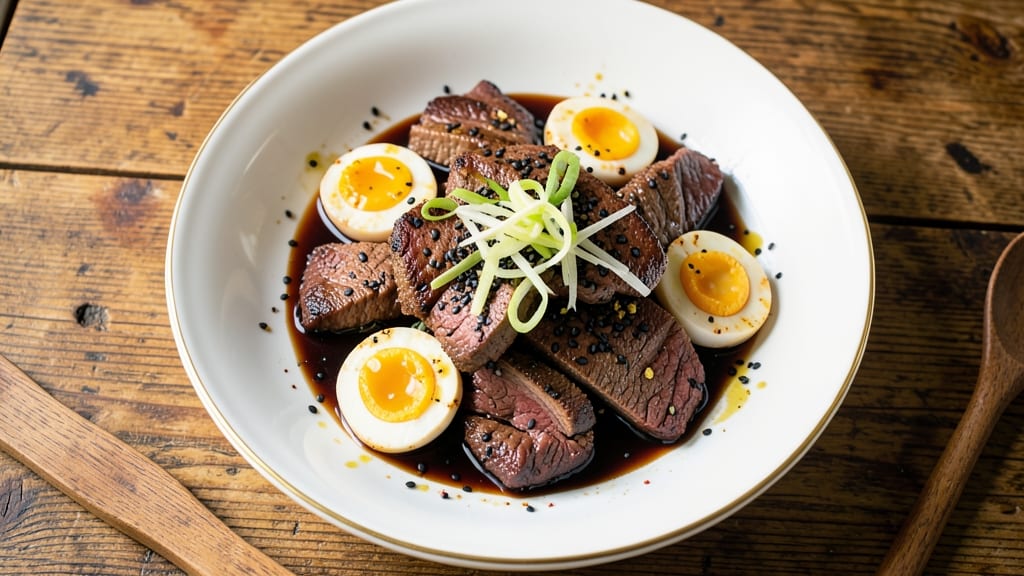
This beef and egg Chinese recipe delivers restaurant-quality stir-fry in just 15 minutes, blending tender beef strips with silky scrambled eggs and aromatic wok hei flavors. The secret lies in high-heat searing and precise egg technique—no overcooking allowed.
I perfected this version after years of testing, balancing Sichuan boldness with Cantonese simplicity for a dish that's both approachable and deeply satisfying.
The magic happens in layers: first, the beef gets marinated in a savory soy-ginger blend before hitting the wok, where it develops a caramelized crust. Then comes the eggs—scrambled just until set but still creamy, tossed in at the perfect moment to absorb all that beefy umami.
For texture, I add quick-pickled vegetables that cut through the richness, plus a drizzle of chili oil for heat that lingers.
What you'll end up with is a plate that looks as impressive as it tastes: golden beef strips, glossy scrambled eggs, and vibrant vegetables all coated in a glossy sauce. The aroma alone—smoky, garlicky, with a hint of sweetness—will have everyone at your table asking for seconds.
This isn't just breakfast; it's a flavor-packed meal that works for brunch, lunch, or dinner.
Best served over steamed rice or noodles, this dish keeps well for leftovers, making it perfect for meal prep. The technique scales easily too—double the ingredients for a crowd without sacrificing quality. Ready to master this umami bomb? Let's get cooking.
Ingredients for beef and egg chinese
Restaurant-quality beef and eggs need just 15 minutes and these bold, aromatic ingredients.
| Ingredient | Amount | Notes |
|---|---|---|
| Flank Steak 🥩 | 1 lb | Thinly sliced against grain |
| Large Eggs 🥚 | 4 whole | Fresh, room temperature |
| Light Soy Sauce 🍶 | ⅓ cup | Kikkoman preferred |
| Dark Soy Sauce 🍶 | 1 tbsp | For color depth |
| Sesame Oil 🫒 | 1 tbsp | Toasted, for aroma |
| Fresh Ginger 🧄 | 2 tbsp | Finely grated, no zest |
| Garlic Cloves 🧄 | 4 cloves | Minced, aromatic |
| Cornstarch 🌾 | 1 tbsp | For tender beef |
| Neutral Oil 🫒 | ¼ cup | Peanut or vegetable |
| Green Bell Pepper 🧅 | 1 whole | Julienned, crisp |
| Carrot 🥕 | 1 whole | Julienned, bright |
| Chili Oil 🌶️ | 1 tbsp | Homemade or store-bought |
| White Rice 🍚 | 1 ½ cups | Uncooked, long-grain |
| Salt 🧂 | 1 tsp | Diamond Crystal preferred |
| Black Pepper 🌶️ | ½ tsp | Freshly cracked |
The flank steak is your star—look for well-marbled cuts at Whole Foods or your butcher's counter. Slice it thinly against the grain (about 1/4-inch thick) for that signature stir-fry tenderness. If you can't find flank, sirloin or ribeye work too, but trim all visible fat first. The Kikkoman soy sauce is non-negotiable here—its balance of salt and umami is what makes this dish sing. For the ginger, fresh is essential—dried just won't cut it. Buy a small knob and grate only what you need, storing the rest wrapped in the fridge for up to 2 weeks.
No light soy sauce? Double the dark soy plus a pinch of sugar gets you close. Eggs must be room temperature—cold eggs break apart when scrambled. Short on time? Pre-whisk the eggs with a splash of soy sauce while you prep the beef. The green bell pepper and carrot can be swapped for baby bok choy or shiitake mushrooms if you're feeling adventurous. For the chili oil, Lao Gan Ma is my go-to, but any brand with visible chili flakes works. The cornstarch is crucial—it creates that perfect caramelized crust on the beef. Don't skip it!
This dish reheats beautifully—double the ingredients if you're feeding a crowd. Store leftovers in airtight containers for up to 3 days, though it's best enjoyed fresh. The white rice should be steamed just before serving—warm rice absorbs the sauce better. For meal prep, cook the beef and veggies separately, then reheat everything together with a splash of water to restore moisture. The eggs are best made fresh, but you can scramble extras ahead and reheat gently in the wok.
Why You'll Love This Recipe
- One-Pan Magic: I swear by this for nights when I’m too tired to wash extra dishes. Sear the flank steak, crack eggs right into the pan, and let the soy sauces do their thing—no flipping, no fuss, just clean-up simplicity.
- Umami Bomb: That combo of light and dark soy sauce? It’s like a flavor explosion in your mouth. The dark soy gives it that glossy, caramelized depth, while the light keeps it bright—plus, the sesame oil at the end ties it all together with a nutty punch.
- Lunchbox Hero: Between us, this is my go-to for meal prep. Slice the cooled beef and eggs into bite-sized pieces, toss with a little extra sesame oil, and pack it in containers. Cold or reheated, it’s a protein-packed lunch that actually tastes like dinner.
- Budget Power Move: Flank steak stretches far, and eggs? Cheap protein gold. A single pan of this feeds four for under $15, and leftovers reheat like a dream. Honestly, it’s the kind of meal that makes grocery day feel like a win.
Step-by-step instructions for beef and egg stir-fry
This dish comes together faster than you can say "umami bomb"—crispy beef, silky eggs, and vibrant veggies in one perfect wok.
Marinate and Prep the Flank Steak
Slice the 1 lb flank steak thinly against the grain into ¼-inch strips. Place them in a bowl and toss with 1 tablespoon cornstarch, 1 teaspoon salt, and ½ teaspoon black pepper. Let it sit for 10 minutes—this coating creates that signature tender yet crispy texture.
While the steak marinates, julienne the green bell pepper and carrot into ¼-inch matchsticks. Set them aside—they'll add crunch and color to your stir-fry. The key here is uniformity; even-sized pieces cook at the same rate, ensuring everything finishes together.
Cook the Rice and Prepare the Sauce
Rinse the 1.5 cups white rice thoroughly under cold water to remove excess starch, then cook according to package instructions. I like mine fluffy and slightly underdone—just a hint of bite. While it cooks, whisk together ⅓ cup light soy sauce, 1 tablespoon dark soy sauce, and 1 tablespoon sesame oil in a small bowl. This sauce is the flavor backbone of the dish.
In a separate small bowl, beat the 4 whole eggs until frothy. The room temperature eggs will cook more evenly, giving you that classic silky yolk center. Keep both mixtures nearby—you'll need them in quick succession.
Stir-Fry the Beef to Perfection
Heat a wok or large skillet over high heat until smoking, then add ¼ cup neutral oil. Once shimmering, add the cornstarch-coated beef in a single layer. Let it sear undisturbed for 1-2 minutes until the edges turn golden brown—this builds the crust that holds up to the sauce.
Stir-fry for another 1-2 minutes until the beef is 80% cooked but still slightly pink in the center. Remove it to a plate and set aside. The beef will finish cooking when it reabsorbs the sauce, so don't overcook it now. This is where the magic happens—crispy exterior, tender interior.
Scramble the Eggs and Combine Everything
In the same wok, add 1 tablespoon neutral oil and swirl to coat. Pour in the beaten eggs and let them set for 5 seconds before gently stirring with a spatula. Cook until just set but still slightly runny—you want that signature silky texture, not dry scrambled eggs.
Add the minced garlic cloves and finely grated ginger to the wok, stirring for 10 seconds until fragrant. Immediately return the beef to the pan along with the julienned green bell pepper and carrot. Pour in the sauce mixture and toss everything together for 1-2 minutes until everything is coated and heated through.
Finish with Chili Oil and Serve
Drizzle 1 tablespoon chili oil over the stir-fry and toss one last time to distribute evenly. The chili oil adds a subtle heat that cuts through the richness of the beef and eggs. Taste and adjust seasoning if needed—you might need a splash more soy sauce for balance.
Serve immediately over the cooked rice, garnished with extra sesame seeds if you like. The contrast of fluffy rice with the bold, umami-packed stir-fry is what makes this dish truly special. Every bite should deliver crispy beef, creamy eggs, and vibrant vegetables all in one perfect package.
Pro Tips For Making Beef And Egg Chinese
- Slice Against the Grain: Flank steak’s tough fibers need a friend—cut it perpendicular to the grain before cooking. I used to ignore this and ended up with chewy bites that made me question my life choices. A sharp knife and a steady hand make all the difference here.
- Scramble Eggs in Stages: Don’t dump all the eggs in at once or you’ll end up with a sad, rubbery mess. Beat half first, cook until just set, then add the rest—this keeps them tender and custardy. My first attempt was a greasy, overcooked disaster, but this method actually works.
- Use Dark Soy for Color: Light soy adds flavor, dark soy adds color—and this dish needs that glossy, restaurant-worthy look. Toss the beef in a teaspoon of dark soy before searing; it caramelizes fast and makes the plate pop. I skipped it once and regretted it immediately.
- Rest the Beef Before Slicing: That 5-minute rest after cooking isn’t optional—it’s the thing that keeps your slices from falling apart. Tent with foil, let it sit, then slice thinly against the grain. I know, I know, you’re eager, but trust the process—your future self will thank you.
Pro cooking tips for this dish
Wok Hei Mastery
That signature smoky, woky flavor—wok hei—comes from proper heat control. Your wok or skillet needs to be ripping hot before adding oil. I like to heat mine until a drop of water sizzles and evaporates instantly.
Use a carbon steel wok if you can—it retains heat better than stainless steel. If you're using a flat-bottomed pan, preheat it for 3-5 minutes on high heat before cooking. 🔥
Egg Timing Trick
The eggs are the make-or-break element here. Beat them first, then keep them covered at room temperature while you cook the beef. When adding them to the wok, let them sit undisturbed for 5 seconds—this creates that signature silky, custardy texture instead of dry scrambled eggs.
Stir gently with a heatproof spatula to maintain their shape. Overcooking turns them rubbery, so watch closely!
Beef Searing Secrets
Don't crowd the beef! Cook it in single layers with enough space between pieces to develop that caramelized crust. I use ¼-inch strips cut against the grain for maximum tenderness. After the initial sear, remove it from the wok—it'll finish cooking when you toss everything together later.
This two-stage cooking method keeps the beef juicy and flavorful, not tough from overcooking. 🥩
Sauce Balance
The sauce ratio is critical: ⅓ cup light soy (for saltiness), 1 tbsp dark soy (for color), and 1 tbsp sesame oil (for aroma). Taste before adding to the wok—you want it slightly underseasoned because the beef will absorb some flavor.
If your stir-fry tastes flat, add a splash of rice vinegar (½ tsp) for brightness. The chili oil should be last—it adds heat but can burn if added too early.
Vegetable Prep
Uniformity is key for veggies—¼-inch julienne strips ensure they cook at the same rate as the beef. I like to blanch the carrots for 30 seconds before adding them to the wok.
This softens them slightly so they don't turn mushy during stir-frying. For extra crunch, add the bell pepper last—it holds up better to high heat. 🧅
Leftovers Hack
This dish reheats like a dream! Store components separately: beef/veggies in one container, eggs in another. When reheating, add 1 tbsp water to the wok and toss everything together over medium heat for 2-3 minutes.
The steam helps restore moisture, and the residual wok heat keeps the beef crispy. Never microwave—it turns the eggs rubbery. ⏰
Nutrition facts
Frequently asked questions
Can I substitute flank steak with another cut of beef?
Yes! Sirloin, ribeye, or even tenderloin work well, but slice them ¼-inch thick against the grain for tenderness. Avoid fatty cuts like chuck—they release too much grease. If using ground beef, shape it into small patties for better texture.
Why do my eggs turn out rubbery instead of silky?
Overcooking is the #1 culprit! Scramble eggs only until just set but still slightly runny—about 10-15 seconds after they start to firm up. Keep heat medium-high and stir gently. Pro tip: Let eggs sit 5 seconds undisturbed in the wok before stirring to create that signature custardy texture.
How can I make this dish spicier?
Add 1-2 teaspoons of chili flakes to the sauce or double the chili oil to 2 tablespoons. For extra heat, stir in ½ teaspoon of Sichuan peppercorns (lightly toasted) with the garlic and ginger. Want it smoky? Add ½ teaspoon of smoked paprika to the sauce.
Can I make this beef and egg dish without a wok?
Use a large skillet or cast-iron pan—just make sure it's ripping hot before cooking. Preheat for 3-5 minutes on high to mimic wok hei. A griddle with high sides works too, though it may require more oil. The key is maintaining high heat throughout the cooking process.
What's the best way to serve leftovers?
Reheat components separately: beef/veggies in one pan with 1 tablespoon water for 2-3 minutes, eggs in another with low heat (they dry out fast!). Combine just before serving. For extra flavor, add a splash of light soy sauce when reheating. Store in airtight containers for up to 3 days.