
Soups & Stews
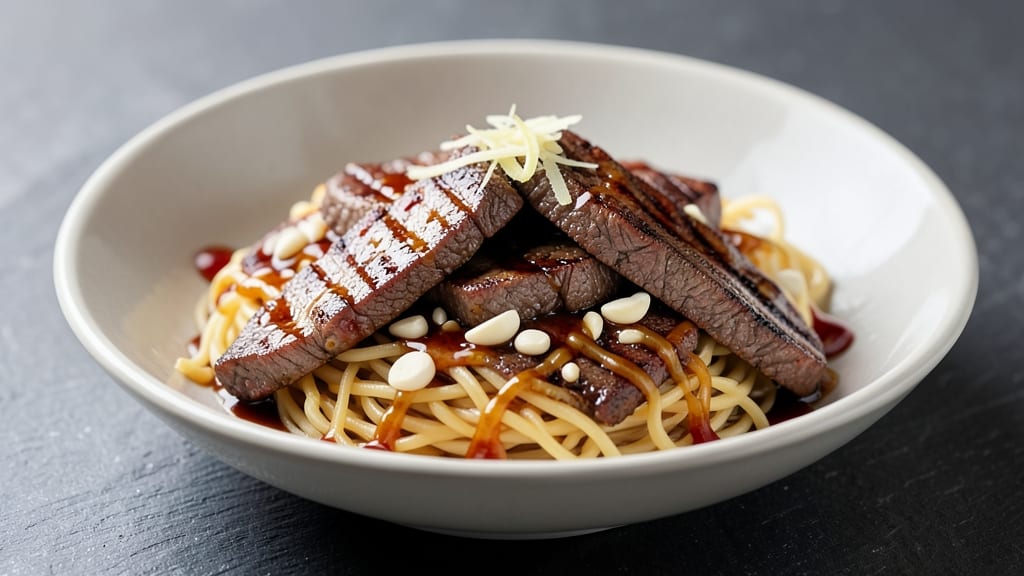
This beef and frozen noodles recipe delivers a protein-packed, one-pot meal in just 25 minutes—no fancy prep, no waiting for fresh noodles to cook. The secret lies in stir-frying tender beef strips until caramelized, then combining them with frozen noodles and a savory soy-ginger sauce that transforms simple ingredients into a satisfying dinner. I developed this method during busy weeknights when I needed a meal that came together faster than takeout but tasted just as good.
The beauty of this recipe is its flexibility—whether you prefer classic beef noodle soup flavors or a spicier kick, the base technique remains the same. We'll start with thinly sliced beef that cooks in minutes, then add frozen noodles directly to the pan to absorb all that rich, umami-packed sauce.
No pre-boiling required, no extra pots to wash. The result? A hearty, flavorful meal where every bite delivers tender beef, chewy noodles, and a sauce that balances sweet, salty, and savory notes perfectly.
What makes this dish truly special is how it elevates frozen noodles—often seen as a convenience food—into something restaurant-worthy. The beef develops a caramelized crust from the high-heat stir-fry, while the noodles soak up the sauce without turning mushy.
Garnish with green onions and sesame seeds for freshness and texture, and you've got a complete meal that's ready in under half an hour. Perfect for weeknights, meal prep, or whenever you crave comfort food without the fuss.
This recipe works equally well as a standalone dish or paired with steamed vegetables for a balanced meal. The one-pot method ensures minimal cleanup, and the flavors only deepen as it sits—making it ideal for batch cooking.
Whether you're feeding a family or just yourself, this beef and noodle combo delivers satisfaction with every forkful, proving that quick meals can be just as flavorful as slow-cooked favorites.
Ingredients for beef and frozen noodles
Thinly sliced beef meets frozen noodles in this one-pot meal, packed with umami and ready in 25 minutes.
| Ingredient | Amount | Notes |
|---|---|---|
| Flank Steak 🥩 | 1 lb | Thinly sliced against grain |
| Frozen Egg Noodles 🍜 | 12 oz | Wide or medium width preferred |
| Low-Sodium Soy Sauce 🥄 | ½ cup | For umami depth |
| Sesame Oil 🫒 | 1 tbsp | Toasted for aroma |
| Fresh Ginger 🌿 | 1 tbsp | Finely grated, fresh preferred |
| Garlic Cloves 🧄 | 4 cloves | Minced for sauce |
| Honey 🍯 | 1 tbsp | For sweet-savory balance |
| Vegetable Oil 🫒 | 2 tbsp | High smoke point |
| Green Onions 🧅 | 3 whole | Sliced for garnish |
| Toasted Sesame Seeds 🌾 | 1 tbsp | For texture |
| Red Pepper Flakes 🌶️ | ½ tsp | Optional for heat |
| Salt 🧂 | 1 tsp | Kosher or sea salt |
| Black Pepper 🌶️ | ½ tsp | Freshly ground |
The beef is everything here—flank steak gives you that perfect balance of tenderness and chew. Look for well-marbled cuts at Costco or your butcher counter, and slice it thinly against the grain (that's the key to tender bites). If you can't find flank, sirloin or skirt steak works too, but avoid tougher cuts like flank's cousin, chuck. For the noodles, egg noodles are ideal—they hold up better than wheat noodles in stir-fry. I always grab the 12-ounce frozen packs from the store's freezer section, usually the wide or medium width kind. No need to thaw them—they'll cook right in the pan.
No soy sauce? Coconut aminos or tamari work in a pinch, though the flavor will differ slightly. Fresh ginger is best, but if you're using dried, reduce to half the amount—it's way more concentrated. The honey adds a subtle sweetness that balances the savory sauce, so don't skip it if you're sensitive to salt. For extra heat, add red pepper flakes to taste, but start light—you can always add more. The sesame oil might seem small, but it's what carries that nutty aroma through the dish. If you're short on time, use a pre-minced garlic and ginger mix from the Asian section of Trader Joe's—it's a lifesaver on busy nights.
This meal reheats beautifully—better the next day, actually. Store leftovers in an airtight container for up to 4 days, or freeze for 3 months if you're prepping for the week. For meal prep, I double the recipe and freeze half—just thaw overnight and reheat in the pan. The noodles might get a little softer when reheated, but the beef stays tender. Garnish with green onions and sesame seeds right before serving to keep everything fresh. If you're serving a crowd, scale up the beef and noodles proportionally—the sauce ratios will stay balanced.
Why You'll Love This Recipe
- No Chopping Needed: I swear by this—just slice the flank steak thin, no fancy cuts or hours at the counter. The frozen noodles? Straight from the freezer to the pan, no thawing, no fuss. Honestly, it’s the kind of meal that lets me actually enjoy dinner instead of stressing over prep.
- Umami Bomb: That low-sodium soy sauce and sesame oil combo? It’s where the magic happens. The ginger adds a sharp kick, while the beef caramelizes into something dangerously tender. One bite and you’ll forget it’s a weeknight dinner.
- Lunchbox Hero: Here’s what sold me—this keeps like a dream. Double the batch, toss half in containers, and you’ve got a protein-packed lunch for days. My kids grab it before school, and I take it to work. No sad desk salads here.
- Budget Powerhouse: Flank steak stretches further than you’d think when sliced right, and frozen noodles? Cheap as it gets. I make this for date night, game days, or when I’m pinching pennies. It’s the kind of meal that never feels like a sacrifice—just pure satisfaction.
Step-by-step instructions for beef and frozen noodles
This one-pot method delivers restaurant-quality flavor with minimal cleanup—perfect for busy weeknights.
Prep and Sear the Flank Steak
Slice the 1 lb flank steak thinly against the grain into ¼-inch strips. Pat each piece dry with paper towels—this ensures a good sear. Heat 2 tablespoons vegetable oil in a large skillet over medium-high heat until shimmering. Add the steak in a single layer and cook undisturbed for 2-3 minutes until deeply browned on one side. Flip and cook another 1-2 minutes until just cooked through but still slightly pink in the center. Remove steak and set aside temporarily.
Here's the thing—overcooking flank steak makes it tough. You want it tender when it finishes cooking in the noodles. If the pan gets crowded, work in batches to avoid steaming instead of searing. The meat should release easily from the pan when ready to flip.
Build the Flavor-Packed Sauce
In the same skillet (no need to wipe it clean), reduce heat to medium and add 1 tablespoon vegetable oil if needed. Add the 4 minced garlic cloves and 1 tablespoon finely grated fresh ginger, cooking for 30 seconds until fragrant. Pour in the 0.5 cup low-sodium soy sauce and 1 tablespoon honey, stirring to combine. Let the sauce simmer for 1-2 minutes until slightly reduced and syrupy.
The honey and soy sauce create that perfect sweet-savory balance. If you notice the sauce thickening too quickly, add 1-2 tablespoons water to maintain the right consistency. This is where the umami depth develops—don't rush this step.
Cook the Noodles and Combine
Add the 12 oz frozen egg noodles directly to the skillet with the sauce. Stir to coat the noodles evenly, then pour in 1 cup water (enough to cover the noodles by about ½ inch). Bring to a gentle boil, then reduce heat to medium-low and simmer uncovered for 8-10 minutes, stirring occasionally, until the noodles are tender and the liquid has mostly evaporated. The noodles should be al dente with just a slight bite.
Watch the noodles carefully—they'll finish cooking in the residual heat. If they stick to the pan, stir more frequently. The goal is to develop a light crust on the bottom while keeping the noodles tender. You'll know they're ready when they're fork-tender and the sauce has thickened into a glossy coating.
Finish and Garnish
Return the seared steak to the skillet and toss everything together. Add 1 tablespoon sesame oil and 0.5 teaspoon red pepper flakes (if using), stirring until the steak is heated through and the flavors meld. Taste and adjust seasoning with salt and black pepper as needed. Remove from heat and let sit for 1 minute to thicken slightly.
Garnish with 3 sliced green onions and 1 tablespoon toasted sesame seeds just before serving. The sesame seeds add a delightful crunch contrast to the tender noodles and juicy beef. Serve immediately while hot—this dish tastes best straight from the pan.
Pro Tips For Making Beef And Frozen Noodles
- Slice Thin, Slice Fast: Flank steak’s tough when thick—cut it against the grain into ¼-inch slices before cooking. I used to waste time trying to slice after searing, but prepping it raw saves minutes and guarantees tender bites every time.
- Shock the Noodles: Dump frozen egg noodles straight into boiling water—no thawing. They’ll cook faster and absorb sauce better. I learned this the hard way after serving mushy noodles from slow thawing.
- Ginger, Then Garlic: Pulse fresh ginger into a paste first, then add minced garlic. The paste blends smoother and caramelizes faster, giving the sauce depth without burning. Sounds weird, but it works—trust the process.
- Save the Sesame Oil: Add sesame oil last, just before serving. Stir it in gently—it burns fast and turns bitter. A splash at the end keeps that nutty aroma intact. (Yes, even if you’re impatient like me.)
Perfect pairings for beef and frozen noodles
Side Dish Harmony
Steamed bok choy or baby bok choy adds a fresh, crisp contrast to the rich noodles. Toss 4 cups with 1 tbsp sesame oil and a pinch of salt, then steam for 4-5 minutes until just tender. The mild cabbage-like flavor balances the beef's depth beautifully. 🥬
For a heartier option, try quick-pickled cucumbers—slice 1 English cucumber into half-moons, then toss with 2 tbsp rice vinegar, 1 tsp sugar, and ¼ tsp red pepper flakes. Let sit for 15 minutes before serving to cut through the dish's richness.
Drink Pairings
A crisp green tea like Sencha or Jasmine Pearl complements the dish's umami and ginger notes. The tea's delicate floral and grassy flavors cleanse your palate between bites. For a non-alcoholic option, try sparkling yuzu soda—its citrusy tang mirrors the ginger in the sauce. 🍵
If you prefer beer, a light Japanese lager like Asahi Super Dry works perfectly. The subtle maltiness and crisp finish won't overpower the dish. For wine lovers, a dry Riesling with its bright acidity and hints of green apple provides an elegant contrast.
Sauce Enhancements
Add 1 tbsp hoisin sauce to the finished dish for a deeper, slightly sweet complexity. Stir it in during the final 2 minutes of cooking to let the flavors meld.
For extra richness, drizzle with 1 tsp chili oil just before serving—it adds a smoky, spicy kick that elevates every bite. 🌶️
For a tangy twist, finish with 1 tsp rice vinegar> and a sprinkle of toasted garlic powder. This brightens the dish and adds a subtle garlic aroma that pairs wonderfully with the beef. Adjust to taste—some people love it, while others prefer to keep it classic.
Garnish Upgrades
Swap the sesame seeds for crushed peanuts—toss 2 tbsp into the pan during the final minute of cooking. The nutty crunch adds texture and a satisfying contrast. For a pop of color, add ¼ cup shredded red cabbage>—it stays crisp and adds a refreshing crunch.
Fresh cilantro or Thai basil brightens the dish with a herbal note. Roughly chop ¼ cup and sprinkle over the top just before serving. The leaves wilt slightly from the heat, releasing their aromatic oils for maximum flavor impact.
Nutrition facts
Frequently asked questions
Can I use any type of frozen noodles for this recipe?
Egg noodles work best because they hold up well during stir-frying, but you can use other frozen noodles like udon or ramen if that's what you have. Avoid thin wheat noodles—they'll turn mushy. For extra flavor, try frozen chow mein noodles or lo mein noodles, which have a slightly chewier texture. The cooking time might vary slightly, so check for tenderness after 7-8 minutes.
How do I prevent the beef from getting tough?
Slice the beef thinly against the grain and cook it over high heat for just 2-3 minutes total. Overcooking is the #1 cause of toughness! Remove the meat when it's still slightly pink in the center, then finish cooking in the noodles. For extra tenderness, marinate the beef in 1 tbsp soy sauce + 1 tsp honey for 15 minutes before cooking.
Can I make this recipe spicier?
Add 1-2 teaspoons of red pepper flakes to the sauce while simmering, or stir in 1 tbsp sriracha during the final minute. For heat lovers, toss in 1 chopped Thai chili with the garlic and ginger. Remember, the noodles will absorb some of the spice, so start with less if you're sensitive to heat.
What's the best way to reheat leftovers?
Reheat in a skillet over medium heat with 1-2 tablespoons water to prevent drying out. Stir frequently and add more water if needed. Microwave reheating works too—cover with a damp paper towel and heat in 1-minute intervals, stirring between each. The noodles will soften slightly but still taste delicious. Leftovers keep well for 4 days in the fridge.
Can I substitute beef with another protein?
Yes! Try chicken thighs (cut into strips) or shrimp (cook for just 1-2 minutes per side). For a vegetarian version, use firm tofu (press and cube) or mushrooms (sauté with the garlic). The cooking time will vary—adjust based on your protein's doneness. The sauce ratios will stay the same for all substitutions.