
Soups & Stews
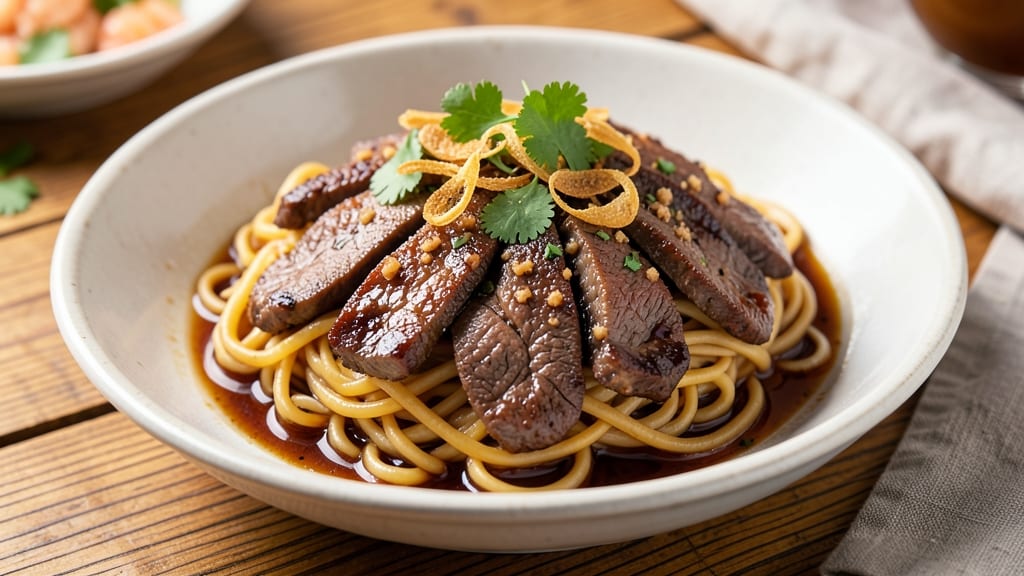
This beef and hokkien noodles recipe delivers the bold, umami-packed flavors of Singaporean street food in a single wok—crispy beef, chewy noodles, and a sauce that balances sweet, spicy, and savory notes perfectly.
The secret lies in high-heat stir-frying, which creates that signature caramelized crust on the beef while keeping the noodles just tender enough to soak up every drop of the aromatic sauce.
I developed this version after years of perfecting the technique, ensuring the beef stays juicy and the noodles maintain their signature bite.
What sets this recipe apart is the layered flavor profile: a deep umami base from soy sauce and prawn paste, bright chili heat, and a touch of sweetness from brown sugar.
The beef is marinated in a simple garlic and peppercorn paste before stir-frying, which infuses it with flavor while keeping the exterior crispy. The egg noodles are cooked just until al dente, then tossed in the wok to absorb the sauce without turning mushy.
Every bite delivers that perfect contrast of textures—crunchy beef, chewy noodles, and a glossy, sticky sauce.
The result is a restaurant-quality dish that’s surprisingly simple to make at home, requiring just one pan and about 30 minutes of active time. The aroma alone—garlic, chili, and caramelized beef—will have everyone gathered around the table.
Serve it with crispy fried shallots sprinkled on top and lime wedges on the side for that authentic street-food touch. This is the kind of meal that turns a simple weeknight into a flavor-packed celebration.
Whether you're feeding a crowd or treating yourself to a flavorful solo dinner, this recipe scales beautifully while maintaining its depth of flavor. The beauty of hokkien noodles is their versatility—swap the beef for shrimp or chicken if preferred, or adjust the chili level to suit your heat tolerance.
Let’s get cooking—your taste buds won’t know the difference between this and a Singaporean hawker stall.
Ingredients for beef and hokkien noodles
Bold flavors and crispy textures come together in this one-pan Singaporean classic.
| Ingredient | Amount | Notes |
|---|---|---|
| Flank Steak 🥩 | 1 ½ lb | Thinly sliced against grain |
| Dried Egg Noodles 🍜 | 12 oz | Hokkien noodles preferred |
| Light Soy Sauce 🥄 | ½ cup | Kikkoman preferred |
| Dark Soy Sauce 🥄 | 1 tbsp | For color depth |
| Prawn Paste 🦐 | 1 tbsp | Or shrimp paste substitute |
| Brown Sugar 🍯 | 2 tbsp | Packed firmly |
| Garlic Cloves 🧄 | 6 cloves | Minced finely |
| Black Peppercorns 🌶️ | 1 tsp | Crushed coarsely |
| Dried Chili Flakes 🔥 | 1 tbsp | Adjust to taste |
| Vegetable Oil 🫒 | ½ cup | High smoke point |
| Green Onions 🧅 | 4 whole | Sliced thinly |
| Sesame Oil 🫒 | 1 tbsp | For finishing |
| Crispy Fried Shallots 🧅 | ¼ cup | Store-bought or homemade |
| Lime Wedges 🍋 | 2 whole | For serving |
The beef is where this dish shines. Flank steak is ideal—it's lean enough to sear quickly but still holds up to the wok's high heat. Look for Kikkoman soy sauce at Asian markets or the international aisle; it has that perfect balance of salt and umami. Prawn paste can be tricky to find, but substitute shrimp paste or even a dash of anchovy paste in a pinch (though it won't be identical). The key is to slice the beef thinly against the grain—this ensures tender bites that stay chewy, not tough. If you're feeling fancy, ask your butcher to slice it for you. For the noodles, hokkien noodles are non-negotiable—they're wider and chewier than regular egg noodles, but any dried egg noodles will work in a bind.
No prawn paste? Shrimp paste or even a pinch of anchovy paste will add umami, though the flavor won't be exactly the same. Running low on brown sugar? White sugar works too, but it won't caramelize as nicely. The garlic and peppercorn paste is non-negotiable for that signature flavor—don't skip it. For extra heat, add a dash of sambal oelek or a pinch of cayenne. The dark soy sauce is purely for color, so if you're out, just use light soy sauce (you'll lose that deep mahogany hue, but the flavor will still be there). The fried shallots are optional but highly recommended—they add crunch and a nutty aroma that ties everything together. If you can't find them pre-made, fry thin shallot slices in oil until crispy and store them in the fridge for up to a week.
This dish is all about timing, but the prep is simple. The beef marinade can wait until you're ready to cook—just mix the garlic, peppercorns, soy sauces, and brown sugar in a bowl and toss the sliced beef in it. The noodles should be cooked al dente (about 2 minutes less than package instructions) so they don't turn mushy in the wok. Store any leftover sauce in an airtight container in the fridge for up to 5 days—it makes a fantastic quick stir-fry base later. The beef and noodles reheat well, but add a splash of water or soy sauce to keep them from drying out. For extra authenticity, serve with lime wedges on the side and a sprinkle of crispy fried shallots right before eating—trust me, it makes all the difference.
Why You'll Love This Recipe
- Foolproof Prep: I swear by this—just slice the flank steak thin (freeze it 20 mins first, trust me), toss in the noodles, and let the wok do the work. No fancy knife skills, no stress.
- Umami Bomb: That prawn paste? Chef’s kiss. One spoonful and suddenly you’ve got rich, salty depth without a single drop of fish sauce. The dark soy caramelizes into a glossy, sticky glaze—like someone’s been holding back the best part.
- Leftover Hero: Between us, this tastes better the next day. The noodles soften just right, the beef gets even more tender, and I’ve reheated portions straight from the fridge for lunch—zero complaints.
- Budget Crowd-Pleaser: Flank steak stretches far, prawn paste adds luxury for pennies, and dried noodles last forever. Feed four for under $15, or double the batch and freeze half for when you’re too tired to cook. (Yes, even on a Tuesday night.)
Step-by-step instructions for beef and hokkien noodles
Master this wok technique for restaurant-quality beef and noodles in one pan.
Prepare the Flank Steak for Maximum Tenderness
Slice the 1.5 lb flank steak thinly against the grain into ¼-inch thick strips. This cut ensures each bite remains tender despite the quick cooking. Pat the slices dry with paper towels—removing excess moisture prevents steaming instead of searing. Arrange the slices on a plate and season generously with crushed black peppercorns and 1 tablespoon dried chili flakes. Let them sit at room temperature for 15 minutes while you prep the rest.
The reason for this resting time is simple: cold meat releases juices when it hits the hot wok, which can dilute your sauce and create a soggy texture. Room-temperature meat sears more evenly and develops better color. Keep the seasoning simple at this stage—we'll build layers of flavor in the sauce.
Bloom the Aromatics and Build the Sauce Base
Heat ½ cup vegetable oil in a 14-inch wok or large skillet over medium-high heat until shimmering. Add the minced 6 cloves garlic and stir constantly for 30 seconds until fragrant but not browned. Add the 1 tablespoon prawn paste and stir vigorously for 1 minute—this releases its deep umami flavor and prevents burning.
Pour in the ½ cup light soy sauce, 1 tablespoon dark soy sauce, and 2 tablespoons packed brown sugar. Stir to combine and let the mixture simmer for 2 minutes until slightly reduced. This step develops the sauce's rich, caramelized foundation. If you notice the sauce thickening too quickly, add 1 tablespoon water to maintain balance.
Wok-Sear the Beef in Batches
Working in two batches to avoid overcrowding, add half of the steak strips to the wok. Stir-fry for 1-2 minutes until the beef turns deep brown and develops a slight char on the edges. Remove the cooked beef and set aside. Repeat with the remaining beef. The high heat is crucial here—it creates the signature wok-hei (breath of the wok) flavor that separates home cooking from restaurant quality.
Don't skip the batch cooking. Overcrowding the wok steams the beef instead of searing it, resulting in tough, unevenly cooked meat. The beef should be 80% cooked at this stage—it will finish in the sauce. If you notice any slices cooking faster than others, adjust your heat or reduce the batch size further.
Cook the Noodles and Combine Everything
In the same wok, add the 12 oz dried egg noodles and stir-fry for 1 minute to coat them lightly with the sauce. Pour in 1½ cups hot water (just boiled) and stir immediately. Cover the wok and cook for 3-4 minutes until the noodles are tender but still slightly firm—they'll finish cooking in the residual heat. Drain any excess water if needed.
Return the beef to the wok along with any accumulated juices. Add the sliced 4 whole green onions and toss everything together for 1-2 minutes until the noodles are fully heated through and the sauce clings to each strand. The noodles should be al dente—they'll continue cooking slightly from the residual heat. Taste and adjust seasoning if needed, adding a splash more light soy sauce if the dish tastes flat.
Finish with Crunch and Serve Immediately
Remove the wok from heat and stir in the 1 tablespoon sesame oil and ¼ cup crispy fried shallots. The sesame oil adds a nutty aroma and balances the dish's richness, while the fried shallots provide a satisfying crunch. Toss everything together for 30 seconds to distribute the toppings evenly. Serve the beef and noodles immediately with the 2 whole lime wedges on the side.
This dish is best enjoyed fresh from the wok when the noodles are still hot and the sauce is glossy. The lime wedges are for squeezing over individual portions—they cut through the richness and add a bright contrast. Garnish with additional green onions if desired, but keep it simple to let the flavors shine. Leftovers can be refrigerated for up to 2 days, but the texture won't be as ideal after reheating.
Pro Tips For Making Beef And Hokkien Noodles
- Slice Thin, Cook Fast: Flank steak’s got that tough-but-tender game, so slice it against the grain into paper-thin strips—no wider than ¼-inch. Toss them in a screaming-hot wok with just a splash of oil first, or they’ll steam instead of sear. I learned this the hard way when my beef turned out chewy instead of melt-in-your-mouth.
- Bloom the Paste: Stir that prawn paste into your oil before adding anything else—let it sizzle for 10 seconds until it turns a rich, nutty brown. That’s when it releases its umami bomb. Skip this, and your sauce will taste flat, like you forgot the soul of the dish.
- Salt the Noodles Right: Dried egg noodles absorb water like sponges, but they also soak up salt. Soak them in salted boiling water (a teaspoon in the pot) for 2 minutes less than the package says, then rinse briefly in cold water. Overcooked noodles = mush; under-seasoned noodles = boring.
- Save the Dark Soy: Use dark soy sauce only for the final toss—just a tablespoon—right when you’re plating. It’s not just for color; it adds a deep, molasses-like richness that cuts through the oil. Dump it in too early, and your dish turns muddy instead of glossy. Trust me, timing matters here.
Serving suggestions for beef and hokkien noodles
Street Food Presentation
Serve your beef and hokkien noodles in wide, shallow bowls to showcase the vibrant colors and textures—just like at Singaporean hawker stalls. I use 14-inch ceramic bowls with slightly sloped sides so the noodles don’t stick.
Spoon the noodles and beef in a mounded pile in the center, letting the sauce pool around the edges for dipping. The crispy fried shallots should be sprinkled right on top while the dish is still hot so they maintain their crunch. 🌟
Garnish Like a Pro
Fresh green onions are non-negotiable—their bright green color contrasts beautifully with the deep brown sauce. Slice them into 1-inch lengths and scatter them evenly over the top. For an extra touch, add a drizzle of chili oil (about 1 teaspoon) in a zigzag pattern—it adds heat and visual appeal.
I like to finish with a sprinkle of toasted sesame seeds (about ½ teaspoon) for nutty crunch and extra aroma.
Lime Wedges Matter
Always serve lime wedges on the side—never squeeze them directly over the dish. The acidic tang cuts through the richness of the beef and balances the umami sauce. Cut each lime into 4 wedges and arrange them on a small plate beside each bowl.
Encourage guests to squeeze just 1-2 drops at a time to avoid overpowering the dish. Pro tip: Use a microplane to zest a tiny amount of lime over the top for an aromatic finish. 🍋
Side Dish Pairings
For a complete meal, pair your noodles with steamed jasmine rice (about ½ cup per person) to soak up any extra sauce.
I also love serving quick-pickled cucumbers—slice ½ English cucumber into ¼-inch rounds, toss with 1 tablespoon rice vinegar, ½ teaspoon sugar, and a pinch of salt, then let sit for 10 minutes. The cool, crisp cucumbers refresh your palate between bites of rich noodles.
Family-Style Serving
This dish is perfect for sharing—set up a central serving platter with the noodles and beef in the middle, surrounded by bowls of rice and a side of pickled veggies. Use long-handled serving spoons for easy dishing.
For a fun twist, add small bowls of extra sauce on the table so everyone can adjust the spice level to their taste. The communal aspect makes it feel like a restaurant experience at home. ✨
Leftovers Made Right
If you have leftovers, don’t reheat them in the microwave—it turns the noodles soggy. Instead, stir-fry them in a hot wok with 1 tablespoon vegetable oil and 1 tablespoon soy sauce for 2-3 minutes until heated through.
Add a splash of water or broth to keep things moist. Store leftovers in an airtight container for up to 2 days, but the texture won’t be as perfect after reheating.
Nutrition facts
Frequently asked questions
Can I substitute flank steak with another cut of beef?
Yes! Sirloin or ribeye work well as alternatives, but avoid tougher cuts like chuck roast. Slice all beef ¼-inch thick against the grain for tenderness. For leaner options, marinate the beef for 30 minutes in a mix of 1 tablespoon soy sauce, 1 teaspoon cornstarch, and ½ teaspoon black pepper before cooking.
How do I make the noodles chewier without turning them mushy?
Cook the noodles 2 minutes less than package instructions, then finish them in the wok with hot water (1½ cups) for 3-4 minutes covered. The residual heat cooks them perfectly. For extra chew, use fresh egg noodles or rinse dried noodles in cold water for 30 seconds before cooking to remove excess starch.
What if I can't find prawn paste? What's the best substitute?
Use shrimp paste (1:1 ratio) for authentic umami, or mix ½ teaspoon anchovy paste with ½ teaspoon soy sauce as a quick fix. For a vegetarian option, 1 teaspoon miso paste adds depth, though the flavor will differ slightly. Always bloom the substitute in oil for 1 minute to release its aroma.
Can I make this recipe ahead of time?
Prep the sauce and marinate the beef 1 day ahead, storing separately in airtight containers. Cook the beef and noodles fresh, but reheat leftovers by stir-frying in a hot wok with 1 tablespoon oil and 1 tablespoon soy sauce for 2-3 minutes. Avoid microwaving—it destroys the crispy texture. The sauce keeps in the fridge for 5 days for quick stir-fries later.
How can I adjust the spice level for kids or sensitive eaters?
Reduce the chili flakes to ½ teaspoon and omit the dried chili from the beef marinade. For extra mildness, add 1 teaspoon sugar to balance any remaining heat. Serve the chili oil (if using) on the side so everyone can add it to taste. The prawn paste and soy sauce already provide rich flavor without spice.