
Soups & Stews
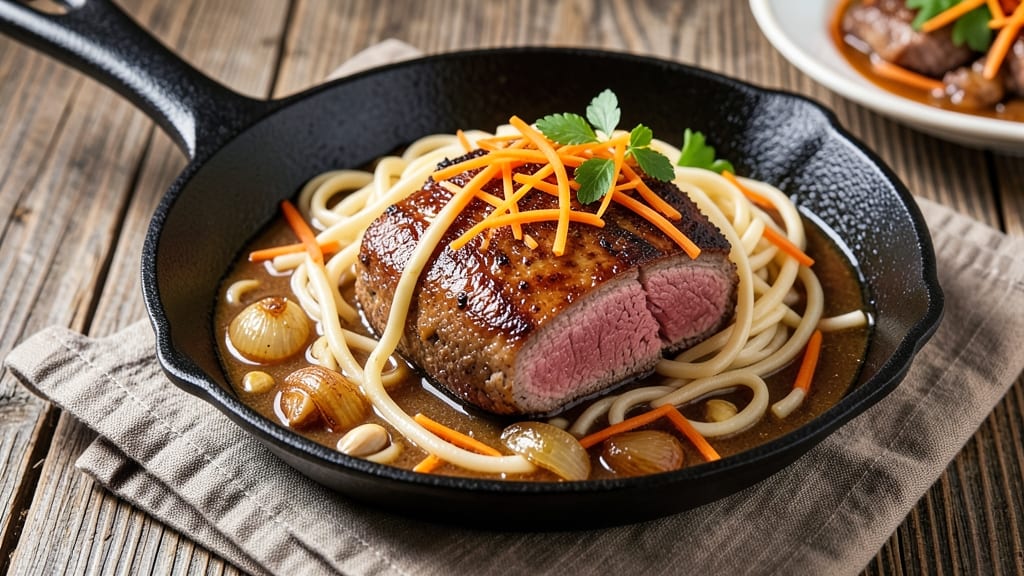
This beef and noodles brown gravy recipe transforms tough cuts into melt-in-your-mouth tenderness with a rich, umami-packed sauce that clings to every noodle. The secret lies in proper searing and slow simmering, creating deep caramelized flavors that elevate humble ingredients into a hearty, restaurant-worthy meal.
I developed this version after years of perfecting the balance between meaty richness and silky gravy—no shortcuts, just proven techniques that deliver consistent results.
What sets this recipe apart is the two-stage cooking process: first browning the beef in batches for maximum flavor development, then building a roux-based gravy that thickens perfectly without breaking. The egg noodles cook directly in the broth, absorbing all that savory goodness while maintaining their bite.
This isn't just a quick weeknight meal—it's a one-pot masterpiece that gets better as it sits, with flavors deepening hour by hour.
The result is a steaming bowl of tender beef chunks floating in a glossy brown gravy, each spoonful delivering layers of caramelized meatiness and aromatic herbs. The sauce coats the noodles beautifully, creating that perfect mouthfeel—neither too thick nor too thin.
Whether you're feeding a family or meal prepping for the week, this recipe delivers restaurant-quality comfort with minimal effort.
Perfect for chilly evenings when you crave something substantial, this dish scales effortlessly from weeknight dinners to holiday gatherings. The technique is simple enough for beginners but impressive enough to wow guests—all while keeping that homestyle warmth we love. Ready to transform simple ingredients into something extraordinary? Let's get started.
Ingredients for beef and noodles brown gravy
Sixteen ingredients transform into restaurant-quality beef and noodles brown gravy with deep caramelized richness.
| Ingredient | Amount | Notes |
|---|---|---|
| Chuck Roast 🥩 | 3 lb | Trimmed of excess fat for cleaner gravy |
| Egg Noodles 🍜 | 1 ½ lb | Fresh or dried, medium width |
| Yellow Onion 🧅 | 1 whole | Medium size, diced into 1/4-inch pieces |
| Carrots 🥕 | 4 medium | Peeled, cut into 1/2-inch rounds |
| Garlic Cloves 🧄 | 6 cloves | Fresh, minced into fine paste |
| All-Purpose Flour 🌾 | ½ cup | Diamond Crystal preferred for thickening |
| Beef Broth 💧 | 4 cups | Homemade or high-quality store-bought |
| Tomato Paste 🍅 | 2 tbsp | San Marzano preferred for sweetness |
| Dry Red Wine 🍷 | 1 cup | Bold Cabernet or Merlot, not cooking wine |
| Thyme Sprigs 🌿 | 2 whole | Fresh, stems removed for infusion |
| Bay Leaves 🍃 | 2 whole | Dried, standard size |
| Black Peppercorns 🌶️ | 1 tsp | Freshly cracked, not pre-ground |
| Salt 🧂 | 2 tsp | Diamond Crystal kosher salt |
| Unsalted Butter 🧈 | 4 tbsp | Cold, cubed for roux |
| Parsley Flakes 🌿 | 1 tbsp | For final garnish |
The chuck roast is non-negotiable—its marbling delivers unmatched flavor when properly seared. Costco or local butcher shops offer the best cuts, but any grocery store carries pre-trimmed chuck. Look for good marbling and vibrant red color—this ensures tender results. The egg noodles should be medium-width for proper texture; fresh noodles from the Italian market stay al dente longer than dried. For the carrots, organic varieties have sweeter flavor, but conventional works fine. Pre-cut them into even rounds so they cook uniformly with the beef.
No red wine? Substitute beef broth with 1 tbsp balsamic vinegar for depth. Fresh thyme unavailable? Dried thyme at one-third the amount works, but the aroma differs. The tomato paste can be skipped entirely if you prefer a cleaner gravy, though it adds natural sweetness and umami. For the flour, Diamond Crystal kosher salt dissolves better than table salt in gravy. If you're using pre-minced garlic, toast it first in butter for 30 seconds to deepen its flavor. The butter must be cold for the roux—microwave cubed butter for 40 seconds to just soften before melting.
Store leftovers in airtight containers for up to 5 days in the fridge, where flavors intensify. For longer storage, freeze portions for 3 months. The gravy thickens as it cools, so add 1-2 tbsp beef broth when reheating. This dish reheats beautifully—simmer gently on the stove with a splash of broth to restore its silky texture. For meal prep, cook the beef and gravy separately, then combine with noodles just before serving to maintain their bite.
Why You'll Love This Recipe
- One-Pot Magic: I swear by this recipe after years of messy casserole spills—just brown the chuck roast in the same pot, toss in chopped onions and carrots, then let it slow-cook until the gravy thickens around the noodles. No extra dishes, no stress.
- Deep Umami Bomb: That slow-cooked chuck roast? It turns tender enough to melt, while the onions caramelize into something rich and sweet—like a hug in a bowl. The garlic cloves sizzling at the end? Pure flavor payoff.
- Leftovers That Win: Between us, this dish tastes better the next day. The gravy thickens into a glossy, clingy sauce that coats every noodle, and the beef shreds so easily—perfect for quick lunches or freezing for those "I can't decide what to eat" nights.
- Budget Powerhouse: A chuck roast stretches across multiple meals, and egg noodles cost pennies. Honestly, I’ve fed four people for under $15 with this, and no one ever guesses it’s the cheaper cut of beef. That’s the kind of meal that makes grocery day feel like a victory.
Step-by-step instructions for beef and noodles brown gravy
Transform humble ingredients into a rich, umami-packed sauce with deep-roasted meatiness.
Sear the Chuck Roast for Maximum Flavor
Pat the 3 lb chuck roast thoroughly with paper towels to remove all moisture. This critical step ensures a proper sear rather than steaming. Heat a heavy Dutch oven over medium-high heat until very hot—you should see a slight shimmer when you sprinkle water inside.
Add the chuck roast and sear on all sides until deeply browned, about 8-10 minutes total. Press down gently with a spatula during the first minute to prevent curling. The goal is to develop a rich, caramelized crust that will form the foundation of your gravy. Transfer the roast to a plate and set aside.
Build Layered Aromatics and Deglaze
In the same Dutch oven, add 4 tbsp unsalted butter and let it melt completely. Add the 1 whole yellow onion and 4 medium carrots, cooking for 5-6 minutes until softened. Stir in the 6 cloves garlic cloves and cook for 30 seconds until fragrant—don't let it brown or it'll turn bitter.
Sprinkle the 0.5 cup all-purpose flour over the vegetables and stir vigorously for 1-2 minutes to toast the flour and remove its raw taste. This creates a light roux that will thicken your gravy beautifully. Immediately pour in the 1 cup dry red wine, scraping up all the browned bits from the bottom with a wooden spoon. This deglazing captures all the flavor you've built so far.
Simmer with Herbs and Tomato Paste
Add the 4 cups beef broth, 2 tbsp tomato paste, 2 whole thyme sprigs, 2 whole bay leaves, 1 tsp black peppercorns, and 2 tsp salt. Stir well to combine, then return the chuck roast to the pot. Bring to a gentle simmer over medium-low heat, then reduce to low heat and cover partially.
Simmer for 2-2.5 hours until the meat is fork-tender and falls apart easily. The liquid should reduce by about one-third, creating a concentrated, flavorful base. Stir occasionally to prevent sticking. The aromatics will infuse the broth with deep, savory notes that form the heart of your gravy.
Shred the Meat and Thicken the Gravy
Remove the chuck roast and shred it using two forks, discarding the herbs and bay leaves. Return the shredded meat to the pot. Skim off any excess fat that has risen to the surface—this ensures a cleaner gravy without compromising flavor.
Increase heat to medium and simmer uncovered for 10-15 minutes until the gravy reaches your desired consistency. If it's too thin, mix 1 tbsp cornstarch with 2 tbsp cold water and whisk into the gravy until thickened. The final gravy should coat the back of a spoon but still be pourable. Taste and adjust seasoning with additional salt or pepper if needed.
Finish with Noodles and Garnish
Cook the 1.5 lb egg noodles according to package instructions until al dente. Drain and reserve 1 cup pasta water. Add the cooked noodles to the gravy along with the shredded beef and toss gently to combine. If the gravy seems too thick, add reserved pasta water 1 tablespoon at a time until it reaches a perfect coating consistency.
Serve immediately, garnished with 1 tbsp parsley flakes for freshness. The gravy should be rich, velvety, and deeply flavorful, with each bite delivering perfect harmony between tender beef, al dente noodles, and that unmistakable umami depth. The secret lies in the slow development of flavors through proper searing, simmering, and reduction techniques.
Pro Tips For Making Beef And Noodles Brown Gravy
- SEAR THE ROAST IN BATCHES: Chuck roast releases a ton of liquid when you first sear it, and if you dump the whole cut in at once, you’ll just steam it instead of brown it. Split the meat into thirds and work in batches—this guarantees a proper crust. (Yes, it takes a little longer, but that nutty brown color is worth it.)
- SWEAT ONIONS LOW AND SLOW: I used to rush the onions and end up with bitter, caramelized bits instead of tender, sweet base flavor. Keep the heat at a medium-low simmer, cover the pan, and let them cook for 10-12 minutes. Stir occasionally, and resist the urge to crank the heat—this is where the gravy’s depth starts.
- DEGLAZE WITH BEEF BROTH, NOT WATER: That dark, sticky fond at the bottom of the pan? That’s flavor gold. Splash in about 1 cup of beef broth (not water) and scrape like you’re mad—every bit counts. Water just dilutes; broth adds richness and ties the whole dish together. (And no, bouillon cubes don’t cut it.)
- ADD NOODLES LAST MINUTE: Tossing in egg noodles too early turns them mushy and gray. Hold off until the very end—just 2-3 minutes of simmering in the hot gravy is all they need to soak up flavor. If you’re worried about overcooking, drain them first and add them back in at the finish. (Trust me, they’ll still be al dente.)
Common mistakes when making great beef and noodles brown gravy
Overcrowding the Pan
One of the biggest mistakes is trying to sear all the beef at once. When you overcrowd your Dutch oven, the meat steams instead of browning, creating a pale, watery crust that won't develop the rich caramelized flavors your gravy needs.
I always work in batches—I sear 1-2 lbs of beef at a time in a hot pan to ensure proper browning. This takes 5-10 extra minutes but makes all the difference in flavor development. 🔥
Skipping the Deglaze
The fond (those browned bits stuck to the bottom of your pan) is pure flavor gold. If you skip deglazing with wine or broth, you're missing out on layers of umami that form the backbone of your gravy.
After searing the beef, I always add 1 cup dry red wine (or beef broth) and scrape vigorously with a wooden spoon to dissolve those precious bits. This step is non-negotiable for deep, complex flavor.
Rushing the Simmer Time
Chuck roast needs patience—there's no shortcut to tenderizing tough cuts. If you rush the 2-2.5 hour simmer, your beef will be chewy rather than fork-tender. I've learned this the hard way!
The slow cook transforms tough muscle fibers into melt-in-your-mouth texture. Set a timer and let it work—your taste buds will thank you later. ⏰
Ignoring the Roux Stage
Many home cooks skip the flour-toasting step or use too little flour. A proper light roux (flour cooked until golden) adds body and richness to your gravy. I always toast 0.5 cup flour for 1-2 minutes before adding liquid.
This removes the raw flour taste and creates a smoother, more velvety sauce. Don't be tempted to rush this step—it's what makes the difference between a thin broth and a proper gravy.
Not Skimming Fat
After shredding the beef, the gravy often develops a layer of rendered fat on top. While this fat contains flavor, too much makes the gravy greasy rather than velvety. I always skim off excess fat with a spoon before thickening the gravy.
This keeps your sauce elegant and well-balanced. A good rule of thumb is to leave about 1-2 tablespoons of fat for flavor while removing the rest.
Using Low-Quality Broth
The quality of your broth makes or breaks this dish. Store-bought bouillon cubes or weak broths will result in bland, watery gravy. I always use either homemade beef broth or high-quality store-bought options like Kitchen Basics or Pacific Foods.
The difference in depth of flavor is night and day. If you're short on time, simmer 2 beef bouillon cubes in 4 cups hot water for 10 minutes to boost flavor quickly.
Nutrition facts
Frequently asked questions
Can I substitute chuck roast with another cut of beef?
Yes, but choose cuts with similar fat content for best results. Brisket or stew meat work well—they break down beautifully during simmering. Avoid lean cuts like sirloin, as they won't develop the same rich flavor. If using brisket, trim excess fat to 1/4-inch thickness for cleaner gravy.
How do I make this dish faster without sacrificing flavor?
Use a pressure cooker—it reduces the simmer time to 45-60 minutes while keeping the meat tender. For stovetop shortcuts, cook the beef in beef broth instead of water, then add noodles directly to the pot. The broth concentrates flavor faster than plain water.
Why did my gravy turn out too thick or too thin?
Thick gravy? Add 2-3 tbsp beef broth while stirring. Too thin? Mix 1 tbsp cornstarch with 2 tbsp cold water and whisk into the simmering gravy. For perfect consistency, aim for a sauce that coats the back of a spoon but still pours smoothly. The roux (flour-to-butter ratio) controls thickness—0.5 cup flour for 4 cups broth is ideal.
Can I make this recipe in a slow cooker?
Brown the beef first in a skillet, then transfer everything to the slow cooker. Cook on low for 6-8 hours or high for 3-4 hours. The slow cooker's gentle heat mimics traditional braising. For extra richness, add 1/2 cup beef broth after the initial simmer to restore lost moisture.
What are the best noodles to use for this dish?
Egg noodles are classic, but fettuccine or spaghetti work too. Avoid al dente noodles—they should be slightly undercooked when added to the gravy to finish cooking. For extra flavor, use whole wheat noodles or add 1/2 cup cooked barley for heartiness. Fresh noodles hold up better than dried in rich sauces.