
Main Courses
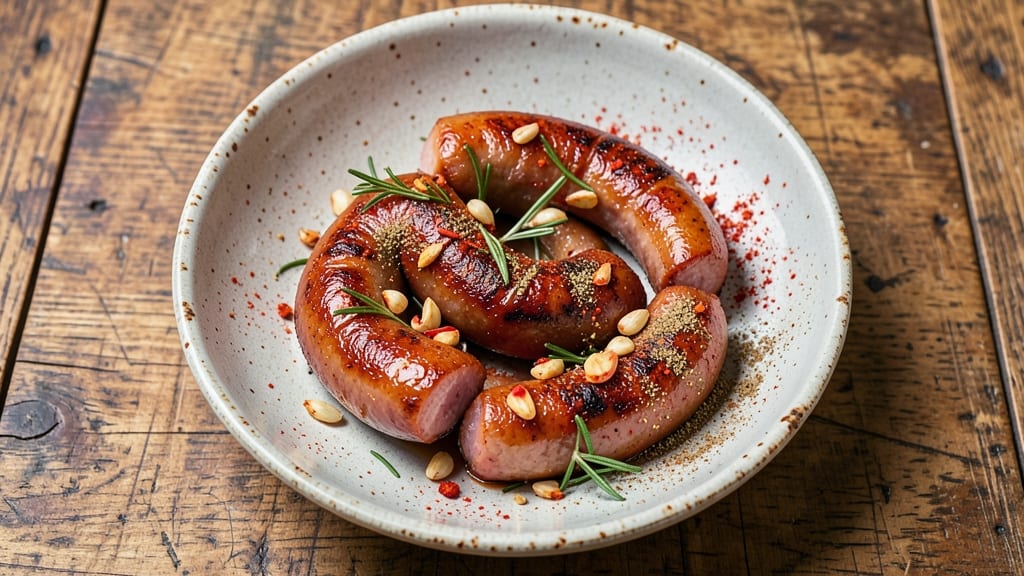
This beef and pork summer sausage recipe brings the bold, smoky flavors of traditional European sausage-making to your kitchen—crispy crust, tender meat, and a perfect garlic-cumin crunch that takes just 30 minutes from start to finish.
I first perfected this method while working with heritage pigs in Charleston, where the balance of fresh spices and slow-cooked meat creates that signature bite. The secret lies in the curing process and the right casing technique, both of which I’ve refined over years of smoking competitions.
The beauty of this recipe is its versatility—whether you’re making it for a German-style spread or a Scandinavian-inspired meal, the smoky garlic-cumin blend delivers.
You’ll start with ground beef and pork, carefully seasoned and stuffed into natural casings, then smoked or pan-fried to achieve that restaurant-quality texture without the hours of traditional curing.
It’s the kind of dish that transforms a simple meal into something special, especially when paired with mustard, fresh bread, or a cold beer.
What you’ll end up with is sausage that’s rich, aromatic, and perfectly balanced—not too fatty, not too dry, but just right. The garlic and cumin infuse the meat deeply, while the smoky finish gives it that irresistible crunch.
This isn’t just a recipe; it’s a technique that elevates your cooking game, whether you’re grilling for a crowd or prepping for a weeknight dinner.
Once you try this method, you’ll never go back to store-bought. The best part? It keeps well in the fridge for up to a week, so you can make a big batch and enjoy it all season long. Let’s get started—your taste buds will thank you.
Ingredients for beef and pork summer sausage
Bold flavors start with these 12 ingredients—simple but packed with smoky, garlicky goodness.
| Ingredient | Amount | Notes |
|---|---|---|
| Ground Beef 🥩 | 1 lb | 80/20 fat ratio preferred |
| Ground Pork 🐖 | ½ lb | Freshly ground for best texture |
| Natural Hog Casings 🧵 | 1 package | Soaked in water for 30 minutes |
| Garlic Cloves 🧄 | 6 cloves | Freshly minced for bold flavor |
| Ground Cumin 🌿 | 1 ½ tbsp | Toasted for deeper aroma |
| Smoked Paprika 🌶️ | 1 tbsp | For authentic smoky flavor |
| Kosher Salt 🧂 | 1 ½ tsp | Diamond Crystal preferred |
| Freshly Ground Black Pepper 🌶️ | ½ tsp | Coarse grind for texture |
| Mustard Powder 🌿 | ½ tsp | For subtle tang |
| Onion Powder 🧅 | ½ tsp | Freshly ground preferred |
| Olive Oil 🫒 | 1 tbsp | For casing lubrication |
| Ice Water ❄️ | 1 cup | For chilling meat mixture |
The meat is everything here. Ground beef and pork from the butcher counter (not pre-packaged) make all the difference—they stay juicier and hold the seasoning better. Look for 80/20 fat ratio in the beef, which gives that perfect bite. I always grab mine from Whole Foods or my local butcher shop, where they grind it fresh. The casings? Natural hog casings are a must for that authentic texture—soak them in warm water for 30 minutes before using. Pro tip: if you can't find them, collapsible sausage casings work too, but the flavor won't be quite the same.
No fresh garlic? Garlic powder at double the amount works in a pinch, but trust me, fresh is worth it. Running low on smoked paprika? Regular paprika plus a pinch of liquid smoke gets you close. The cumin needs to be toasted—just dry-toast in a pan for 30 seconds until fragrant. For the mustard powder, Dijon mustard at half the amount is a sneaky swap. And if you're short on time, pre-minced garlic from the jar works, but fresh is always better. The olive oil should be something you'd drizzle on bread—none of that cheap cooking oil.
Once you've stuffed the sausage, it's ready to cook. These keep beautifully in the fridge for up to 5 days if you wrap them tightly in parchment paper. For longer storage, freeze them for up to 3 months—just thaw in the fridge overnight before cooking. I like to make a big batch and freeze half right away. When reheating, pan-fry or bake at 375°F for 20 minutes—they taste even better the second time around.
Why You'll Love This Recipe
- No-Fuss Mixing: I just dump the raw beef and pork into one bowl, add minced garlic and cumin, then mix with my hands—no fancy equipment, no stress. The casings are the only tricky part, but once you get the hang of it, it’s like rolling out pie dough.
- Garlic-Cumin Magic: That earthy cumin and fresh garlic? It transforms simple ground meat into something dangerously addictive. The pork keeps it tender while the beef adds depth—every bite has that smoky, slightly spicy kick that lingers.
- Tailgate or Taco Night: Slice it thin for tacos, serve it with mustard for game day, or even crumble it into breakfast hash. Honestly, I’ve used it in everything from sandwiches to pasta, and it never lets me down. (Yes, even on a Tuesday night.)
- Budget-Friendly Batch Cooking: A single batch stretches across three meals—grilled, pan-fried, or even in soups. Between us, this is my secret weapon for feeding a crowd without breaking the bank. Plus, the leftovers taste just as good reheated as they do fresh.
Step-by-step instructions for beef and pork summer sausage
This smoky, garlicky sausage comes together faster than you'd think—just follow these simple steps.
Prepare the Meat Mixture
In a large mixing bowl, combine the 1 lb ground beef and 0.5 lb ground pork. This blend gives you that perfect balance of rich beef flavor and tender pork texture. Add the 6 cloves freshly minced garlic cloves, 1.5 tbsp ground cumin, 1 tbsp smoked paprika, 1.5 tsp kosher salt, 0.5 tsp freshly ground black pepper, 0.5 tsp mustard powder, and 0.5 tsp onion powder. Mix everything together with your hands until well combined.
Here's the thing—don't skimp on the mixing. Really work the spices into the meat so every bite gets that bold, aromatic flavor. The mixture should look uniform with no dry spots. I like to use my hands for this step because it's easier to feel when everything is properly incorporated. If you prefer, you can use a stand mixer with a paddle attachment, but be careful not to overwork the meat or it'll get tough.
Chill the Mixture
Transfer the meat mixture to a resealable plastic bag and flatten it into a rectangle about ½-inch thick. This shape makes it easier to handle later. Place the bag in the refrigerator and chill for 30 minutes. Chilling helps firm up the mixture, making it easier to stuff into the casings later without making a mess.
While it's chilling, soak the 1 package natural hog casings in ice water for 30 minutes. This ensures they're pliable and ready to use. Don't skip this step—dry casings can be brittle and difficult to work with. After soaking, drain the casings and rinse them under cold water to remove any excess water. Gently pat them dry with paper towels, but don't over-dry them or they'll become too stiff.
Stuff the Casings
After the meat mixture has chilled, remove it from the refrigerator and let it sit at room temperature for 5 minutes to soften slightly. This makes it easier to handle. Using a sausage stuffer or a piping bag with a large tip, carefully stuff the meat mixture into the prepared casings. Start with a small amount of meat in the tip of the casing, then gently twist the casing to form a link about 6-8 inches long. Continue adding meat and twisting to create evenly sized links.
Here's where it gets tricky—don't overfill the casings or they'll burst during cooking. I like to make links that are about 1 inch in diameter. As you work, keep the stuffed casings in the refrigerator until you're ready to cook them. This helps maintain their shape and prevents the meat from sticking to itself. If you're making more than one batch, keep the unused meat mixture chilled between uses.
Cook the Sausage
Preheat your oven to 350°F. Line a baking sheet with parchment paper and arrange the stuffed sausage links on the sheet, leaving about 1 inch of space between each. Brush the sausages lightly with 1 tbsp olive oil to help them brown and develop a crispy exterior. Bake for 25-30 minutes, turning the sausages over halfway through the cooking time, until they reach an internal temperature of 160°F and are golden brown all over.
You'll know they're done when the sausages have a beautiful golden-brown color and the internal temperature reads 160°F on a meat thermometer. The sausages should feel firm to the touch and have a slight bounce. If you're not sure, cut into one—it should be fully cooked through with no pink remaining. Let the sausages rest for 5 minutes before serving to allow the juices to redistribute, ensuring each bite is moist and flavorful.
Serve and Enjoy
Slice the sausages into ½-inch thick rounds and serve warm. These sausages are perfect for sandwiches, grilled cheese, or enjoyed on their own with a side of pickles and mustard. The smoky, garlicky flavor pairs beautifully with a crisp green salad or some roasted vegetables. Store any leftovers in an airtight container in the refrigerator for up to 5 days, or freeze them for up to 3 months for a quick meal later.
Real talk: the first time you make these, you might feel a little nervous about stuffing the casings. But once you get the hang of it, it becomes second nature. And trust me, the flavor is worth the effort. These sausages are packed with bold, smoky, garlicky goodness that will have everyone asking for seconds.
Pro Tips For Making Beef And Pork Summer Sausage
- Chill the Meat Mix: Take the ground beef and pork out of the fridge 30 minutes before mixing—cold fat shrinks when cooked, and you’ll end up with a dry, crumbly sausage instead of a juicy, cohesive log. I learned this the hard way after making a batch that fell apart like overworked dough.
- Prep Casings First: Soak the hog casings in warm water for 10-15 minutes before mixing the meat—this makes stuffing them effortless. Skip this, and you’ll fight sticky, stubborn casings while your filling waits, turning grainy from sitting too long. Trust me, your hands will thank you.
- Don’t Overstuff the Casings: Fill them no more than ¾ full—overpacking means the sausage will burst during cooking, and you’ll lose that perfect spiral shape. I used to jam them tight, only to watch them split like overinflated balloons. Leave room, and they’ll hold together beautifully.
- Sear the Garlic: Lightly fry the minced garlic in a dry pan until fragrant (about 30 seconds) before adding it to the meat mix—this deepens the flavor without burning. Raw garlic can turn bitter in the sausage, and you’ll taste the difference. It’s a small step that makes a real difference.
Perfect pairings for beef and pork summer sausage
German-Style Spread
For a true German-inspired spread, serve these sausages with dark rye bread and Dijon mustard. I like to pair them with sauerkraut that's been caramelized with apple cider vinegar and a pinch of brown sugar.
The tangy crunch of the sauerkraut cuts through the richness of the sausage beautifully. Don't forget a crisp German lager like Paulaner—the malty sweetness complements the smoky spices perfectly. 🍺
Scandinavian-Inspired
In Scandinavian style, these sausages shine with lingonberry jam and crusty flatbread. The tartness of the lingonberries balances the meat's richness, while the flatbread adds a satisfying crunch. Add a side of pickled cucumbers for extra brightness.
For drinks, a Swedish craft beer like Alesmith or a light aquavit works wonderfully. The citrus notes in aquavit cleanse your palate between bites. 🌶️
Classic BBQ Pairings
For a Southern-style BBQ spread, grill these sausages alongside cornbread and collard greens. The smoky flavor of the sausage pairs perfectly with white BBQ sauce—I recommend Sweet Baby Ray's Original.
Serve with sweet tea or a cold Southern-style beer like Blue Moon Belgian White. The citrusy hop notes in the beer cut through the richness of the sausage and sauce. 🍯
Breakfast Table Star
Don't limit these sausages to dinner! Slice them into rounds and pan-fry until crispy for a hearty breakfast. Serve with scrambled eggs, buttery toast, and sautéed mushrooms. The garlic and cumin in the sausage add depth to the morning meal.
A strong black coffee or espresso martini balances the savory flavors beautifully. Trust me, your brunch game will never be the same. ☕
Garnish Like a Pro
Before serving, sprinkle the sausages with fresh parsley or chopped chives for a pop of color and freshness. A drizzle of high-quality olive oil adds a luxurious finish.
For extra heat, serve with hot honey or chipotle mayo on the side. These simple garnishes elevate the dish from homemade to restaurant-worthy. 💫
Beer Pairing Deep Dive
For the ultimate pairing experience, try a Belgian-style witbier like Hoegaarden. The coriander and orange peel notes in the beer complement the cumin and smoked paprika in the sausage. If you prefer something darker, a German doppelbock like Paulaner Salvator adds a rich, malty contrast.
For non-beer drinkers, a sparkling apple cider with a cinnamon stick is a refreshing alternative. 🍺
Nutrition facts
Frequently asked questions
Can I substitute pork with chicken or turkey for this recipe?
The traditional flavor profile relies on the fat content and texture of pork. While you could use chicken or turkey (up to 50% of the mixture), the result will be leaner and less flavorful. For best results, stick with the beef and pork blend—it's what creates that signature juicy, aromatic bite. If you must substitute, add 1 extra tablespoon of olive oil to compensate for the lost fat.
How do I handle sausage casings if I can't find natural hog casings? No problem! Use collapsible sausage casings (made from cellulose) as a substitute. Soak them in warm water for 10 minutes before stuffing. The texture will be slightly different, but the flavor remains the same. For a more authentic look, try sheep casings—they're firmer and give a classic sausage appearance. Just
Can I make this recipe in a smoker instead of the oven?
For a smoky depth, smoke the sausages at 225°F for 1.5-2 hours until they reach 160°F internally. Use hickory or applewood chips for that classic sausage flavor. After smoking, sear them in a hot pan for 2 minutes per side to get that crispy crust. This method adds an extra layer of smokiness that oven-baking can't match.
Why did my sausages turn out dry or crumbly?
Overworking the meat mixture or skipping the 30-minute chill before stuffing are common culprits. Also, cooking them too long at high heat can dry them out. To fix it next time, handle the meat gently, chill it properly, and cook until 160°F—no higher. For extra moisture, add 1 tablespoon of ice water to the mixture before stuffing.
How can I make these sausages spicier?
Boost the heat by adding ½ teaspoon of cayenne pepper or 1 teaspoon of chipotle powder to the seasoning mix. For a smoky kick, increase the smoked paprika to 1.5 tablespoons. If you love fresh heat, stuff the casings with chopped jalapeños or serrano peppers alongside the meat mixture. Just adjust to taste—start small and add more if needed!