
Soups & Stews
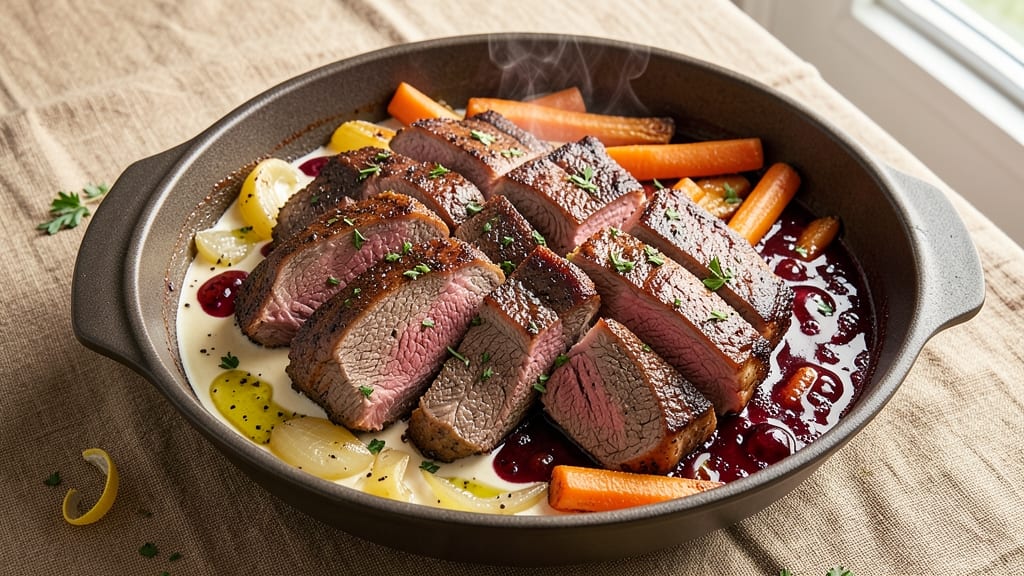
This beef and red wine casserole recipe transforms humble ingredients into a deeply flavorful one-pot masterpiece that tastes like it simmered all day—without requiring your full attention. The secret lies in proper searing and deglazing, which builds layers of caramelized richness that no shortcut can replicate. I developed this version after years of testing, ensuring the beef stays tender while the wine's acidity brightens every bite.
What sets this casserole apart is its balance of techniques—browning the beef creates a flavorful crust, while the red wine reduces to a velvety sauce that coats everything. The vegetables soften just enough to absorb the sauce without disappearing, and the cheese on top adds a golden, crispy finish.
It's the kind of dish that smells like comfort food the moment it enters the oven.
By the time it emerges, you'll have perfectly tender beef swimming in a deep red sauce, surrounded by tender vegetables and crowned with bubbly, golden cheese. The one-pot approach means minimal cleanup, while the rich flavors make it feel like a restaurant-quality meal.
This is the recipe that turns weeknight dinners into special occasions.
The best part? It works equally well as a family dinner or a showstopper for guests. Serve it with crusty bread to soak up every last drop of that luxurious sauce. Here's how to make it—step by step.
Ingredients for beef and red wine casserole
Rich beef, bold wine, and tender vegetables create this restaurant-quality casserole with minimal effort.
| Ingredient | Amount | Notes |
|---|---|---|
| Beef Chuck Roast 🥩 | 1 ½ lb | Pre-cubed, 1-inch pieces |
| Red Wine 🍷 | 1 cup | Bold, dry variety |
| Beef Broth 💧 | 1 ½ cups | Low-sodium preferred |
| Tomato Paste 🍅 | 2 tbsp | Smooth, no sugar added |
| Yellow Onion 🧅 | 1 whole | Medium, diced |
| Carrots 🥕 | 4 medium | Whole, sliced into rounds |
| Garlic Cloves 🧄 | 4 cloves | Minced, fresh preferred |
| All-Purpose Flour 🌾 | 2 tbsp | For thickening sauce |
| Dried Thyme 🌿 | 1 tsp | Or 1 tbsp fresh |
| Salt 🧂 | 1 ½ tsp | Kosher or sea salt |
| Black Pepper 🌶️ | ½ tsp | Freshly ground preferred |
| Sharp Cheddar Cheese 🧀 | 1 cup | Shredded, aged |
| Olive Oil 🫒 | 2 tbsp | For searing beef |
| Fresh Parsley 🌿 | ¼ cup | Chopped, for garnish |
The beef is the foundation—chuck roast stays tender while developing deep flavor. Costco or local butchers often sell pre-cubed chuck, saving prep time. Look for good marbling to ensure juiciness. The red wine should be bold and dry—Cabernet Sauvignon or Merlot work perfectly, but whatever's open in your cabinet will do. For the tomato paste, Muir Glen is my go-to brand—it's smooth and free of added sugar, which keeps the sauce from tasting overly sweet.
No red wine? Beef broth with 1 tbsp balsamic vinegar mimics the depth. Fresh thyme is ideal, but dried works at one-third the amount. The carrots can be baby carrots if that's what you have, but whole carrots sliced into rounds hold their shape better. For the cheese, aged sharp cheddar melts beautifully, but Parmesan mixed in adds complexity. The olive oil matters here—use something with good heat tolerance for searing. If you're short on time, Trader Joe's has pre-minced garlic that works in a pinch.
This casserole reheats beautifully—honestly tastes better the next day as flavors meld. Keeps for 4-5 days in the fridge, freezes for 3 months if portioned into containers. I always make double batches because it's perfect for meal prep. Store leftovers covered to prevent drying. The cheese topping can be added fresh before serving or baked on top—both ways work, but the latter gives that golden crust.
Why You'll Love This Recipe
- One-Pan Magic: The beef chuck roast practically cooks itself while the wine and broth braise down into a rich, velvety sauce—no flipping, no fuss. I swear, I’ve made this while scrolling through my phone (don’t judge).
- Wine-Infused Richness: That first sip of red wine cutting through the caramelized onions? It’s like a tiny glass of dinner right in the pot. The tomato paste deepens the flavor without tasting like a can, and the slow simmer turns tough beef into melt-in-your-mouth perfection.
- Leftovers That Shine: This dish only gets better the next day—honestly, the flavors marry overnight into something even more complex. I portion it into containers before it cools, so reheating is just 2 minutes in the microwave or oven, and it’s still hearty enough for lunch.
- Budget-Friendly Luxury: A chuck roast is cheaper than steak, but it tastes like you splurged. The wine and broth stretch into a sauce that feels restaurant-worthy, and a single onion and paste keep costs low. It’s the kind of meal that makes grocery day feel like a win.
Step-by-step instructions for beef and red wine casserole
Here's the straightforward method for creating a deeply flavorful, one-pot dish that develops rich layers of taste.
Sear the Beef Chuck Roast
Heat the 2 tablespoons olive oil in a large Dutch oven over medium-high heat until shimmering. Add the 1.5 lb beef chuck roast in a single layer, working in batches if needed, and sear for 3-4 minutes per side until the pieces develop a deep golden-brown crust. This step is crucial for building flavor - don't rush it.
As you sear, you'll notice the meat release from the pan easily when properly browned. Once all pieces are seared, remove them with a slotted spoon and set aside on a plate. The residual browned bits in the pot will form the base of your sauce, so don't scrape them out.
Build the Flavor Base
In the same Dutch oven, add the diced yellow onion and cook for 4-5 minutes until softened and beginning to caramelize. Stir in the 4 cloves minced garlic and cook for 30 seconds just until fragrant - garlic burns quickly, so watch carefully. Add the 2 tablespoons tomato paste and cook for 1 minute to deepen its flavor.
Pour in the 1 cup red wine, scraping up any browned bits from the bottom with a wooden spoon. Let this simmer for 3-4 minutes until the wine reduces by about half and the alcohol smell dissipates. This reduction concentrates the flavors and forms the foundation of your sauce.
Develop the Sauce and Add Vegetables
Sprinkle the 2 tablespoons all-purpose flour over the wine mixture and stir vigorously for 1-2 minutes to remove any raw flour taste. Gradually whisk in the 1.5 cups beef broth until smooth. Return the seared beef to the pot along with the 4 medium sliced carrots and 1 teaspoon dried thyme. Bring to a simmer, then reduce heat to medium-low and cover partially.
Let the casserole simmer for 45-50 minutes, stirring occasionally, until the beef is tender and the sauce has thickened. You'll know it's ready when the beef easily pulls apart with a fork and the sauce coats the back of a spoon. Season with 1.5 teaspoons salt and 0.5 teaspoon black pepper to taste.
Finish with Cheese and Garnish
Remove the casserole from heat and stir in the 1 cup shredded sharp cheddar cheese until melted and fully incorporated. The cheese should create a creamy, velvety texture that coats all the ingredients. If the sauce is too thick, add 2-3 tablespoons of water to reach your desired consistency.
Transfer the casserole to serving dishes and let it rest for 5 minutes to allow the cheese to set slightly. Garnish with 0.25 cup chopped fresh parsley just before serving. The parsley adds a bright contrast to the rich, wine-infused flavors and makes the dish visually appealing.
Pro Tips For Making Beef And Red Wine Casserole
- Sear the Beef First: Don’t just toss that chuck roast into the pot—get it blazing hot in a Dutch oven with oil first. A deep sear locks in flavor and keeps the meat from turning mushy later. (Yes, even if you’re impatient like me.)
- Deglaze with Wine Immediately: As soon as you pull the beef out, pour in that red wine right away and scrape every last bit of browned bits from the bottom. Those bits are pure flavor, and skipping this step means a duller sauce. (I learned this the hard way—my first batch tasted like it was missing something.)
- Use a Splatter Screen: Red wine splatters everywhere when it hits hot metal. Save your countertops (and your sanity) by draping a splatter screen over the pot while deglazing. Trust me, you’ll thank yourself when you’re not scrubbing wine stains off your cabinets.
- Simmer Low and Slow: This isn’t a race. After adding broth and tomato paste, reduce heat to a gentle simmer and let it bubble quietly for at least 2.5 hours. Rushing it makes the beef tough; patience gives you fork-tender perfection. (I know, I know—but trust the process.)
Dietary considerations for this beef and red wine casserole
Gluten-Free Adaptations
This casserole is naturally gluten-free if you use a certified gluten-free flour blend instead of all-purpose flour. I recommend Bob's Red Mill 1-to-1 Gluten-Free Baking Flour—it thickens sauces beautifully without altering texture.
Simply replace the 2 tbsp all-purpose flour with the same amount of gluten-free flour blend. For extra insurance, check that your beef broth and tomato paste are also labeled gluten-free. 🌾
Dairy-Free Option
Skip the cheddar cheese and substitute with nutritional yeast (for a cheesy flavor) or dairy-free sharp cheddar shreds like Violife. To maintain creaminess, stir in 2 tbsp coconut milk after removing from heat.
The wine and beef broth provide enough richness that you won’t miss the dairy. I’ve found Follow Your Heart dairy-free cheese melts well when baked.
Low-Carb Modifications
For a lower-carb version, reduce the carrots to just 2 medium and add 1 cup sliced mushrooms for umami depth. Replace the all-purpose flour with 2 tbsp cornstarch (also gluten-free) to thicken the sauce.
The mushrooms add hearty texture while keeping carbs in check. This swap works beautifully and adds an earthy contrast to the wine flavors.
Vegetarian Adaptation
Swap the beef for extra-firm tofu or mushroom medley (cremini + shiitake). Press and cube the tofu, then pan-sear until golden. For mushrooms, slice 8 oz total and sauté until deeply browned.
The wine and tomato paste will still create a rich base, while the mushrooms soak up the flavor. This version keeps the same comforting texture but with plant-based protein.
Allergen-Friendly Tips
For nut allergies, always check cheese labels—some brands process in nut facilities. For soy allergies, use tofu-free broth (like Imagine brand) and ensure your tomato paste is soy-free.
If you’re avoiding nightshades (like tomatoes), omit the tomato paste and add 1 tsp smoked paprika for depth. The wine and beef still carry the dish’s signature richness.
Nutrition facts
Frequently asked questions
Can I use a different type of beef for this casserole?
While chuck roast is ideal for its tenderness and flavor, you can substitute with stew beef or chuck steak cut into cubes. Avoid lean cuts like sirloin—they won’t stay tender during the long cooking time. If using pre-cut beef, pat it dry first to help with browning.
What if I don’t have red wine? Can I substitute?
Yes! Use 1 cup beef broth + 1 tbsp balsamic vinegar for depth, or 1 cup cranberry juice for a slightly sweet alternative. For extra richness, add 1 tsp Worcestershire sauce. The wine’s acidity helps tenderize the beef, so these substitutes mimic that effect.
How do I prevent the casserole from getting watery?
Simmer uncovered for the last 10 minutes to thicken the sauce, or stir in 1 tbsp cornstarch mixed with 2 tbsp water at the end. Avoid overfilling the dish—it should be ¾ full before baking. The cheese topping also helps absorb excess liquid.
Can I make this ahead of time?
Assemble the casserole (without cheese) up to 24 hours ahead and refrigerate. Bake straight from the fridge, adding 10-15 extra minutes to the cooking time. For freezing, bake first, then cool completely before storing in an airtight container for up to 3 months. Reheat covered at 350°F until warmed through.
What’s the best way to reheat leftovers?
Transfer to an oven-safe dish and cover with foil. Reheat at 325°F for 20-25 minutes until bubbly. For microwave reheating, cover with a damp paper towel and heat in 1-minute intervals, stirring between each. The sauce thickens when cold, so add 1-2 tbsp broth or water if needed.