
Soups & Stews
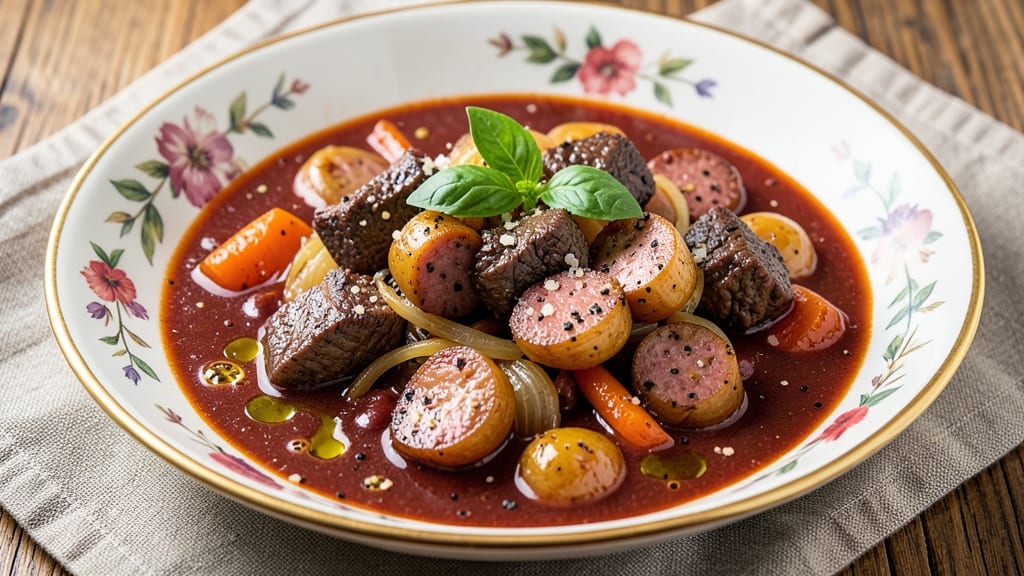
This beef and sausage bolognese recipe delivers the deep, meaty richness you crave in every forkful—where tender beef and Italian sausage create layers of flavor that cling to al dente pasta.
The secret lies in slow-cooking the meat until it practically melts, then building a sauce that balances sweet tomatoes with aromatic herbs and a touch of sweetness.
I developed this version after years of testing, ensuring it's foolproof yet packed with restaurant-quality depth that transforms simple weeknight dinners into something special.
The foundation starts with properly browning the beef and sausage—this step develops the sauce's complexity by creating a rich, flavorful base. From there, we simmer everything in a rich tomato broth with garlic, onions, and a splash of red wine for brightness.
The result is a sauce that's velvety yet robust, with just enough acidity to cut through the richness of the meat. This isn't your basic quick sauce; it's a labor of love that rewards patience with unmatched flavor.
What you'll end up with is a bolognese so rich and flavorful it becomes the star of any meal—whether served over fresh pasta, creamy polenta, or even as a hearty stuffing for ravioli.
The meat stays tender and juicy, while the sauce develops a perfect balance of sweet, savory, and slightly tangy notes. Garnish with fresh basil or grated parmesan for an extra layer of brightness that makes every bite taste like a trip to Italy.
Perfect for feeding a crowd or meal prepping for the week, this recipe scales beautifully while maintaining its depth of flavor. The slow-cooking process means the flavors only get better as they sit, making it ideal for making ahead.
Pair with a bold red wine like Chianti or a simple arugula salad to round out the meal. Here's how to make it—step by step.
Ingredients for beef and sausage bolognese
Six servings of restaurant-quality bolognese—where meaty layers meet rich tomato depth.
| Ingredient | Amount | Notes |
|---|---|---|
| Chuck Roast 🥩 | 2 lb | Cut into 1-inch cubes |
| Italian Sausage 🌭 | 1 lb | Sweet or spicy, casings removed |
| Yellow Onion 🧅 | 1 whole | Diced into 1/4-inch pieces |
| Carrots 🥕 | 2 medium | Corrected to '2 medium', peeled and diced |
| Garlic Cloves 🧄 | 4 cloves | Minced for depth of flavor |
| Canned San Marzano Tomatoes 🍅 | 28 oz | Crushed or whole, no salt added |
| Dry Red Wine 🍷 | ½ cup | Bold like Cabernet or Merlot |
| Tomato Paste 🍅 | 2 tbsp | For concentrated richness |
| Fresh Rosemary 🌿 | 2 tbsp | Chopped, or 1 tsp dried |
| Fresh Thyme 🌿 | 1 tbsp | Leaves only, or 1 tsp dried |
| Bay Leaves 🌿 | 2 whole | Removed before serving |
| Beef Broth 💧 | 1 ½ cups | Low-sodium preferred |
| Extra-Virgin Olive Oil 🫒 | 2 tbsp | For browning meat |
| Salt 🧂 | 1 ½ tsp | Kosher or sea salt |
| Ground Black Pepper 🌶️ | 1 tsp | Freshly cracked |
The chuck roast is non-negotiable here—it's what gives that melt-in-your-mouth texture. Costco or Whole Foods usually have it pre-cut, but if you're buying a whole roast, ask the butcher to cube it for you. Look for good marbling (those white fat streaks)—that's where the flavor hides. The Italian sausage? Sweet is classic, but spicy adds a kick. If you can't find it fresh, frozen works too—just thaw it first. For the tomatoes, San Marzano cans are worth the splurge—they're sweeter and less acidic, which balances the wine perfectly.
No red wine? Beef broth with a splash of balsamic vinegar works in a pinch, but you'll lose some depth. Fresh herbs are ideal, but dried thyme at one-third the amount gets you close. The tomato paste can be swapped for more crushed tomatoes if you're in a hurry, though it won't be quite as concentrated. Carrots can be baby carrots if that's what's in the fridge—just chop them small so they melt into the sauce. And if you're watching salt, reduce the kosher salt slightly—the broth and tomato paste already add sodium.
This sauce tastes even better the next day—honestly, it's when all the flavors meld together. Keeps for 5 days in the fridge, or 3 months frozen. I like to portion it into containers with a little pasta cooked in, so I can just reheat and serve. For freezing, let it cool completely first, then store in airtight containers. The meat stays juicy if you freeze it in the sauce, but if you're prepping ahead, you can brown the meat fresh and add it back later.
Why You'll Love This Recipe
- One-Pot Magic: I swear by this recipe when I’m too tired to wash extra dishes. Chuck roast and sausage practically cook themselves in the same pot, while the onions and carrots soften into sweet, caramelized bits—no separate pans, no fuss.
- Deep, Meaty Richness: Between the chuck roast’s tender pull-apart texture and the herby, spiced sausage, every bite feels like a hug. The garlic cloves? They’re the secret—sizzling in the oil until they’re golden, then dissolving into the sauce for that oh yeah depth.
- Weeknight to Potluck: This dish works for lazy Tuesdays (hello, frozen breadsticks) or Sunday dinners with company. Double the batch, freeze half, and you’ve got a stress-free meal for another night—no one will guess it’s the same recipe.
- Budget Stretch: Chuck roast and bulk Italian sausage are my go-to for feeding a crowd without breaking the bank. The carrots and onions add color and sweetness without costing extra, and leftovers? Even better reheated the next day (or packed for lunch).
Step-by-step instructions for beef and sausage bolognese
Here's how to build layers of flavor that make this bolognese unforgettable.
Brown the Meats for Maximum Flavor
Heat a large Dutch oven over medium-high heat and add the 2 tablespoons extra-virgin olive oil. Working in batches if needed, add the 2 lb chuck roast cut into 1-inch cubes and the 1 lb Italian sausage (remove any casings first). Brown the meat thoroughly on all sides, which should take about 10-12 minutes. You're looking for deep golden-brown color—this caramelization forms the flavor foundation.
I like to press down gently on the meat with a wooden spoon during the first minute of browning—this prevents it from curling and ensures even contact with the pan. Once the meat is browned, transfer it to a plate and set aside. Don't drain the fat—those rendered juices will become part of your sauce.
Sauté Vegetables and Aromatics
In the same Dutch oven, reduce heat to medium and add the 1 whole yellow onion diced into ¼-inch pieces and the 2 medium carrots diced into ¼-inch pieces. Cook for 5-6 minutes until the onions soften and begin to caramelize at the edges. This step builds sweetness that balances the richness of the meat.
Add the 4 cloves garlic minced, 2 tablespoons fresh rosemary (chopped), and 1 tablespoon fresh thyme (leaves only). Cook for another 1-2 minutes until the garlic becomes fragrant but doesn't burn—burnt garlic tastes bitter and ruins the whole dish. Stir constantly to prevent burning.
Build the Sauce Base
Return the browned meat to the Dutch oven and stir to combine with the vegetables. Add the 2 tablespoons tomato paste and cook for 1 minute to toast the paste, which deepens its flavor. Pour in the ½ cup dry red wine and scrape up any browned bits from the bottom of the pan—these bits contain concentrated flavor.
Let the wine simmer for 2-3 minutes until it reduces by half. Then add the 28 oz canned San Marzano tomatoes (crushed or whole), 1.5 cups beef broth, 2 whole bay leaves, 1.5 teaspoons salt, and 1 teaspoon ground black pepper. Stir well to combine all ingredients.
Simmer Until Tender and Rich
Bring the mixture to a gentle simmer, then reduce heat to low. Partially cover the Dutch oven and let it cook for 1.5-2 hours, stirring occasionally. The sauce should thicken gradually as the meat breaks down and the flavors meld together. You'll know it's ready when the meat is fork-tender and pulls apart easily.
Here's the thing—don't rush this step. The longer it simmers, the deeper the flavors become. If the sauce gets too thick before the meat is tender, add ¼ cup water or beef broth to loosen it. The key is maintaining a consistent simmer without boiling vigorously, which can make the sauce too acidic.
Finish and Adjust Seasoning
Once the meat is tender and the sauce has thickened to your desired consistency, remove the 2 whole bay leaves. Taste and adjust seasoning if needed—you might need a bit more salt or pepper, depending on your preferences. The sauce should be rich, slightly sweet from the carrots and tomatoes, and deeply savory from the meat.
Let the bolognese rest for 10-15 minutes before serving. This resting time allows the flavors to settle and the sauce to thicken slightly. Serve over your favorite pasta, with a sprinkle of fresh parsley if you like. The leftovers actually improve the next day as the flavors continue to develop.
Pro Tips For Making Beef And Sausage Bolognese
- CRUSH THE SAUSAGE FIRST: Don’t just slice those Italian sausages—crack them open and break the meat into rough chunks with your fingers. The casings hold flavor, but letting the meat brown properly in the pot makes a real difference. I used to just slice them thin, and the dish never had that deep, meaty punch.
- SWEAT ONIONS LOW AND SLOW: Turn that heat down to medium-low when cooking the onions. I learned this the hard way—charred onions ruin the whole sauce. Aim for a soft, translucent texture, not golden. If they start sticking, add a splash of broth and keep stirring.
- DON’T SKIP THE CARROT GRATE: Finely grate those carrots instead of chopping them. They’ll dissolve into the sauce, adding natural sweetness and thickening it without starch. I was skeptical until I tried it—now I never go back.
- REST THE CHUCK ROAST: Let the beef sit at room temp for 30 minutes before searing. Cold meat steams instead of browning, and that’s when the flavors start building. I know, I know—it’s tempting to jump straight to the pot, but trust the process.
Dietary considerations for these flavors
Gluten-Free Adaptations
This bolognese is naturally gluten-free if you use gluten-free beef broth and check sausage labels—many Italian sausages contain wheat. I recommend Applegate or Chorizo brands for certified gluten-free options. Serve over gluten-free pasta like Barilla GF or De Cecco brands, which hold sauce beautifully. 🥗
Low-Carb Options
Skip the pasta entirely and serve over cauliflower rice or zucchini noodles for a low-carb twist. I also love pairing it with shirataki noodles (soaked first) for a zero-carb option. The bolognese's richness stands up perfectly to these alternatives without needing extra sauce adjustments.
Dairy-Free Considerations
Traditional bolognese doesn't contain dairy, but if you're avoiding it entirely, skip any optional parmesan garnishes. The sauce's depth comes from tomatoes and meat, so no dairy substitutes are needed. For extra richness, stir in 1 tablespoon nutritional yeast at the end for a cheesy flavor without dairy. 🌱
Allergen-Friendly Swaps
For nut allergies, ensure your beef broth is nut-free (some brands use nut-based thickeners). For shellfish allergies, verify sausage ingredients—some Italian sausages contain shellfish derivatives. I always double-check labels, especially when cooking for guests with allergies. The recipe remains safe and delicious with these simple precautions.
Vegetarian Adaptations
While this is a meat-focused recipe, you can create a vegetarian version by replacing the beef and sausage with 1 lb mushrooms (cremini or portobello) and 1 lb lentils (cooked).
Sauté the mushrooms first to develop their umami depth, then proceed with the same tomato base. The texture will differ, but the rich sauce remains intact. 🌿
Nutrition facts
Frequently asked questions
Can I use ground beef instead of chuck roast?
The recipe calls for chuck roast because it stays tender and flavorful during the long simmer. Ground beef will work in a pinch, but it may turn out slightly drier and less rich. If you must substitute, use 80/20 ground beef (20% fat) for better moisture and flavor.
How do I prevent the sauce from becoming too acidic?
Acidity builds when the sauce simmers too vigorously. Keep the heat at a gentle simmer (low heat) and avoid boiling. If it gets too acidic, balance it with a pinch of sugar or a splash of ½ cup beef broth. Using high-quality tomatoes like San Marzano also reduces acidity.
Can I make this in a slow cooker?
Brown the meat first, then transfer everything to a slow cooker and cook on low for 6-8 hours or high for 3-4 hours. The slow cooker method is perfect for hands-off prep, and the flavors meld beautifully. Just add ¼ cup water if the sauce thickens too much.
What's the best pasta to serve with this?
Traditional choices include tagliatelle or fettuccine (their flat surfaces hold sauce well). For extra heartiness, try pappardelle or rigatoni. If you prefer low-carb, zucchini noodles or shirataki noodles work too. Cook pasta al dente—it should be slightly firm to avoid a mushy texture.
Why does my bolognese taste bland?
Blandness often comes from skipping the browning step or using lean meat. Always brown the meat thoroughly for depth, and taste as you go—adjust with salt, pepper, or a splash of red wine if needed. A pinch of red pepper flakes or extra herbs can also brighten flavors.