
Main Courses
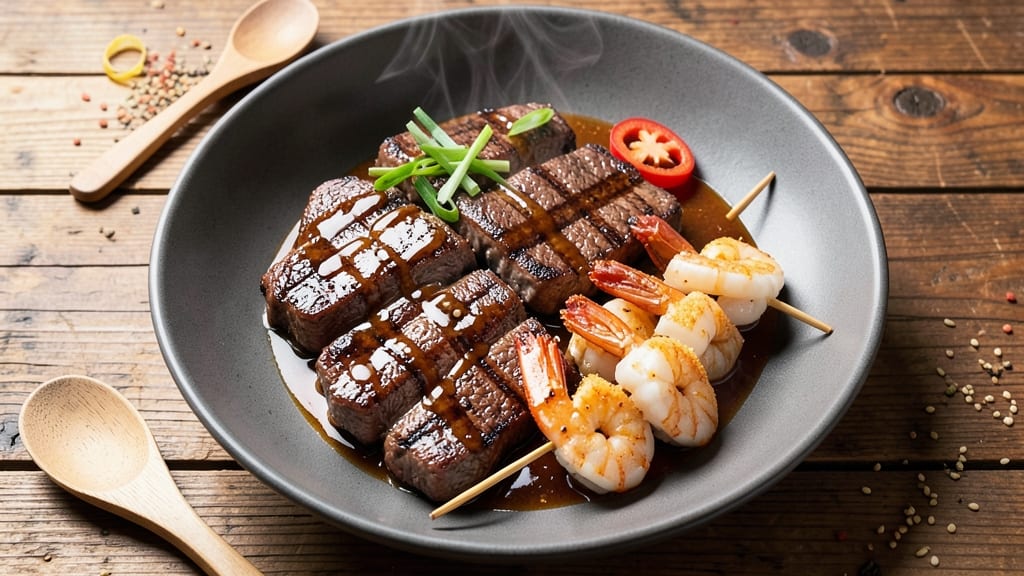
This beef and shrimp teriyaki recipe delivers restaurant-quality balance in a single pan, where tender beef strips and succulent shrimp bathe in a glossy, sweet-savory sauce. The secret lies in separate cooking methods—searing beef first to develop depth, then gently simmering shrimp to maintain their delicate texture.
With just 30 minutes of active time, you'll transform simple ingredients into a dish that feels both elegant and effortless.
The teriyaki sauce itself is where the magic happens, combining traditional Japanese flavors with a perfect sweet-savory ratio. We'll build it from scratch using soy sauce, mirin, and brown sugar, then reduce it to a velvety consistency that clings beautifully to both proteins.
Cross-contamination precautions are critical here—raw beef and shrimp require careful prep to ensure food safety without sacrificing flavor.
What you'll end up with is a plate of perfectly cooked beef (reaching 145°F internally) and shrimp that turn opaque pink, all coated in that glossy teriyaki glaze. The sauce's caramelized edges add complexity, while the underlying umami from the soy and ginger creates depth.
Serve over steamed rice or with stir-fried vegetables for a complete meal that's both satisfying and balanced.
This recipe is designed for weeknight dinners but feels special enough for company—no fancy techniques required, just attention to timing and temperature. The result is a dish that's rich yet light, sweet yet savory, with every bite offering that perfect harmony of textures and flavors. Let's get cooking!
Ingredients for beef and shrimp teriyaki
Restaurant-quality teriyaki starts with these precise ingredients—where protein meets umami in perfect harmony.
| Ingredient | Amount | Notes |
|---|---|---|
| Ribeye Steak 🥩 | 1 ¼ lb | Cut into 1-inch strips, trimmed of fat |
| Large Shrimp 🦐 | 1 lb | Peeled and deveined, tails on |
| All-Purpose Flour 🌾 | ¼ cup | For coating beef strips |
| Large Eggs 🥚 | 2 whole | Beaten for egg wash |
| Japanese Soy Sauce 🍶 | ½ cup | Kikkoman preferred for authenticity |
| Mirin 🍶 | ¼ cup | Sweet rice wine, not imitation |
| Light Brown Sugar 🍯 | ¼ cup | Packed firmly for accuracy |
| Fresh Ginger 🌿 | 1 tbsp | Finely grated, aromatic |
| Garlic Cloves 🧄 | 4 cloves | Minced finely for sauce |
| Sesame Oil 🫒 | 1 tbsp | Toasted for aroma |
| Vegetable Oil 🫒 | 2 tbsp | High smoke point for searing |
| Diamond Crystal Kosher Salt 🧂 | 1 ½ tsp | Adjust to taste |
| Ground Black Pepper 🌶️ | ½ tsp | Freshly cracked |
| Sesame Seeds 🌾 | 1 tbsp | Toasted for garnish |
| Green Onions 🧅 | 3 whole | Sliced thinly for garnish |
The beef and shrimp are the stars, so quality matters. Ribeye delivers rich flavor when cut into even strips, while jumbo shrimp (21/25 count) ensure tender texture. For soy sauce, Kikkoman or Hondashi provide authentic depth—avoid low-sodium versions here. Mirin should be genuine, not the sweetened imitation; Matsuhisa or Kosho brands excel. Ginger and garlic must be fresh—no powdered substitutes. Purchase shrimp day-of or frozen for optimal texture, and store beef in the coldest part of your fridge until ready to use.
Substitutions require balance. No mirin? 1 tbsp sugar plus 1 tbsp water mimics its sweetness, though you'll lose some complexity. Swap brown sugar for white if needed, but reduce by 1 tbsp—it packs more moisture. For sesame oil, toasted peanut oil works in a pinch, though flavor will differ. If you can't find Japanese soy sauce, use tamari or double the regular soy sauce, but add 1/4 tsp sugar to compensate. The flour and eggs create a light crust—cornstarch can replace flour at 1:1 for a crispier texture, though it lacks binding power.
Cross-contamination is critical with raw beef and shrimp. Use separate cutting boards and utensils, and clean all surfaces thoroughly between proteins. The sauce can be prepped 1 day ahead and stored in the fridge; reheat gently before using. Leftover beef and shrimp keep 2 days refrigerated, while the sauce lasts 5 days. For freezer storage, portion sauce into ice cube trays—perfect for future quick meals. Always reheat shrimp gently to avoid rubbery texture, and beef to 165°F to ensure safety.
Why You'll Love This Recipe
- One-Pan Magic: I swear by this recipe—just toss the ribeye and shrimp in a skillet, coat them in the egg wash and flour, and let the teriyaki sauce do the rest. No extra pans, no mess, no stress.
- Sweet-Savory Balance: That Japanese soy sauce and ribeye combo? It’s like a flavor explosion. The shrimp soak up the sauce perfectly, while the steak stays tender with a caramelized crust—every bite is rich, sticky, and just sweet enough.
- Weeknight to Dinner Party: Honestly, I make this for lazy Tuesdays, but it also feels fancy enough for company. Double the batch, serve it over rice, and suddenly you’ve got a restaurant-worthy meal without the fuss.
- Leftover Goldmine: Between us, this dish tastes even better the next day. The flavors meld, the sauce thickens just right, and reheating it is a breeze—perfect for packed lunches or a quick dinner when you’re too tired to cook.
Step-by-step instructions for beef and shrimp teriyaki
Here's how to create a perfect balance of sweet and savory in one flavorful pan.
Prepare the Protein Components
Start by cutting the 1.25 lb ribeye steak into 1-inch strips, trimming any excess fat. Place the strips in a shallow bowl and add the 0.25 cup all-purpose flour, tossing to coat evenly. In a separate bowl, beat the 2 whole large eggs until just combined. Transfer the floured beef strips to the egg mixture, coating each piece thoroughly. Set aside for 5 minutes to allow the flour to adhere.
Meanwhile, peel and devein the 1 lb large shrimp, leaving the tails intact. In a small bowl, combine the shrimp with the 1.5 tsp diamond crystal kosher salt and 0.5 tsp ground black pepper, gently tossing to ensure even seasoning. This preparation ensures both proteins will develop a perfect crust while maintaining their tenderness.
Sear the Beef and Shrimp
Heat a large skillet over medium-high heat and add the 2 tbsp vegetable oil. Once the oil shimmers, carefully add the egg-coated beef strips in a single layer, avoiding overcrowding. Cook for 2-3 minutes per side until they develop a golden-brown crust and are cooked to your preferred doneness. Remove the beef from the skillet and set aside, keeping warm.
In the same skillet, add the seasoned shrimp and cook for 1-2 minutes per side until they turn opaque and pink. The shrimp should release easily from the pan when done. Remove them and set aside with the beef, ensuring they stay warm for the final assembly.
Create the Teriyaki Sauce
Reduce the heat to medium and add the 1 tbsp sesame oil to the skillet. Stir in the 1 tbsp finely grated fresh ginger and 4 minced garlic cloves, cooking for 30 seconds until fragrant. Pour in the 0.5 cup Japanese soy sauce and 0.25 cup mirin, scraping up any browned bits from the bottom of the pan. Add the 0.25 cup packed light brown sugar and stir until it dissolves completely.
Simmer the mixture for 3-4 minutes, allowing the sauce to thicken slightly and the flavors to meld. The sauce should coat the back of a spoon and have a glossy sheen. If it thickens too much, add 1-2 tablespoons of water to achieve the desired consistency.
Combine and Finish
Return the beef and shrimp to the skillet, pouring the teriyaki sauce over them. Toss gently to coat the proteins evenly with the sauce. Cook for an additional 1-2 minutes to ensure everything is heated through and the sauce clings to the ingredients.
Remove the skillet from the heat and let it rest for 2 minutes. This brief resting period allows the sauce to set slightly, making it easier to serve. Garnish with the 1 tbsp toasted sesame seeds and 3 sliced green onions, adding a final touch of texture and aroma.
Serve Immediately
Transfer the beef and shrimp teriyaki to a serving platter, ensuring the sauce is evenly distributed. Serve immediately over steamed rice or noodles to soak up the delicious teriyaki glaze. The combination of tender beef, succulent shrimp, and the sweet-savory sauce creates a harmonious balance that's perfect for any meal.
Pro Tips For Making Beef And Shrimp Teriyaki
- Sear Steak First: Take the ribeye out of the fridge 30 minutes before cooking, then hit it with a screaming-hot pan for 2-3 minutes per side before adding anything else. That crust locks in flavor and keeps the meat juicy—no one wants a dry teriyaki steak.
- Peel Shrimp Late: Leave the shells on until you’re ready to toss them in the teriyaki sauce. They add body and sweetness, but if you peel too early, you’ll lose that natural flavor boost. I used to peel them first, and the dish never tasted as rich.
- Skip Overcrowding: Cook the shrimp in batches if your pan is small—even if it means an extra minute. Crowding steams them instead of searing, and soggy shrimp ruin the whole dish. Trust me, two minutes of waiting is better than mushy shrimp.
- Deglaze Aggressively: After searing the steak, don’t just splash in the teriyaki sauce—scrape up every last bit of browned bits with a wooden spoon first. That’s where half the flavor lives, and skipping it means a milder sauce. I learned this after tasting the difference side by side.
Wine and beer pairings for this dish
Japanese White Wine
For this dish, I always reach for a crisp Koshu or Yamagata Riesling—both showcase delicate floral notes and subtle sweetness that mirror the teriyaki's balance. The acidity cuts through the richness of the beef while complementing the shrimp's natural sweetness.
Try Chateau Margaux Koshu from Yamanashi, which offers a perfect mineral finish that enhances the dish's umami depth. 🍷
Light-Bodied Reds
A Pinot Noir from Oregon or New Zealand works beautifully with the beef's richness while keeping the shrimp's delicate flavor intact. Look for wines with 12-13% ABV and bright red fruit notes—Domaine Serene Pinot Noir or Oyster Bay Pinot Noir are excellent choices.
These wines won't overpower the teriyaki's sweetness but provide enough structure to stand up to the beef.
Sake Pairings
If you prefer something more traditional, a chilled Junmai Daiginjo sake offers a perfect match. The clean, slightly sweet profile enhances the teriyaki's flavors without competing. I recommend Dassai 23 or Hakkaisan Junmai Daiginjo—both provide a refreshing contrast to the dish's richness.
Serve it slightly chilled (45-50°F) for the best experience.
Beer Recommendations
A crisp Japanese lager like Sapporo or Asahi Super Dry cleanses the palate between bites, letting the teriyaki's flavors shine.
For craft beer lovers, a Belgian witbier with its citrusy notes adds a fun contrast. Hoegaarden or Stella Artois are great options—they're light enough to balance the dish's richness while adding a touch of effervescence. 🍺
Non-Alcoholic Options
Don't overlook sparkling yuzu soda or Japanese green tea (like Hojicha) for a refreshing, alcohol-free pairing. The citrus notes in yuzu complement the teriyaki's sweetness, while the toasted flavor of Hojicha enhances the beef's richness. Both options provide a clean, refreshing finish to the meal.
Nutrition facts
Frequently asked questions about beef and shrimp teriyaki
Can I substitute chicken for the beef in this recipe?
The recipe relies on beef's rich flavor and texture, but you can use boneless, skinless chicken thighs (not breasts) if needed. Cut them into 1-inch cubes and cook for 5-6 minutes per side until reaching 165°F internally. Chicken absorbs more sauce, so reduce the teriyaki by 2 tablespoons to avoid a watery finish.
How do I adjust the sweetness level in the teriyaki sauce?
The sauce balances sweet and savory perfectly, but you can tweak it easily. For less sweetness, reduce the brown sugar by 1 tablespoon or swap 1/4 cup mirin for dry sherry. For more sweetness, add 1 teaspoon honey or increase mirin by 1 tablespoon. Taste as you go—simmering longer intensifies flavors!
What's the best way to reheat leftovers without drying out the shrimp?
Reheat gently in a skillet over low heat with 1 teaspoon water or broth to prevent drying. Cover the pan for 2-3 minutes until warmed through (145°F for beef, 145°F for shrimp). Avoid microwaving—it makes shrimp rubbery. For extra moisture, add a splash of teriyaki sauce when reheating.
Can I make this dish ahead of time?
Prep the teriyaki sauce 1 day ahead and store it in the fridge. For the proteins, cook the beef and shrimp separately, then refrigerate them in airtight containers for up to 2 days. Reheat gently before combining with the sauce. Never reheat shrimp above 145°F—it turns rubbery quickly!
Why does my teriyaki sauce turn out too thick?
Over-simmering or insufficient liquid causes thickness. Thin with 1-2 tablespoons water or mirin while heating, stirring constantly. For future batches, reduce the brown sugar slightly (2 tablespoons) or add 1 teaspoon cornstarch + 1 tbsp water to adjust consistency. Always simmer uncovered to prevent sticking.