
Soups & Stews
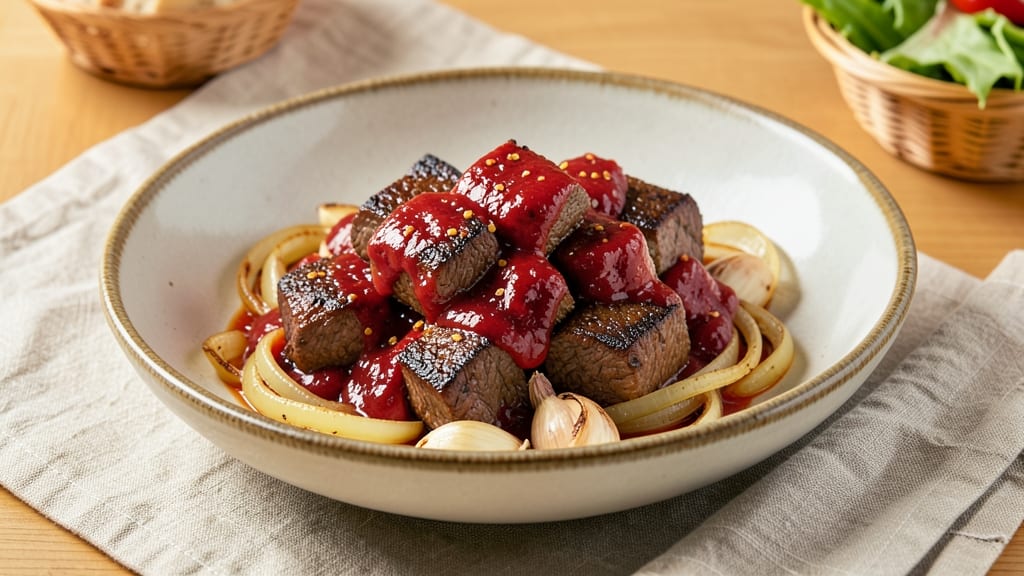
The beef arrabiata recipe transforms humble ingredients into a restaurant-worthy sauce that clings to every bite of tender beef. This dish captures the bold flavors of Italian cooking—spicy, tangy, and deeply aromatic—without requiring advanced techniques.
The secret lies in a slow-simmered tomato base infused with garlic, chili, and fresh herbs, creating a sauce that coats the beef like a second skin.
What sets this recipe apart is the balance of heat and richness, achieved through traditional methods like browning the beef and deglazing the pan. The result is a dish that’s both comforting and vibrant, perfect for feeding a crowd or a cozy weeknight dinner.
Each component—from the caramelized onions to the perfectly seared beef—plays a role in building layers of flavor that linger long after the last bite.
By the time you finish, you’ll have a dish that’s restaurant-quality but made at home: tender beef swimming in a glossy, spicy tomato sauce that clings to every strand of pasta or bite of crusty bread.
The aroma alone will have everyone gathering at the table, eager for a taste of this Italian classic.
This recipe delivers on its promise of bold, satisfying flavors while keeping the process straightforward. Whether you’re serving it over al dente pasta or alongside polenta, the rich, spicy sauce will become a staple in your cooking repertoire. Let’s get started—your taste buds will thank you.
Ingredients for beef arrabiata
Bold flavors start with these simple, restaurant-quality ingredients that transform into a rich, spicy sauce.
| Ingredient | Amount | Notes |
|---|---|---|
| Beef Chuck Roast 🥩 | 2 lb | Cut into 1-inch cubes |
| Garlic Cloves 🧄 | 6 cloves | Peeled and smashed |
| Yellow Onion 🧅 | 1 whole | Thinly sliced |
| Canned San Marzano Tomatoes 🍅 | 28 oz | Crushed by hand |
| Red Wine 🍷 | 1 cup | Bold dry variety |
| Chili Flakes 🌶️ | 1 tbsp | Adjust for heat preference |
| Fresh Basil Leaves 🌿 | ½ cup | Chopped, stems removed |
| Olive Oil 🫒 | ½ cup | Extra-virgin preferred |
| Beef Broth 💧 | 1 cup | Low-sodium preferred |
| Tomato Paste 🍅 | 1 tbsp | Squeeze tube works |
| Salt 🧂 | 1 ½ tsp | Kosher or sea salt |
| Black Pepper 🌶️ | ½ tsp | Freshly ground |
| Dried Oregano 🍃 | 1 tsp | Italian preferred |
| Fresh Red Chili Pepper 🌶️ | 1 whole | Seeded and minced |
The beef is non-negotiable—chuck roast gives you that melt-in-your-mouth texture. Grab it from the butcher counter if you can, or the pre-cubed section at Whole Foods or Trader Joe's saves time. Look for good marbling, and if you're buying a whole roast, cube it yourself for even cooking. The San Marzano tomatoes are worth the splurge—they're sweeter and less acidic than regular canned tomatoes, which balances the heat. If you can't find them, any high-quality crushed tomatoes will do, but don't skip the crushing step—it releases more flavor.
No red wine? Beef broth with a splash of balsamic vinegar works in a pinch, but the acidity helps break down the beef. Fresh basil is ideal, but dried oregano at half the amount gets you close if you're short on time. The chili flakes can be swapped for red pepper flakes if you prefer milder heat. For the garlic, roast it first—toss whole cloves with olive oil and roast at 400°F for 10 minutes before smashing. It adds a sweet, mellow depth that changes the game. The tomato paste? Trader Joe's squeeze tubes are perfect—no waste, and they keep for months in the pantry.
This sauce tastes even better the next day—make extra and freeze portions for quick meals. Store leftovers in the fridge for 5-6 days or freeze for 3 months. I like to portion it into ice cube trays before freezing, then pop out what I need for future dinners. The beef cubes reheat beautifully—just warm through with a splash of broth or water. If you're prepping ahead, brown the beef first and refrigerate it in the sauce; finish cooking when ready to serve.
Why You'll Love This Recipe
- One-Pot Magic: I swear by this—just brown the beef, toss in onions and garlic, deglaze with wine, and let the tomatoes work their sauce magic. No extra pots, no fuss, and that slow simmer? Pure hands-off bliss.
- Wine-Infused Depth: That splash of red wine doesn’t just cook off—it lingers, turning the San Marzano tomatoes into a velvety, slightly tangy sauce with layers of flavor. The beef? Tender enough to melt, but with enough bite to keep things interesting.
- Weeknight to Weekend: Make it on a Tuesday for easy lunches all week, or double the batch for a Sunday dinner that feels special. The leftovers reheat like a dream, and honestly? It’s the kind of dish that makes you look like a hero without trying.
- Budget-Friendly Luxury: A chuck roast is cheap, but it tastes like a steakhouse cut when braised in this rich sauce. No fancy ingredients—just good stuff that delivers restaurant-quality flavor without the price tag. My wallet thanks me every time.
Step-by-step instructions for beef arrabiata
Here's how to make a rich, spicy tomato sauce that clings perfectly to tender beef cubes.
Brown the Beef for Maximum Flavor
Heat the 0.5 cup olive oil in a large Dutch oven over medium-high heat until shimmering. Add the 2 lb beef chuck roast, cut into 1-inch cubes, and spread them out in an even layer. Don't crowd the pan—this ensures a good sear rather than steaming.
Sear the beef for 4-5 minutes until deeply browned on all sides. You'll see those beautiful crusty edges form, which pack a punch of flavor into the sauce. Once browned, remove the beef with a slotted spoon and set it aside on a plate. If the oil starts smoking too aggressively, reduce the heat slightly—you want a steady sizzle, not a raging fire.
Build the Aromatic Base
In the same Dutch oven, add the thinly sliced yellow onion and cook for 3-4 minutes until softened and just beginning to caramelize at the edges. Add the 6 peeled and smashed garlic cloves and the seeded and minced fresh red chili pepper, cooking for another 30 seconds until fragrant.
Stir in the 1 tbsp tomato paste and cook for 1 minute to deepen its flavor. This step is crucial—it removes the raw taste of the tomato paste and creates a rich foundation for the sauce. If the paste burns, reduce the heat briefly. Now add the 1 tbsp chili flakes and 1 tsp dried oregano, stirring to coat everything evenly.
Deglaze and Simmer the Sauce
Pour in the 1 cup red wine and scrape up all the browned bits from the bottom of the pan with a wooden spoon. These bits are packed with flavor—don't miss them! Let the wine simmer for 2-3 minutes until reduced by half, then add the 28 oz crushed San Marzano tomatoes and 1 cup beef broth.
Season with 1.5 tsp salt and 0.5 tsp black pepper, then bring to a gentle simmer. Partially cover the pot and let it cook for 30 minutes, stirring occasionally. The sauce should thicken slightly as it reduces, developing deep, complex flavors. If it gets too thick, add a splash of water or broth to loosen it.
Finish with Fresh Herbs and Tender Beef
Return the browned beef to the pot and simmer for another 15-20 minutes, until the beef is fork-tender. The sauce should now coat the back of a spoon and cling beautifully to the beef. Stir in the 0.5 cup chopped fresh basil leaves just before serving—this adds a bright, fresh finish that cuts through the richness of the sauce.
Taste and adjust the seasoning if needed. The sauce should be vibrant, spicy, and perfectly balanced. Serve immediately over pasta, polenta, or crusty bread to soak up every last bit of that clingy, flavorful sauce.
Pro Tips For Making Beef Arrabiata
- SEAR THE ROAST FIRST: Walk away after the first 2 minutes of browning—it’s tempting to keep moving it, but that’s when you lose the crust. Let the chuck roast sit undisturbed until it’s deep golden, even if it’s not perfectly even. I learned this the hard way when my arrabiata tasted more like stew than sauce-coated beef.
- SMASH THE GARLIC: Don’t just mince it—smash the whole cloves with the flat side of your knife first. This releases more flavor into the oil before it even hits the pan. (Yes, it looks like you’re hacking at a brick, but your sauce will taste like you spent hours simmering.)
- DEGLAZE WITH WINE, THEN WAIT: Pour in the red wine and let it bubble away for 30 seconds before scraping up those browned bits. Rushing this step means you’ll end up with a thin, flavorless sauce instead of a rich, jammy one. Patience here makes all the difference—your future self will notice.
- SIMMER LOW AND COVERED: After adding the San Marzano tomatoes, drop the heat to a gentle simmer and cover the pot for the first 20 minutes. This keeps the sauce from splitting and lets the acidity mellow out. I used to blast it high, and my sauce would always taste sharp and unfinished.
Wine and beer pairings for this recipe
Italian Red Wine
A bold, dry Chianti Classico or Sangiovese is my go-to pairing for beef arrabbiata—its bright acidity and earthy notes mirror the sauce's spicy tomato base while standing up to the rich beef.
Look for a Chianti Classico Riserva (aged 2+ years) for deeper complexity, or a Montepulciano d'Abruzzo if you prefer smoother tannins. Keep the bottle at room temperature for 30-45 minutes before serving to fully open its aromas. 🍷
Crisp White Wines
For those who prefer white, a Vermentino from Sardinia or Fiano di Avellino offers surprising balance—their citrus and mineral notes cut through the sauce's richness. I love chilling a Vermentino slightly (not ice-cold) to preserve its delicate aromas while refreshing the palate between spicy bites.
Avoid oaky whites like Chardonnay—they'll clash with the sauce's brightness.
Beer Pairings
A Malty Italian Lager like Peroni or Moretti works beautifully, with its subtle bitter notes complementing the dish's spice. For craft beer lovers, a Belgian Witbier (like Hoegaarden) brings citrusy coriander and peppery notes that echo the chili flakes. Serve beers at 45-50°F—too cold dulls their flavor complexity.
Non-Alcoholic Options
For a refreshing non-alcoholic match, try sparkling blood orange soda (like San Pellegrino Aranciata Rossa)—its citrusy effervescence cleanses the palate after each spicy bite. Alternatively, a sparkling water with lime and rosemary sprig adds herbal brightness without overpowering the dish.
I keep a pitcher chilled in the fridge for easy serving.
Serving Temperature
Wine should be served at 60-65°F for reds and 45-50°F for whites to highlight their aromas. Beer pairs best at 45-50°F—too cold numbs the flavors. Pro tip: Use an ice bucket with a towel to chill bottles gradually without over-chilling.
The right temperature makes all the difference in balancing the dish's bold flavors. ✨
Nutrition facts
Frequently asked questions
Can I use ground beef instead of beef chuck roast for this recipe?
Ground beef works in a pinch, but it won't give you the same tender, melt-in-your-mouth texture. For the best results, stick with chuck roast cut into 1-inch cubes—it stays juicy and absorbs the sauce beautifully. If you must use ground beef, brown it well first and simmer it for 20-25 minutes to develop flavor.
How can I make this sauce less spicy?
Start by reducing the chili flakes to ½ tbsp or omit them entirely. For extra mildness, remove the seeds and membranes from the fresh red chili pepper before mincing. If the sauce is already cooked and too spicy, stir in 1-2 tbsp tomato paste or a pinch of sugar to balance the heat.
What's the best way to serve beef arrabbiata?
This rich, spicy sauce pairs perfectly with al dente pasta like spaghetti or rigatoni, but it also works over creamy polenta or alongside crusty garlic bread. For extra drama, garnish with grated Parmesan and fresh basil right before serving. The sauce clings beautifully to any carb—let guests soak up every last bite!
Can I make this recipe ahead of time?
The sauce tastes even better the next day. Cook the beef and sauce as directed, then refrigerate for up to 5-6 days or freeze for 3 months. To reheat, warm gently on the stove with a splash of broth or water. Pro tip: Freeze portions in ice cube trays for easy single-serving use later.
What's the secret to getting that perfect clingy sauce?
The key is slow simmering and reducing the sauce. After adding the tomatoes and broth, cook uncovered for 30 minutes to let the liquid reduce naturally. The longer it simmers, the thicker and more flavorful it becomes. Stir occasionally to prevent sticking, and add a splash of water if it gets too thick. Patience is everything!