
Soups & Stews
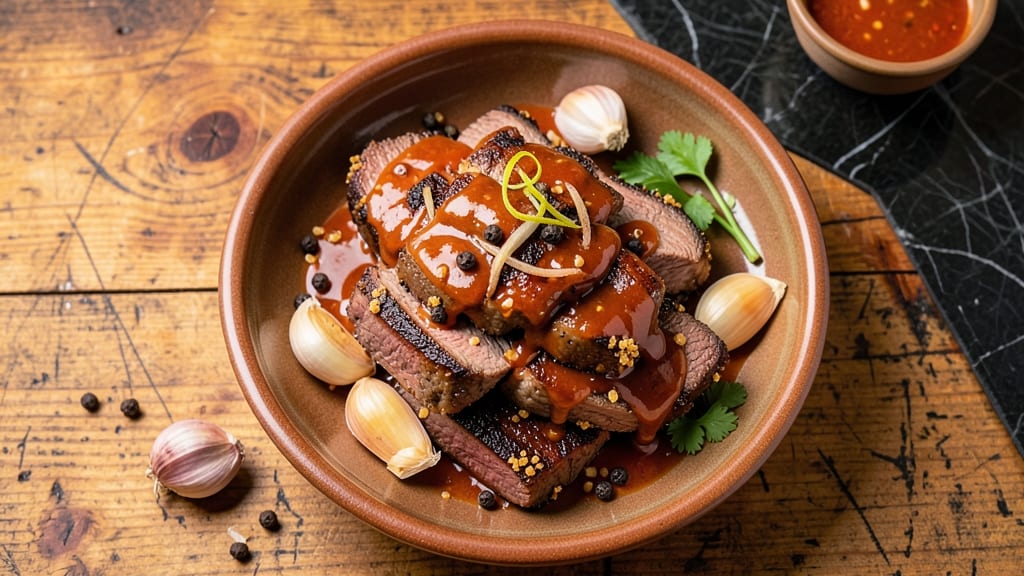
This beef asado recipe panlasang Pinoy brings the smoky, charred perfection of Filipino grill culture straight to your backyard—or even your stovetop. The secret lies in the marinade: a bold blend of soy sauce, calamansi, and garlic that transforms tough beef into melt-in-your-mouth bites with a caramelized crust.
I’ve perfected this technique over years of barbecue feasts, ensuring every bite delivers that signature asado flavor—tangy, savory, and just a little sweet.
The magic happens during the slow grill, where the beef develops deep, smoky char while staying tender inside.
Unlike other grilled meats, this recipe relies on a two-step marinade process—first soaking the beef overnight, then basting it with a sticky glaze of soy, brown sugar, and vinegar as it cooks. This method guarantees that crispy, flavorful crust we all crave, without drying out the meat.
Serve it with classic Filipino sides like garlic fried rice and tangy atchara (pickled papaya) to complete the panlasang Pinoy experience. The beef’s rich, smoky aroma will fill your home, while the tender texture and complex flavors make it a showstopper for gatherings.
Whether you’re grilling over charcoal or using a cast-iron skillet, this recipe delivers restaurant-quality results every time.
Ready in about 2 hours (including marinating), this dish is ideal for weekends or special occasions. The best part? The leftovers reheat beautifully, so you’ll have extra for lunches or late-night cravings. Let’s get cooking—your taste buds are about to go on a Filipino flavor adventure.
Ingredients for beef asado recipe panlasang pinoy
Six ingredients transform tough beef into smoky, tender asado bites with crispy crusts—Filipino barbecue magic in your backyard.
| Ingredient | Amount | Notes |
|---|---|---|
| Beef Chuck Roast 🥩 | 3 lb | Cut into 1.5-inch cubes |
| Soy Sauce 🍶 | ½ cup | Dark soy preferred for color |
| Calamansi Juice 🍋 | ¼ cup | Substitute lime if unavailable |
| Garlic Cloves 🧄 | 8 cloves | Minced finely for marinade |
| Brown Sugar 🍚 | ¼ cup | Light or dark works |
| Cane Vinegar 🍶 | ¼ cup | White or apple cider vinegar |
| Black Peppercorns 🌶️ | 1 tbsp | Freshly cracked preferred |
| Bay Leaves 🌿 | 2 whole | Dried works fine |
| Fresh Ginger 🌿 | 2 tbsp | Grated finely for marinade |
| Olive Oil 🫒 | ¼ cup | For basting during grill |
| Onion 🧅 | 1 whole | Yellow, sliced for marinade |
| Salt 🧂 | 2 tsp | Kosher or sea salt |
| Ground Black Pepper 🌶️ | 1 tsp | Freshly ground for seasoning |
| Charcoal Briquettes 🔥 | 2 lb | Or hardwood charcoal chunks |
The beef cut matters—chuck roast is ideal for its fat content and tenderness. Grab it from the butcher section if possible, as pre-cut cubes save time. Look for good marbling (white fat streaks) to ensure juiciness. Costco or local Filipino markets often carry high-quality cuts perfect for this dish. If you can't find chuck, sirloin works in a pinch, but it'll be leaner. The soy sauce should be dark soy for that signature asado color—regular soy works but won't be as vibrant. Calamansi is the secret weapon here—if you can't find it, lime juice plus a pinch of salt mimics its tangy brightness.
No calamansi? Lime juice plus a splash of vinegar gets you close. The ginger should be freshly grated—bottled ginger paste lacks the same depth. For the vinegar, cane vinegar gives the authentic Filipino flavor, but apple cider or white vinegar work fine. The garlic and onion in the marinade can be pre-minced from the store if you're short on time, but fresh is always better. The brown sugar caramelizes beautifully during grilling, creating that signature sticky crust. If you're using a cast-iron skillet instead of charcoal, increase the olive oil to 1/3 cup to prevent sticking—this dish works just as well indoors.
Marinate the beef overnight for maximum flavor penetration. Store the marinade in a ziplock bag in the fridge—it keeps for 3 days if you want to prep ahead. The cooked beef reheats beautifully—wrap portions in foil and warm in a 350°F oven for 10 minutes. For extra smoky flavor, add a few wood chips to your charcoal. The leftovers make amazing lunchbox meals—just slice and pack with rice. Charcoal briquettes last 2-3 uses if stored in a dry container, and the beef cubes freeze well for up to 2 months before cooking.
Why You'll Love This Recipe
- One-Pan Magic: I swear by this recipe—just the beef, garlic, and a splash of calamansi juice in the same pan. No chopping vegetables, no extra bowls, no stress. The brown sugar caramelizes right there while you stir, turning cleanup into a joke.
- Tangy-Sweet Fix: That calamansi juice is the star—bright, zesty, and just enough to cut through the richness of the beef. Honestly, it’s the kind of balance that makes you pause mid-bite, like, "Wait, is this actually this good?" The soy sauce and brown sugar team up to make it dangerously addictive.
- Leftover Hero: This recipe actually improves the next day. The beef gets even more tender, and the sauce thickens into a glossy glaze. I meal prep this all the time—pack it in lunches or reheat for a quick dinner. (Yes, even on a Tuesday night.)
- Budget Stretch: A single beef chuck roast feeds my whole family with leftovers to spare. Between us, this is my go-to for gatherings—cheap, filling, and no one questions why I’m serving it again. The garlic and soy sauce do all the heavy lifting, so you’re not breaking the bank for fancy ingredients.
Step-by-step instructions for beef asado panlasang Pinoy
Here's how to create restaurant-quality beef asado with that perfect smoky crust and melt-in-your-mouth tenderness.
Prepare the Marinade and Cut the Beef
In a large mixing bowl, combine the 0.5 cup soy sauce, 0.25 cup calamansi juice, 0.25 cup brown sugar, 0.25 cup cane vinegar, 2 tbsp fresh ginger, 8 cloves garlic cloves, 1 whole onion (sliced), 2 tsp salt, 1 tbsp black peppercorns, and 2 whole bay leaves. Mix until the sugar and salt dissolve completely, creating a smooth marinade base.
Cut the 3 lb beef chuck roast into 1.5-inch cubes—this size ensures even cooking and maximum tenderness. Add the beef cubes to the marinade, making sure each piece is fully coated. Cover the bowl and refrigerate for at least 4 hours (overnight is ideal). This marinating time transforms tough chuck into fork-tender beef while infusing it with that signature Filipino flavor profile.
Set Up the Charcoal Grill
Arrange the 2 lb charcoal briquettes in a pyramid shape in your grill, leaving a space in the center for indirect heat. Light the charcoal and let it burn until fully covered with a layer of white ash—this usually takes about 15-20 minutes. Once the coals are ready, spread them evenly to create a two-zone fire: direct heat on one side for searing and indirect heat on the other for slow cooking.
Brush the grill grates thoroughly with the 0.25 cup olive oil using a paper towel. This step is crucial—it prevents the beef from sticking and adds an extra layer of flavor. Preheat the grill for 5 minutes before adding the beef, ensuring it reaches the optimal temperature for that perfect sear.
Grill the Beef to Perfect Doneness
Remove the beef from the marinade (reserve the marinade for basting) and let it sit at room temperature for 10 minutes before grilling. Place the beef cubes directly over the direct heat zone and sear for 3-4 minutes per side until they develop a deep mahogany crust. You'll know they're ready when the edges turn deep brown and the beef releases easily from the grates.
Move the beef to the indirect heat zone and cover the grill. Baste the beef with the reserved marinade every 10 minutes using a basting brush. Continue grilling for 1.5-2 hours, turning occasionally, until the internal temperature reaches 195-205°F and the beef is fork-tender. The longer cooking time ensures that even the toughest cuts become melt-in-your-mouth tender.
Rest and Serve with Smoky Crust
Once the beef reaches the perfect internal temperature, transfer it to a clean platter and tent loosely with aluminum foil. Let it rest for 10-15 minutes—this resting period is essential for redistributing the juices throughout the beef. During this time, the crust will firm up slightly, creating that satisfying contrast between the crispy exterior and tender interior.
Serve the beef asado immediately, accompanied by steamed rice and a simple green salad. The beef should have a deep caramelized crust on the outside and be fork-tender throughout. The marinade's sweet and tangy flavors will be balanced by the smoky char from the grill, creating a dish that's both comforting and deeply satisfying.
Pro Tips For Making Beef Asado Recipe Panlasang Pinoy
- Sear the Chuck First: Before tossing it in the panlasang marinade, hit that beef chuck with a screaming-hot sear—2 minutes per side—until it’s deep brown. I learned this the hard way: skipping this step means your asado will taste like it simmered in its own juices instead of caramelized flavor. The crust locks in moisture and carries the soy-calamansi glaze like a boss.
- Mince Garlic Like Mad: No, "minced" isn’t the same as "chopped." Pulse your garlic in a food processor until it’s nearly paste—just a tiny bit of texture left. I used to eyeball it, but this recipe demands garlic to dissolve into the sauce, not sit as chunks. (Yes, even if you’re impatient like me.)
- Deglaze with Calamansi Heat: After browning the beef, splash in that calamansi juice while the pan’s still hot—the acid will break down the fond (those browned bits) into a glossy sauce. Scrape the bottom like you’re mad, because those bits are where the umami hides. (Your future self will thank you.)
- Brown Sugar Last: Add the brown sugar only in the final 5 minutes of cooking, not at the start. It’ll burn into bitter bits if you rush it, and we’re going for caramelized sweetness, not burnt sugar crunch. Stir it in when the sauce is already reduced—just enough to coat the beef, not drown it.
Flavor customization for this beef asado recipe panlasang pinoy
Sweet-Tangy Balance
The classic Filipino asado flavor comes from balancing soy sauce and calamansi juice—this combo creates that signature tangy-sweet profile. For extra depth, add 1 tbsp fish sauce to the marinade. If you prefer less acidity, reduce calamansi to 0.125 cup and add 1 tbsp honey instead. 🌶️
Spicy Kick Options
For heat lovers, add 1 tbsp siling labuyo (Filipino chili) or 1 tsp cayenne pepper to the marinade. For a smoky-spicy twist, include 1 tbsp adobo sauce (from Filipino canned pork). If you want mild heat, try 1 tsp ground annatto (achiote) for color without spice.
Herb Variations
Swap out bay leaves for 2 sprigs fresh lemongrass or 1 tbsp dried oregano for a different herbal note. Fresh cilantro or Thai basil in the marinade adds brightness, while 1 tbsp toasted sesame seeds sprinkled before serving gives a nutty finish.
Sweet Glaze Twist
Before serving, brush the beef with a 1:1 mix of brown sugar and soy sauce, then grill for 2-3 minutes to caramelize. For a tropical touch, use pineapple juice instead of vinegar in the marinade—this adds natural sweetness that pairs beautifully with the smoky char.
Umami Boost
Enhance depth with 1 tbsp oyster sauce or 1 tbsp miso paste in the marinade. For a vegetarian-friendly option, replace soy sauce with 1 cup coconut aminos—it keeps the umami while adding coconut notes. 💫
Regional Adaptations
In Visayan-style, add 1 tbsp bagoong (fermented shrimp paste) to the marinade for funky depth. For Bicolano-inspired, include 1 tbsp coconut milk and 1 tsp shrimp paste—this gives a creamy, slightly fishy flavor. Both versions keep the signature asado crust while adding regional twists.
Nutrition facts
Frequently asked questions
Can I use a different cut of beef for this recipe?
Yes, but choose cuts with good marbling for tenderness. Chuck roast is ideal, but sirloin or ribeye work well too—just reduce grilling time by 15-20 minutes since they're leaner. For extra juiciness, marinate brisket for 24 hours instead of 4 hours. Avoid cuts like flank steak, which can dry out.
What if I don't have calamansi? What's the best substitute?
Use lime juice plus 1/4 tsp salt to mimic calamansi's tangy brightness. For a sweeter alternative, mix orange juice with 1 tsp vinegar. Avoid lemon—it's too sharp and lacks the subtle sweetness of calamansi. The key is balancing acidity with just a hint of sweetness for that authentic Filipino flavor.
How do I get the perfect crispy crust without drying out the beef?
The secret is two-zone grilling: sear over direct heat for 3-4 minutes per side to develop the crust, then move to indirect heat. Baste with reserved marinade every 10 minutes—this keeps the beef moist while building flavor. For extra crispiness, finish with a quick 1-minute sear over high heat before serving.
Can I make this recipe indoors without a grill?
Use a cast-iron skillet on medium-high heat with 1/3 cup olive oil (instead of 1/4 cup) to prevent sticking. Cook beef in batches for 4-5 minutes per side to sear, then reduce heat to medium-low and cover to slow-cook for 1.5 hours. For smokiness, add 1 tbsp liquid smoke to the marinade.
Why does my asado turn out tough instead of tender?
Overcooking is the most common mistake—beef asado should reach 195-205°F internally, not 210°F+. Use a meat thermometer! Also, avoid cutting the beef too soon—rest for 10-15 minutes before slicing. If using leaner cuts, marinate longer (12-24 hours) and baste more frequently to retain moisture.