
Sauces & Condiments
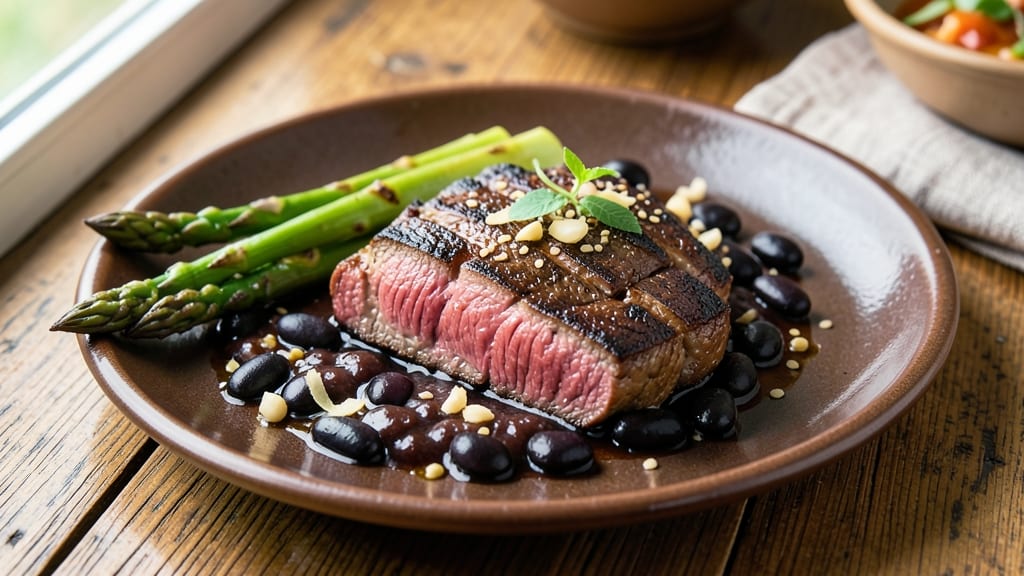
This beef asparagus black bean sauce recipe transforms a simple weeknight dinner into a restaurant-worthy meal with deep umami flavors and perfect texture balance. The secret lies in searing tender beef strips until caramelized, then simmering them in a rich black bean sauce that thickens into a velvety consistency.
While the sauce develops, asparagus roasts alongside, creating crisp-tender spears that complement the dish's hearty profile.
The beauty of this recipe is its efficiency—30 minutes from start to finish—without sacrificing depth of flavor. The black bean sauce, built with garlic, ginger, and a touch of soy sauce, delivers a complex taste that pairs beautifully with the beef's caramelized crust and asparagus's natural sweetness.
No special techniques required, just a one-pan approach that minimizes cleanup while maximizing flavor.
What you'll achieve is a dish where each component shines: tender beef with a perfect sear, crisp-tender asparagus with charred edges, and a sauce so rich it coats every bite. The black beans add texture and earthiness, while the aromatics create layers of flavor that linger.
This isn't just a sauce—it's the foundation of a complete, balanced meal that feels indulgent yet effortless.
Serve over steamed jasmine rice or quinoa to soak up every last drop of that umami-packed sauce, or let the beef and asparagus stand alone as a protein-rich main course.
The versatility makes it perfect for weeknight dinners or meal prep—just reheat gently to maintain that perfect texture. Let's get cooking!
Ingredients for beef asparagus black bean sauce
Transform simple proteins and veggies into a restaurant-worthy umami masterpiece with these bold, flavor-packed ingredients.
| Ingredient | Amount | Notes |
|---|---|---|
| Flank Steak 🥩 | 1 lb | Thinly sliced against grain |
| Fresh Asparagus 🌱 | 1 lb | Trimmed, tough ends removed |
| Black Beans 🫘 | 1 can | Drained and rinsed (15 oz) |
| Garlic Cloves 🧄 | 4 cloves | Minced for aromatic depth |
| Fresh Ginger 🌿 | 1 tbsp | Finely grated, fresh preferred |
| Soy Sauce 🍶 | 2 tbsp | Low-sodium preferred |
| Sesame Oil 🫒 | 1 tbsp | Toasted for nutty aroma |
| Olive Oil 🫒 | 2 tbsp | Extra-virgin for richness |
| Honey 🍯 | 1 tbsp | For balancing sauce sweetness |
| Cornstarch 🌾 | 1 tsp | For velvety sauce thickening |
| Vegetable Broth 💧 | 1 cup | Low-sodium for flavor base |
| Red Wine Vinegar 🍷 | 1 tsp | Brightens sauce acidity |
| Sesame Seeds 🌱 | 1 tbsp | Toasted for garnish |
| Green Onions 🧅 | 2 whole | Sliced, for fresh finish |
| Kosher Salt 🧂 | 1 tsp | Diamond Crystal preferred |
The flank steak is your texture game-changer—thinly sliced against the grain ensures tender bites. Costco or Whole Foods carry excellent quality, but any butcher will slice it properly if you ask. Look for good marbling, not lean cuts. Asparagus? Trader Joe's has the best thick stalks, but any fresh bunch works—just snap the woody ends. Black beans? Low-sodium canned is a must to control salt levels, and rinsing removes any residual starch that might thicken the sauce too much. The garlic and ginger should be freshly minced—jarred minced garlic lacks the aromatic punch this dish needs.
No sesame oil? Toasted peanut oil works in a pinch, though the flavor will differ slightly. Subbing black beans for lentils? Use 1 cup cooked lentils instead—they hold up better to simmering. The soy sauce is non-negotiable for umami, but if you're gluten-sensitive, tamari or coconut aminos deliver the same depth. For the honey, agave or maple syrup are great vegan swaps. The cornstarch is key for that velvety texture—don't skip it, but if you're gluten-free, arrowroot powder at the same ratio works perfectly. And that red wine vinegar? Balsamic vinegar in a pinch, but it'll be sweeter and less bright.
This dish reheats like a dream—30 seconds in the microwave with a splash of water keeps the sauce silky. Store components separately in the fridge for 3 days: beef and sauce in one container, asparagus in another. For meal prep, freeze the sauce separately for 3 months—just thaw and reheat gently. The sesame seeds and green onions are best added fresh after reheating, so keep them in a small container on top. Pro tip: Toast the sesame seeds in a dry pan for 30 seconds before garnishing—they'll pop with flavor and aroma.
Why You'll Love This Recipe
- One-Pan Magic: The moment I realized this recipe only needs one sheet pan, I knew it was my new shortcut. No chopping boards cluttering the kitchen—just a quick sear for the steak, a toss for the asparagus, and simmering black beans with garlic and ginger while you wait. That’s it. Honestly, the cleanup is almost as good as the meal.
- Umami Bomb: Between the deep, smoky char of the flank steak and the earthy sweetness of black beans caramelizing with garlic, this dish hits flavor in a way that feels earned. The ginger adds a bright kick that cuts through the richness, and the asparagus—when it’s just tender-crisp—adds that perfect texture contrast. (Yes, even on a Tuesday night.)
- Meal Prep MVP: I make double batches because this reheats like a dream—no soggy beans or dry meat here. Pack it for lunches, serve it cold over rice for a quick dinner, or even toss it into a grain bowl the next day. The sauce thickens up nicely, so it doesn’t lose its grip on the steak, no matter how many times you reheat it.
- Budget Flex: Flank steak is affordable, and black beans stretch this into a hearty, filling dish without breaking the bank. Fresh asparagus might seem fancy, but a single bunch goes a long way when sliced into bite-sized pieces. Plus, the leftovers? They’re my secret weapon for lazy days—just reheat and serve, no fuss. My wallet and my taste buds both win.
Step-by-step instructions for beef asparagus black bean sauce
Here's how to create a perfectly balanced one-pan dish where tender beef meets sweet asparagus in a velvety black bean sauce.
Prep and Sear the Flank Steak
Pat the 1 lb Flank Steak completely dry with paper towels—this ensures maximum browning. Season both sides generously with the 1 tsp Kosher Salt and let it sit at room temperature for 15 minutes. The salt will penetrate the meat while it comes to temperature.
Heat 2 tablespoons Olive Oil in a large skillet over high heat until shimmering. Add the steak and sear for 2-3 minutes per side until deeply browned with a crusty exterior. I press down gently on the steak during the first minute to prevent curling. Remove from pan and let rest on a plate while you prep the vegetables—this resting period keeps the meat juicy.
Sauté Aromatics and Asparagus
In the same skillet (no need to clean it—the browned bits add flavor), add 1 tablespoon Olive Oil and reduce heat to medium. Add the 4 cloves Garlic Cloves and 1 tablespoon Fresh Ginger, cooking for 30 seconds until fragrant—this is where the magic happens.
Add the 1 lb Fresh Asparagus (trimmed) and stir for 3-4 minutes until bright green and just tender-crisp. You want the asparagus to retain its vibrant color and slight bite. Remove the asparagus and set aside with the steak, leaving the aromatic oils in the pan.
Build the Black Bean Sauce
Return the skillet to medium heat and add 1 tablespoon Sesame Oil. Stir in the 1 can Black Beans (drained), 2 tablespoons Soy Sauce, 1 tablespoon Honey, and 1 teaspoon Red Wine Vinegar. Let it simmer for 2 minutes while you dissolve the 1 teaspoon Cornstarch in ¼ cup Vegetable Broth in a small bowl—this slurry will thicken our sauce perfectly.
Pour the cornstarch mixture into the skillet and stir vigorously for 1-2 minutes until the sauce thickens to a velvety consistency. The sauce should coat the back of a spoon but still be pourable. If it thickens too quickly, add 1 tablespoon more Vegetable Broth to balance it.
Combine and Finish
Return the seared steak and asparagus to the skillet, gently tossing everything together. Add the remaining ¾ cup Vegetable Broth and let it simmer for 2-3 minutes until the steak is heated through and the sauce has fully coated all ingredients. The steak should be fork-tender with just a slight resistance.
Taste and adjust seasoning—you might need a touch more Soy Sauce for saltiness or Honey for sweetness. Remove from heat and let it rest for 5 minutes before serving. The sauce will continue to thicken slightly as it sits.
Garnish and Serve
Transfer the dish to serving plates and garnish with 1 tablespoon toasted Sesame Seeds and 2 whole Green Onions (sliced). The contrast of textures—crispy seeds, fresh herbs, tender beef, and crisp asparagus—makes this dish truly special.
Serve immediately over steamed jasmine rice or noodles to soak up every last bit of that umami-rich sauce. The combination of sweet, savory, and slightly tangy flavors comes together beautifully in this one-pan wonder.
Pro Tips For Making Beef Asparagus Black Bean Sauce
- Slice Steak Against the Grain: I learned this the hard way—flank steak fights you if you cut with the grain. Slice it before cooking into ¼-inch strips, then freeze for 20 minutes to firm up. When you sear it, those fibers will melt in your mouth instead of turning chewy.
- Char the Asparagus First: Skip the pre-boil. Toss asparagus in 1 tablespoon oil, sprinkle with salt, and roast at 450°F (230°C) for 8-10 minutes until blackened in spots. The smoky depth carries through the sauce better than steamed asparagus ever could.
- Toast the Black Beans: Don’t just drain and dump. Heat your black beans in a dry skillet over medium for 3-4 minutes until they darken slightly—this builds flavor. If they’re canned, rinse first, but don’t skip the toasting. It’s the thing that matters most when balancing the sauce.
- Use Two Garlic Methods: Mince half the garlic finely for the sauce, but save the other half as whole cloves. Toss them in the searing pan with the beef for 30 seconds until golden—then smash them into the sauce at the end. The contrast of raw and caramelized garlic adds layers you’d miss otherwise.
Common mistakes when making this recipe
Overcooking the Beef
I’ve seen this happen more times than I can count—the beef ends up tough and chewy instead of tender. The key is high heat for searing (just 2-3 minutes per side) followed by gentle simmering in the sauce. If you overcook the beef, it’ll turn rubbery.
Always use a meat thermometer—135°F internal temp is perfect for flank steak. Once it hits that temp, remove it from the pan and let it rest before finishing in the sauce. 🔥
Skipping the Resting Period
This is a rookie mistake that ruins texture. When you sear the beef, it needs 5-10 minutes to rest before returning to the pan. Skipping this step causes all the juices to escape, leaving you with dry meat. I promise, this extra wait makes a world of difference.
Place the steak on a plate, tent loosely with foil, and let it relax while you prep the asparagus and sauce. Trust me, your taste buds will thank you. ⏱️
Using Low-Quality Ingredients
The sauce and beef rely on high-quality ingredients to shine. Don’t cut corners with jarred minced garlic or canned beans with added salt—they’ll make your dish taste flat. Fresh ginger and low-sodium black beans (rinsed well) are non-negotiable.
Even the olive oil matters: extra-virgin adds richness that regular olive oil can’t match. Invest in good ingredients, and your dish will taste like it came from a restaurant. 💡
Ignoring the Sauce Thickening
If you skip the cornstarch slurry, your sauce will end up watery and unappetizing. The cornstarch is what gives it that velvety, clingy texture that coats every bite.
Stir it vigorously into the simmering sauce for 1-2 minutesvegetable broth to balance it. Pro tip: Taste the sauce as it thickens—adjust seasoning now, not later. ✨
Overcrowding the Pan
This is a one-pan dish, but that doesn’t mean you should dump everything in at once. If you overload the skillet, the beef will steam instead of sear, and the asparagus will turn soggy.
Work in stages: sear the beef first, then remove it while you sauté the asparagus, and finally combine everything. A 12-inch cast-iron skillet is ideal for this recipe—it gives enough space for everything to cook properly. 🍳
Not Adjusting Seasoning at the End
Taste your sauce before serving—this is the only way to ensure perfect balance. You might need a pinch more soy sauce for saltiness, a drizzle of honey for sweetness, or a splash of red wine vinegar for brightness.
Don’t assume the recipe’s measurements are perfect for your taste. Adjust while the sauce is still warm, and you’ll get it just right. 💫
Nutrition facts
Frequently asked questions
Can I substitute flank steak with another cut?
For a leaner option, try sirloin or ribeye (trim excess fat). For more tenderness, use skirt steak or flank steak—just slice against the grain. Avoid tough cuts like chuck roast. If using pre-sliced steak, sear for 1-2 minutes per side instead.
How do I make this dish vegetarian?
Replace the beef with extra-firm tofu or tempeh (pressed and sliced). For meaty texture, use mushrooms or seitan. Keep the black bean sauce base but add 1 tablespoon soy sauce and 1 teaspoon smoked paprika for depth. The asparagus and sauce will still shine!
Why is my sauce too thin?
The sauce thickens as it cools, but if it's watery while hot, you likely need more cornstarch. Mix 1 teaspoon cornstarch with 1 tablespoon broth and stir into the sauce. Simmer for 1-2 minutes until thickened. For extra richness, add 1 teaspoon sesame oil at the end.
Can I make this ahead of time?
Yes! Cook the beef and sauce separately, then refrigerate for up to 3 days. Reheat gently in a skillet with 1 tablespoon broth to restore moisture. The asparagus is best cooked fresh, but you can blanch it ahead and reheat for 2 minutes in the sauce.
What’s the best way to reheat leftovers?
Use a skillet over medium-low heat with 1 tablespoon oil and a splash of broth. Heat for 3-4 minutes, stirring gently to avoid breaking the sauce. Microwaving works too—cover with a damp paper towel and heat for 1 minute. Never reheat asparagus alone—it dries out!