
Sauces & Condiments
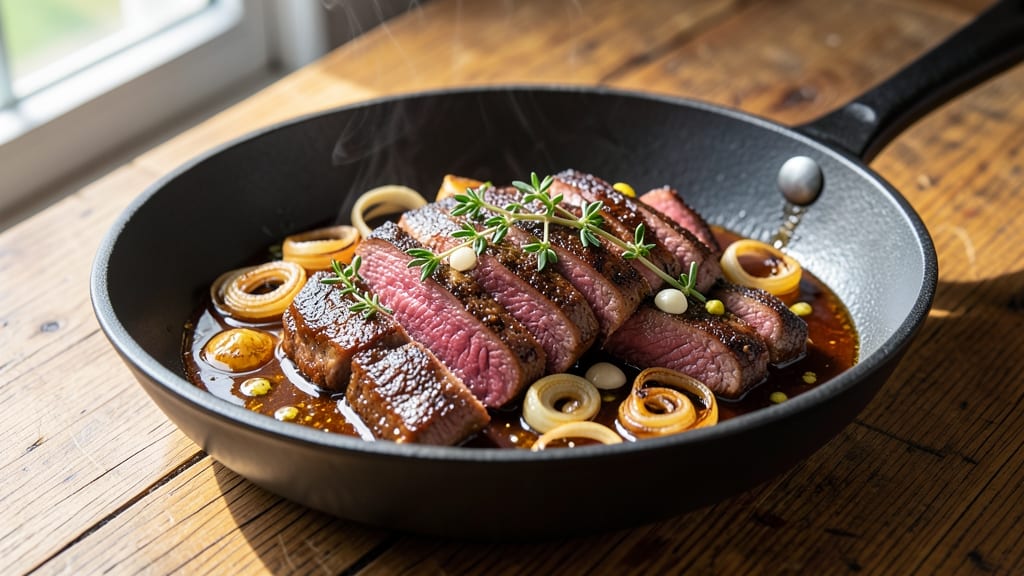
A perfectly basted steak transforms an ordinary meal into a restaurant-worthy experience, and this beef basting sauce delivers pan-dripping richness with every brush.
The secret lies in balancing butter, beef broth, and aromatic herbs to create a sauce that baste meat into juicy perfection—no overcooking, no dry edges, just melt-in-your-mouth tenderness.
I’ve refined this recipe over countless grill sessions, ensuring it works for everything from ribeyes to pork chops, with a technique that’s foolproof yet professional.
This sauce starts with a simple foundation of butter and broth, but the magic happens in the aromatics—garlic, thyme, and a splash of Worcestershire for depth.
The key is keeping it hot while basting, so the sauce doesn’t cool the meat but instead locks in moisture and flavor with each pass.
Unlike store-bought versions, this one builds layers of savory richness that caramelize slightly on contact, creating a crust that seals in juices without overpowering the natural taste of the beef.
What sets this apart is its versatility and longevity. Use it immediately for grilling or roasting, or make a double batch to store in the fridge for up to a week—it reheats beautifully and elevates even reheated steaks.
The sauce’s velvety texture and balanced seasoning make it ideal for basting, drizzling over finished dishes, or even as a quick pan sauce for quick-cooking cuts like flank steak.
The result is beef so tender it nearly falls apart, with a glossy sheen and a crust that’s crisp yet succulent. This isn’t just a sauce—it’s the difference between a good steak and an unforgettable one. Let’s get basting.
Ingredients for beef basting sauce
Nine ingredients transform ordinary beef into restaurant-quality perfection with each basting brush.
| Ingredient | Amount | Notes |
|---|---|---|
| Unsalted Butter 🧈 | ¾ cup | Cold, cubed for even melting |
| Beef Broth 🍲 | 1 cup | High-quality, low-sodium preferred |
| Fresh Thyme Leaves 🌿 | 1 tbsp | Or 1 tsp dried thyme |
| Garlic Cloves 🧄 | 4 cloves | Minced for fine dispersion |
| Worcestershire Sauce 🍶 | 1 tbsp | High-quality for depth |
| Dijon Mustard 🌶️ | 1 tsp | For subtle tang |
| Fresh Rosemary 🌿 | ½ tsp | Finely chopped, optional |
| Diamond Crystal Kosher Salt 🧂 | ½ tsp | Adjust to taste |
| Freshly Ground Black Pepper 🌶️ | ¼ tsp | Cracked peppercorns preferred |
| Balsamic Vinegar 🍷 | 1 tsp | For subtle sweetness |
The butter is non-negotiable—European-style unsalted melts more cleanly and adds luxurious richness. Look for brands like Plugrá or Kerrygold at specialty stores, or stick with high-quality supermarket options like Land O’Lakes if you're in a pinch. The beef broth should be homemade or premium store-bought—avoid the bouillon cubes, which often contain fillers. For the Worcestershire, Lea & Perrins is the gold standard, but any well-aged variety will do. Fresh herbs make a world of difference here, so if you're using dried, measure sparingly—they're more concentrated.
No fresh thyme? Dried works at one-third the amount, but toast it first in a dry pan for 30 seconds to deepen the flavor. Substituting balsamic vinegar? Red wine vinegar at half the amount works, though it lacks the subtle caramel notes. Running low on Dijon? Yellow mustard in a pinch, but reduce to 0.5 tsp to avoid overpowering. The garlic can be pre-minced from a jar, but freshly minced adds complexity. For a deeper umami punch, add 1 tsp soy sauce—it blends seamlessly. If you're basting seafood, reduce the Worcestershire to 0.5 tbsp to avoid overpowering delicate flavors.
This sauce reheats beautifully—simply warm in a saucepan over medium heat, stirring occasionally, until just melted and hot. Store in an airtight container in the fridge for up to 1 week, or freeze for 3 months in ice cube trays for single-use portions. For grilling, keep the sauce in a small sauceboat or heatproof container near the grill—never let it boil, as it will separate. The sauce thickens as it cools, so reheat gently to restore its velvety consistency. Double the batch if you're grilling multiple steaks—the extra makes for delicious leftovers.
Why You'll Love This Recipe
- Here’s the secret: this sauce improves when reheated. A little extra butter, a splash of broth, and it’s just as luscious the second day. I make double batches for my freezer—perfect for tossing with pasta, drizzling over grilled chicken, or even using as a quick pan sauce. No waste, all flavor.
- Foolproof Simplicity: I swear by this sauce because it’s the kind of recipe that doesn’t need a degree to nail. Melt butter, toss in minced garlic and thyme—no chopping skills required—and let the beef broth and Worcestershire sauce do the heavy lifting. Five minutes of active work, and you’ve got something restaurant-worthy without the fuss.
- Umami Bomb: That first baste hits like a flavor revelation—rich, savory, and just a little tangy from the Worcestershire. The thyme adds a bright, earthy note, while the butter ties it all together with a velvety finish. It’s the kind of sauce that makes you pause mid-bite, wondering how something so simple could taste this good.
- Weeknight to Dinner Party: I’ve drizzled this over steak for a fancy date night, used it to deglaze a pan for quick weeknight stir-fries, and even slathered it on roasted potatoes for game day. The beauty? It’s equal parts elegant and effortless, so you’re never stuck choosing between "impressive" and "doable."
Step-by-step instructions for beef basting sauce
Transform simple pan drippings into a velvety basting sauce that keeps beef impossibly tender.
Collect and Deglaze the Pan
After searing your beef, place the pan with drippings over medium heat. Add the 0.75 cup unsalted butter, letting it melt completely while scraping up all browned bits from the bottom with a wooden spoon. This deglazing captures maximum flavor from the meat.
Once the butter has fully melted and the pan shows no dry spots, pour in the 1 cup beef broth. Stir immediately to dissolve any stuck-on residues. Let the mixture simmer gently for 3-4 minutes until reduced by about half—you'll see the liquid thicken slightly and the aroma intensify.
Build Flavor with Aromatics and Herbs
Add the 4 cloves minced garlic, 1 tbsp fresh thyme leaves, and 0.5 tsp finely chopped rosemary to the simmering broth mixture. Stir continuously for 1-2 minutes until the garlic becomes fragrant but doesn't brown. Fresh herbs add bright, herbal notes that complement the richness of the beef.
Here's the thing—don't let the garlic burn. When it starts to turn golden, immediately reduce heat to low and continue stirring. The goal is to infuse flavor without bitterness. The thyme and rosemary should be just visible in the sauce, adding depth without overpowering.
Incorporate Umami and Acid Components
Stir in the 1 tbsp Worcestershire sauce, 1 tsp Dijon mustard, and 1 tsp balsamic vinegar. These ingredients work together to create complex flavor: the Worcestershire adds savory depth, the mustard provides subtle tang, and the balsamic contributes a touch of sweetness that balances the richness.
Simmer the mixture for another 2-3 minutes until it thickens to a glossy consistency that coats the back of a spoon. Taste and adjust seasoning with the 0.5 tsp Diamond Crystal kosher salt and 0.25 tsp freshly ground black pepper—this sauce should be rich but not salty, with balanced acidity.
Finish and Strain for Silky Texture
Remove the pan from heat and let the sauce rest for 1 minute to allow flavors to meld. Then, strain through a fine-mesh sieve into a clean bowl or saucepan, pressing gently on the solids to extract maximum flavor. This step ensures a velvety texture without any herb bits.
The strained sauce should be deep amber in color with a glossy sheen. If it's too thick, whisk in 1-2 tablespoons of hot beef broth to reach your desired consistency. Keep the sauce warm over low heat while you baste the beef—this sauce should be used immediately to maintain its silky texture and vibrant flavor.
Pro Tips For Making Beef Basting Sauce
- Bloom the Thyme First: I learned this the hard way—tossing fresh thyme leaves straight into hot butter makes them bitter and clump. Instead, crush the stems lightly between your fingers or give them a quick whack with a knife blade to release their oils before adding them to the butter. The flavor will be brighter, and you won’t taste the stems at all.
- Sweat the Garlic Low and Slow: After burning three batches of butter because of impatient garlic, I finally figured out: cook it on low heat for 3-4 minutes until just fragrant and translucent, not golden. If you rush it, the garlic turns to paste and burns, turning your sauce bitter. Patience here guarantees a smooth base.
- Deglaze with Cold Broth: This isn’t the prettiest method, but it’s the tastiest. After browning your beef (if using), let the pan cool for one full minute, then add cold beef broth to deglaze instead of hot. The cold liquid loosens the fond more effectively, and you won’t scorch the Worcestershire sauce when you add it later.
- Salt the Butter Early: Unsalted butter tastes bland until it melts and emulsifies with the broth. Toss in a pinch of salt (about ¼ teaspoon per 2 tablespoons butter) as soon as you add it to the pan. It dissolves better this way, and you won’t end up guessing how much to add later—especially if your Worcestershire sauce is already salty.
Make-ahead tips for this dish
Prep Ahead for Grilling
Make this sauce the night before grilling to save time—simmer it for 5 minutes longer than directed, then chill in an airtight container. Reheat gently over low heat until just melted before basting.
The flavors deepen overnight, and you’ll avoid last-minute stress. I keep a small sauceboat on the grill for easy basting while cooking. 🔥
Freeze for Convenience
Portion the sauce into 1-ounce ice cube trays (about 2 tbsp per cube) and freeze. Pop out cubes as needed for quick basting sessions. Thaw in the fridge overnight or microwave for 10 seconds to soften before reheating. This works perfectly for weekend grill-outs or unexpected steak nights. 🧊
Double Batch for Leftovers
Make twice the recipe and store half in the fridge for up to 7 days. Use the extra to baste chicken, pork chops, or even roasted vegetables.
The sauce reheats beautifully and adds richness to any protein. I often use the second batch as a quick pan sauce for stir-fries or grilled fish. 🍗
Basting Tools Matter
Use a silicon baster or clean pastry brush for precise basting. Avoid metal spoons—they can cool the meat too quickly. Keep your sauce in a heatproof container near the grill, and reheat in 10-second bursts in the microwave if it cools down.
I swear by the OXO Good Grips baster for its durability and ease of use. ✨
Reheat Without Curdling
If your sauce separates after refrigeration, whisk in 1 tbsp cold butter while reheating over low heat. The fat helps re-emulsify the sauce, restoring its velvety texture.
Avoid high heat—it can cause the sauce to break or burn. A splash of warm beef broth also helps if it thickens too much. 💡
Label for Versatility
Tag your stored sauce with the date and purpose (e.g., "Steak Basting Sauce" or "Pan Sauce"). This helps you quickly identify it later. I also jot down any adjustments I made (like extra garlic or salt) so I can replicate it easily next time.
Clear labels prevent mix-ups when you have multiple sauces in rotation. 📝
Nutrition facts
Frequently asked questions
Can I use this beef basting sauce for other proteins?
This versatile sauce works beautifully on chicken, pork chops, or even lamb chops. The rich butter and herb base complements all red meats, while the Worcestershire and balsamic add depth that pairs well with poultry. For seafood, reduce the Worcestershire to 0.5 tbsp to avoid overpowering delicate flavors.
How do I keep the sauce from burning while basting?
Always use a heatproof container or sauceboat near the grill, and reheat the sauce in 10-second bursts in the microwave before each basting. Never let it boil—keep it just warm enough to coat the meat. A silicone baster also helps control the flow and prevents drips that could flare up on hot coals.
What if my sauce separates after refrigeration?
Whisk in 1 tbsp cold butter while reheating over low heat to restore its velvety texture. The fat helps re-emulsify the sauce. If it's too thick, add a splash of warm beef broth. Avoid high heat—it can cause the sauce to break or burn.
Can I make this sauce without butter?
While butter adds unmatched richness, you can substitute with 6 tbsp olive oil or vegetable oil for a lighter version. The sauce will still work, though it won't have the same luxurious mouthfeel. For extra flavor, add 1 tsp beef fat from rendered drippings if available.
How often should I baste my beef?
For best results, baste every 2-3 minutes during the last 10 minutes of cooking. This gives the sauce enough time to caramelize slightly on the meat's surface while keeping the interior juicy. Use a brush or baster to spread the sauce evenly for consistent flavor.