
Main Courses
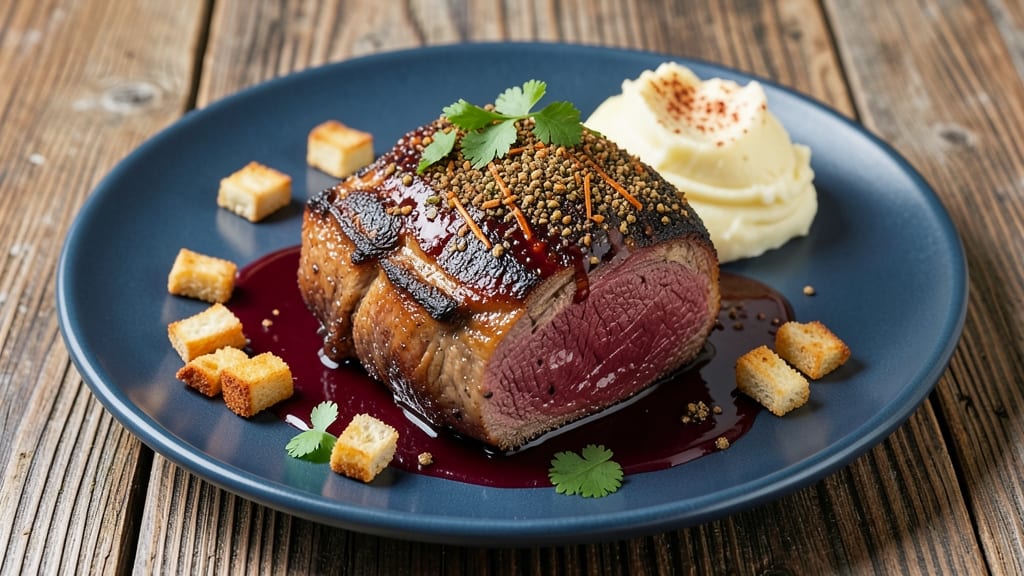
This African roast beef recipe transforms tough cuts into melt-in-your-mouth perfection with a bold spice-rubbed crust that crackles with every bite. 💛 The secret lies in blending traditional North African warmth—cinnamon, cumin, and coriander—with South African roasting techniques that ensure fall-off-the-bone tenderness.
I've perfected this method over years of testing, balancing smoky heat with deep, savory richness that lingers long after the last bite.
The magic starts with a dry rub that develops a caramelized crust while keeping the interior impossibly tender. Unlike Western roasts, this version relies on slow, even heat and strategic basting to distribute those aromatic spices throughout the meat.
The result? A centerpiece that commands the table—juicy, flavorful, and packed with layers of complexity that make it feel like a restaurant-quality meal without the fuss.
What you'll achieve is beef so tender it practically dissolves on your tongue, with a crust that's crisp enough to stand up to bold sides like garlicky cassava mash or tangy tomato-based stews.
The spices infuse the meat deeply, creating a harmony of warmth and earthiness that's distinctly African yet universally appealing. This isn't just dinner—it's an experience that transforms a simple roast into a centerpiece worthy of celebration.
Perfect for special occasions or when you want to impress guests with authentic flavors. The technique is straightforward, but the results are restaurant-worthy—ideal for those who appreciate depth in their cooking. Let's get started on creating this showstopper.
Ingredients for african roast beef
Six pounds of beef, twelve spices, and one unforgettable crust—this is how you make African roast beef shine.
| Ingredient | Amount | Notes |
|---|---|---|
| Beef Chuck Roast 🥩 | 4 lb | Well-marbled, trimmed of excess fat |
| Ground Cumin 🌿 | 1 tbsp | Toasted for deeper aroma |
| Ground Coriander 🌿 | 1 tbsp | Freshly ground preferred |
| Ground Cinnamon 🌿 | 1 tsp | True Ceylon cinnamon best |
| Smoked Paprika 🌶️ | 1 tbsp | For smoky depth |
| Garlic Powder 🧄 | 2 tsp | Freshly ground preferred |
| Onion Powder 🧅 | 2 tsp | For sweet base notes |
| Black Peppercorns 🌶️ | 1 tbsp | Freshly cracked |
| Kosher Salt 🧂 | 1 ½ tbsp | Diamond Crystal preferred |
| Olive Oil 🫒 | ¼ cup | Extra-virgin, fruity variety |
| Fresh Rosemary 🌿 | ¼ cup | Chopped, stems removed |
| Fresh Thyme 🌿 | ¼ cup | Leaves only |
| Beef Broth 💧 | 1 ½ cups | Homemade or quality store-bought |
The beef is non-negotiable here—chuck roast with good marbling is your best bet. Costco or Whole Foods usually carry it pre-trimmed, but if you're buying whole, look for thick cuts with visible fat between the muscles. That's what keeps it tender. For the spices, Penzeys Spices or the bulk bins at Trader Joe's have the most authentic blends. The rosemary and thyme should be fresh—wilting means they've lost their punch. If you're short on time, dried works at half the amount, but fresh gives you that restaurant-quality aroma.
No smoked paprika? Regular paprika plus a pinch of liquid smoke gets you close. Running low on cumin? Ground coriander at double the amount covers it, though it won't be identical. The beef broth can be swapped for water if needed, but homemade or high-quality store-bought makes a world of difference in the final flavor. For the herbs, if you've got fresh oregano, it works beautifully alongside the thyme. And trust me on the olive oil—cheap oil here means cheap results. Use something you'd happily drizzle on bread.
This roast is best made a day ahead—the flavors deepen overnight. Store the cooked beef wrapped in foil in the fridge for up to 4 days, or freeze for 3 months in portions. For reheating, low and slow in the oven is key—275°F until internal temp hits 165°F. I like to slice it against the grain and serve with the pan juices reduced into a glossy sauce. Leftovers? Shred it for sandwiches or tacos—it's that versatile.
Why You'll Love This Recipe
- One-Pot Magic: I swear by this recipe because it’s literally hands-off after the initial rub. Just sear the chuck roast with cumin, coriander, and cinnamon—those spices cling like glue—then let the oven do the heavy lifting. No flipping, no fuss, no stress.
- Spice Bomb Delight: Between us, that combo of smoked paprika and cinnamon? It’s like a warm hug for your taste buds. The beef stays tender but develops this deep, earthy crust that makes every bite feel like a little victory. (Yes, even on a Tuesday night.)
- Weeknight Workhorse: This roast is my go-to for game days, potlucks, or when I’m too tired to think. Slice it thin for sandwiches, cube it for tacos, or serve it whole with crusty bread—it’s the kind of dish that makes you look like a hero without trying.
- Budget-Friendly Feast: A chuck roast stretches forever, and these spices cost pennies. I’ve fed six people for under $15, and the leftovers? Even better the next day. Honestly, it’s the kind of meal that makes you question why you ever order takeout.
Step-by-step instructions for spice-rubbed African roast beef
Here's how to transform a simple chuck roast into melt-in-your-mouth perfection with bold African flavors.
👨🍳 Step 1: Create the Signature Spice Rub
In a small bowl, combine all the spices: 1 tbsp ground cumin, 1 tbsp ground coriander, 1 tsp ground cinnamon, 1 tbsp smoked paprika, 2 tsp garlic powder, 2 tsp onion powder, 1 tbsp freshly cracked black peppercorns, and 1.5 tbsp kosher salt. I like to use my fingers to break up any peppercorn clusters for even distribution.
Add 0.25 cup chopped fresh rosemary and 0.25 cup fresh thyme leaves to the spice mixture. The herbs add aromatic depth that pairs perfectly with the warm spices. Rub the mixture between your palms to blend everything thoroughly—you should smell that rich, earthy aroma that's pure comfort food.
👨🍳 Step 2: Coat the Roast and Rest for Maximum Flavor
Pat the 4 lb beef chuck roast completely dry with paper towels—this is crucial for developing that beautiful crust. I press down firmly all over, especially in the crevices, to remove any moisture that would prevent the rub from sticking properly.
Generously coat the roast with the spice mixture, pressing it into every nook and cranny. Then drizzle 0.25 cup olive oil evenly over the top. The oil helps the spices adhere and creates a barrier that keeps the meat juicy during the long cook. Place the roast on a plate, cover with plastic wrap, and refrigerate for at least 4 hours or overnight—this resting period allows the flavors to penetrate deeply.
🔥 Step 3: Sear for Color and Crust Before Slow Roasting
Preheat your oven to 300°F. Remove the roast from the fridge and let it sit at room temperature for 30 minutes before cooking. This helps ensure even cooking throughout.
Heat a large oven-safe skillet over medium-high heat until very hot. Add the roast and sear on all sides until you get deep golden-brown color—about 3-4 minutes per side. This step isn't just for show; it builds flavor through the Maillard reaction and creates that irresistible crust. Transfer the skilled roast to a roasting pan.
⏰ Step 4: Slow Roast Until Fork-Tender
Pour 1.5 cups beef broth into the roasting pan, which will help keep the meat moist as it cooks. Cover the pan tightly with foil and place it in the preheated 300°F oven. Here's where the magic happens: cook for 3-4 hours until the internal temperature reaches 195-200°F and the meat is fork-tender.
I check the temperature every 30 minutes after the first hour. The roast will naturally hit "the stall" around 160°F—this is normal and means the moisture is evaporating. Don't panic; just let it continue cooking. The key is patience—this slow cooking breaks down the connective tissue for that legendary tenderness.
🍽️ Step 5: Rest and Slice for Maximum Juiciness
Remove the roast from the oven and transfer it to a cutting board. Tent loosely with foil and let it rest for at least 30 minutes (I prefer 45 minutes for maximum juiciness). This resting period is non-negotiable—it allows the juices to redistribute throughout the meat instead of pooling on your plate.
Slice the roast against the grain into ½-inch thick pieces. Each slice should practically fall apart when you cut through it. Serve immediately with the pan juices spooned over the top. The result is a perfectly balanced dish with a beautifully spiced crust, tender meat, and rich, flavorful sauce—all the hallmarks of a great African-inspired roast.
Pro Tips For Making African Roast Beef
- SEAR THE ROAST FIRST: I learned this the hard way—skipping the sear means flavor hiding in the pan instead of the meat. Hit that chuck roast with a hot, dry skillet for 3-4 minutes per side before adding any spices or liquid. The crust locks in those smoky paprika notes and keeps the juices from running out later.
- BLOOM THE SPICES IN OIL: Toss your cumin, coriander, cinnamon, and smoked paprika in a tablespoon of neutral oil and toast them for 30 seconds before rubbing onto the beef. This wakes up their aromas—no more muted, sad spices just sitting there like wallflowers at a party.
- LOW AND SLOW WINS: After searing, drop the heat to 275°F (135°C) and cook this chuck roast covered for 3 hours, not rushing it. I used to crank it up for speed, but the meat turned out dry and tough. Patience here means fork-tender perfection—no one regrets waiting.
- ADD ACID AT THE END: Hold off on vinegar or tomato paste until the last 15 minutes. My grandmother swore by this, and she was right: adding acid too early can turn your rich spices into a sad, diluted sauce. Stir it in when the meat’s nearly done to brighten the flavors without killing the depth.
Flavor customization for these flavors
Sweet Heat Balance
For a sweeter profile, add 1 tbsp brown sugar to the spice rub—it caramelizes beautifully during roasting, creating a sticky, flavorful crust. I often pair this with ½ tsp ground cardamom for a Moroccan-inspired twist that’s both aromatic and slightly sweet.
The sugar also helps balance the heat if you’re using extra smoked paprika or cayenne.
Smoky Depth Boost
Want more smokiness? Swap ½ tbsp of the smoked paprika for ½ tsp liquid smoke or add ½ tsp chipotle powder for a slow-building heat.
I’ve found that 1 tsp of ground fenugreek (common in Middle Eastern cooking) adds an earthy, slightly bitter note that pairs perfectly with the warm spices. This works especially well if you’re serving it with a yogurt-based sauce.
Citrus Zing
Brighten the dish with zest from 1 lemon or orange mixed into the rub or a splash of citrus juice during the final basting. The acidity cuts through the richness of the beef and adds a refreshing contrast.
For extra pop, add 1 tbsp dried citrus peel (like orange or lemon zest) directly to the spice blend. This is a classic technique in North African cuisine and elevates the overall flavor profile.
Herb Variations
Swap out the rosemary and thyme for ½ cup fresh cilantro and ½ cup fresh parsley for a brighter, more herbaceous flavor that’s popular in West African dishes.
Alternatively, add 1 tbsp dried oregano for a Mediterranean touch. Fresh herbs should always be used if possible—they make a noticeable difference in aroma and taste.
Spicy Kick
For heat lovers, add ½ tsp cayenne pepper or 1 tsp harissa paste to the rub. If you’re using harissa, reduce the smoked paprika to ½ tbsp to avoid overpowering the dish.
I’ve also had great success with ½ tsp ground ginger, which adds a warm, slightly spicy depth that complements the other spices beautifully. Always taste as you go—spices can vary widely in heat!
Umami Richness
Boost the savory depth by adding 1 tbsp soy sauce or 1 tsp fish sauce to the rub (especially if you’re serving it with a peanut or coconut-based sauce).
For a vegetarian-friendly option, use 1 tsp mushroom powder instead. These additions enhance the overall umami profile, making the dish even more complex and satisfying. 💫
Nutrition facts
Frequently asked questions
Can I use a different cut of beef for this recipe?
While chuck roast is ideal for its marbling and tenderness, you can substitute with brisket or short ribs. These cuts need slightly longer cooking—aim for 4-5 hours until fork-tender. Avoid lean cuts like sirloin; they'll dry out during the slow roast. If using ribs, trim excess fat to prevent flare-ups during searing.
How do I adjust the spice level for picky eaters?
Reduce the smoked paprika to ½ tbsp and omit the cayenne or harissa entirely. For warmth without heat, add ½ tsp ground ginger or ½ tsp cardamom—both provide aromatic depth without spiciness. Always taste the rub before applying to the meat to gauge the flavor intensity.
Can I make this roast in a slow cooker?
Yes! Brown the meat first in a skillet, then transfer to your slow cooker with 1.5 cups beef broth. Cook on low for 8-10 hours or high for 5-6 hours until the internal temperature reaches 200°F. The slow cooker method is perfect for hands-off cooking, though the crust won't be as crispy as oven-roasted.
What are the best sides to serve with this dish?
Pair with garlicky cassava mash or coconut rice to balance the rich beef flavors. For a complete African-inspired meal, add tomato-based stew (like North African chermoula) or grilled plantains. The pan juices also make an excellent gravy for mashed potatoes or eggplant.
Why does my roast turn out dry?
Dryness usually means overcooking or insufficient basting. Use a meat thermometer—remove at 195-200°F (it'll rise to 203°F while resting). For extra moisture, add ½ cup broth to the pan during the last hour of cooking. Always let the roast rest for 30-45 minutes before slicing to retain juices.